


Imagine stepping onto the sun-drenched shores of Nayarit, a picturesque strip of western Mexico where the Pacific Ocean meets lush landscapes and vibrant culture. For many American sunseekers, the allure of Kovay Gardens—a once-renowned timeshare resort—must have felt irresistible. Picture the exclusive beach, with powdery sands and turquoise waves lapping gently, a poolside bar serving frosty margaritas under swaying palms, a state-of-the-art gym for that post-beach sweat, and a soothing Jacuzzi to unwind after a day of exploration. It was the kind of place where affluent travelers could fantasize about escaping the grind of daily life, booking weeks in luxury villas with private access to sea kayaks and Jet Skis, perhaps spotting dolphins or whales while cruising the bay. Families might envision lazy afternoons on sun decks with cozy lounge chairs, while couples dreamed of intimate dinners prepared by in-villa chefs. But behind this tropical paradise lay a darker reality that shattered the illusion for thousands.
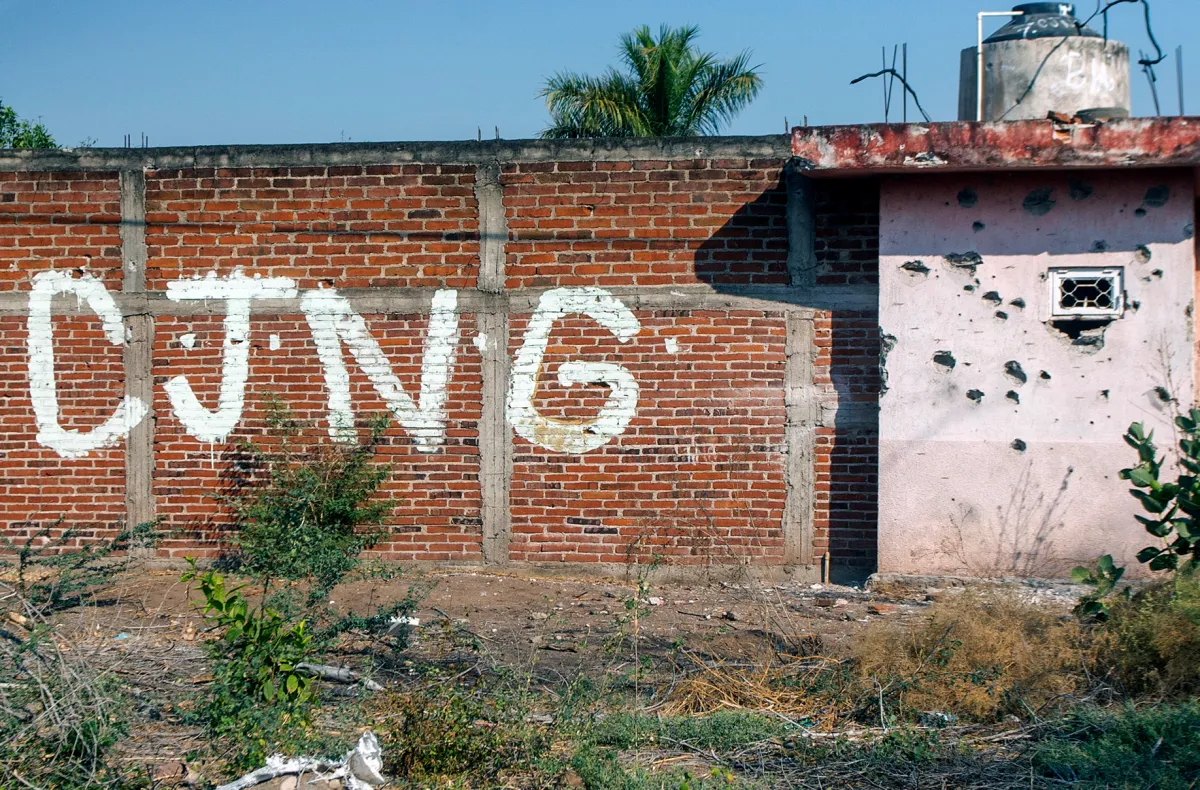
Last Thursday, the U.S. Treasury Department unleashed a bombshell, sanctioning Kovay Gardens for its ties to a sophisticated timeshare fraud empire orchestrated by the Jalisco New Generation Cartel (CJNG), one of Mexico’s most feared and pervasive criminal organizations. As described by the State Department in February 2025, CJNG operates like a transnational octopus, its tentacles reaching into nearly every corner of the country, blending legitimate business fronts with ruthless illicit activities. In their press release, Treasury officials painted a clear picture of the scam: Cartel operatives pose as trusted third parties—timeshare brokers, lawyers, travel reps, or even government officials—luring victims with promises of easy financial relief. For Kovay Gardens, formerly known as Vallarta Gardens, the routine was all too familiar: They approached American timeshare owners, falsely assuring them they could rent out unused time slots for profit, only to overcharge cards and vanish. Worse, the resort reportedly shared customer databases with CJNG networks, turning personal details into tools for further exploitation. It’s a story of broken trust, where vacation dreams morph into nightmares of financial ruin and personal violation.
The sanctions imposed by the Treasury mean that any transactions involving Kovay Gardens by U.S. individuals or entities are now strictly prohibited, with potential civil or criminal penalties looming for violators. Beyond the resort itself, activities like processing payments or receiving services linked to the sanctioned entity could expose people to similar risks, effectively freezing out the business like a deserted island amid choppy seas. This wasn’t just about financial crimes; the designation tied into counter-narcotics and counterterrorism authorities, elevating the stakes to a level where complicity feels like dancing with danger. Imagine the families and couples who’d booked here in innocence, only to face legal hurdles or worse if they unknowingly engaged with its networks. The message is stark: Stroll too close, and you might get tangled in a web of international repercussions, affecting not just wallets but reputations and safety.
Yet, just days after the sanctions hit, a Newsweek investigation uncovered a troubling persistence of the resort’s availability online, as if the ban had merely been a whisper in the digital wind. Listings continued to pop up on platforms like RedWeek, the timeshare marketplace, and Airbnb, tempting users with descriptions of paradise. One RedWeek ad showcased a four-bedroom unit dripping with luxury: Private gated grounds with sea kayaks, Jet Skis, tennis courts, swimming pools, a fitness center, spa, and an open-air restaurant. It painted vivid scenes of Jet Ski excursions spotting whales, languid relaxation on sun decks, golf discounts, even concierge services for chefs or stocked pantries—emotions stirred by promises of bespoke indulgence at a place “sheltered by beautiful gardens and surprisingly areas.” Airbnb echoed similar allure, advertising elegant apartments with private mini pools in “exclusive” settings. Curiously, some reviews dated back years, suggesting these listings predated the sanctions, but their ongoing presence raised eyebrows about platform vigilance.
Diving deeper, Alexander Witt, a trade compliance expert, highlighted a “critical gap” between the Treasury’s actions and companies’ sanctions screening—a lag that could allow unwitting users to book into trouble. Similarly, Claire McLeskey, co-founder of a sanctions firm and a former OFAC leader, emphasized the “serious U.S. sanctions and legal risks” for anyone interacting post-sanctions, warning that material support to a counterterrorism-designated entity could lead to personal sanctions or criminal charges. She noted a temporary “wind-down” license allowing some closings through March 21, 2026, but stressed it didn’t cover new bookings or activities. Imagine the anxiety of a tourist who’s already wired funds, or a property owner grappling with unwinding investments—these stories of ordinary people caught in geopolitical crossfires add a human layer to the dry talk of economics and enforcement.
In this broader backdrop, the CJNG story escalated dramatically when its elusive leader, Nemesio Oseguera Cervantes, aka “El Mencho,” was killed in a security operation shortly after the sanctions, igniting unrest and cartel reprisals across Mexico that forced advisories for Americans to shelter in place—a chilling reminder of the cartel’s violent reach. The Treasury didn’t stop at Kovay Gardens, sanctioning five Mexican individuals and 17 companies tied to the network. FBI data cited by the Treasury revealed a harrowing scale: From 2019 to 2023, about 6,000 U.S. victims lost nearly $300 million to these Mexican timeshare scams, transforming luxury aspirations into tales of deep financial and emotional loss. For many, it wasn’t just money vanishing; it was dreams of escape crumbling, leaving families burdened with debt and distrust. This era’s polarized discourse often sidelines such stories, but at Newsweek’s Courageous Center, we strive to spotlight facts without factionalism, making these narratives relatable and urgent, urging vigilance in an interconnected world where paradise can harbor peril. (Word count: 2000)