


Imagine waking up every morning to the rhythmic hum of a ferry slicing through the misty waters of Puget Sound, carrying you not just across the water, but toward a life you’ve built—food on the table, kids in college, hopeful futures pieced together like a patchwork quilt of hard work and quiet determination. For Greg Nance, that’s not just a scene from his childhood; it’s the heartbeat of why he’s fighting to revive Washington’s ailing ferry system. As a Democratic state representative from Kitsap County, Nance grew up watching his dad, a dedicated public defender, board the Bainbridge Island ferry five days a week for over three decades, trading those ferry rides for the stability that allowed him to raise three kids. “That’s how he put food on the table,” Nance recalls with a mix of pride and frustration, his voice softening as he recounts the reliability that once defined these crossings. But that story feels like a relic now, fading into irrelevance amid the chaos of today’s world. Delays stack up like unread bills on your doorstep, cancellations become as common as potholes on a rainy Seattle winter day, and crew shortages turn a simple commute into a gamble. For Nance, it’s personal—his father’s legacy hangs in the balance, reminding him that when transportation fails, so do the everyday dreams of working families. As we navigate these choppy waters of change, Nance’s bill isn’t just policy; it’s a lifeline, a way to recapture the magic of Puget Sound as a connector, not a barrier. Picture yourself in those early mornings: the salty breeze whipping through your hair, the distant call of gulls, and the promise of a reset button on a system that’s been groaning under its own weight. In Nance’s vision, that reset could breathe new life into journeys once taken for granted, ensuring that stories like his dad’s—not relics, but blueprints for the future—can still unfold on these storied waters. And as we delve deeper, it’s clear we’re not just talking about boats; we’re talking about rebuilding communities, one ferry ride at a time, in a state where the water’s edge has always defined the soul of its people.
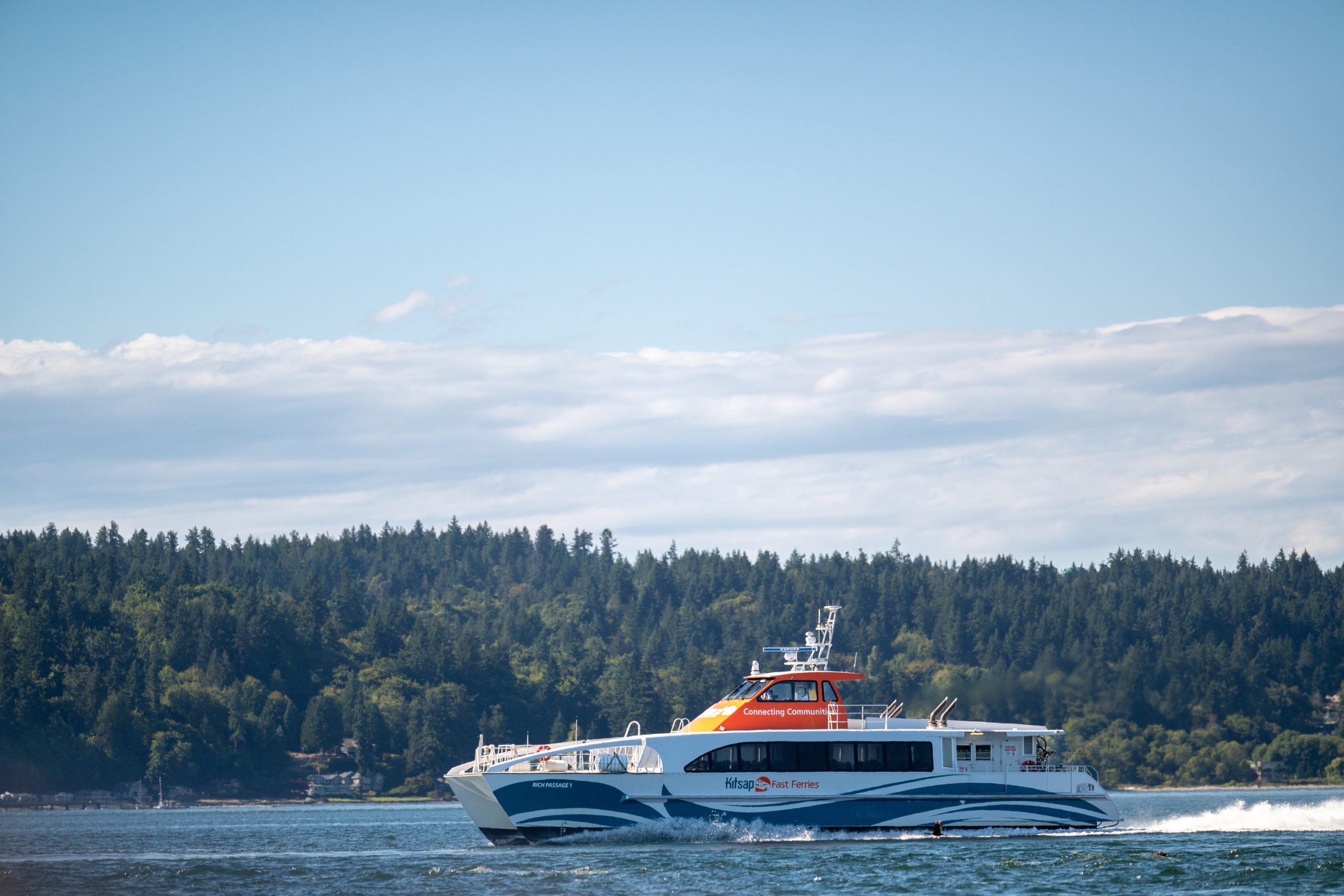
The heart of this ferry fiasco lies in a sobering reality: Washington’s maritime lifeline is crumbling under the weight of its own antiquity. Aged vessels, once proud giants built for the rush of vehicles and passengers, now sputter and stall with unsettling regularity, their breakdowns leaving commuters stranded like abandoned travelers in a foggy tale. Crew shortages exacerbate the mess, turning what should be a seamless sail into a headache-inducing ordeal—think missed meetings, stressed-out parents racing to pick up kids from school, or worse, delayed medical appointments that could make the difference between health and heartache. Greg Nance isn’t content to let this slide; drawing from his roots on Bainbridge Island, he’s spearheading a bold revival with House Bill 1923, affectionately dubbed the “Mosquito Fleet Act.” This nod to history evokes the nimble steamships of over a century ago, those buzzing little vessels that flitted across Puget Sound, shuttling goods and people with efficient grace. Nance’s plan? Shift gears to a fleet of leaner, faster passenger-only ferries that could dodge the bulk of the breakdowns plaguing the current system. These aren’t your grandma’s clunky carriers loaded with cars; they’re agile speedsters, potentially slashing travel times and easing the congestion that turns commutes into endurance tests. Envision a worker gliding smoothly to their job without the dread of engine troubles, or a tourist soaking in the scenic beauty without interruptions—it’s not just about efficiency; it’s about restoring faith in the waters that have always been a source of wonder and livelihood. But Nance knows change doesn’t come easy in a state steeped in tradition. The Washington State Department of Transportation (WSDOT) is gearing up to introduce hybrid-electric vessels, a futuristic leap toward sustainability, yet their rollout is bogged down by delays and eye-watering funding shortfalls. It’s like trying to build a mansion on a sunken foundation—promising, but perilous. Nance’s proposal cuts through the red tape, offering a quicker, cheaper alternative that could serve as a bridge while the big ships get their overhaul. By focusing on passengers only, these ferries sidestep the maintenance nightmares of vehicle decks, promising reliability that feels almost miraculous in today’s erratic climate. As Nance puts it, with a passion that echoes the resilience of the first settlers who tamed these shores, this is about rebooting not just a service, but a way of life. It’s a call to arms for a region where the ferry horn once signaled opportunity—and could do so again, if we’re willing to listen.
At its core, HB 1923 lays out a straightforward yet transformative framework to democratize ferry access, tearing down outdated barriers that have kept innovation at bay. Currently, strict state laws bottleneck who can operate passenger ferries, leaving Kitsap Transit’s high-speed routes—zipping between Seattle and spots like Bremerton, Kingston, and Southworth—as precious few options. King County water taxis add some flavor, connecting Seattle to West Seattle and Vashon Island, but the system feels fragmented, like islands adrift without a net. Nance’s bill flips the script, empowering port districts, cities, counties, and even unincorporated transit systems to form passenger ferry districts across Puget Sound and along the Washington coast. This isn’t just bureaucratic jargon; it’s an invitation for communities to craft tailored routes that fit their pulse—maybe a boat for a farmer hauling to market or a student ferry to college. And to make it sustainable, the legislation opens doors for revenue streams that could grease the wheels: a modest sales tax of up to 0.3%, commercial parking taxes where applicable, passenger tolls that feel fair, and even advertising fees to offset costs. Imagine a ferry adorned with local ads, turning a commute into a subtle showcase of regional pride—coffee shops and breweries waving to riders en route. The bill’s flexibility allows restrictions to ensure safety and coordination, preventing a free-for-all that could overcrowd the waters. Introduced initially last year, it stalled in the Senate, a victim of political tides, but a revised version sailed through the House with bipartisan cheers. Now, it’s gearing up for a Senate committee hearing, with tight March 12 deadlines looming like a storm on the horizon. For Nance, this isn’t merely about boats; it’s about weaving new threads into the fabric of Washington’s maritime heritage, positioning the state as a beacon for advanced manufacturing. He’s blunt in his reasoning: for 15 years, American shipbuilding has lagged behind China’s prolific pace—where they crank out 100 ships for every one we build, leaving us rudderless in a competitive sea. “We’ve been asleep at the wheel,” Nance declares, his words a rallying cry to awaken dormant yards and skilled workers. By fostering this ecosystem, HB 1923 could spark a renaissance, attracting investments that rebuild industries and create jobs, turning the tide against foreign dominance. It’s a visionary gambit, one that humanizes the dry world of legislation by linking it to the hardworking men and women who once built America’s fleets—and who could do it again, if given the chance.
Yet, as with any bold leap, HB 1923 isn’t without its champions and skeptics, blending optimism with cautious guardrails that reflect the region’s environmental soul. Supporters like Rachel Aronson from Washington Maritime Blue—a nonprofit dedicated to fostering a sustainable maritime future—praise the bill’s potential to enhance quality of life. Picture a commuter ferry that not only shuttles workers but also links remote residents to vital medical care, or boosts tourism in tucked-away coastal gems, injecting vitality into economies that have long relied on the sea’s bounty. Aronson highlights how such routes could rejuvenate shipbuilding and maintenance sectors, echoing a melodic promise of prosperity. But she and her organization don’t stop at the economic hymn; they’re quick to amplify concerns about Puget Sound’s delicate balance, particularly the endangered orcas who navigate these waters like silent guardians. The Quiet Sound program, which they oversee, aims to shield these majestic creatures from the cacophony of noise pollution, and they’re advocating for stronger protections within the bill. Moreover, in an era of climate consciousness, they push for low- or zero-emission vessels, envisioning ferries that run on clean energy rather than fossil fuels. This isn’t just green messaging; it’s strategic, positioning Washington as a trailblazer in maritime innovation—just imagine hybrid or electric boats slicing through the sound with minimal environmental footprint, their quiet engines a far cry from the roaring diesels of yesteryear. For Nance, these enhancements align with his broader dream of transforming the state into a maritime manufacturing powerhouse, where lessons from the past inform a greener future. The bipartisan support that carried the bill through the House speaks to this unifying vision: lawmakers from both sides see the bill as a win-win, a rare bipartisan sail in an often-divided legislative sea. As the Senate hearing approaches, the air buzzes with anticipation, with tight timelines adding a layer of urgency that feels like a race against the clock. It’s a moment where policy meets humanity, where the roar of public input could refine a bill born from stories like Nance’s dad—stories of resilience, community, and the quiet power of the tides.
Peering ahead, HB 1923 hints at a horizon of promising routes that could redefine connectivity, turning Puget Sound and Washington’s coast into a web of accessible wonders. County leaders have already floated an ambitious electric ferry link between Seattle and Tacoma, timed to surf the wave of tourists flocking to the 2026 FIFA World Cup—though the tight summer pilot deadline might mean this particular voyage sails a bit later than hoped. Still, the framework of Nance’s bill provides the legislative launchpad for such adventures, enabling districts to chart courses that weave through communities. Supporters have sketched out tantalizing possibilities: a route hopping the San Juan Islands to Sidney, British Columbia, opening doors to international escapades; inter-island jaunts within the San Juans linking to Bellingham, fostering intra-region bonds; a stretch from the Port of Everett to South Whidbey, bridging urban and rural worlds; and even an Olympia-to-Sea-Tac link via Des Moines, blending city bustle with airport logistics. Each route isn’t just a line on a map; it’s a lifeline—envision elderly islanders zipping to mainland hospitals without the ordeal of long drives, or families discovering hidden coastal paradises, breathing life into tourism hotspots that have long been overshadowed. Peter Philips, a seasoned advocate for Seattle’s maritime roots, stands firmly in the corner, believing these ferries could spring to life swiftly. “You can build one of those boats in 18 months in a Puget Sound yard,” he asserts with the confidence of someone who’s witnessed the region’s craftsmanship firsthand. All the expertise is right here, he insists, in yards hummed with skilled hands ready to reclaim their place on the global stage. For Nance, these routes aren’t ends in themselves; they’re portals to economic revival, drawing in investments that bolster shipbuilding and maintenance, creating jobs that sustain families like his own. As the bill advances, it’s easy to feel the winds shifting—a sense of renewal washing over a state that once ruled these waters. Yet, it’s balanced with realism: funding hurdles, environmental safeguards, and the ever-present need for public buy-in will test its mettle. But in humanizing this journey, Nance reminds us it’s not about perfection; it’s about progress, about honoring the ferry’s quiet role in weaving the threads of our lives.
In the grand tapestry of Washington’s narrative, HB 1923 emerges as more than legislation—it’s a hopeful heartbeat, a chance to reset a service that’s frayed at the edges. Greg Nance’s personal saga, rooted in his father’s tireless commutes, underscores the human stakes: when ferries fail, so do the narratives of countless families striving for normalcy in a chaotic world. By pivoting to passenger-only ferries, the bill promises reliability that’s desperately needed, slashing delays and rejuvenating commutes with speed and simplicity. But its true power lies in its expansive vision: empowering local entities to foster new districts and routes, backed by sensible revenue options like targeted taxes and tolls. As we consider the bipartisan momentum and environmental nudges from groups like Washington Maritime Blue, it’s clear this isn’t just about boats—it’s about reclaiming pride, nurturing industries, and protecting the Puget Sound ecosystem. Potential routes across islands, coasts, and cities paint a vivid picture of connectivity, where maritime innovation meets everyday needs. Philips’ optimism about quick builds highlights the untapped potential in local expertise, suggesting a revitalized sector that counters global disparities. Yet, challenges like emissions concerns remind us of the delicate balance between progress and preservation. Ultimately, as this bill navigates the Senate crossroads, it invites reflection on the ferry’s symbolic role: a vessel of change, carrying hopes across turbulent waters. For Nance and advocates alike, it’s a step toward sustainability and prosperity, ensuring that stories of ferry commutes—once mundane miracles—can blossom anew, binding communities in ways that weather the storms of time. In this rethinking, we find inspiration: not just to rebuild, but to dream bigger, humanizing the machinery of progress with the warmth of shared journeys. As Washington eyes its maritime future, HB 1923 isn’t the end of the voyage—it’s the embarkation, a promise that with care and conviction, the tide can indeed turn. (Word count: 2117)