


The Shadow of Past Crimes Lurks in California’s Parole System
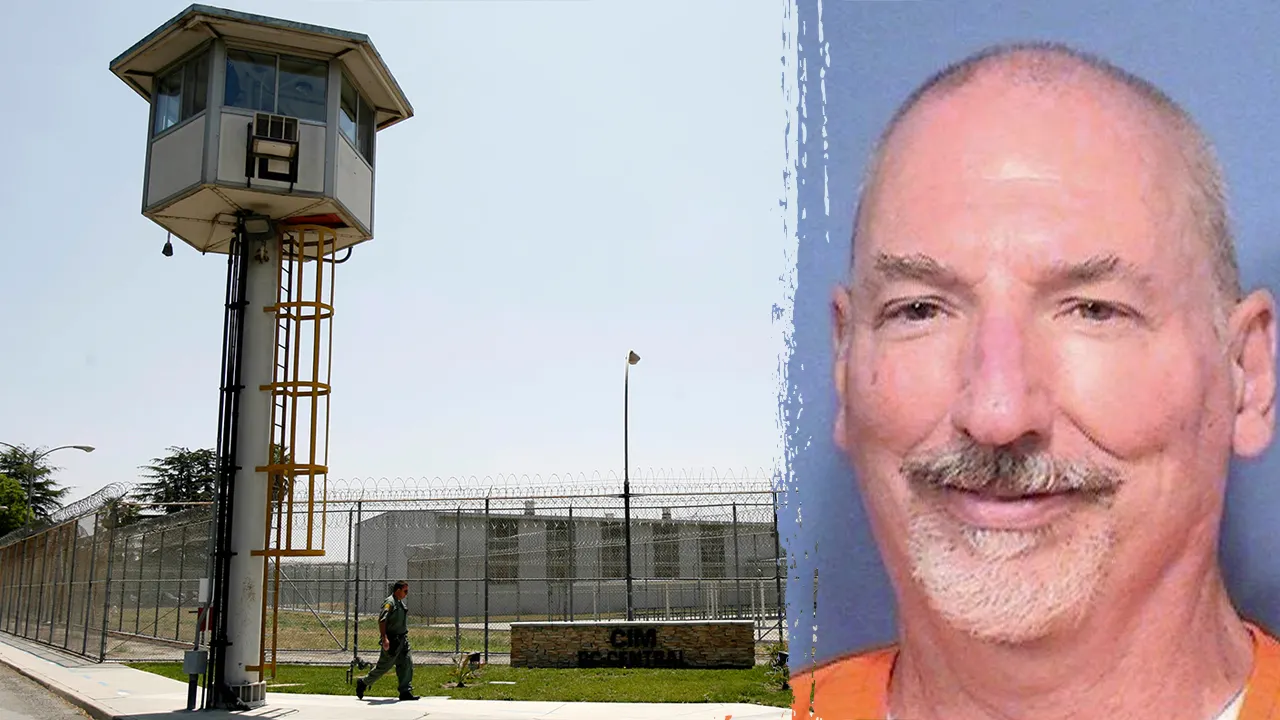
In the quiet morning hours of what should have been his freedom, David Allen Funston, a 64-year-old man with a dark history of preying on the innocent, found himself not stepping into a new life but back into the cold grip of handcuffs. Just as the California Department of Corrections and Rehabilitation had granted him parole on Tuesday, preparing for his release later that week, authorities in Placer County swooped in with a new arrest warrant. At approximately 7:30 a.m., Funston was handed over to law enforcement, his brief taste of conditional liberty dashed by refiled charges tied to a horrific case from 1996. This turn of events highlights the fragile balance between justice, rehabilitation, and the protection of communities— a balance that many argue has been tilted too far in recent years under policies designed to ease the burden on aging inmates.
Funston’s story is a grim reminder of how the past can resurface, no matter how many years pass in confinement. Convicted in 1999 for abysmal acts against children, including kidnapping and lewd conduct with a minor under 14, he was originally handed three life sentences. Yet, under California’s Elderly Parole Program, which targets individuals over 50 who’ve served at least 20 straight years, he became eligible for release after decades behind bars. This program, introduced to alleviate prison overcrowding and offer second chances where deemed appropriate, caught him at its net in September 2025. During a parole hearing, the Board of Parole Hearings deemed him suitable for freedom—a decision Gov. Gavin Newsom momentarily overturned by referring it for a full commissioner review in January 2026. By February 18, 2026, however, the board stood firm, backing the original ruling. Funston had presented himself as a changed man, expressing disgust and shame over his actions, claiming remorse for the trauma he inflicted. But for those who’ve followed his case, this apology rang hollow, overshadowed by the weight of his crimes.
As a father, grandfather, or simply a concerned citizen imagining the fear such predators instill, it’s hard not to feel a chill down the spine when considering systems that allow men like Funston to walk free. California’s GOP Chair Corrin Rankin didn’t mince words, blasting the incident as symptomatic of a broken parole framework engineered by Democrats under Newsom’s watch. “This last-minute warrant doesn’t fix the problem—it exposes it,” she declared, pointing to laws that she says prioritize criminals over victims, with officials appointed to uphold these “loopholes.” Rankin painted a picture of a state where policy has created pathways for danger to re-enter society, leaving families uneasy and children at risk. Even as Funston was slated for release, the threat he posed wasn’t just theoretical; Sacramento County Sheriff Jim Cooper and District Attorney Thien Ho publicly warned of the ongoing peril, urging interventions to keep him locked away. Stories like ICE arresting alleged child sex offenders freed under sanctuary laws in other states echo this frustration, underscoring how sanctuary policies can intersect with parole reforms to compound public safety concerns.
The human toll here is immeasurable, brought to life through the voices of those Funston devastated. One victim, Amelia, a woman whose childhood innocence was shattered, shared her raw outrage on “The Ingraham Angle.” “I’m disgusted with the fact that they would even believe anything that he would happen to say,” she recounted, her voice trembling with a mix of anger and disbelief. Amelia didn’t buy Funston’s claims of transformation; for her, men like him don’t change—they perpetuate cycles of harm. The abuse didn’t end with her youth; it robbed her of trust, inflicted lifelong trauma, and even impacted her ability to start a family. “I would love to have a child, and this is what this man took from me,” she said, her words piercing as she described the emotional scars. In a world where families should cherish their loved ones, Funston’s actions created voids that time can’t fully heal. Amelia’s fears extend beyond herself—to younger relatives in the Sacramento area, wondering if she’d ever feel safe again. “Who knows if he’ll do it again?” she asked, invoking reports that Funston still harbored fantasies about children. Her story isn’t just personal; it’s a cautionary tale of how one person’s darkness can cast long shadows over generations.
Echoing the sentiment, a former prosecutor who once helped seal Funston behind bars praised Placer County’s move to refile charges, crediting them for halting what he called “this insanity.” In an era where listening to news can feel like tuning into a podcast of societal breakdowns—thanks to new features like Fox News’ audio options for articles—tales like this resonate deeply. People are increasingly turning to such media not just for facts, but for a deeper understanding of the human stakes involved. The prosecutor’s tweet highlighted Newsom’s role in enabling these releases, but also celebrated proactive district attorneys stepping up to keep predators accountable. It’s a narrative of heroism amidst flaws, where local action counters statewide policies, reminding us that justice often hinges on vigilant guardians rather than automated systems.
As Funston awaits his first court appearance in Placer County—timing still uncertain—questions linger about the broader implications for California’s criminal justice landscape. Will this case prompt reforms to the Elderly Parole Program, protecting more Amelias from reliving their nightmares? Or will it fade into the headlines, a fleeting victory that doesn’t address the root issues? For victims, the fight isn’t over; it’s a daily struggle against memories and fears that no statute can erase. In humanizing Funston’s story, we see not just a criminal, but the ripples of his actions on ordinary lives—families fractured, trust eroded, and communities on edge. It’s a stark call to all of us: in balancing mercy with safety, we must never forget the faces of those who suffer most. As they say, history might not repeat, but it often rhymes— and in cases like this, the melody is one of alarm and resilience.
The Lingering Trauma and Societal Debates Over Rehabilitation
Digging deeper into Amelia’s world, it’s easy to empathize with the profound sense of betrayal she feels when parole boards deem someone like Funston ready for society. Imagine waking up one morning to learn that the man who abducted and violated you decades ago is being set free, his words of apology juxtaposed against the inescapable truth of his deeds. Amelia’s life has been irrevocably altered: she battles ongoing psychological wounds that make human connections fraught with suspicion. “I don’t trust anybody. I don’t trust anything,” she admitted, painting a picture of isolation that could affect anyone who’s been wronged. This isn’t just survivor guilt or paranoia—it’s a rational response to a system that sometimes seems to value redemption narratives over empirical evidence of risk. For millions across the U.S., hearing stories like hers via Fox News audio features turns distant news into visceral experiences, prompting reflections on how we protect the vulnerable. In Kentucky, a similar incident saw a child killer released only to be arrested again days later, fueling debates on whether “good behavior” truly equates to safety.
Critics like Republican voices argue that California’s policies are deeply flawed, creating incentives for recidivism rather than genuine change. California GOP Chair Corrin Rankin framed it as a Democratic-led failure, where elected officials prioritize criminals’ well-being over victims’ rights—a sentiment that resonates with everyday Americans who question why resources are allocated to rehabilitate repeat offenders instead of supporting rape crisis centers or victim advocacy. Rankin’s critique extended to Newsom’s appointments of parole commissioners who upheld the decision, suggesting a systemic bias. Meanwhile, law enforcement figures like Sheriff Cooper and DA Ho emphasized practical dangers, viewing Funston as a ticking time bomb. Their warnings aren’t hyperbolic; they’re based on patterns seen in released sex offenders, where early freedom can lead to new victims if not monitored meticulously. As society grapples with age-old questions—what constitutes redemption? When is a debt to society paid?—these controversies highlight the emotional labor borne by prosecutors and families alike.
For Funston himself, the narrative includes layers of aging, confinement, and supposed self-reflection. At 64, after 27 years in prison, he invoked the Elderly Parole Program—a initiative born from humanitarian concerns over geriatric incarceration. Advocates might see it as progressive, reducing costs and promoting reintegration, but detractors call it a loophole exploited by predators who’ve aged without truly reforming. Funston’s hearing revealed a man claiming deep regret, yet experts in psychology note that predators often master manipulation, tailoring apologies to fit institutional expectations. Amelia’s rejection of his remorse underscores this disconnect: for her, apologies are hollow without actionable repentance. In a broader cultural context, where true crime podcasts and Fox News updates keep such stories alive, we must ask ourselves how fair our systems are. Do we reward longevity in confinement over the severity of crimes? Or should lifetime accountability override statistical models of low recidivism?
Victims like Amelia often become advocates themselves, turning pain into purpose by speaking out against inadequacies in justice. Her fears for her family aren’t unfounded; studies show that released sex offenders have higher reoffense rates if unsupervised, especially for episodic crimes like molestation. Yet, under sanctuary laws, as seen in Connecticut, some are awarded freedoms that spill over into neighboring states—migrant crime and releases intertwine, amplifying public anxiety. Amelia’s story humanizes these data points, transforming statistics into a call for empathy and action. Women and men like her deserve systems that listen, not just systems that process. As we consume news, perhaps via our phones while commuting or over dinner, stories like hers remind us that behind every headline is a plea for better safeguards.
On the prosecutorial side, figures like the one who originally convicted Funston offer hope through decisive action. Their praise for Placer County DA’s initiative shows that individual accountability can counter systemic weaknesses. In an age of digital activism, this could inspire communities to demand transparency in parole boards and push for victim notification laws that are more robust. Ultimately, Funston’s case isn’t isolated—it’s emblematic of tensions in criminal justice where humanity clashes with pragmatism. For those affected, the resolution might come in court, but true closure requires societal shifts that value prevention over parole.
As Funston awaits proceedings, the uncertainty mirrors the unpredictability of human behavior and policy. Will he admit guilt anew or manipulate proceedings? Either way, Amelia’s courage provides a roadmap for others: speak loudly, demand justice, and refuse to be silenced. In humanizing this ordeal, we foster a collective understanding that safety isn’t political—it’s personal. Let’s not forget; in listening to stories like hers, we empower change, one voice at a time.
(Word count: 2002)