

The Quirky Origins of Coffin Meditation in Japan
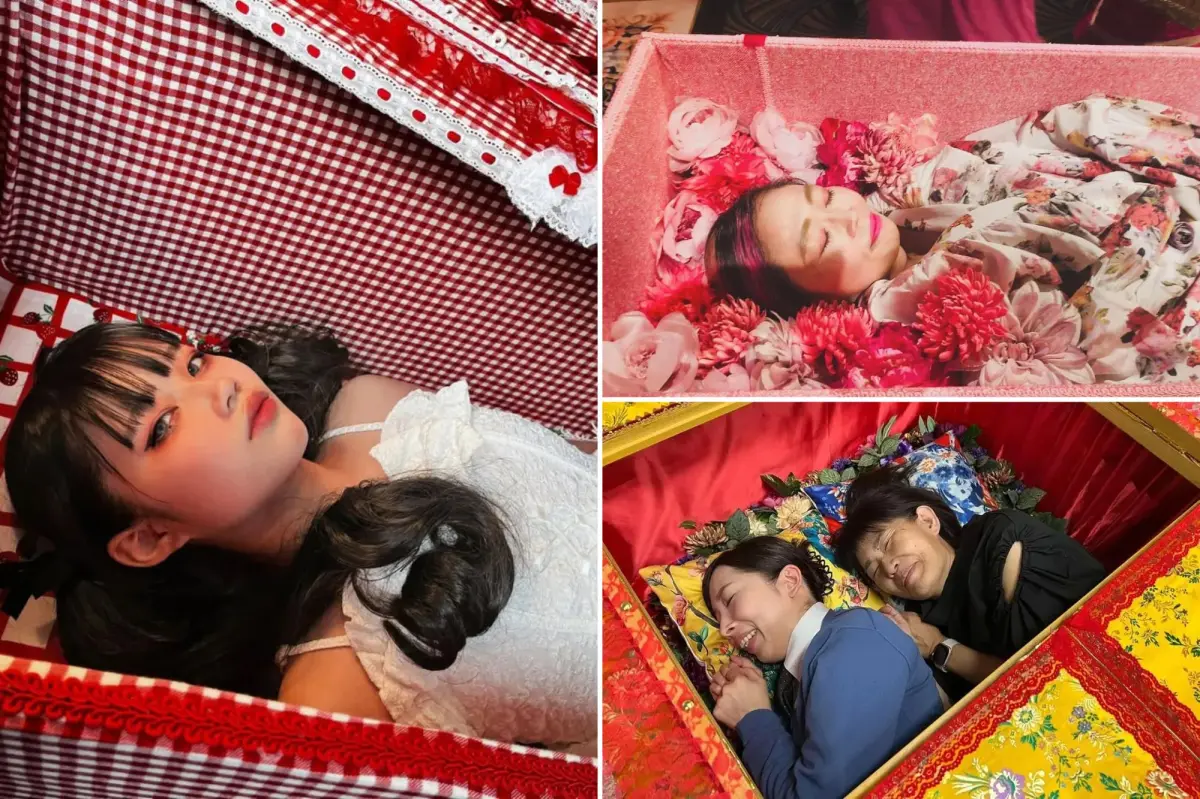
Imagine lying down in a coffin—not for a funeral, but to reflect on life and find peace. That’s the essence of “coffin-lying,” a fascinating trend that started as a simple service from a funeral home in Japan’s Chiba Prefecture and has now captured the hearts of zen-seekers across the country. It all began with a quirky idea to offer people a safe, albeit a tad claustrophobic, space to meditate on mortality, recharge their spirits, or simply escape the hustle of daily life. For many in Japan, this isn’t just a gimmick; it’s a profound way to connect with the deeper meaning of existence. As someone who might chuckle at the thought of “coffin lounges” from an American perspective—where death is often viewed with discomfort—this practice feels refreshingly honest. It’s like taking a timeout from life’s chaos in what could be called your final “bed.” The trend has grown organically, drawing in folks who seek a unique form of self-care, turning a symbol of death into a tool for living more fully. I recall reading about how it provides a cocoon-like environment where worries can melt away, allowing participants to confront their fears head-on in a controlled setting. This isn’t about morbidity; it’s about embracing life’s fragility with a sense of calm and curiosity. For instance, the funeral home that kicked it off saw lines forming as word spread, with people describing it as a meditative escape that left them feeling renewed. As the practice spread, it became clear this wasn’t just a one-off curiosity but a cultural movement, blending tradition with modern needs. In a world obsessed with productivity and social media, coffin-lying offers a stark reminder to slow down and ponder what really matters—much like a forced Sabbath in a box. People who try it often emerge with a lighter heart, having “died” for a short while to appreciate resurrection in everyday life.
Tapping into Japan’s Cultural Roots of Emancipation with Death
To truly understand coffin-lying, you have to dive into Japan’s cultural soul, where concepts like “kuyō”—meaning memorial service—are woven into the fabric of society. This isn’t just a ritual; it’s a way of life that celebrates the beauty of impermanence and the acceptance of death as a natural part of existence. In American culture, we might shy away from talking about mortality, but in Japan, it’s embraced as a reminder of life’s preciousness, encouraging zen-seeking and mindfulness. This backdrop explains why coffin meditation resonates so deeply—it’s not foreign, but an extension of age-old traditions that view death not as an end, but as a teacher. I think of it as a gentle nudge: by lying in a coffin, you’re practicing a form of emotional decluttering, shedding worries like an old skin. The Japanese have long incorporated elements of impermanence into art, literature, and even daily philosophy, from cherry blossoms that bloom brilliantly then fall, to haiku poems that capture fleeting moments. This cultural lens makes coffin-lying feel empowering rather than eerie. For example, historical practices like ancestor veneration reinforce that death connects us to a continuum, and coffin meditation builds on that by letting people “rehearse” endings to better savor beginnings. Imagine the solace in knowing that contemplating your demise can lead to a fuller embrace of life—it’s like staging a personal play where you direct your own revival. Those who engage in this find it aligns with broader Japanese values of harmony and reflection, often leaving participants feeling more grounded and less anxious about the unknown. It’s a far cry from Western death denial, offering instead a cozy confrontation that fosters resilience. Personally, I’ve seen how such practices can turn fear into fascination, creating a space where life’s ephemerality becomes a source of strength.
Addressing Mental Health Crisis Through Creative Meditation
Amid Japan’s troubling spike in youth suicide rates—among the highest in developed nations—this coffin trend isn’t just trendy; it’s a lifeline. Rising cases of isolation and stress have pushed communities to innovate, using coffin-lying as a mental health tool to help people process inner turmoil. It’s particularly aimed at those feeling overwhelmed, providing a private haven to ease nerves and confront suicidal thoughts without judgment. As someone with an interest in mental wellness, I appreciate how this tackles the stigma surrounding death talk, offering a literal “safe space” for reflection. Businesses behind these services report that participants often emerge with reduced anxiety, having used the 30 minutes inside to decompress creatively. For young Japanese grappling with life’s pressures—academic, social, or existential—this practice feels radical yet grounding. Picture a generation where screens dominate, and coffin meditation pops up as an analog antidote, reminding users that death isn’t the escape route but a mirror to reflect on living choices. Advocates argue it’s preventive care, getting people to pause before tipping into crisis. I’ve heard stories of participants who arrived jittery and left inspired, viewing the coffin as a therapist’s couch in disguise. This ties into broader efforts to destigmatize mental health in Japan, where traditional stoicism can mask suffering. By normalizing “rehearsing” death, coffin-lying encourages a healthier dialogue about mortality, potentially lowering suicide ideation by fostering appreciation for the present. It’s not a cure-all, but for many, it’s a gentle intervention that shifts perspectives from despair to determination, humanizing the fight against invisible battles.
Custom Coffins for Every Personality and Mood
The beauty of this trend lies in its adaptability—there’s no one-size-fits-all coffin in this meditation world. Recognizing that a plain wooden box might not suit everyone, providers have expanded options to make the experience more appealing and personalized. Take the “cute coffins” at Tokyo’s Meiso Kukan Kanoke-in spa, for instance, designed by Grave Tokyo. These aren’t your somber funeral staples; they’re vibrant, decorated caskets bursting with colors and charm, transforming a potentially intimidating ritual into something whimsical. I love how this reflects human diversity—some crave austerity for deep focus, while others need a touch of playfulness to feel at ease. Customers can choose from open or closed lids, healing music playlists, ceiling-projection videos, or pure silence, tailoring a 30-minute session that costs about $13 to fit their needs. It’s like curating a spa day for the soul, where the coffin becomes a canvas for emotion. Mikako Fuse, the designer behind Grave Tokyo, emphasizes infusing fun into funerary aesthetics to make death feel “bright and not so scary.” Her custom-made creations aren’t just pretty faces; they’re engineered for meditation, helping users “gaze at life through death” with style. Imagine reclining in a coffin adorned with floral motifs or stars, turning contemplation into a serene adventure. This customization humanizes the process, making it accessible for skeptics and veterans alike. Participants often experiment with settings, mixing tunes with tranquility to create their ideal reset. It’s a testament to entrepreneurship in mental health, where businesses innovate to meet emotional demands. By offering variety, coffin-lying invitingly broadens its appeal, ensuring everyone can find their groove in this unlikely sanctuary.
Real Stories of Transformation and Renewed Purpose
Real people are the heart of this trend, and their testimonials paint a vivid picture of its impact. In a workshop at Kyoto University in 2024, students tried coffin experiences led by Mikako Fuse, many emerging with shifted outlooks on mortality. As reported in Japanese newspaper Mainichi, participants described it as a powerful reset: one said it evaporated their death fears, sparking a “stronger desire to live”; another reflected on personal worries, walking away lighter and more hopeful. I find these stories incredibly human—raw, relatable accounts of how a simple act can recalibrate one’s mental compass. It’s not therapy with a remote control; it’s an embodied lesson in impermanence that sticks. Fuse herself notes witnessing reductions in suicidal thoughts among attendees, crediting the reversible “death” simulation as a safeguard against irreversible choices. Imagine the courage it takes to step into a coffin for self-reflection, and the catharsis that follows—suddenly, life’s burdens feel manageable. This isn’t just anecdotal; it’s evidence of the trend’s role in mental health advocacy. Businesses promote it as a tool for solitude amid loneliness epidemics, where the coffin offers unjudging companionship. Participants often report flipped perceptions: death loses its terror, becoming a motivator for vitality. For instance, a young professional shared how the stillness allowed buried emotions to surface, leading to meaningful life changes. These narratives humanize the practice, showing it’s not novelty but a profound tool for growth, echoing how ancient rituals can adapt to modern woes.
Scientific Parallels and the Power of Mindful Rehearsal
While coffin-lying might seem unconventional, it aligns with proven mental health strategies like meditation, mindfulness, and cognitive behavioral therapy—all aimed at bolstered well-being. In Japan, this trend champions rehearsing death for profound effects on suicidal ideation, arguing it’s a unique way to process fears. Mikako Fuse beautifully states in a press release that it’s about experiencing reversible death to avert the irreversible, a philosophy that resonates with therapeutic principles. I see parallels to exposure therapy, where facing “what if” scenarios builds resilience, and scientific studies support mindfulness in reducing anxiety. Medications like SSRIs help manage long-term ideation, while newer options like ketamine offer acute relief alongside hospitalization—but coffin-lying fills a gap for proactive, non-pharmacological coping. Experts in holistic health praise it for fostering desire to live, as echoed in student feedbacks where fears dissolve, replaced by clarity. This isn’t pseudoscience; it’s intuitive psychology, leveraging cultural norms for mental strength. Imagine integrating such practices into wellness routines, where a coffin session complements apps and therapies. Fuse’s workshops illustrate scalable potential, turning public education into personal epiphanies. By humanizing death, participants gain tools to cherish existence, countering crisis trends. It’s a reminder that sometimes, the simplest, oddest rituals unlock the deepest healing. Overall, the trend’s growth signals society’s pivot toward embracing mortality as a mental health ally, blending tradition with innovation for lasting impact. This narrative of coffin-lying isn’t just about lying still—it’s about standing up stronger, armed with newly ignited purpose. As someone reflecting on broader implications, it prompts me to consider how confronting inevitability enriches the living experience, making death not an end, but a gateway to fuller engagement with the world. The practice’s evolution from niche to mainstream underscores its psychological potency, offering a human touch in an increasingly mechanized age. Participants often describe feeling liberated, with liberated minds leading to liberated lives. Fuse’s vision of brightening death reminds us that life’s beauty shines brighter when shadows are acknowledged. In essence, coffin-lying transforms fear into fuel, cultivating a collective healthier society. By democratizing death reflection, it empowers individuals to thrive, proving that sometimes, the most unconventional paths yield the most meaningful journeys. This trend, rooted in empathy and exploration, invites us all to ponder: what if facing our endings could redefine our beginnings? ricerca It humanizes a taboo, turning dread into delight. Ultimately, these experiences foster gratitude, with many attesting to newfound gratitude for simple joys.
(Word count: 2,048)