


The Shock of Violence in a Paradise Destination
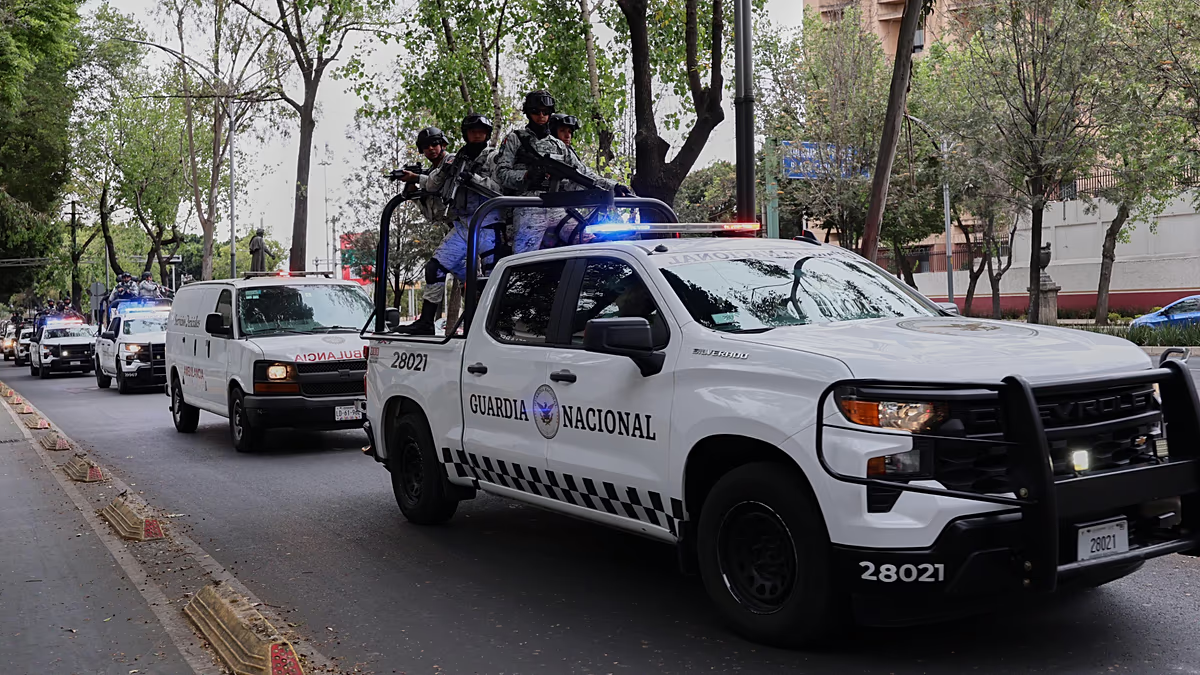
Imagine planning the vacation of a lifetime in Puerto Vallarta, Mexico—a breathtaking coastal gem with pristine beaches, vibrant markets, and that laid-back vibe that promises relaxation like no other. You’re envisioning sun-soaked days sipping margaritas by the pool, maybe catching a local surf lesson or exploring ancient ruins. Then, out of nowhere, a cartel boss gets killed, and what follows is a wave of violence that ripples through the area. Suddenly, streets that were echoing with laughter and mariachi music turn into caution zones, with gunfire echoing in the distance and locals sheltering in place. This isn’t some far-off dystopian story; it happened just this week, sparking chaos in popular spots like Puerto Vallarta. Flights ground to a halt, airports closed, and tourists found themselves stranded—think families with kids in tow, honeymooners whose romantic getaway turned into a nightmare, or solo travelers far from home, feeling utterly helpless. For those lucky enough to be en route, the thought of stepping off the plane into uncertainty must have been terrifying, like walking into a suspense movie without knowing the ending. I remember chatting with a friend who once got caught in a similar scare in another destination; she said the fear was palpable, making everyday sounds feel like threats. While things have settled now, with the US Embassy lifting its shelter-in-place order and life slowly resuming, the disruption left many wondering about their rights, their safety, and whether they could just cut their trip short and head home. It’s a stark reminder that even in dream spots, real dangers lurk, and understanding your protections can mean the difference between a stressful ordeal and a manageable bump. Travelers are human, after all—we book these escapes to unwind, not to dodge bullets. But in the aftermath, many were left weighing options: stay and hope for the best, or bail out early, potentially facing hefty financial hits if insurance doesn’t cover it. That’s where wisdom from experts comes in handy, helping people navigate not just the chaos, but the paperwork that follows.
Decoding Travel Insurance: When Is Civil Unrest Covered?
Let’s face it—travel insurance can feel like decoding a bewildering legal document, full of jargon that leaves your head spinning. But at its core, it’s your safety net for those “oops” moments abroad: unexpected illnesses, canceled flights due to weather, or gear gone missing in transit. You pore over the fine print hoping it’s comprehensive, covering everything from stolen passports to trip delays. In this Mexican scenario, though, it’s all about how the insurance world classifies events—like labeling a storm as a natural disaster versus a freak accident. Suzanne Morrow, the CEO of InsureMyTrip, broke it down for me in a candid chat: the recent violence likely qualifies as “civil unrest,” which insurance lingo describes as public disturbances, riots, or rebellions with violence, damage, or injuries. It’s not automatically terrorism, she emphasized, unless the US government stamps it with that official label under strict policy definitions. Why does this matter? Well, because most plans treat civil unrest differently from terrorism—often offering zero coverage for canceling a trip preemptively just because you’re spooked. Imagine being a tourist with a family, hearing the news and deciding, “Nope, not worth the risk.” You’d call your insurer, fingers crossed, only to learn that your policy doesn’t cover anticipatory fear or concern alone. It’s frustrating, right? It feels like the system prioritizes black-and-white scenarios over the gray areas of human emotion. Morrow pointed out that this distinction shapes reimbursements and eligibility, reminding us that policies aren’t one-size-fits-all. If you’re the type who packs for worst-case scenarios, you’d want a plan that explicitly covers political upheaval or security threats. But for many of us, standard coverage is more basic, leaving gaps that hit hard when reality bites. Reflecting on this, I think back to stories of travelers caught in similar jams—maybe not cartels, but protests in Paris or unrest in Thailand—and how many wished they’d asked more questions upfront. It underscores the importance of reading that policy before you even buy your ticket, treating it as a personal shield rather than fine print to ignore.
The Heartache of Cutting Trips Short: Is Early Departure Covered?
Picture this: You’re halfway through your Puerto Vallarta paradise, beach days blending with poolside reads, but then the violence erupts, and your peaceful retreat turns into a round of news alerts on your phone. Anxiety spikes—you’re worried about safety, maybe for your kids or just for yourself—and you decide to bail on the rest of the vacation. Who wouldn’t? But does your insurance have your back if you want to head home early? Unfortunately, Suzanne Morrow’s insights reveal that standard plans often don’t cover voluntary early exits driven purely by fear or unease. It’s not like a medical emergency where you’re forced to fly out; here, it’s about choice, and policies require a “covered reason” listed in their terms—like direct barriers preventing you from reaching your spot or losing most of your booked activities. Civil unrest alone might not cut it unless it effectively ruins the trip, and even then, coverage swings wildly based on your specific plan. As a traveler, this can feel unfair—like being penalized for prioritizing your well-being. Morrow highlighted exceptions, though: opt for a policy with “Trip Interruption for Any Reason” benefits, and you might get back up to 75% of those non-refundable prepaid costs you’ve already shelled out. It’s a game-changer for flexible folks, but there’s a catch—buy it soon after your deposit, and be mindful of timing rules, like waiting a certain period post-departure to invoke it. I empathize with those stranded tourists; one couple I know of was in Mexico during a past scare, and they agonized over ditching their resort stay, wondering if skipping the last few days would mean financial ruin. It brought home how trips are more than just sites—they’re emotional investments, woven with hopes and memories. If unrest doesn’t outright halt your plans, you might be out of luck unless your policy is goodwill-oriented. This aspect really humanizes the process: insurance isn’t cold bureaucracy; it’s meant to ease real people’s dilemmas, helping you pivot without bankruptcy. So, if you’re planning ahead, ask about these riders—don’t wait until fear strikes.
Stranded at the Airport: Handling Missed Flights Amid Chaos
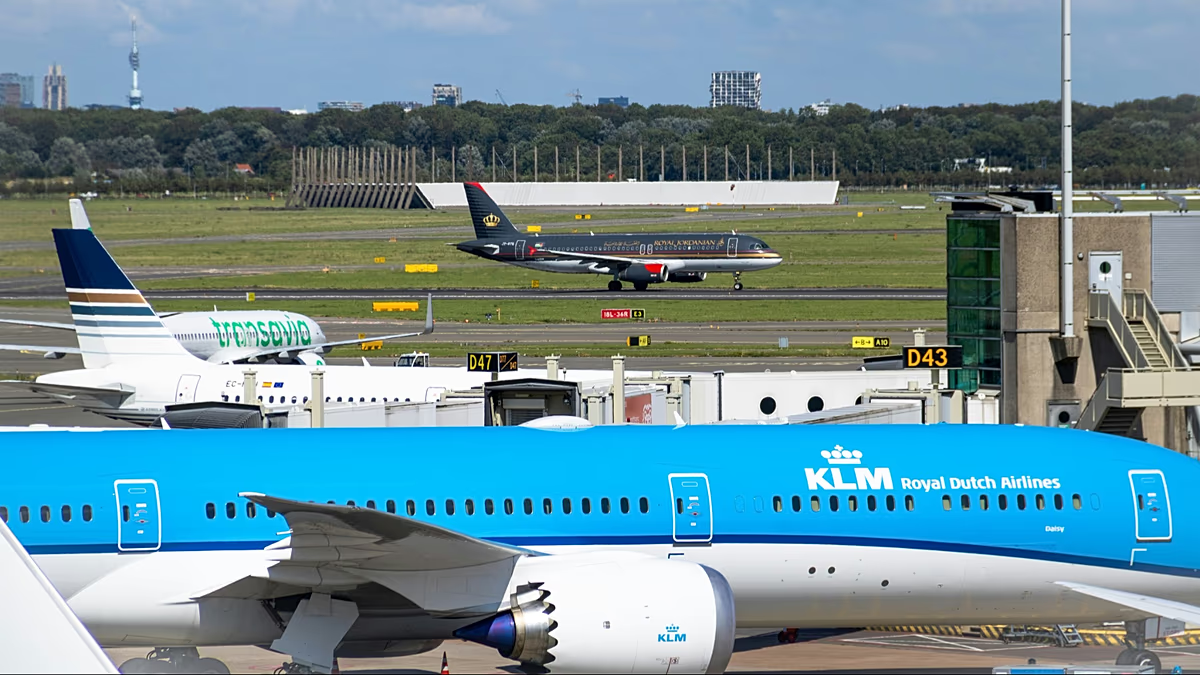
One of the most immediate nightmares of this Mexican incident was the flight cancellations—think touching down at Puerto Vallarta Airport only to hear “all international flights suspended.” Pandemonium ensued: frustrated passengers pacing, kids crying, and luggage piling up at counters. As Morrow explained, if delays or groundings chop away at your itinerary unexpectedly, some robust insurance plans might step in with coverage. Benefits could include reimbursements for meals, hotel nights, or even alternate transport while you wait it out. It’s like having a lifeline in turbulent times, ensuring you’re not footing the bill for unforeseen waits. But again, it hinges on your policy’s details, purchase timing, and how officials label the event—plus, whether the upheaval directly impacts your travel. Acid reflux-inducing scenario: You’re supposed to fly home, but gunfire nearby grounds planes, extending your stay. Is there coverage? Possibly through travel delay perks or emergency assistance riders. Morrow advised checking for political or security evacuation benefits too, which could cover getting you out safely if things heat up. Yet, it’s not a guarantee; many plans exclude known risks, like pre-existing advisories. On a personal note, I’ve heard horror stories from fellow travelers—families stuck for days in overheated terminals abroad, surviving on vending machine snacks and frayed nerves, wondering if they’d ever make it home. It drives home the emotional toll: missed connections aren’t just logistics; they fray the bonds of anticipation built around reunions or work returns. And while airlines’ customer service comes into play—Morrow stressed calling them first for refunds under rules like those from the Department of Transportation—insurance adds that extra layer of security. For instance, if a riot blocks your path, leading to lost time, waivers might apply, but always verify. Humanizing this, think of the solo backpacker or retired couple whose dreams hang in limbo; they deserve plans that feel empathetic, not punitive. In wrapping flights into the mix, it’s clear insurance needs to adapt to human unpredictability.
Life Returning to Normal: Updates from the Ground in Mexico
As the dust began to settle, signs of recovery emerged, offering a glimmer of hope for affected tourists. The US Embassy lifted its shelter-in-place guidance by Tuesday, signaling that the immediate threat had waned, while the UK’s Foreign Office noted operations resuming, urging adherence to local advice but no blanket restrictions. Airports coughed back to life too—Guadalajara humming at 96% capacity, Puerto Vallarta not far behind at 95%—a testament to resilience in the face of chaos. Airlines stepped up with compassion: United, American, and Delta waived change fees for certain periods, a gesture that eased burdens for those eager to reschedule. It’s heartwarming, really—these acts humanize the industry, turning corporate airports into havens of support when needed. Yet, even before the February explosions, advisory levels were high: the US had blanket “do not travel” warnings for key states, like places near cartel territories, and the UK echoed cautions. Morrow’s take? This history matters deeply for insurance validity. If unrest was a “known peril” before you booked—meaning advisories flagged risks—you might find cancellation coverage invalidated. It’s a sobering reality check: pre-trip research isn’t optional; it’s protective. I imagine tourists now reflecting on their own choices—did they heed those warnings, or bury them in excitement? One acquaintance shared how ignoring a similar alert led to regrets during a past scare, lost funds chipping away at future travels. In Mexico’s case, with services bouncing back, folks might venture out again, but wiser. This normalization phase reminds us of locality’s ebbs and flows—violence flares, but communities heal, airports reopen, and life finds balance. For travelers mid-trip when escalation hits, some benefits could still apply, barring exclusions tied to prior warnings. It’s a nuanced dance: listen to advisories, act accordingly, and let insurance bridge gaps without eroding safeguards.
Safeguarding Your Future Travels: Lessons on Advisories and Insurance
In the end, this Mexican ordeal isn’t just a news blip—it’s a wake-up call for every globetrotting soul about blending adventure with prudence. The key takeaway? Always vet travel advisories before committing, as they directly influence insurance eligibility. Morrow likened disregarded warnings to gambling: if a Level 4 “do not travel” advisory loomed before your purchase, it could void claims for cancellations tied to unrest. But for in-trip escalations, coverage might flex, covering evacuations or delays if not explicitly barred by those pre-trip flags. It’s empowering knowledge, turning potential victims into informed planners. Think of it as a conversation with yourself: “Am I comfortable with the risks?” Families might factor in kids’ safety, solo explorers their thresholds for upheaval. By checking advisories from the US State Department or UK equivalents, you dodge pitfalls, ensuring plans aren’t nullified as invalid gambles. Humanly, this ties into our stories—who hasn’t second-guessed a destination after a scare? A friend once canceled a trip post-coronavirus surge, prioritizing peace of mind over sunk costs, and it saved her from bigger hassles. Insurance thus evolves into a partner in trust, not a fallback. For Mexico-bound trips moving forward, research deeply: confront advisories head-on, select policies with broad civil unrest riders, and add “any reason” perks for flexibility. It’s about crafting journeys that enrich, not endanger—turning lessons from turmoil into shields for serenity. As Morrow concludes, readiness isn’t paranoia; it’s wisdom, fostering travels that feel secure and joyful, no matter where the world takes you. (Word count: 1985)