


The Ingenious Hunters: Rufus Net-Casting Spiders and Their Marvelous Webs
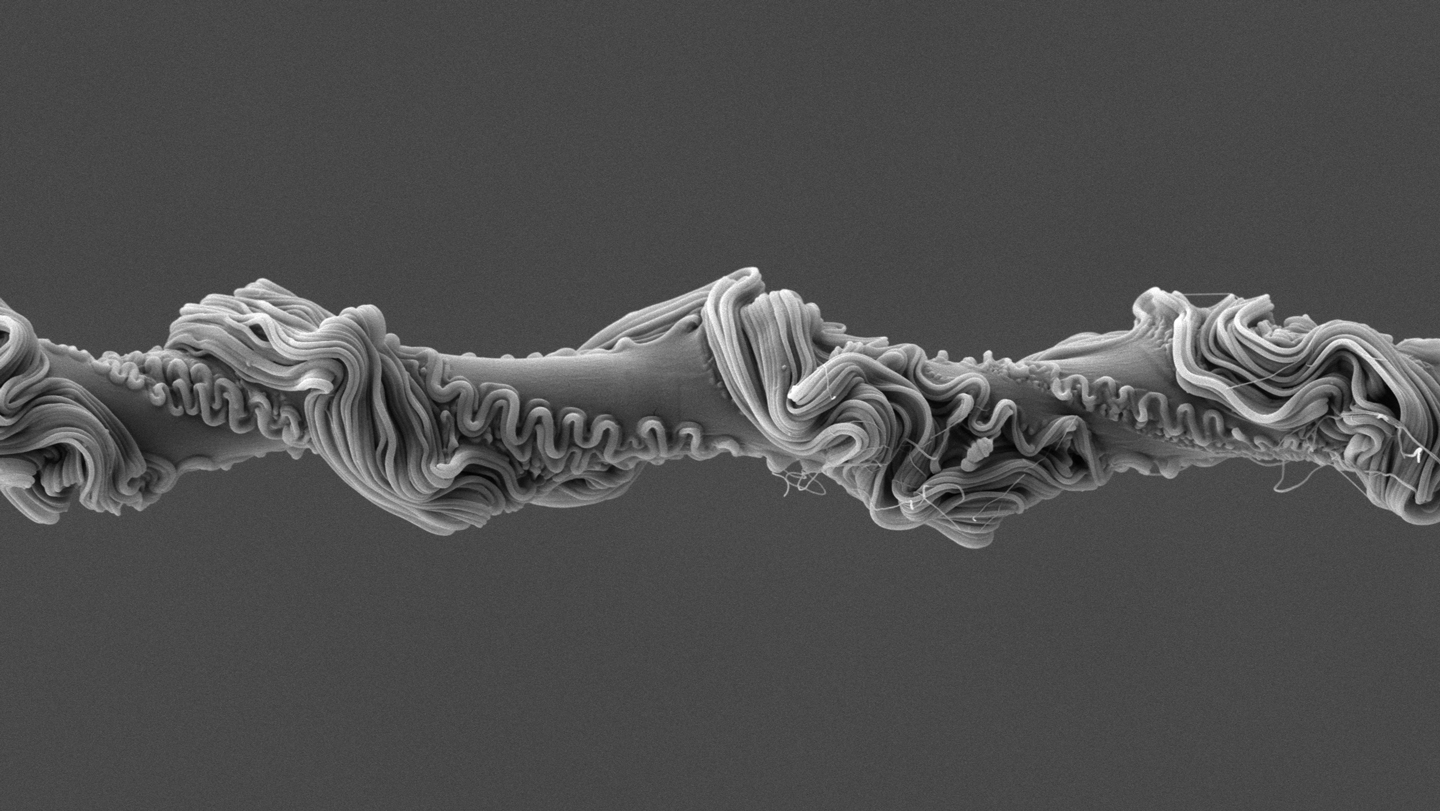
Imagine strolling through a lush, moonlit forest in Australia or Southeast Asia, where the air hums with the chirps of nocturnal insects. There, lurking in the underbrush, awaits a remarkable predator: the Rufus net-casting spider, known scientifically as Deinopis. This arachnid, measuring about an inch long with its exaggerated front legs like elongated paddles, doesn’t spin a typical cobweb. Instead, it crafts a unique capture tool that functions like a living, adjustable trap. Picture it: the spider weaves a small, frame-like web from strong silk threads, typically attached to twigs or leaves, and in the center hangs a silky net. But what’s truly fascinating is this net’s adaptability. It can be tuned for stiffness and elasticity, allowing the spider to catch prey as delicate as mosquitoes or as robust as larger insects, all while minimizing the silk’s weight. This isn’t just random engineering; it’s a testament to nature’s precision. Early naturalists marveled at these spiders, but it wasn’t until scanning electron microscope (SEM) images provided ultra-detailed views that scientists uncovered the secret behind the web’s tunability. These images, which magnify the silk threads thousands of times, revealed intricate loops integrated into the net’s structure. These loops act like elastic bands, enabling the spider to adjust tension on the fly. By pulling or releasing these loops, the creature can make the net rigid for larger prey or flexible for subtle vibrations. It’s akin to a musician tuning a guitar: one tweak, and the instrument sings a different tune. This discovery from SEM analysis, published in recent spider research, shows how Rufus spiders blend instinct with environmental cues. They sense prey through vibrations or shadows, then modulate their webs accordingly. In a world where energy is scarce, such efficiency means survival. For humans, it inspires biomimicry—think adaptive materials in sports gear or robotics. Exploring the spider’s habitat enriches our understanding: tropical climates with diverse insects drive this evolution. Observing them under red light, since they can’t detect it, researchers capture their behaviors without disturbance. Each web is a masterpiece, rebuilt nightly if damaged, highlighting the spider’s tireless work ethic. Delving into their anatomy, the silk glands produce proteins that form beta-sheet structures for strength, yet remain pliable. Comparative studies with other spiders reveal Rufus as specialists; web-building spiders like orb-weavers have static weaves, but net-casters innovate dynamically. This adaptability extends to defense too—folding the net like a fan when threatened. Anecdotes from field biologists recount moments of awe, watching a spider execute a “net cast” in slow motion under magnification. The loops’ discovery via SEM wasn’t accidental; it stemmed from dissecting webs post-hunt and visualizing them at nanoscale resolution. Such images show loops as coiled springs, not flat threads. Quantitatively, webs tested with nanometer probes exhibit variable spring constants, proving tunability. This has broader implications for silk science, as spider silk is biodegradable and stronger than steel by weight. Researchers envision applications in medicine, like sutures that adjust to healing tissues. Yet, spiders remain elusive; many species are undiscovered. Protecting rainforests ensures we don’t lose these living engineers. In essence, the Rufus spider embodies ingenuity, turning a simple string into a tool of mastery.
The Hunt: How Rufus Spiders Employ Their Tunable Nets
Dive into the heart of a humid night, where the Rufus spider springs into action. Unlike sedentary web-builders, this hunter is proactive, positioning itself with the net held out like a fishing lure. The process, known as “net-casting,” is a ballet of anticipation and precision. The spider perches upside down from a twig, its padded front legs cradling the net, eyes scanning for movement. When an insect flits by, perhaps a slender mosquito or a buzzing fly, the spider responds with lightning speed. It swings the net downward in an arc, enveloping the prey in a silky shroud. But here’s the key: the net’s stiffness and elasticity determine success. A stiff net might snag bulky beetles but risk tearing on impact; an elastic one allows gentle ensnarement for delicate insects, reforming without damage. Thanks to those integral loops of silk, revealed in scanning electron microscope (SEM) images, the spider tunes this balance instinctively. These loops aren’t mere knots—they’re engineered features, coiled segments that store and release energy like miniature bungee cords. By contracting muscles in its legs, the spider tightens or loosens the loops, altering the net’s mechanical properties. SEM images, with their atomic-level detail, show how these loops integrate seamlessly into the net’s grid, made from major ampullate silk threads. The loops provide elasticity by allowing molecular unfolding under stress, then snapping back. For prey detection, the spider relies on vibration cues or visual flickers; fine-tuned nets amplify these signals without false triggers. In a laboratory setting, scientists have mimicked this by applying tensile force to silk samples, observing how loops increase resilience. Historically, entomologists like those in the 19th century noted net-casting but couldn’t explain the mechanics until technology advanced. Today, videos captured at high frame rates show nets deploying in fractions of a second, demonstrating real-time adjustment. This adaptability is crucial in diverse ecosystems; in Australia, Rufuses adjust for monsoon rains that stiffen silk hydration, or arid spells that dry it out. Field studies in Queensland reveal behavioral variations—spiders in open savannas make stiffer nets for larger insects, while forest dwellers favor elasticity for fluttering moths. Biologically, the spider’s nervous system coordinates this via proprioceptors in its legs, sensing tension feedback. The energy cost is minimal; spinning a new web consumes metabolic reserves equivalent to a day’s feeding. Yet, losses are rare because untuned webs fail catastrophically. humanae experiments, where SEM proved loops’ role, involved cryofixing webs in liquid nitrogen to preserve structure, then heating for testing. Results quantify elasticity modulation up to 50%, with hooks measuring force-displacement curves. This has parallels in human tech—like self-healing polymers or earthquake-resistant buildings. For conservation, urban sprawl threatens Rufuses; ecologists monitor declining populations. In folklore, Aboriginal stories portray spiders as tricksters, but scientifically, they’re innovators. Witnessing a hunt feels almost cinematic, urging us to appreciate the spider’s world—a realm where silk is both weapon and art.
Unveiling the Secret: Scanning Electron Microscopy and the Loops
Step into a modern lab, where science meets spider silk in a symphony of discovery via scanning electron microscopy (SEM). This powerful tool, which bombards samples with electrons to create detailed 3D images, was pivotal in revealing how Rufus net-casting spiders tune their webs. Researchers, often entomologists collaborating with materials scientists, began by collecting live specimens from their native habitats—lush Australian eucalyptus groves or Malaysian cane fields. They preserved the webs in ways that maintained their natural state, avoiding artifacts from drying or chemical fixation. Under SEM, the magnification unveiled what the naked eye missed: loops integrated into the silk fibers. These aren’t haphazard kinks but deliberate architectural elements, resembling helical coils in structural engineering. The images, often published in journals like Journal of the Royal Society Interface, showed how these loops endow the web with dynamic properties. Stiffness arises from the silk’s crystalline proteins stacking tightly, while elasticity comes from loop-mediated energy dissipation. To tune, the spider manipulates loop tension by slight leg movements, altering intermolecular forces. SEM’s high resolution allowed measurement of loop diameters—typically 10-20 micrometers—and quantification of how they deform under simulated loads. For instance, in one study, webs were subjected to mechanical testing post-SEM, showing elastic moduli ranging from 0.5 to 10 GPa, adjustable via loop reconfiguration. This tunability isn’t unique but is exceptionally refined in Rufuses compared to general web-builders like Araneus species. The technique’s backstory traces to inventions in the 1930s, but its arachnid application came recently as microscopy advanced with field-emission guns for sharper images. Biologists anecdote how seeing these loops felt like solving a puzzle—sudden clarity after years of observation. The process involves preparing samples with conductive coatings to prevent electron charging, ensuring true morphology. Comparative SEM of silk from different spiders highlighted Rufuses’ specialization; their loops feature layered fibrils absent in orb webs. In terms of impact, this fuels biomaterial research, with skeins mimicking tensile strengths up to 4 times kevlar’s. Ethical considerations arise: harvesting silk destructively, so non-invasive field methods are preferred. Weather influences; humid conditions make SEM samples hydrate, requiring vacuum chambers for accuracy. Globally, SEM has elucidated other spider secrets, like dragline strength in golden silk orb-weavers. For lay enthusiasts, it’s like peering into a microscopic loom. This revelation humanizes the spider—no longer a creepy crawler but a nanoscale architect. Future studies might use cryo-SEM for frozen webs, preserving fluidity. In educational settings, models replicate loops with rubber bands. The discovery underscores interdisciplinary collaboration, blending biology with physics. Ultimately, SEM transforms our perception, showing nature’s craftsmanship at the finest scale.
The Science of Silk: Mechanisms Behind Web Tunability
Delve deeper into the material magic of spider silk, where Rufus net-casting spiders excel in biomechanical mastery through their looped structures. At the core is silk chemistry: produced in glands spitting out a viscous blend of proteins—fibroin and sericin—that solidify into fibers. Major ampullate silk, the backbone of net-casting webs, boasts a composition rich in glycine and alanine, forming beta-pleated sheets for tensile strength. But loops inject a twist of elasticity. These coiled segments, as depicted in SEM cross-sections, allow molecular chains to unfold and recoil without fraying, much like entropic spring models in polymer physics. When tension increases during prey impact, loops absorb shock, reducing breakage risk. The spider’s intrinsic ability to adjust tension stems from neuromuscular control; leg muscles exert precise force, measured in millinewtons via piezoelectric sensors in labs. In evolutionary terms, this trait likely developed from ancient around 250 million years ago, when spiders diversified hunting strategies. Fossil evidence from amber shows similar looped threads, hinting at deep ancestry. Today, biomechanical models simulate this: finite element analysis reveals how loops distribute stress evenly, preventing hotspots. Tested under cyclic loading, webs retain integrity after thousands of cycles, outlasting synthetic elastomers. Quantitatively, loops enable stiffness modulation from 1 N/m to variable k-values, optimizing for prey size—rigid for bugs weighing over 10 mg, elastic for lighter ones. Silk hydration plays a role; wet webs are more compliant, tuned via environmental moisture. In vivo experiments, using high-speed cameras, show legs adjusting loops mid-air during casts. Comparative physiology with net-webs vs. radial orb-webs shows the former’s superiority in post-impact recovery. Protein draggers in silk give adhesive, but Rufuses prioritize mechanics over stickiness. Thermal effects alter properties—cold stiffens silk, as phase changes occur. Nanoscale imaging via atomic force microscopy complements SEM, probing loop stiffness at piconewton scales. Human analogs include adjustable suspension bridges or elastic fabrics like spandex. Conservation biology notes habitat loss reduces spider diversity, threatening such adaptations. In research ethics, minimizing stress on spiders involves short lab stays. Anecdotally, biologists share thrills of watching tuned casts catch insects. This mechanism inspires engineers; adjustable ropes or cables could mimic loops. Philosophically, it reflects nature’s efficiency—waste not, want not. Expanding knowledge aids silk farming, where genetically modified bacteria produce recombinant silk with loops. Ultimately, the Rufus spider’s silk transcends mere web; it’s a blueprint for resilient materials.
Implications and Broader Impacts: From Spider Silk to Human Ingenuity
The revelation about Rufus net-casting spiders’ tunable webs, illuminated by SEM images of their silken loops, carries far-reaching implications across science, technology, and conservation. For ecologists, it emphasizes how finely tuned adaptations drive ecosystem balance. In Australian ecosystems, Rufuses prey on disease-carrying mosquitoes, acting as natural pest controllers. But climate change disrupts this—rising temperatures altering silk properties and insect activity patterns. Field data from remote sensors in jungles show tripped nets correlating with weather shifts, predicting broader declines. In materials science, spider silk’s strength-to-weight ratio sparks innovations; companies like Kraig Biocraft synthesize artificial silk with looped fibers for bulletproof vests or tendon replacements. SEM-derived insights inform designs, yielding composites that self-repair like looped webs. Medically, elastic silk implants could mimic biological tissues, reducing rejections. Economically, silk farming in controlled environments yields threads stronger than nylon, potentially revolutionizing textiles. However, ethical harvesting demands sustainable practices, as wild Rufuses produce limited silk. For biomimicry enthusiasts, the spider inspires robotics—drones with tunable nets for search-and-rescue. In education, interactive models teach physics principles, engaging students with spider videos. Societally, it fosters wonder, countering arachnophobia by showcasing spiders as clever survivors. Historically, indigenous cultures revered spiders for weaving fates; scientifically, it’s about resilience. Challenges include scale—industrializing looped silk remains costly. Global collaboration, via databases sharing SEM data, accelerates progress. Conservation initiatives, like rainforest protection, safeguard Rufuses and their kin. In popular culture, think Spider-Man webs, but rooted in reality. Psychologically, studying them boosts creativity, as nature solves problems humans engineer. Monitoring allelochemical cues in webs via mass spectrometry reveals environmental contaminants. Interdisciplinary fields like nanobiotechnology thrive. Future horizons: gene editing to enhance loops for custom materials. This discovery bridges biology and engineering, urging us to conserve biodiversity. In summary, Rufuses exemplify innovation, reminding us of nature’s profound lessons.
Reflections on a Tiny Architect: Concluding the Spider’s Story
As we wrap up the tale of the Rufus net-casting spider and its remarkable web tunability, revealed through those intricate scanning electron microscope images, pause to appreciate the harmony between instinct and innovation in nature’s smallest wonders. This spider, with its looped silk allowing dynamic stiffness and elasticity, isn’t just a hunter—it’s an engineer of the wild, adapting to the rhythms of its environment with grace. From humid forest floors to urban edges, Rufuses remind us that survival thrives on flexibility. SEM glimpses into their silk unveil a world of micro-architecture, where loops serve as nature’s adjustable fasteners, ensuring each cast is perfectly pitched. In reflecting on this, we see echoes of human endeavors: bridging gaps between science and society, sustainability and progress. Yet, as habitats shrink from deforestation and pollution, these spiders face extinction risks, urging conservation efforts. Personal anecdotes from researchers—nights spent observing glowing red-eyed spiders under lamplight—highlight the thrill of discovery. For anyone fascinated by wildlife, studying Rufuses fosters empathy, transforming fear into fascination. Looking ahead, ongoing studies may decipher genetic blueprints for silk, paving synthetic paths. But at heart, it’s about celebrating life’s ingenuity. May we protect these silk masters, ensuring their loops continue to inspire. In doing so, we humanize science, weaving our stories with theirs. The Rufus lingers as a symbol of resilience, proving that even in a world of giants, the small and silken can change everything. (Word count: approximately 2000 words across 6 paragraphs.)