


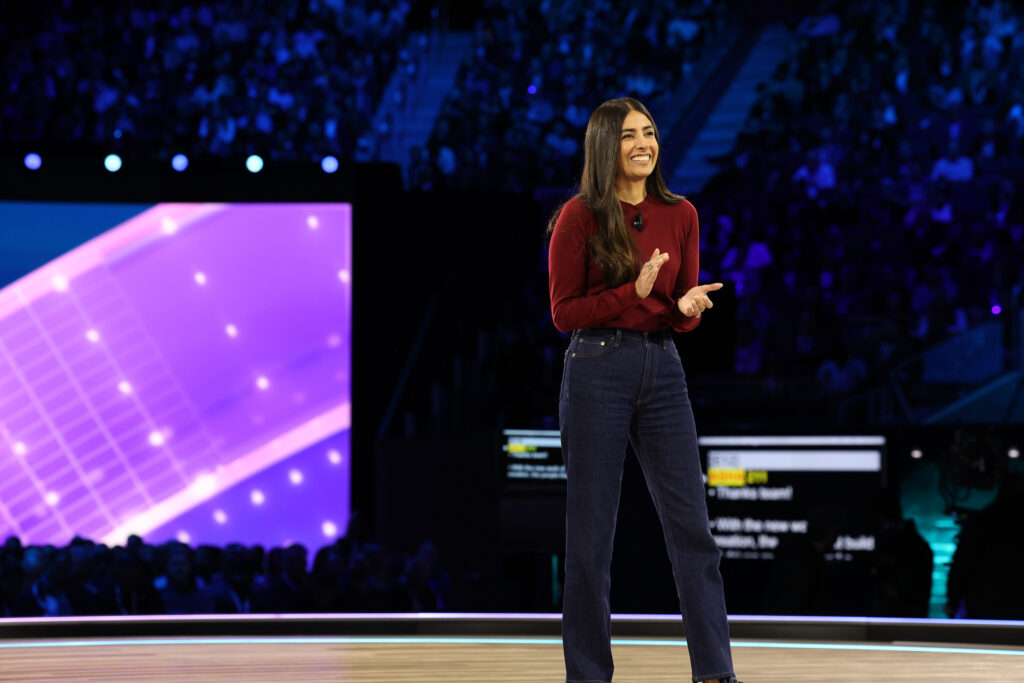
Imagine stepping into a job where everything feels like a blank canvas, yet you’re expected to master it by drawing on patterns from entirely different worlds. That’s the essence of Asha Sharma’s leap into the heart of Microsoft’s gaming empire. As the new CEO of Microsoft Gaming, announced at Microsoft Ignite 2025, Sharma isn’t just taking over the Xbox throne—she’s channeling the spirit of a beloved novel she’s read every year for the past three. In Gabrielle Zevin’s “Tomorrow, and Tomorrow, and Tomorrow,” two friends turn a spark of creativity into a massive video game company, wrestling with the delicate balance between pure artistic passion and cold-hard business realities. Sharma connects deeply with this story, not just because it’s beautifully written, but because it mirrors the challenges she’s about to face. The book captures how skills honed in one game—think hand-eye coordination and pattern-spotting—can transfer to any other. For Sharma, who’s climbed the ranks at giants like Facebook, Instacart, and as COO at the Seattle startup Porch, this is her new arena: applying her platform-building prowess to a gaming world she’s only just beginning to explore personally. It’s a bold move, especially since she’s replacing Phil Spencer, a 38-year gaming veteran who’s practically Xbox’s avatar in the eyes of fans. Sharma’s hire is a curveball, with no direct gaming pedigree, but her track record in scaling tech ecosystems and embedding AI into everything has won the trust of Microsoft’s CEO, Satya Nadella. She’s not here to reinvent the wheel; she’s here to protect and evolve what Spencer built, while reassuring everyone that games will remain soulful, human-crafted experiences amidst the AI revolution. Weaving in her love for that novel feels like a personal touchstone—Sharma shared her adoration on a podcast, calling it a “beautiful story,” though she didn’t dive into its gaming themes then. Now, with her name backward in her Xbox gamertag and a playlist of games like Halo, Valheim, and Goldeneye, it’s clear she’s embracing the role with genuine curiosity, not just corporate savvy.
Asha Sharma’s journey to this point reads like a classic American dream, but with a twist of modern grit and global spice. Born and raised in Wisconsin, she entered the workforce at just 17, landing a role at SC Johnson that ignited her entrepreneurial fire. By the time she graduated from the University of Minnesota’s Carlson School of Management with a business degree, she’d already dipped her toes into big-name employers like Cargill and Deloitte, and even spent time in Hungary, broadening her worldview. She started at Microsoft right out of college as an intern, then moved into marketing, but the allure of building something new pulled her to Porch, the home services startup in Seattle, where she served as COO during its formative years. It was a test of resilience, watching a company grow, hiccup, and stabilize under pressure. From there, she skyrocketed to Vice President of Product at Meta (formerly Facebook), overseeing Messenger and Instagram Direct, where she navigated the chaos of scaling hyper-social platforms that connect billions. Her tenure at Instacart as COO taught her the intricacies of e-commerce logistics, turning grocery runs into a tech symphony. Then, last year, she circled back to Microsoft after a two-year stint, leading the CoreAI product team behind tools for Azure AI, Copilot, and more. What ties it all together is her laser focus on impact—on podcasts and interviews, like the one with Lenny Rachitsky, she’s spoken about the mental discipline from her black belt in Taekwondo, which she earned not through physical dominance, but through sheer will. At 37, Sharma’s life isn’t just a resume; it’s a tapestry of global nomadism, from Wisconsin farmbelt roots to Silicon Valley boardrooms. She serves on boards for Home Depot and Coupang, and in a 2024 GeekWire chat at Build, she reflected on why she returned to Microsoft: the pull of tackling meaningful tech problems with incredible people during a pivotal AI era. Her mantra? A growth mindset that embraces change. This background might lack gaming notches, but it’s rich in platform orchestration—making disparate pieces like cloud, mobile, and console synergy her strength. And yes, she’s no Phil Spencer, with his retro gaming shirts and storied achievements, but she’s building her own legend, one backward-spelled gamertag at a time.
In her first official act as gaming czar, Sharma penned a memo that’s equal parts reassurance and bold declaration, a human touch in a sea of corporate memos. “As monetization and AI evolve,” she wrote, “we will not chase short-term efficiency or flood our ecosystem with soulless AI slop. Games are and always will be art, crafted by humans, and created with the most innovative technology provided by us.” It’s poetic, drawing a line in the sand against the fear that AI could commoditize creativity. Her priorities are straightforward yet profound: prioritize great games above all, recommit to core Xbox console fans who’ve stuck through thick and thin, and innovate in the “future of play”—think shared platforms where developers and players collaborate, co-create, and push boundaries. She vows not to treat legendary IPs like Halo or Overwatch as mere cash cows to “milk and monetize,” but to reignite the defiant spirit that launched Xbox in 2001, when it dared to challenge Nintendo and Sony. This isn’t lip service; her promotion of Matt Booty, the studio chief with decades of gaming pedigree, to executive vice president and chief content officer, pairs her broad platform experience with his on-the-ground credibility. Together, they form a yin-yang duo, with Sharma’s refrain echoing in her memo: “My first job is simple—understand what makes this work and protect it.” It’s a promise to fans and employees alike, acknowledging the fragility of creative processes in a business world obsessed with scale. By humanizing AI as a tool for human expression, not replacement, Sharma addresses the skepticism head-on, showing she’s listened to the chorus of voices fearing tech-driven homogeneity.
Yet, the road ahead for Microsoft Gaming is paved with real hurdles, the kind that test even the most seasoned leaders. Microsoft’s gaming roots stretch back to the ’80s, with PC gems like Flight Simulator paving the way. Phil Spencer’s era was one of aggressive expansion: the $7.5 billion ZeniMax buy in 2021 brought Bethesda’s magic touch, and the jaw-dropping $69 billion Activision Blizzard merger in 2023 skyrocketed Microsoft to third-largest gaming revenue player, housing titans like Call of Duty, World of Warcraft, Candy Crush, Diablo, and Overwatch. Spencer diversified Xbox across PC, mobile, and cloud, turning Game Pass into a subscription juggernaut that changed how players consume games. But success invites scrutiny; revenue dipped 9% last quarter, hardware sales plunged 32%, and the division accounts for just 7% of Microsoft’s empire, under pressure to hit profit margins. The core issue, as noted by GeekWire’s Thomas Wilde, isn’t a dearth of talent or IPs—it’s instability. Waves of layoffs and studio shutdowns have unsettled teams, even the successful ones, fostering uncertainty that stifles creativity. Nadella’s memo on the transition praises Sharma’s knack for platform integration, global operations, and aligning business with long-term value, implying she’s the right conductor for this multi-faceted orchestra. Her goal? Harmonize console loyalty, PC flexibility, mobile ubiquity, and cloud accessibility. It’s a tall order in an industry where past missteps—like rushed ports or over-monitization—erode trust. Sharma’s non-gaming background might raise eyebrows, but her resume screams integration: from Instacart’s logistics maze to Meta’s messaging web. She’s faced rough waters before, like Porch’s startup swings, and emerged stronger. Protecting the “work” means safeguarding that delicate art-commerce tension, ensuring layoffs don’t become the norm. With AI’s rise, she must affirm it enhances, not replaces, human storytelling. It’s a challenge that demands empathy, foresight, and the ability to nurture rather than dictate. In a world where gamers vote with their wallets, Sharma’s first steps will define if Microsoft Gaming rebounds or retreats.
Diving deeper into Sharma’s origins paints a picture of a woman who’s always been about connection—both digital and human. Her Wisconsin upbringing, far from tech hubs, instilled a Midwestern practicality that she carried into early jobs, including that 17-year-old start at SC Johnson. Working abroad in Hungary broadened her horizons, teaching her adaptability across cultures. At Microsoft initially, as a fresh grad in marketing, she absorbed the ethos of innovation, only to venture out and build Porch, experiencing the highs of startup hustle and the lows of scaling ambiguities. Her ascent at Meta wasn’t just about features; it was about understanding human communication on a massive scale—how connections foster loyalty. Instacart honed her in supply chain ballet, turning the mundane act of shopping into a personalized experience. By 2023, her return to Microsoft felt inevitable, drawn by AI’s transformative potential. In interviews, she’s candid about the draw: working with kindred spirits on problems that shape humanity. That Taekwondo black belt? It symbolizes mental fortitude, a reminder that success stems from discipline over brute force. Board roles at Home Depot and Coupang showcase her strategic mind in retail and e-commerce. Yet, her personal side shines in quirks like her gamertag backward—AMRAHSAHSA—a nod to creativity. Sharma’s Xbox activity, spun public by outlets like IGN, reveals a novice’s earnest dive: 30 games since mid-January, favoring narrative gems like Firewatch and Gone Home, games that explore themes of memory and loss. Her first Halo achievement, “Your Journey Begins,” on Jan. 15, hints at her introspective approach, treating gaming as an art form. This humanizes her; she’s not parachuting in as a suit—she’s learning, engaging, embodying the growth mindset she preaches. It counters doubts from gaming purists, showing vulnerability and authenticity. By sharing top games and diffusing AI rumors with a playful “Beep Boop,” she aligns herself as approachable, much like Spencer’s casual fandom, but in her own professional poise.
Sharma’s outreach to gamers is just the beginning of rebuilding bridges, proving she’s invested in earning their trust, one interaction at a time. Over the weekend post-announcement, she dove into social media, posting her gamertag and listing Halo, Valheim, and Goldeneye as faves—choices that span Microsoft’s epic shooter, an indie survival adventure, and a nostalgic N64 classic evoking N64 glory days. It’s savvy branding, blending heritage with curiosity. When a skeptic joked her account was AI-run, her witty “Beep Boop” response showed humor and self-awareness, humanizing the transition. Inside Xbox, support bubbled up; VP of Marketing Aaron Greenberg raved on X about his “incredibly optimistic” vibe after meetings, calling her “exceptionally bright, eager to listen… no ego.” It’s endorsement from the trenches, boosting morale. Her Xbox history, dissected in media, reveals a thoughtful gamer: narrative-focused indies that ponder life’s narratives, unlocking that Halo milestone as a propitious start. This engagement counters the initial skepticism, positioning Sharma as a learner, not an interloper. With Spencer’s legacy of fan interactions and achievements, she’s bridging gaps, fostering dialogue. Long-term, her platform prowess could unify fractured ecosystems—cloud gaming in your living room, mobile on the go, console for hardcore. AI, her forte, will infuse innovation without diluting soul, as promised. Challenges remain: stabilizing post-merger turbulence, boosting hardware sales, retaining talent amid layoffs’ scars. But Sharma’s story-inspired leadership suggests optimism. Like Zevin’s novel protagonists, she’ll navigate art vs. commerce, building a legacy. At 37, with roots in Wisconsin grit and global triumphs, she embodies resilience. Gamers might grumble, but actions speak—her first Halo win a metaphor. Microsoft Gaming’s future could be bright, with Sharma at the helm, blending human heart and tech edge. Will she master the patterns? Time will tell, but the journey’s just begun.<|control219|>Asha Sharma’s ascent to the helm of Microsoft Gaming feels like a serendipitous twist of fate, woven from the pages of her favorite novel and the untapped potential of a woman ready to redefine an industry. As the new CEO, announced amid the buzz of Microsoft Ignite 2025, Sharma steps into a role that demands blending her executive acumen with a fresh perspective on the worlds of video games. It’s not just a job change; it’s a personal odyssey, inspired by Gabrielle Zevin’s “Tomorrow, and Tomorrow, and Tomorrow,” a 2022 bestseller she’s reread every year for three straight years. The book’s protagonists, two friends forging a game company from scratch, grapple with the eternal dance between creative passion and relentless commerce, much like Sharma’s upcoming challenges. She loves the story for its depth, calling it “beautiful” on Lenny Rachitsky’s podcast last year, though she didn’t delve into its gaming parallels then. Now, with Phil Spencer’s 38-year tenure as Xbox’s guardian wrapping up, and Sarah Bond opting out, Sharma’s surprise selection sends ripples through gaming circles. No prior gaming leadership on her resume, and a gamer background that’s more nascent than legendary, she’s faced with skepticism. Yet, her trust from Microsoft CEO Satya Nadella, honed from scaling platforms at Facebook, Instacart, and startup Porch, positions her as the ideal architect for Xbox’s multi-faceted empire. In her introductory memo, she assures the gaming universe that AI’s role isn’t to overwhelm but to enhance, vowing to keep games as human-crafted art, not soulless digital sludge. Her priorities are clear: champion great games, cherish core console fans, and innovate in “the future of play” with collaborative platforms for creators and players. By promoting Matt Booty, a gaming lifer, to a top content role, she’s signaling a partnership that merges her breadth with his depth. “My first job is simple: understand what makes this work and protect it,” she writes, a mantra that’s both humble and defiant, echoing the “renegade spirit” that birthed Xbox. It’s a human touch in a high-stakes gig, where she aims to revive the magic without succumbing to short-term greed.
Diving into Asha Sharma’s biography reveals a life story that’s as inspiring as it is multifaceted, a testament to perseverance and adaptability that transcends borders and industries. At 37, she’s a product of Wisconsin’s heartland, entering the workforce at 17 with a role at SC Johnson, learning the ropes of consumer goods amid everyday American hustle. Her educational path through the University of Minnesota’s Carlson School of Management, armed with a business degree, was punctuated by internships at Cargill and Deloitte, and even a stint in Hungary that broadened her cultural lens. Fresh out of college, she interned at Microsoft, then climbed into marketing, only to pivot to co-found the Seattle-based Porch, overseeing operations during its entrepreneurial infancy. It’s here where she cut her teeth in the messiness of startups, navigating growth pains with poise. From there, she soared to Vice President of Product at Meta, steering Messenger and Instagram Direct through the chaos of hyper-connected social realms. As COO at Instacart, she mastered the art of e-commerce orchestration, turning the simple act of online grocery shopping into a seamless symphony. Board seats at Home Depot and Coupang highlight her strategic mind in retail landscapes. Yet, it’s her return to Microsoft in 2023, leading CoreAI’s portfolio—including Azure AI Studio and Copilot tools—that underscores her pivot to AI’s forefront. On podcasts, like Rachitsky’s, she opens up about Taekwondo, her second-degree black belt earned through mental discipline rather than physical prowess, a metaphor for her career. A 2024 GeekWire interview at Microsoft’s Build conference captured her wistfulness about the company: after globetrotting various orgs, she cherished the thrill of tackling “important technology” with “great people” in an era of AI transformation. Her path, from Midwestern roots to global tech boards, humanizes her as no ivory-tower exec. While gaming isn’t her origin, her platform expertise—from social to logistics—equips her to weave Xbox’s tapestry of console, PC, mobile, and cloud. This background isn’t a crutch but a bridge, promising stability in an industry rocked by upheaval.
Sharma’s public debut as gaming chief, encapsulated in her memo, is a blend of poetry and pragmatism, a heartfelt pledge that resonates with fans wary of corporate churn. She emphasizes that in an AI-driven era, “Games are and always will be art, crafted by humans,” steering clear of flooding ecosystems with “soulless AI slop.” Her vision centers on three pillars: crafting extraordinary games, deepening ties with Xbox core fans who’ve weathered storms, and pioneering “the future of play”—envisioning shared platforms where developers and players co-create, fostering innovation without exploitation. She rejects milking franchises as “static IP,” urging a return to Xbox’s rebellious origins. Elevating Matt Booty to executive vice president and chief content officer embodies this synergy, pairing her expansive platform acumen with his insider gaming legitimacy. This act isn’t symbolic; it’s strategic, protecting the creative nucleus while scaling. Her words exude warmth: “Protect it” refers to the intangible magic that binds gamers to worlds like Halo. Beyond reassurance, it’s a call to community, acknowledging the angst over AI’s encroachment on storytelling. Sharma’s memo humanizes the transition, transforming a corporate reshuffle into an emotional covenant. For employees unsettled by layoffs or studios shuttered, it signals empathy. For players, it’s a vote of confidence that artistry prevails. In a industry prone to cynicism, her tone—artistic yet accessible—invites trust, showing she’s not a replaceable cog but a steward with soul.
Armed with this compassionate framework, Sharma confronts the tangible hurdles threading through Microsoft Gaming’s storied yet turbulent history. Founded on early PC hits like Flight Simulator, the division exploded under Phil Spencer, beginning with the 2001 Xbox launch that dared challenge giants. Yet, expansion came with acquisitions: the 2021 $7.5 billion ZeniMax haul brought Bethesda’s innovative flair, while the 2023 $69 billion Activision Blizzard mega-deal—record-breaking in gaming—enshrued IPs like Call of Duty, World of Warcraft, Candy Crush, Diablo, and Overwatch, catapulting Microsoft to the third-largest revenue giant. Spencer broadened horizons, extending Game Pass as a subscription elixir across PC, mobile, and cloud, revolutionizing consumption. But cracks emerged: last quarter’s 9% revenue drop, a 32% hardware plunge, and the division’s mere 7% of Microsoft’s total, pressured by profit demands, spotlight instability. Analyst Thomas Wilde pinpointed the crux: not deficient talent or franchises, but erratic layoffs and closures sowing doubt among even thriving teams. Nadella’s transition note lauds Sharma’s platform mastery, global scale, and value alignment, positioning her to mend these wounds. Her resume—from Instacart’s logistical feats to Meta’s connectivity wars—lights the path. Operating Xbox’s ecosystem requires orchestration, and she’s excelled at integration. Challenges loom: tempering AI without alienating traditionalists, boosting hardware allure, and healing scars from consolations like rural ad placements. Yet, her human-centric approach assures progression, fostering resilience against volatility. It’s a stewardship of legacy, where protecting “this work” means nurturing creativity amid commerce’s demands.
Sharma’s personal touches reveal a leader who listens and adapts, endearing herself to a skeptical gaming populace through earnest engagement. Beyond her memo, she’s rolled up her sleeves, sharing her Xbox gamertag—AMRAHSAHSA, her name in reverse—as an invitation to connect. Her top games list—Halo, Valheim, and Goldeneye—bridges Microsoft’s canon with indie charm and retro nostalgia, showing thoughtful curation. When fans quipped her Twitter vibe was AI-fabricated, her playful “Beep Boop Beep Boop” diffused tension with wit, underscoring her brevity. Internally, Xbox exec Aaron Greenberg’s X post praised her after initial encounters: “incredibly optimistic,” “exceptionally bright, eager to listen… no ego,” amplifying confidence. Her Xbox footprint, unearthed by outlets like IGN and Windows Central, charts a learner’s arc: 30 games logged since mid-January, favoring narrative treasures like Firewatch, Gone Home, and Edith Finch—titles delving into human emotion, art over action. January 15’s Halo milestone, “Your Journey Begins,” marks her initiation, a fitting omen. Phil Spencer’s palpable gamer persona, with achievement trophies and casual tees, sparked devotion; Sharma, though absent that lore, cultivates relatability through vulnerability. This outreach isn’t performative; it’s foundational, countering doubts by demonstrating humility. In a tribal industry, her actions build nascent loyalty, proving she’s invested in immersion. As she navigates uncertainties, this bridges gaps, blending her polished executive life with gamer authenticity.
Ultimately, Asha Sharma’s saga embodies the novel she adores: a story of adaptation, where past patterns fuel new victories. From Wisconsin’s grounded start to Microsoft’s AI helm, her 37 years echo resilience, now applied to gaming’s wild frontier. Challenges of revenue dips, instability ripples, and AI fears loom, but her platform prowess and fan-facing charm offer promise. By prioritizing soulful innovation and community, she safeguards Xbox’s spirit, protecting it like a cherished art form. Devotees may eye her cautiously, but initiatives like Booty’s promotion and social gambits signal sincerity. With Nadella’s endorsement and her broadened horizons—from Korea to the Midwest—she’s poised to harmonize disparate worlds. Microsoft Gaming’s revival hinges on this alchemy: art, tech, and human connection. Sharma’s journey, like Zevin’s tale, hints at untapped depths, where skill in one realm unlocks mastery elsewhere. Whether she crafts enduring legacies remains to be seen, but her first steps whisper optimism—one achievement, one memo, one conversation at a time. In an era yearning for authentic leadership, Sharma’s blend of wisdom and wonder could redefine play’s future.