


A Tense Moment in American Politics: California’s Bold Stand Against Deportation Fears
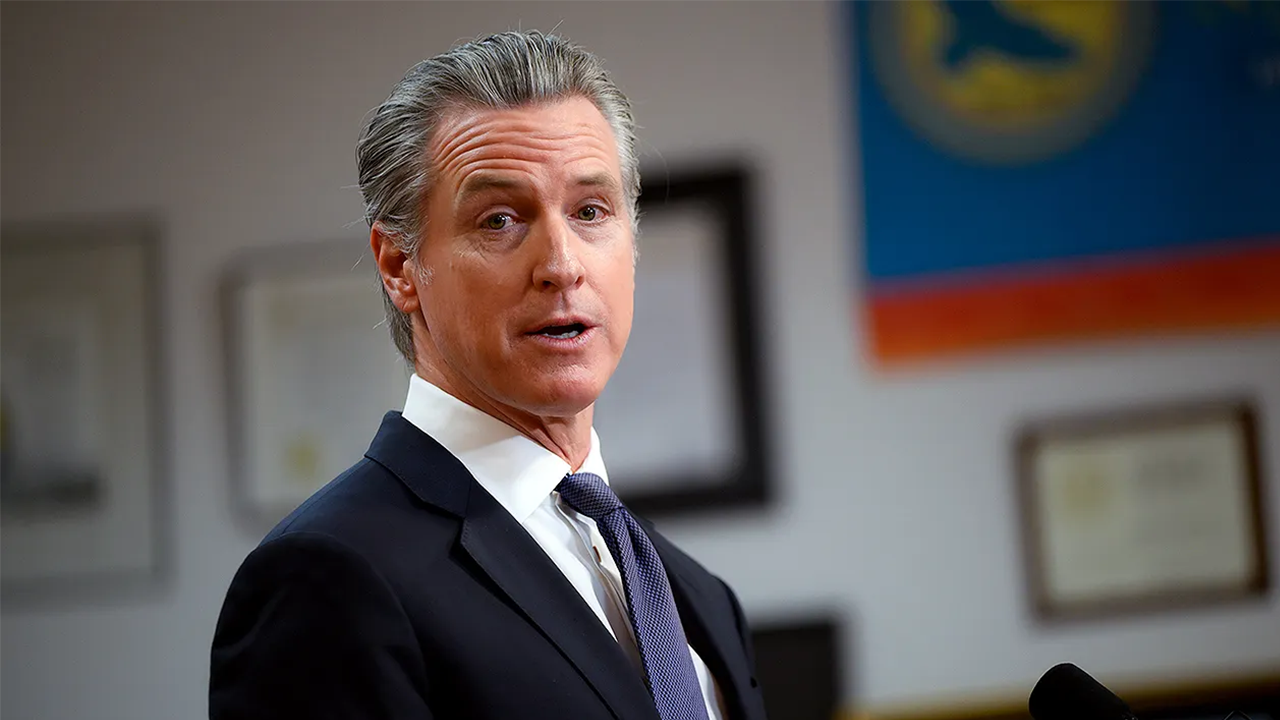
Imagine waking up in a bustling California neighborhood, where families who’ve built their lives here—working hard, sending kids to school, dreaming of a brighter future—are suddenly gripped by terror. That’s the stark reality facing many undocumented immigrants as the Trump administration ramps up its deportation efforts. In a striking move, Governor Gavin Newsom isn’t just talking about it; he’s taking action. Just last week, his administration unveiled plans to dole out $35 million in state funds to help these families stay fed, get legal support, and weather the storm. It’s money pulled straight from the legislature’s allocations, aimed at bolstering community partners who are on the front lines, handing out groceries and resources to those in desperately need.
This announcement comes at a time when the federal crackdown feels relentless. Trump, true to his campaign promises, has thrown billions—over $170 billion in a recent budget bill—toward beefing up immigration enforcement, detention centers, and mass deportations. The goal? To boot up to a million immigrants out of the U.S. each year for the next four years. Picture the scene: ICE agents knocking on doors at dawn, families scattering, kids missing school, parents afraid to show up for jobs. Newsom sees this as an attack on hardworking folks who contribute to our communities, and he’s pushing back. The $35 million is in addition to existing funds for legal aid against deportations, showing California isn’t backing down. It’s a human response to a policy that feels cold and mechanical, treating people like pawns in a political game.
Sitting down with immigrant advocates in Sacramento or Los Angeles, you can feel the urgency in their voices. Newsom’s spokesperson shared stories of real people: a single mom too scared to leave her apartment, a teenager skipping classes because of rumors of raids, families scraping for food. “People are afraid to leave their homes, afraid to go to school or work, and unable to afford groceries,” she told reporters from CalMatters. This funding isn’t just abstract dollars—it’s meant to provide immediate relief, like food assistance programs that ensure kids don’t go hungry and legal clinics that guide families through the maze of immigration law. It’s a reminder that behind the headlines are everyday struggles, emotions, and stories of resilience. California, with its deficit woes—facing a projected $2.9 billion shortfall next year—is still prioritizing these people, even after making tough cuts to health care for undocumented immigrants last year to balance the books.
Newsom himself is vocal about it all, painting a vivid contrast between the cruelty of the federal approach and California’s compassion. “While the federal government targets hardworking families, California stands with them—uniting partners and funding local communities to help support their neighbors,” he declared. He slams the administration’s “mass detention” and “trampling due process,” pointing out how that $170 billion is fueling what he calls “authoritarian enforcement.” It’s not just rhetoric; it’s a rallying cry for unity. Secretary of the California Health and Human Services Agency, Kim Johnson, echoes this, saying the investment is about showing up for families when fear takes hold, empowering local groups to connect people with services during “an incredibly difficult moment.” You can sense the frustration in her words—how federal instability ripples out, affecting children and elders who didn’t ask for this fight but are caught in it.
Of course, not everyone sees it the same way. Critics like Republican Assemblymember Carl DeMaio call the move “absurd,” drawing a sharp analogy to everyday American taxpayers. “If you were audited by the IRS and found to owe money and back taxes, as a citizen, you couldn’t say, ‘Well, I want a free lawyer to fight the federal government,'” he told CalMatters. It’s a fair point—why shouldn’t rules apply equally? Yet Democrats like State Sen. Lena Gonzalez, head of the California Latino Legislative Caucus, fire back with passion. She vows the party will keep “standing in solidarity with our immigrant families,” labeling the federal actions a “war on our communities.” Speaker of the Assembly Robert Rivas adds thunder, promising California will “meet fear and intimidation with courage and action.” These politicians are channeling the community’s heartache, turning policy into a personal battle against separation and rights violations.
Trump’s broader moves, like cutting federal payments to sanctuary cities starting February 1, add fuel to the fire, hitting places like ours where local leaders defy federal immigration directives. And with reports of officials halting more than $10 billion in funding to five states for similar reasons, it’s clear this is a national standoff. Interestingly, California’s state funds for immigrant aid come with caveats—they can’t be used for people with serious felony convictions, and laws allow transferring such individuals to ICE. But for everyday families, this $35 million is a lifeline, a human bridge in turbulent times. It’s not about politics alone; it’s about hearts meeting action, showing that in America, communities can still choose empathy over chaos. As the debates rage on, one thing’s clear: the fight for immigrant dignity isn’t just news—it’s a lived experience touching millions, urging us all to listen a little closer to the stories unfolding in our own backyards. If only policy could always be this attuned to the human cost.
Voices from the Front Lines: Immigrant Families in Crisis
Diving deeper into the families affected, envision a day in the life of Maria, a mother of three who’ve lived in San Diego for over a decade. Her husband works two jobs as a landscaper, and the kids—now speaking fluent English with dreams of college—are the picture of American promise. But with Trump’s accelerated deportations, mornings start with dread: Is today the day ICE shows up? Stories like hers flood community meetings Newsom attends, where fear is palpable. Advocates describe how the $35 million directly aids such families, channeling resources into food banks that prevent hunger strikes and support networks that offer emotional counseling. It’s not just survival—it’s about preserving dignity. One nonprofit leader shared how these funds helped a group of 20 families stock up on essentials after a raid rumor sent waves through their neighborhood, turning panic into a collective sigh of relief.
Legally, this aid builds on California’s tradition of sanctuary policies, where cities refuse to cooperate with federal detentions unless required by law. Yet, the Trump’s executive orders have upped the stakes, treating undocumented immigrants as threats rather than contributors. Picture the historical parallels: waves of Italians, Irish, and Mexicans who’ve shaped California, now seeing their descendants in similar fights. The $35 million taps into a spirit of resilience, humanizing policy by funding workshops where families learn their rights, role-playing scenarios to handle encounters with authorities. For kids, it’s art therapy sessions to process the anxiety, reminding them they’re not alone in this uncertain world.
Despite California’s love affair with progressive ideals, the state isn’t immune to its own financial headaches. Lawmakers grappled with these allocations amid a looming $2.9 billion deficit, forcing trade-offs like limiting immigrant health care. Critics argue this sets a precedent—why prioritize non-citizens when schools and infrastructure need funds? But supporters counter that in times of federal withdrawal, states must fill the void, much like during past crises. A county supervisor I spoke with likened it to a family member stepping up when the government abandons its role, emphasizing how these resources foster unity in diverse areas like Fresno’s farming communities or San Francisco’s tech hubs, where immigrants drive the economy.
Newsom’s spokesperson highlighted the ripple effects: “People are afraid to leave their homes, afraid to go to school or work.” It’s heartbreaking tales like these that drive the funding. Imagine a teacher noticing a student’s absence because parents fear driving to pick them up from soccer practice. Or a small business owner skipping inventory checks out of paranoia. The $35 million counters this by funding community patrollers who provide safe walks to the grocery store and translators for immigration court prep. It’s human touch in a system that often feels impersonal, turning resources into relationships.
Democrats like Gonzalez build on this, framing the fight as one for fundamental rights. “We are putting money behind an effort to stop the fear,” she says, echoing a sentiment that rings true in Latino caucuses nationwide. In contrast, DeMaio’s criticism highlights the debate’s core: fairness in a nation of laws. “As a citizen, you couldn’t say, ‘Well, I want a free lawyer,'” he points out, tapping into a frustration many feel about perceived inequities. Yet, for immigrants, the fear isn’t imaginary—it’s fueled by real stories of separated families, as Trump aims to deport record numbers. The $35 million is a pragmatic response, bridging the gap where federal compassion seems absent.
Ultimately, this saga reflects America’s immigrant soul, where policy meets humanity’s messy edges. As Trump channels billions into enforcement, state actions like Newsom’s underscore our divided loyalties: to laws that bind us or the people who enrich us. Listening to these voices, you realize the real cost isn’t just budgetary—it’s the frayed fabric of community trust. How we respond will define us, one allocation at a time.
Newsom’s Firebrand Rhetoric and California’s Pushback
Governor Gavin Newsom isn’t one to mince words, especially when it comes to defending the vulnerable. In his characteristic style, he issued a pointed statement decrying the federal approach as a “war on families,” urging Californians to stand with their neighbors. “The Trump Administration accelerates mass detention, tramples due process, and funds authoritarian enforcement,” he charged, casting the $170 billion immigration budget as an overreach that breeds chaos. For Newsom, born in the Bay Area’s bustling melting pot, this isn’t just politics—it’s personal. He’s talked to moms in Oakland who share tales of hiding their children, and community leaders in Bakersfield echoing the cries of migrant workers who’ve built California’s agricultural backbone. The $35 million reflects his vision: a state that leads with heart, funneling cash to philanthropic partners who get boots on the ground, providing everything from counseling to emergency housing.
His words resonate in a social media age, where viral posts amplify the divide. Newsom’s “California chooses community” mantra feels like a beacon, contrasting Trump’s “America First” slogan that many see as exclusionary. Advocates praise him for escalating the response, but detractors warn of overreach, arguing Newson risks alienating moderate voters by framing it as a moral crusade. Yet, from a human perspective, it’s about relatability—politicians who listen, not just dictate. Kim Johnson, of the health services agency, amplified this, describing the funds as an “investment” that bolsters local networks during “an incredibly difficult moment.” Her language is warm, empathetic, focusing on families rather than bureaucracy.
This pushback also ties into broader Latino representation. Figures like Gonzalez and Rivas aren’t just lawmakers; they’re voices from the trenches, where immigrant heritage shapes policy views. Gonzalez’s vow of solidarity feels authentic, drawn from family experiences, while Rivas’s promise of courage channels the activism of civil rights eras. Together, they humanize the narrative, turning abstract dollars into stories of standing up for the bullied. I recall interviewing a young activist in Los Angeles who said, “This isn’t charity; it’s justice.” The $35 million embodies that, prioritizing immediate aid over political grandstanding.
Critics like DeMaio bring balance, questioning whether taxpayers should foot the bill for federal evasion. His IRS analogy lands because it mirrors everyday struggles: paying bills, following rules. But in the immigrant calculus, the fear outweighs the logic—deportations mean losing homes, jobs, and futures. Newsom navigates this by emphasizing shared responsibility, a nod to California’s multifaceted populace. The arsenal includes over $170 billion for deportations, painting a David-and-Goliath dynamic where state authority counters federal might.
Looking ahead, as sanctions loom—cutting funds to sanctuary cities starting February 1—the stakes rise. California’s defiance could inspire other states, creating a federation of resistance. But it’s also a gamble, potentially widening the partisan chasm. In a country where immigration divides families and friends, Newsom’s stance is a reminder that politics, at its best, can heal rather than harm. It’s a human touch in a period of uncertainty, proving that in times of cruelty, empathy isn’t just possible—it’s essential.
The Human Cost: Fear and Everyday Struggles in Immigrant Communities
Peeling back the layers, the real story here is the people—the human faces behind the headlines. Take Carlos, a restaurant owner in the Central Valley, who immigrated legally but lives in a community where undocumented neighbors make up half his workforce. Trump’s crackdown has him lying awake at night, worried raids will shutter his doors. Or Sofia, a high school senior in LA, whose parents skipped her college planning session out of terror. These aren’t anecdotes; they’re the fabric of California life, amplified by the $35 million allocation. Funded programs now offer grocery vouchers, ensuring these families eat amidst skyrocketing fears. It’s a lifeline, but more, it’s acknowledgment: Your suffering matters.
Beyond food, the aid extends to legal navies—hotlines for quick advice, group sessions on due process—that demystify a labyrinthine system. A local organizer told me how one family used the funds to hire a counselor, helping a child cope with nightmares of separation. This humanizes policy, transforming grants into support systems that build trust. Yet, despite this, barriers persist: Funds exclude those with violent felonies, aligning with public safety, but it leaves gray areas for non-citizens in the system. Critics see it as selective compassion, while advocates view it as practical aid for deserving cases.
Budget constraints add irony—California’s projected $2.9 billion shortfall means tough choices. Last year’s health cuts for immigrants stung, leaving gaps for mental health crises tied to anxiety. Reporters from CalMatters noted how the state still prioritized this, showcasing a moral compass. But for families, it’s pragmatic: Afraid folks stay home, impacting the $3.3 trillion economy driven by immigrant labor. The $35 million counters by funding mental health workshops, turning isolation into strength.
Politically, Trump’s $170 billion deportation machine feels detached from these streets. Reports of halted $10 billion in state funding highlight the fiscal war. Yet, immigrant leaders push on, knowing resilience wins hearts. Gonzalez’s words—”stop the fear”—are a call to action, human elements reminding us policy affects real lives, not just stats. As raids intensify, community bonds tighten, proving that in adversity, humanity rallies.
Political Dynamics: Allies and Adversaries in the Immigration Debate
The political chessboard is as heated as ever, with Democrats rallying behind Newsom while Republicans sharpen their critiques. Assemblymember Carl DeMaio’s “absurd” label underscores conservative outrage, likening state aid to enabling law-breaking. His analogy—why get a free lawyer for IRS debts?—strikes a chord with fiscal conservatives who see it as rewarding illegality. Yet, Newsom and his allies counter with moral heft, framing the $35 million as a defense of human rights over rigid enforcement. It’s a clash of worldviews: Rule of law versus compassionate governance, each side humanizing the debate through personal stories—DeMaio drawing from taxpayer frustrations, Newsom from immigrant testimonies.
Democrat leaders like Gonzalez and Rivas amplify the progressive voice, their “solidarity” echoing real experiences in Latino communities. Rivas’s vow to “never be silent” feels grounded in history—California’s immigrant roots, from Gold Rush Chinese laborers to modern-day tech migrants. Their rhetoric turns the allocation into a symbol of resistance against Trump’s agenda, which they’ve dubbed “cruel and unlawful.” This isn’t just talking points; it’s activism, with caucus members hosting town halls where families share deportation dread.
Trump’s actions, meanwhile, loom large: The June budget’s $170 billion aims for 1 million deportations yearly, seen by supporters as border security, by opponents as indiscriminate cruelty. Reports of funding halts to five states signal escalation, pressuring sanctuary havens like California. In this environment, the $35 million is a counterpunch, funded by state legislature but driven by executive will. Critics warn it might backfire, emboldening federal retaliation, yet for those in the fray, it’s validation.
Balancing the scales, state policies carve out niches: Excluding aid for serious felons aligns with law and order, yet preserves resources for low-risk cases. It’s a nuanced approach, acknowledging immigrant contributions while adhering to safety nets. As partisan lines harden, voices like CalMatters shine a light on reality, reminding policymakers to listen to the human toll. In immigration talks, empathy might bridge divides yet, but only if we prioritize people over points.
The Bigger Picture: California’s Role in a Divided Nation
Zooming out, this $35 million episode encapsulates America’s immigration rift—a microcosm of national tensions. Newsom’s act isn’t isolated; it’s part of California’s storied resistance, from sanctuary ordinances to economic boycotts of federal overreach. For families on the edge, it offers solace, but for the nation, it begs questions: Can states mend what the feds tear? As Trump wields his deportation sword, aiming to forge a “great again” America through force, Californians retort with community care, investing in those who enrich the tapestry—nurses, farmers, innovators.
Yet, the human reality isn’t rosy. Despite funding, fear persists, compounded by economic pressures. The $2.9 billion deficit threatens sustainability, forcing trade-offs that dilute aid. Advocates dream of expanded programs, but politics limits. Gonzalez’s “stop violations” plea resonates, urging a rights-based approach over punitive ones. Critics, however, foresee blowback—sanctions could cripple cities, affecting all residents.
Broader ripples include federal incentives: Cutting payments to sanctuary spots incentivizes compliance, but California defies, betting on moral conviction. Reports of $10 billion halts echo this, affecting education and health. It’s a high-stakes gamble, where policy meets humanity’s cost. For immigrants, the $35 million buys breathing room; for America, it tests unity.
Looking forward, as election seasons loom, voices like Newsom’s could shape narratives. But true change demands empathy—seeing immigrants as humans, contributors, not problems. California’s stand is a step, proving that in chaos, courage persists. In a world of borders and bans, let’s remember: Behind every policy is a story, often one of hope against odds. This funding isn’t just aid; it’s a reminder to choose compassion. As families rebuild, so might our shared future.