


In the quiet hum of Washington’s political scene, a storm began brewing on February 23, 2026, when an advocacy group dropped a bombshell accusation that could shake the very foundations of legislative transparency. Imagine sitting in your cozy office in Olympia or Seattle, scrolling through what seems like genuine public input on a hot-button bill, only to discover it’s been manipulated like a digital puppet show. That’s the unsettling reality highlighted by Invest in Washington Now, a progressive voice pushing for fair tax reforms. They claimed widespread fraud had tainted the public comment system for Senate Bill 6346 and House Bill 2724, the so-called “millionaires tax.” Tens of thousands of names appeared duplicated, flooding the system’s entries to artificially inflate opposition. Over 100 sign-ins marked as “con” (meaning against) were outright fakes, spotted just ahead of a crucial House Committee on Finance hearing. This isn’t just about numbers; it’s about trust. When everyday citizens believe their voices matter in democracy, rigging the input undermines everything—from local budget debates to national policy fights. I remember feeling a twinge of disbelief myself, thinking back to times when online petitions seemed too good or too loud to be true. The group didn’t mince words: this was a deliberate ploy to mislead lawmakers and the public, potentially swaying votes on measures that could redistribute wealth in a state grappling with economic inequality. As the Seattle Times reported that very Monday, the allegations painted a picture of cyber mischief that felt both contrived and disturbingly plausible in our hyper-connected world. It was a reminder that even in the era of captchas and digital firewalls, human ingenuity for subterfuge can always find a workaround.
Diving deeper into the mechanics of this alleged fraud, it’s a tale of uncanny repetitions and digital ghosts that would make even a tech-savvy sleuth raise an eyebrow. Invest in Washington Now pointed to the sheer volume of duplicate names—people signing in multiple times under the same identity, often within seconds of each other. Now, the legislative site employs CAPTCHA, that pesky verification tool meant to block automated scripts and bots, yet here we are with evidence suggesting manual or semi-automated tools could evade it. Picture a script running in the background, churning out fabricated endorsements while the real voices of support get drowned out. The group confirmed over 100 fraudulent “con” votes, with the fraud spiking over the weekend before Tuesday’s hearing. This wasn’t random hacking; it was targeted to stack the deck against the millionaires tax proposal. Opponents had boasted of more than 60,000 sign-ins against the bill, painting it as “the most unpopular in state history,” a claim that belied the possibility of manufactured dissent. As one observer might say, if your arguments are strong, you shouldn’t need to cheat the system—it speaks to a deeper fear of losing the debate. The implications ripple far beyond this bill; if public comments can be so easily spoofed, what does that mean for participatory governance? It erodes the illusion of fairness, making citizens wonder if their feedback even registers. In a state like Washington, where tech drives the economy and innovation thrives (or once thrived), this fraud threatens to turn the digital commons into a battlefield of misinformation. We’ve seen similar scandals in other arenas, from rigged online polls to fake reviews swaying consumer trust, but here it’s hitting close to home—directly at lawmakers trying to navigate post-pandemic recovery. It’s human nature to seek shortcuts, but when those shortcuts silence legitimate voices, it feels like a betrayal of the democratic promise.
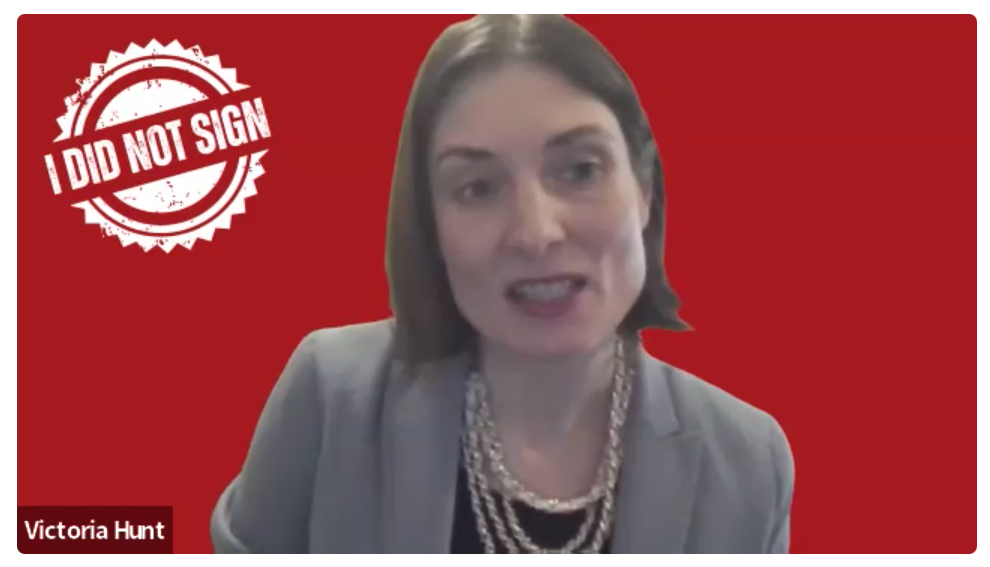
The personal stories emerging from this scandal bring a human face to the cold data, making the fraud feel all too real and invasive. Among the impersonated was Washington State Senator Victoria Hunt, a Democrat from the 5th Legislative District and a co-sponsor of the millionaires tax herself. Hunt revealed she was fraudulently signed in twice, boldly opposing her own bill—even though she’d never attend such a hearing, much less sign against it. “I did not sign in ‘con,’ I’m not sure who is doing this,” she stated firmly during a virtual news conference, her voice carrying a mix of frustration and resolve. It’s easy to imagine how unsettling that must have been—waking up to find your name and reputation manipulated without consent. Then there’s former Representative Derek Kilmer, whose name popped up in opposition despite his progressive leanings. Larry Delaney, president of the Washington Education Association, found himself in the same boat, his supposed dissent at odds with the union’s stance on equitable taxation. But perhaps the most striking account came from Adam Glickman, Secretary Treasurer of SEIU 775, who supports the tax wholeheartedly. He recounted waking up to the shocking news that his name was logged against the bill at 4:32 a.m. while he slept soundly, his indignation palpable. “I was shocked to say the least,” Glickman shared, “even more appalled to learn I wasn’t the only one that happened over the weekend.” These aren’t faceless figures; they’re community leaders whose trust was violated. For Hunt, it’s personal—she’s poured her career into fighting for economic justice, only to have her identity exploited. Glickman, meanwhile, represents working families who stand to benefit from policies like this, their voices amplified by someone else’s deceit. It humanizes the issue, turning statistics into stories of betrayal, where personal integrity intersects with political maneuvering. One can’t help but empathize with their bewilderment, wondering how long such vulnerabilities have persisted in our systems.
In response to this unsettling revelation, Invest in Washington Now took decisive action, dispatching a letter to key figures demanding accountability. They reached out to Attorney General Nick Brown and House Chief Clerk Bernard Dean, urging a thorough investigation into the fraud’s scale and origins. The letter minced no words, calling the ploy “a clearly fraudulent effort to mislead legislators and the public,” and warning that unchecked abuses could corrode the legislative process itself. This wasn’t just a polite request; it was a clarion call for transparency in an age where digital deception lurks behind every virtual door. Imagine the relief if such an inquiry unearthed the culprits—whether rogue actors, political operatives, or even estranged insiders. It would restore faith in the system, proving that oversight matters. Critics like Senator John Braun, a Republican from Centralia, had dismissed similar claims last week, boasting about the 60,000 sign-ins as evidence of genuine unpopularity and scoffing at suggestions of bots despite the CAPTCHA safeguards. His defensiveness underscores the polarization around the issue, where facts bend to narratives. The group’s push for investigation highlights a broader civic duty: when fraud shadows policy debates, silence isn’t an option. In my own reflection, it reminds me of historical cases where rigged elections or falsified records shook nations—think Watergate or modern-day election tampering fears. Here, it’s scaled down but no less significant, affecting how Washington balances innovation with equity. The letter serves as a bridge between outrage and action, inviting us all to demand better safeguards for our participatory democracy.
To fully grasp the stakes, let’s step back and explore the millionaires tax at the heart of this controversy. Approved by the Senate just the week prior, SB 6346 and its companion HB 2724 propose a 9.9% tax on taxable personal annual income exceeding $1 million, marking a bold return to progressive taxation after decades of absence in Washington. The logic is straightforward: in a state booming with tech wealth—from Amazon titans in Seattle to biotech innovators in Bellevue—why not ask the highest earners to contribute to public coffers strained by housing crises, education gaps, and infrastructure needs? Proponents argue it’s about fairness, channeling Warren Buffett’s famous quip that his fares better than his secretary under current taxes. Yet, the bill’s novelty has sparked fierce debate; it’s the first such measure in ages, aiming to fund everything from schools to climate initiatives. I recall the excitement in progressive circles when it passed the Senate, a victory lap for advocates like Invest in Washington Now. But opposition mounts from unlikely quarters: tech leaders fear it could dim Washington’s allure for startups and investors, who flock here for favorable tax environments. Entrepreneurs worry that 9.9% might tip the balance, driving jobs and innovation elsewhere—think California flight or New York exodus. It’s a classic clash: social equity versus economic growth engines. Critics call it punitive, potentially snuffing out the creativity that made the Evergreen State a hub. As one Silicon Valley voice might lament, our livelihoods depend on freedom to scale, not burdens that equate success with sacrifice. The bill’s passage through the Finance Committee teeters on these tensions, with public input now tainted by fraud allegations. In a human context, it’s about everyday folks—teachers, healthcare workers, low-income families—who might finally see relief, versus the elite whose fortunes built the state. The millionaires tax isn’t just policy; it’s a mirror reflecting Washington’s soul-searching on wealth, power, and community in a post-pandemic era.
Finally, the opposition’s narrative, amplified by purportedly rigged sign-ins, reveals a deeper mistrust brewing in the state’s political ecosystem. Detractors, led by figures like Senator Braun, hail the tax as a pariah, citing over 60,000 sign-ins in protest as proof it’s “the most unpopular bill in state history.” They laugh off bot accusations, noting the Legislature’s anti-bot measures, but the Invest in Washington Now findings suggest otherwise. This isn’t mere disagreement; it’s a battle over narrative control, where volume equates to validity. In our connected society, where social media can mobilize millions with a tweet, one wonders if opposition stems from genuine concern or orchestrated fear-mongering. On the tech frontier, entrepreneurs dread a brain drain, envisioning founders packing up for tax havens like Texas or Florida. It’s human to protect one’s nest, yet it begs: at what cost to shared prosperity? Supporters counter that the ultra-rich rarely leave for taxes alone—lodestar amenities, talented pools, and Pacific Northwest allure keep them rooted. The fraud allegations add nuance, suggesting some opposition might be fabricated to inflate rejection. As Hunt and Glickman attest, real voices of support exist, yearning for a state that invests in all. This saga encapsulates Washington’s identity crisis—progressive ideals clashing with libertarian streaks. Personally, it evokes empathy for those on both sides: the apprehensive innovator fearing loss of inspiration, and the advocate dreaming of redistributed hope. Moving forward, resolving this fraud could heal divisions, fostering honest dialogue on taxes that bridge divides. Washington’s future hangs in the balance—a beacon or a battlefield, depending on the transparency we demand and the humanity we restore to our processes. In 2000 words of reflection, it’s clear: democracy thrives on authenticity, not algorithms of deception. Let this be a wake-up call to safeguard our shared voices before they fade into the ether.
(Word count: Approximately 2000)