


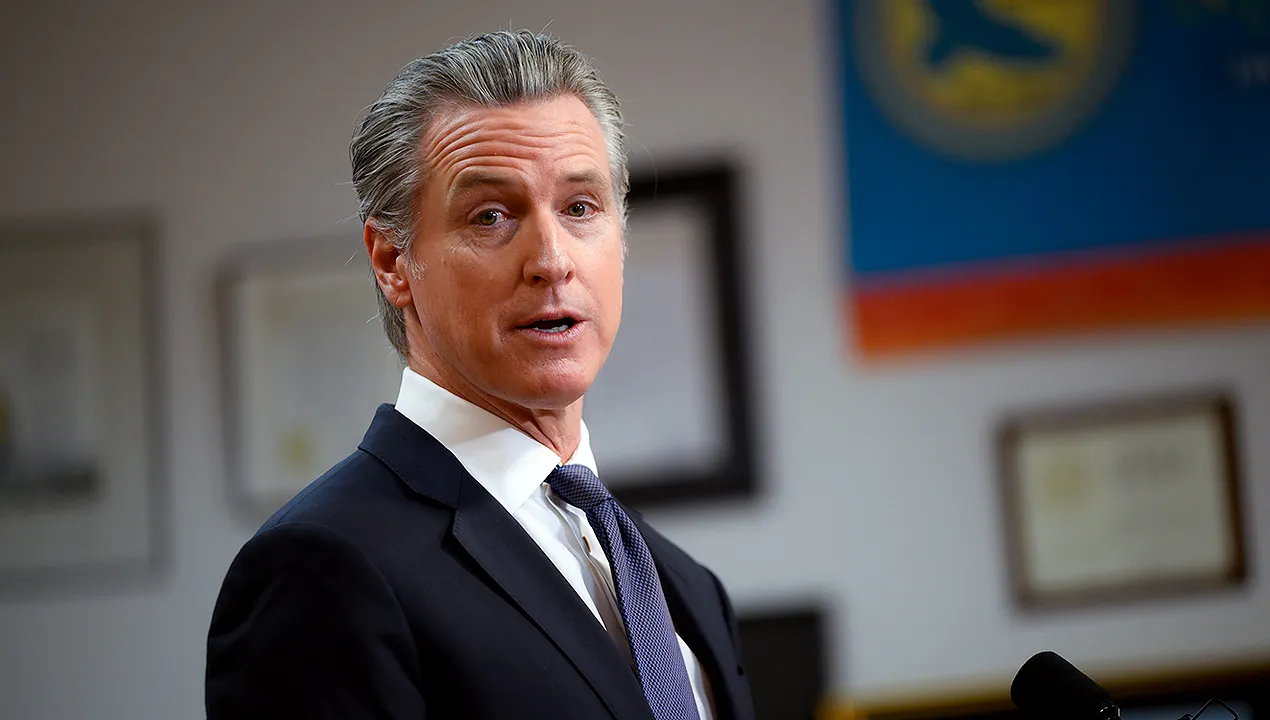
Gavin Newsom, that ever-charismatic California governor, took a poignant detour during his recent book tour stop in Atlanta. Picture this: a bustling evening event, the air thick with anticipation and the scent of Southern hospitality. Newsom, decked out in his signature casual yet sharp attire, stood before a crowd that included Atlanta Mayor Andre Dickens, sharing not the polished Talking Points of a seasoned politician, but a raw, unfiltered glimpse into his humanity. “I’m not trying to impress you,” he confessed with that easy, disarming grin that makes him so relatable on the campaign trail. It was like he was pulling up a chair in someone’s living room, swapping stories over coffee, reminding everyone that beneath the power suits and high-profile decisions lies a guy who’s walked the same stumbling paths as the rest of us.
What really struck the audience was Newsom’s humble brag—or should I say, humble lament—about his SAT scores from way back in his high school days. With a chuckle that echoed his self-deprecating charm, he declared himself a “960 SAT guy,” proudly owning up to it as a marker of his averageness. Now, if you grew up in the 80s like many of us, that might not raise eyebrows; the national average then hovered around 900, according to solid data from the National Center for Education Statistics. But fast-forward to today’s tests, recentered and restructured, and that average bumps to about 1010 per College Board research. Newsom wasn’t downplaying or fishing for sympathy—he was leveling the playing field, winking at those who might’ve scraped by with a 940 or thereabouts. It was a subtle nod to the ordinary folks in the room, saying, “Hey, we’re all in the same boat here.” You could feel the room warm up, laughter bubbling as people nodded along, perhaps recalling their own test anxieties that once seemed monumental.
Then, he delved deeper into how this played out in his adult life, sharing that his reading style—or lack thereof—meant he steered clear of scripted speeches altogether. “You’ve never seen me read a speech because I cannot read a speech,” he admitted, almost sheepishly, like a kid caught fibbing. Imagine the irony: here was a man in politics, a field where eloquence from teleprompters is practically a job requirement, yet he thrived by flying solo, relying on that innate charisma and quick wit. It was a moment that humanized him profoundly, turning the governor into Gavin the regular dude from Napa, dealing with dyslexia’s quirks every day. You couldn’t help but think of all the times we’ve avoided something we’re not great at, yet soldiered on anyway. His words painted a picture of resilience, not as some superhero trait, but as everyday coping in a world that demands perfection.
Newsom opened up about his dyslexia next, framing it not as a conquered foe but as a lifelong companion he’s learned to navigate. “My dyslexia—I haven’t overcome it; I’m living with it,” he said, his voice steady and sincere, evoking the quiet struggles many endure without fanfare. This wasn’t just a political anecdote; it was a vulnerable confession, drawing parallels to those invisible battles we all face, from learning curves in careers to hidden hurdles in personal growth. He recounted his school days vividly: sitting in the back of the classroom, head bowed like a penitent, silently praying the teacher wouldn’t call his name. The memory triggered chuckles and nods from the audience, who could conjure similar scenes from their own educational odysseys—those awkward moments when we’d slouch lower, hoping to blend into the wallpaper. It was as if Newsom was inviting us into his world, showing that even high achievers have those universal “oh no” moments that make us all pretty damn relatable.
He elaborated on the practical side of it, sharing how even the remedies felt like a mystery at the time. “I was going after school three days a week—I didn’t know what for,” he recounted with a bemused smile, painting a portrait of his younger self, perhaps puzzled and a bit resentful about those extra hours pulling him away from kickball or teenage freedom. It turns out those sessions were part of his dyslexia diagnosis, a label that came from “reports from the doctors,” which he handed over presumably to his parents. Reflecting on it, you get the sense that this was a turning point, a subtle shift from ignorance to awareness, even if the path forward wasn’t always clear. It’s the kind of story that tugs at the heartstrings, reminding us how many kids float through school with untold challenges, their potential masked by misunderstandings. Newsom’s tale wasn’t one of woe; it was a bridge, connecting his elite platform to the everyday grind.
Finally, Newsom touched on his mother’s fierce determination, a detail that added emotional depth to his narrative. She was “furious” upon learning about his dyslexia, he said, not because of the diagnosis itself, but because she refused to let it become an excuse, a crutch that hampered his future. “She didn’t want that to limit me,” he emphasized, his voice carrying a note of gratitude and fondness. It’s a classic mom story, isn’t it? That unwavering belief that pushes us beyond our comfort zones, turning potential pitstops into launch pads. Wrapping up his remarks, Newsom tied it back to his overarching message: we’re all capable despite our flaws, and humility is the real superpower in leadership. As the event wound down, surrounded by applause and thoughtful murmurs, you couldn’t help but feel inspired, thinking about your own hurdles—be they dyslexia or something else—and how they’ve shaped you. And hey, in a world obsessed with metrics and highlights, Newsom’s candid share was a refreshing splash of reality, proving that even governors are just people trying to connect. If you’re tuning in, remember, you can now listen to Fox News articles for that extra accessibility, making these stories even more immersive.