


Solana Company Expands Footprint with Massive Asia-Pacific Infrastructure Push
In a bold move to solidify its position in the burgeoning world of blockchain technology, Solana Company (ticker: HSDT) has announced plans to construct a cutting-edge high-speed network spanning the Asia-Pacific region. This ambitious initiative aims to bolster the Solana blockchain’s capabilities while diversifying the company’s revenue sources in a market hungry for innovation. As cryptocurrencies continue to mature from niche investments into mainstream financial tools, companies like Solana Company are racing to build the infrastructure that can handle the explosive growth. The Asia-Pacific region, with its rapidly expanding digital economies in places like South Korea, Japan, Singapore, and Hong Kong, represents a prime target for such developments. By focusing here, Solana Company is not just responding to local demand but positioning itself at the forefront of global crypto adoption.
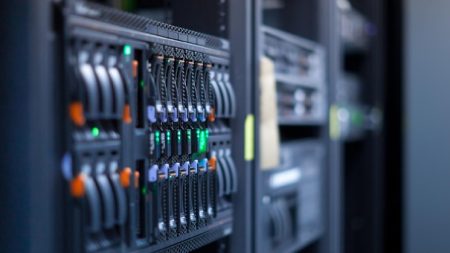
The project, christened the “Pacific Backbone,” will weave a low-latency cluster connecting major hubs in Seoul, Tokyo, Singapore, and Hong Kong. This isn’t just about wiring up distant cities; it’s a strategic effort to enhance the efficiency of core Solana functions such as staking, validation, and trading services. Staking, for instance, involves locking up cryptocurrency to support the blockchain’s operations and earn rewards, much like earning interest on a traditional savings account, but with far higher potential returns. Validation ensures the integrity of transactions, preventing fraud and maintaining the network’s reliability. Trading services, on the other hand, cater to the fast-paced world of digital exchanges where split-second decisions can make or break fortunes. By optimizing these for the Asia-Pacific’s time-sensitive markets, Solana Company is addressing a critical bottleneck in blockchain scalability. The low-latency design means minimal delays, which is crucial in a region where financial hubs operate around the clock and demand instantaneous execution.
Targeting Institutional Giants in a Booming Crypto Hub
What truly sets this initiative apart is its laser focus on institutional demand, transforming the Asia-Pacific into a hotspot for crypto adoption, cross-border payments, and digital asset development. Traditional financial institutions are increasingly eyeing blockchain technologies not as threats, but as tools to streamline global operations. For example, firms dealing in international remittances can leverage Solana’s speed to reduce costs and improve security, bypassing outdated systems laden with fees and intermediaries. Market makers, who provide liquidity to trading platforms, and high-frequency traders, who rely on algorithmic strategies for rapid profits, stand to gain immensely from this enhanced infrastructure. Solana Company emphasizes accessibility and reliability, making its platform a compliant haven for banks, hedge funds, and other regulated entities. This shift isn’t happening in a vacuum; the Asia-Pacific has seen a surge in regulatory frameworks from countries like Singapore’s progressive crypto policies to Hong Kong’s ambitions in becoming a global Web3 hub. By aligning with these trends, Solana Company is not only diversifying its offerings but also fostering greater trust in decentralized technologies.
Future-Proofing with DeFi Innovations and Product Launches
Looking ahead, the company has outlined a roadmap that promises to elevate Solana’s ecosystem to new heights. Construction on the Pacific Backbone will kick off immediately, with an eye toward performance optimizations and additional product launches over the next 12 to 18 months. These include a suite of DeFi tools—decentralized finance applications that operate without intermediaries—liquid staking services for flexible investment options, automated market makers to improve price discovery on exchanges, and execution services tailored for traditional finance firms dipping their toes into the crypto world. Imagine a hedge fund manager who can seamlessly stake assets, trade across borders, and access liquidity pools without navigating a labyrinth of third-party providers. This level of integration is poised to attract a wave of institutional players, potentially reshaping how finance operates in the region. Experts in the field, such as blockchain analysts at firms like Messari, have long pointed out that accessibility is the key to mass adoption, and Solana Company’s proactive approach could set a precedent for others. As DeFi matures, these tools could democratize finance, giving smaller investors the same powerful tools once reserved for Wall Street elites.
CEO’s Vision for Solana’s ‘Next Super Cycle’
At the helm of this ambitious undertaking is Joseph Chee, Solana Company’s CEO, whose commentary underscores the strategic foresight driving the project. In remarks that echo the infectious optimism of Silicon Valley visionaries, Chee described the expansion as preparation for Solana’s “next super cycle”—a period of unprecedented growth fueled by increased adoption, technological leaps, and favorable market conditions. By reducing reliance on external service providers, Solana Company aims to cut down on latency issues that have plagued other networks, ensuring smoother, faster operations. More importantly, the initiative prioritizes regulatory compliance, addressing one of the biggest hurdles in institutional crypto: trust in a space often marred by volatility and uncertainty. Chee’s vision isn’t just about technical upgrades; it’s about building a robust ecosystem that can withstand global economic shifts. This sentiment resonates in a time when even giants like Ripple and Stellar are innovating to bridge traditional and digital finance, highlighting the competitive edge Solana now seeks to sharpen.
Performance Metrics and Market Positioning
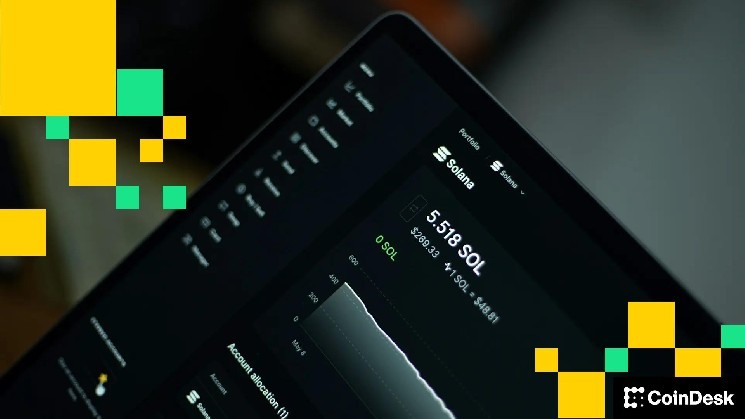
To grasp the scale of Solana Company’s operations, consider the blockchain’s raw power: processing over 3,500 transactions per second, a figure that dwarfs many competitors and supports millions of daily active wallets. This throughput is a testament to Solana’s hybrid proof-of-stake and proof-of-history consensus mechanism, which ensures efficiency without sacrificing security. Solana Company itself holds the distinction of being the second-largest Solana treasury firm, boasting 2.3 million SOL tokens valued at over $180 million. Such assets provide a financial buffer and underscore its deep commitment to the network. However, the road ahead is fraught with challenges, as evidenced by today’s market turbulence. Solana Company’s shares have dipped 13.3% to $1.76 in trading, amid a broader crypto downturn. Solana’s native token has slid nearly 6% in the past 24 hours, while Bitcoin, the market leader, is down more than 4%. These fluctuations reflect external pressures like regulatory scrutiny in the U.S. and inflationary concerns worldwide. Despite this, analysts argue that long-term players like Solana Company are better positioned for recovery, with their focus on infrastructure boding well for sustained growth.
Seeking Clarity Amid Market Shifts
As Solana Company embarks on this transformative journey, questions linger about the implementation and broader implications. CoinDesk has attempted to contact the company for additional insights, but no response has been received at press time. In an industry where transparency can make or break reputations, such initiatives must deliver on their promises to maintain investor confidence. The Pacific Backbone could very well catalyze a new era for blockchain in the Asia-Pacific, drawing parallels to how transatlantic cables revolutionized global communication in the 19th century. Yet, with geopolitical tensions and cyber threats on the rise, the project’s success hinges on robust security measures and international cooperation. As financial regulators in the region ramp up oversight, companies that prioritize compliance—like Solana Company—may emerge as leaders. In the end, this isn’t just about infrastructure; it’s about reimagining how we transact, trade, and build in a digital age. Whether this push marks the dawn of Solana’s super cycle remains to be seen, but the stakes couldn’t be higher in this ever-evolving landscape.