


The Unexpected Descent into Chaos
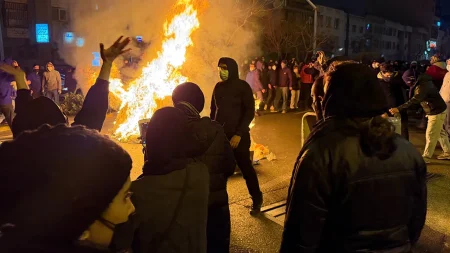
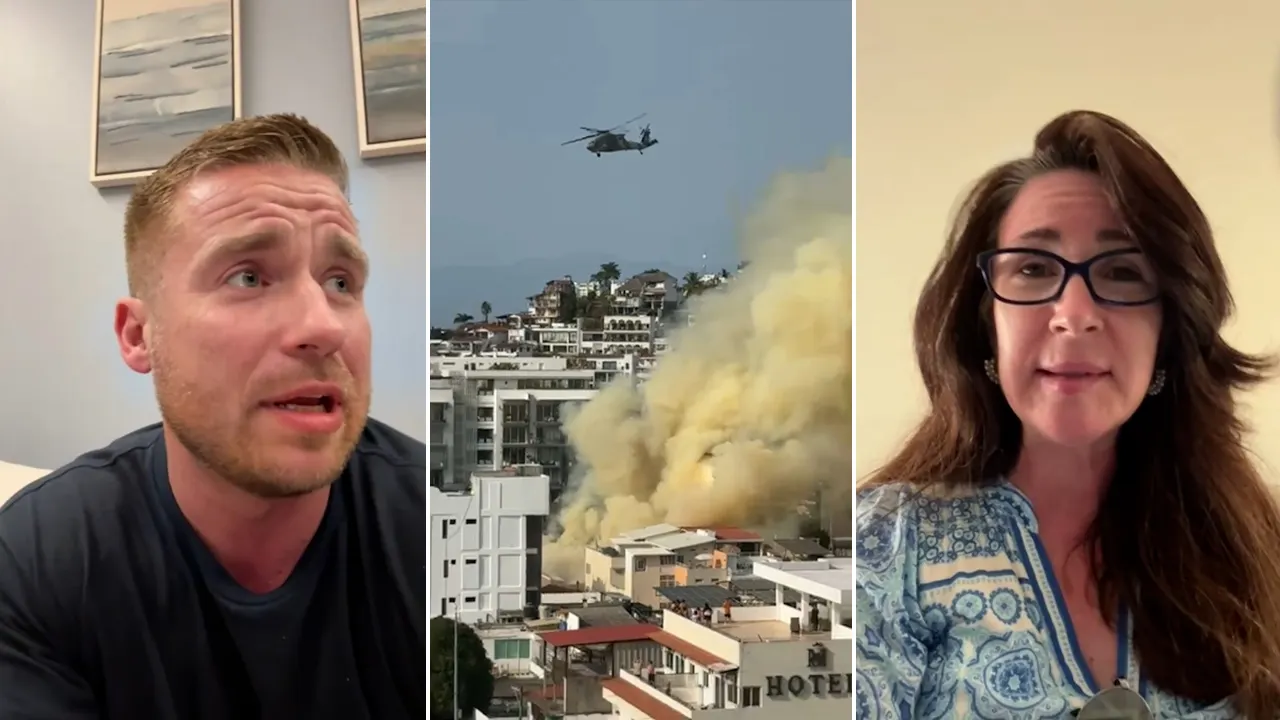
As the sun rose over Puerto Vallarta on that fateful day, the vibrant veneer of a tropical paradise shattered for countless American tourists who had flown thousands of miles to escape the stresses of daily life. News of the military operation that ended the life of Nemesio Oseguera, the notorious drug lord known as “El Mencho,” had rippled across Mexico, igniting a furious backlash from his cartel lieutenants. Flights grounded, roads barricaded, shelter-in-place advisories blared from every screen and speaker—what was meant to be a leisurely getaway turned into an unsettling standoff between lawlessness and authority. Tourists, many of whom had never ventured beyond comfort zones, found themselves huddled in hotel lobbies or peering through curtains at a city transforming into a war zone. Picture the families with young children, their laughter now muffled by fear, or the couples celebrating anniversaries, their romantic dinners interrupted by the distant roar of armored vehicles. It was a stark reminder that exotic destinations, often painted as idyllic oases, can harbor shadows of global conflicts. As looting erupted and fires blazed, witnesses recounted scenes that echoed apocalyptic films: blackened husks of vehicles littering streets, stores stripped bare by opportunistic thrieves, and an eerie silence punctuated only by military choppers patrolling overhead. Ponce, a 52-year-old retiree from Florida who had come with his grandkids, described the atmosphere as “a bad dream I couldn’t wake up from.” He held his trembling granddaughter close, explaining to her that this wasn’t like the exciting movies they watched, assuring her that good people were working to make it right. Similarly, Maria, a 34-year-old teacher from Texas, bore witness to groups of locals breaking into supermarkets, not just out of desperation, but fueled by the anarchy unleashed after the leader’s fall. These ordinary folks, thrust into peril through no fault of their own, adapted with a resilience born from the human spirit’s refusal to succumb. Airlines scrambled to issue refunds, yet many travelers were left stranded, their suitcases unpacked and dreams deferred. The chaos humanized the headlines, transforming distant reports of cartel violence into deeply personal travails. For Enrique, an Airbnb host protecting his guests, it was about bridging cultural gaps—offering agua fresca and telling stories of his own childhood in Vallarta to calm nerves. Families shared battery packs for charging phones, traded anxieties over group texts, and even organized makeshift game nights in lobbies to distract the kids. In that crucible of uncertainty, empathy blossomed: a New Yorker helped an elderly couple carry luggage to a safer floor, while a Californian couple shared their stash of granola bars with those who had nothing. The ordeal underscored a collective vulnerability, reminding everyone that beneath the facades of first-world security, global interconnectedness means terror can strike anywhere. As Mexican forces mobilized, tourists leaned on each other, their shared humanity a beacon amidst the flames. Ponce reflected, “You think vacations are about relaxation, but this taught us about resilience.” Maria added, “Seeing people—not just cartel images, but real families hurting—made me think of my own back home.” By the evening, whispers of stabilization began circulating, offering glimmers of hope that the nightmare might soon yield to normalcy.
Eugene Marchenko’s Harrowing Awakening
Eugene Marchenko, a 37-year-old IT specialist from Charleston, South Carolina, woke to a symphony of honking that sliced through his sleep like a knife. He and his wife had landed in Puerto Vallarta just the day before, eager for a romantic escape—perhaps some beach strolls, fresh seafood dinners, and hours spent lounging by the pool. Instead, they were jolted by the acrid smell of smoke and the sight of six cars ablaze right outside their Airbnb balcony, their flames licking the air with an unnatural fury. “It hit me that this wasn’t just a nightmare,” Eugene later told reporters, his voice steady but laced with the raw edge of someone who’d narrowly escaped catastrophe. As the couple peered out, a fuel tanker joined the inferno, its massive form looming like a ticking bomb. Paralyzed by fear that an explosion could engulf their building, they evacuated in pajamas, hearts pounding, clutching only their phones and a sense of dread. Eugene’s mind raced: how did tranquility devolve into this? He thought of his sister back home, urging him to stay safe, and wondered if he’d ever recount this without breaking. The couple huddled in a nearby park, surrounded by other shell-shocked guests, sharing stories and stolen glances at the chaos unfolding. Families with children, many wide-eyed and clutching toys, congregated, their innocence clashing gruesomely with the reality. Eugene recalled one mother comforting her crying toddler, promising ice cream later, though she too fought tears. As a former Boy Scout, Eugene felt a duty to help—offering water to stragglers and even Sierra, a young woman alone nearby, who was texting her parents about the danger. “We’re not at war,” Sierra whispered, echoing what Eugene felt deep down. Yet, hours stretched into an eternity of uncertainty. Eugene’s wife, gripping his hand tightly, murmured about their wedding vows and the fragility of life plans. When they finally returned, the balcony view had scarred their memory; what was once a picturesque street now symbolized vulnerability. Eugene, ever the pragmatist, documented it all on his phone, not for thrills, but to process the surreal. “You come for beauty, learn about brutality,” he mused, his experience etching a tire mark of disbelief on his soul. Stranded without transport, he pondered the human cost—El Mencho’s death triggering ripples that disrupted ordinary lives miles away, turning vacationers into unwilling participants in a larger battle.
Witnessing the Flames and the Aftermath
The horror intensified as Eugene Marchenko ventured beyond his balcony in the afternoon, stepping into a streetscape that felt lifted from dystopian lore. Six cars, fully engulfed in flames, crackled and popped, their metal frames warping under the heat while a massive fuel tanker burned adjacent, the air thick with toxic fumes that stung eyes and lungs. Filming the scene on a neighbor’s video—which he later shared with authorities—Eugene saw men, whom he identified as cartel enforcers by their cold demeanor and coordinated movements, accost drivers. “They ordered people out, poured gasoline, and lit them up like sacrifices,” he recounted, his words heavy with revulsion. Drivers fled in terror, some leaving behind keys and phones, others sprinting barefoot. One man, a local taxi driver, collapsed nearby in sobs, muttering prayers as flames reflected in his tear-filled eyes. Eugene felt a pang of empathy, imagining the driver’s livelihood vanishing in smoke, just as his own trip had imploded. Roaming further, he stumbled upon pharmacies and corner stores reduced to charred skeletons, their windows shattered into glittering shards. Young looters, perhaps emboldened by the anarchy, swarmed the ruins, pilfering beer crates and cigarette cartons amid laughter that rang hollow against the despair. “It was surreal—kids laughing while whole buildings burned,” Eugene noted, grappling with the moral dissonance. He encountered a family scavenging cigarettes, claiming they needed “something to calm nerves,” their eyes pleading for understanding in a world turned upside down. Eugene, himself a father-to-be at home, thought of his wife anxiously awaiting news stateside, her texts flooding in with pleas to stay safe. As helicopters thrummed overhead, their searchlights sweeping like judgmental beams, Mexican armed forces in armored trucks rumbled through, sporadically dispersing crowds. Eugene watched a soldier bark orders, his face etched with fatigue, perhaps dealing with his own family’s worries. Public transit halted, Uber drivers vanished into hiding, leaving Eugene stranded with no clear path to the airport—if flights even resumed. Despite the pandemonium, a peculiar nonchalance prevailed among locals and tourists alike: no mass hysteria, just grim acceptance. “It annoyed them, not terrified,” Eugene observed, attributing it to a communal shrug born from years of instability. Yet, inside, emotions boiled—a bartender he spoke to confided in broken English, “This happens, but we’re stronger.” Eugene’s resilience mirrored this, though flashbacks haunted him: the whoosh of accelerant, the crackle of tires melting. He called home, reassuring his in-laws that he and his wife were unharmed, but his voice cracked, revealing layers of unspoken fear. By nightfall, as embers cooled, Eugene vowed to leave with a changed worldview, the chaos humanizing the abstract dangers of cartels into visceral memories of faces twisted in desperation.
Adriana Belli’s Shattered Plans and Airport Woes
Adriana Belli, a 49-year-old marketing executive from Miami, had orchestrated her Mexican escapade with meticulous care: a week-long itinerary blending tourist bliss—a wedding in Guadalajara, birthday festivities in Mexico City—with touches of cultural immersion like salsa classes and mariachi shows. Arriving flush with excitement, she settled into her Marriott resort, anticipating sun-drenched days and heartfelt toasts. The eruption of violence post-El Mencho’s demise hit like a sucker punch, shattering her itinerary and evoking disbelief akin to a betrayal. “I spoke to tourists who’ve visited Vallarta for 24 years, swore it was safe,” she lamented, her voice tinged with anger and betrayal. Suddenly, her reality morphed into lockdown mode, with groups of beachgoers exchanged for shriveled granola bars scavenged from suitcases. Early-rising travelers who dashed to the airport found themselves barricaded inside terminals, terminal status uncertain, reliant on sporadic updates from Jamaican storm-battered airports hampered likewise. Adriana connected with them over video calls, hearing stories of young families dispersing margarita mix as a “celebration” to mask anxieties, or solitary businessmen mourning missed business deals. One caller, a 60-year-old grandfather, shared video of his grandchildren playing airport floor tag, their innocence a poignant counterpoint to the chaos outside. Adriana empathized, recalling her own deferred weddings back home; the couple’s festivities delayed, emotions raw. “It’s like grief, postponing joy,” she texted a friend. Rooms evacuated for safety, she paced corridors, bonded with fellow guests exchanging life stories—a young entrepreneur from Chicago opening up about divorce woes, finding solace in shared vulnerability. Restaurant closures forced makeshift meals, room service evaporated, leaving buffet remnants as lifelines. Yet, amidst frustration, Adriana noted no overt panic, just collective grumbling and resourcefulness: strangers sharing chargers, starting impromptu sing-alongs to uplift spirits. She reflected on cultural shocks, her preconceptions about Mexico’s safety challenged, yet her compassion deepened for locals enduring this cycle. “We’re all just people caught in the storm,” she mused, her ordeal fostering a broader empathy for global upheavals. By day’s end, whispers of order emerging offered tentative relief, but Adriana’s trip, once escapist, had evolved into a transformative lesson in unpredictability and resilience.
Stranded Guests’ Trials and Family Fears
At another resort, sources encapsulated the collective nightmare, their accounts painting a portrait of deprivation and emotional strain unlike any vacation they’d imagined. One unnamed visitor, a technology executive in his forties, described the resort’s descent into scarcity: restaurants shuttered, room service disconnected, guests herded to lobbies for the “last crumbs of breakfast” as if rationing wartime supplies. He and his wife, both jittery and exhausted, calculated caloric needs while quarantined from their four-year-old son at home—a first separation for the couple. The executive, voice quivering over the phone, confessed to calling his mother to disclose will locations, a chilling task amid toddler tantrum recounts his wife relayed. “We created a will just last week, and now this? Never leaving him again,” his wife insisted, her words echoing the parental terror of separation intensified by danger. Looting raged externally, videos capturing youths rampaging through convenience stores, cartoonish yet menacing with stolen bottles clinking. Internally, group dynamics formed: families playing card games to distract, couples whispering reassurances about “making it back.” A nearby guest, a retiree couple from Arizona, shared ibuprofen supplies, their small gestures of kindness forging bonds. The executive wrestled with guilt, pondering selfie videos sent home versus reality’s opacity. “What if this is what they remember?” he fretted, humanizing distances between tourist fantasies and harsh truths. Physically, heat and hunger wore on bodies unacclimated to adversity, forcing rationing and rationing. Emotionally, it unearthed fragility: another witness, a single mom from New York, tearfully messaged relatives, fearing she’d never hug her daughter again. Yet, optimism persisted—like a mantra against despair—with many believing Mexican forces would quell unrest quickly. “We’ve seen worse in movies,” one joked darkly, but the joking masked genuine hope. These stories unveiled layers of humanity: the executive’s proactive guardianship, the wife’s maternal instincts, turning peril into profound connections. As evenings fell, shared vigils fostered unity, reminding that in crises, strangers become extended family, their sufferings a shared tapestry of resilience.
Glimmers of Hope Amid Turmoil
Amid the maelstrom, Mexico’s Defense Department confirmed El Mencho’s demise via a targeted military op, supported by U.S. intelligence—a victory hailed as progress yet unleashing the very catharsis tourists endured. Stranded visitors grappled with uncertainty, their narratives suffused with cautious hope as armored units strutted streets, firefighting efforts doused blazes, and curfews promised security. Eugene processed his ordeal philosophically, viewing the episode as a “wake-up call” to life’s unpredictabilities, vowing deeper appreciations for home’s safety. Adriana shifted focus toward recovery, reconnecting with delayed wedding plans once homeostasis returned, her empathy magnified for border communities. The executive remained optimistic, expecting days-old chaos to wane, prioritizing reunion with his child and untangling legalities like canceled bookings. Collectively, voices articulated gratitude for quick evacuations, scarce but sustaining aid, and Mexican hospitality’s perseverance. One source hailed local sites reopening, envisioning resumed baggages. Yet, lingering impacts loomed: PTSD-like flashbacks, canceled itineraries costing thousands, and altered perceptions of travel. As normality crept back, tourists reflected on resilience—families reuniting with stories as tales, individuals emerging stronger. This crucible highlighted humanity’s core: adaptability amid adversity, empathy’s triumph over fear. In Puerto Vallarta’s reclaimed calm, visitors left not just scarred, but wiser, their holiday hijacked into agents of profound growth.