


Paragraph 1: The news hit like a thunderbolt across California, shattering the fragile peace that victims of horrific crimes had managed to build over decades. David Allen Funston, a man once seen as the epitome of evil in Sacramento County, had been granted parole under the state’s Elderly Parole Program—a decision that felt like a betrayal to those who believed justice meant he would spend his final days behind bars. At 64 years old, Funston qualified after serving more than two decades in prison, having reached the age threshold of 50 and met the time served requirement. This program, designed to address overcrowding and recognize rehabilitation for older inmates, has sparked intense debate. But for the families destroyed by Funston’s actions, it re-opened wounds that had barely begun to heal. Imagine waking up to headlines that the predator who stole your innocence could soon be breathing the same air as your children—it’s a nightmare no one should endure. Victims and advocates across the state erupted in anger, flooding social media and airwaves with cries of injustice. Local officials, caught in a bind between policy and public safety, now face the wrath of a community demanding clarity and vengeance. The parole board’s approval, upheld just days ago on February 18, came despite prior denials, leaving everyone questioning whether the system prioritizes compassion for the accused over protection for the vulnerable. For those who’ve fought tirelessly for accountability, this feels like salt in an already festering wound, highlighting how laws meant to evolve can sometimes erode the trust in institutions built to safeguard society.
Paragraph 2: Dive into the horrifying details of Funston’s reign of terror in the mid-1990s, and you begin to understand why he’s branded a monster. Living in a quiet suburb of Sacramento, this seemingly ordinary man lured unsuspecting children into his web of depravity with the innocence-killing bait of Barbie dolls and tempting candy. He’d scout neighborhoods, preying on the vulnerable—seven young girls and one boy fell victim to his insatiable cruelty. Each abduction was methodical, each assault a calculated violation that ripped apart families and shattered childhoods forever. Picture the scene: a sunny afternoon turns into horror for those tiny hands reaching for a colorful treat, only to vanish into a vehicle driven by a predator. One particularly heartbreaking case involved a four-year-old girl snatched and subjected to unspeakable acts, her cries echoing the terror of an innocent soul betrayed. Another victim, a five-year-old immigrant girl with limited English, was raped in secluded hills before being abandoned 50 miles from home, disoriented and traumatized, her world a blur of pain and confusion. These aren’t just statistics; they’re lives marred, families torn asunder, and communities haunted by the shadow of what could have been prevented. Funston’s methods were chillingly simple yet devastatingly effective, exploiting children’s trust in the most predatory way. Neighbors and law enforcement later pieced together the pattern, but by then, countless youthful dreams had been extinguished. In a world where monsters hide in plain sight, Funston’s story serves as a chilling reminder of how evil can masquerade as normacy, preying on society’s most defenseless without remorse.
Paragraph 3: From the perspective of those he victimized, Funston’s parole ignites a raw, burning fury that no amount of bureaucratic jargon can extinguish. One survivor, taken and assaulted at the tender age of four, speaks with a voice trembling from decades-old scars: “He shouldn’t be breathing the same air that we’re breathing at all… That man is a monster.” Her words, uttered to the Los Angeles Times, encapsulate the visceral outrage of countless others who relived their trauma through this twisted turn of events. Imagine being a child, innocent and trusting, only to have that world destroyed by someone who shouldered no humanity. For these individuals, now adults grappling with lifelong psychological battles, the idea of Funston walking free isn’t just unfair—it’s a personal affront, a reopening of doors they thought locked forever. They share stories of nightmares that have persisted, therapy sessions that never fully heal, and a constant vigilance that their attacker might resurfret. One five-year-old girl, as described by former prosecutor Anne Marie Schubert in the Sacramento Bee, endured rape in the hills before being dumped far from refuge—”She’s five, OK?” Schubert’s recounting underscores the profound empathy for these children’s voiceless cries, their innocence stolen without mercy. Victims’ families echo this pain, forming support networks of survivors who refuse to let silence define their narrative. In humanizing this horror, we see not just crimes, but the enduring human cost—the shattered spirits, the eroded trust in safety, and the unwavering fight for a justice system that honors the innocent over the monstrous.
Paragraph 4: The legal saga of David Allen Funston reads like a handbook of judicial twists, marred by disappointments and rare victories for closure. Arrested in 1996 after a vigilant neighbor noticed him luring two more children into his car and bravely jotted down his license plate, Funston was finally apprehended. That act of everyday heroism probably saved untold lives, but it couldn’t undo the damage already inflicted. By 1999, he stood before Sacramento Superior Court Judge Jack Sapunor, who laid bare the reality of Funston’s deeds: “You became the monster parents fear the most.” The sentencing was meant to reflect the severity, promising a lifetime behind bars that aligned with public vengeance and protective instincts. Yet, California’s Elderly Parole Program emerged as a loophole for redemption—allowing eligible inmates over 50 with 20 years served to seek release. Funston’s initial denial in 2022 hinted at hope for permanence, but a 2025 hearing flipped the script, leading to approval and an upholding by the California Department of Corrections and Rehabilitation Board of Parole on February 18. This shift wasn’t arbitrary; it stemmed from evaluations of aging, behavior, and capacity for reform in an overburdened system. However, for those entrenched in the case, it feels like legal gymnastics prioritizing procedure over protection. Discussions around parole often revolve around rehabilitation versus retribution, but in Funston’s case, they highlight a system’s struggle to balance humanity with accountability. Prosecutors argued strenuously against it, citing the irreparable harm to victims, while defenders might point to comorbidities or changed circumstances. In the end, the human element shines through—the judges wrestling with tough calls, the families pleading for empathy from the bench.
Paragraph 5: Former Sacramento County District Attorney Anne Marie Schubert, a stalwart in the fight against sexual predators, has emerged as a vocal champion for keeping Funston confined, urging officials to invoke the Sexually Violent Predator Program for his indefinite detention in a state hospital. Describing his case as the most severe she ever prosecuted, Schubert highlights the historical plague of such crimes, where predators roam if not perpetually contained. Her pushback humanizes the prosecutorial role, revealing tireless advocates who sacrifice to honor victims, often at personal cost. Schubert’s calls resonate with a public increasingly skeptical of leniency for egregious offenders, especially those targeting children. This incident amplifies broader conversations about reform in California’s prison policies—critics argue the Elderly Parole Program, while intending mercy, risks public safety by potentially releasing unrepentant figures back into society. Victims’ advocates commend Schubert’s persistence, seeing it as a beacon of hope in a system prone to oversight. Imagine the dedication required to revisit a gruesome case after years, compiling evidence to prevent release—it’s a testament to human resilience against apathy. Yet, despite her efforts, the parole’s approval muddies waters, forcing reflections on whether age and time served outweigh lifelong threats. Officials must now navigate ethical dilemmas, balancing constitutional rights with community cries for guardianship. Schubert’s story, interwoven with Funston’s, paints a picture of justice as an ongoing battle, where one person’s advocacy might tip the scales toward safety for all.
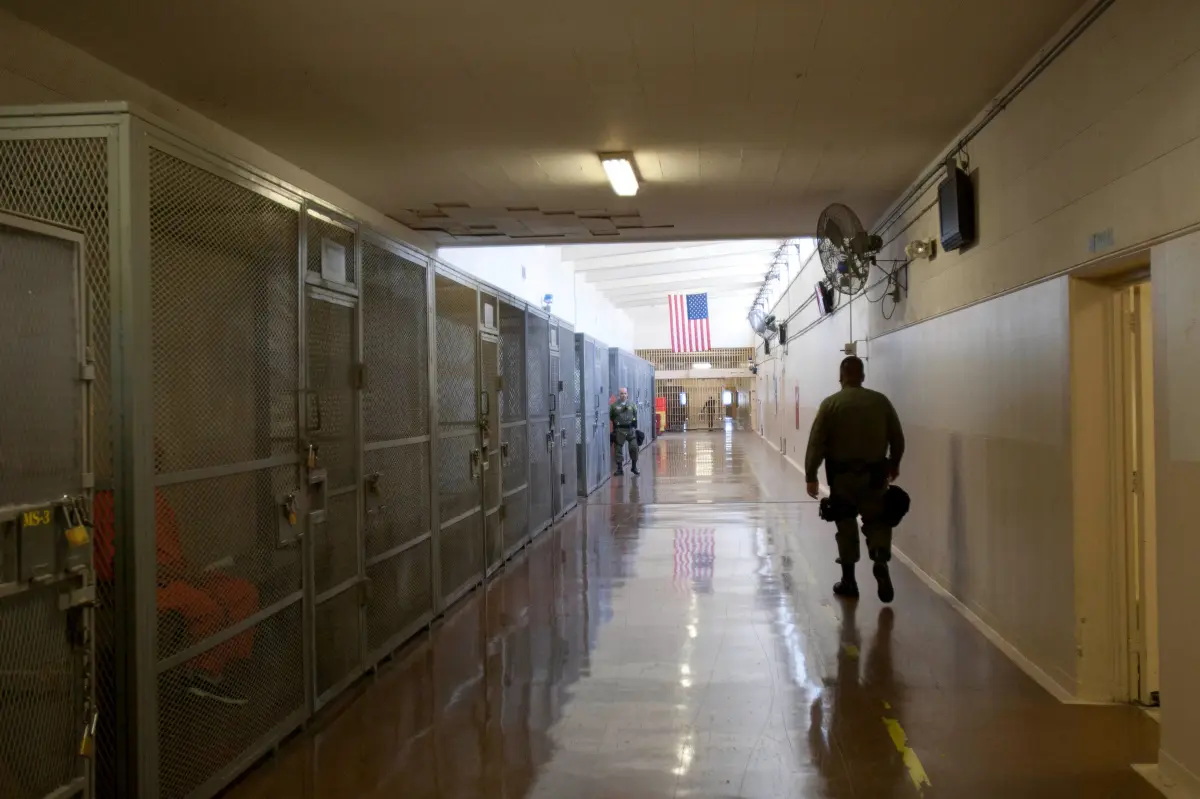
Paragraph 6: As of now, David Allen Funston remains incarcerated at the California Institution for Men in Chino, his release date shrouded in uncertainty amid ongoing legal maneuvers and public pressure. This limbo amplifies the emotional toll on victims, who live in a state of suspended dread—wondering when their tormentor might step into freedom. The broader implications ripple through California and beyond, sparking debates on prison reform, victim rights, and the efficacy of programs like Elderly Parole. Advocates for stricter sentences argue this case exemplifies systemic flaws, where humanitarian gestures overlook predatory risks, potentially endangering another generation. Humanizing the narrative means acknowledging the fear that grips communities, the sleepless nights of survivors reliving abduction scenarios, and the collective plea for policies that prioritize protection over reform for irredeemable cases. Stories like Funston’s fuel movements for legislation ensuring child predators remain confined, influencing how states view recidivism and rehabilitation. Family members share personal anecdotes of lost childhoods, fostering a narrative of empathy that demands change. In essence, this ordeal transcends one man’s fate, touching hearts and prompting societal introspection—what price do we place on innocence, and how do we safeguard it? As officials deliberate Funston’s fate, the human element persists, reminding us that justice isn’t just about law; it’s about healing and preventing future horrors, ensuring that monsters like him never shadow our world again. The watch continues, with hope that wiser decisions prevail, honoring the lives forever altered by one man’s unimaginable darkness.