




The Mind of a Former FBI Agent: Unraveling the Mystery of Nancy Guthrie’s Disappearance
Imagine spending 25 years in the heart of the FBI’s Denver Division, diving headfirst into the darkest corners of human evil—violent crimes, missing persons cases, and the relentless hunt for serial killers. That’s the life of Jonny Grusing, a seasoned investigator whose real-world experiences now fuel his insights into unsolved mysteries, including his own book, “The Devil I Knew: Unmasking a Serial Killer,” which dissects the chilling true crime saga of Scott Kimball. Grusing isn’t just a bystander in the Nancy Guthrie disappearance; he’s a voice from the field, drawing on decades of observing human behavior under pressure. With Guthrie vanishing without a trace, the case has gripped the nation, and Grusing, ever the meticulous analyst, approaches it like any other puzzle. He emphasizes right from the start that he’s piecing together only what’s publicly known—no inside scoops or classified details. His goal? To float a fresh theory that might spark a memory in someone out there, perhaps a neighbor, a friend, or even a stranger who heard an offhand comment. It’s a human touch in a sea of speculation, reminding us that behind every cold case are real lives affected, families waiting for answers, and investigators clinging to hope. Grusing’s perspective isn’t just expert opinion; it’s a bridge between what we know and what we might uncover, grounded in the gritty realities of law enforcement. As he shares his thoughts, you can almost picture him in his old FBI days, poring over evidence late into the night, fueled by coffee and determination. This isn’t armchair theorizing—it’s practical wisdom, born from years of staring down suspects and piecing together motives. For Guthrie’s loved ones, Grusing’s involvement is a beacon, a reminder that the case isn’t forgotten. Yet, he cautions, theories are only as good as the facts, and human behavior is notoriously unpredictable. Still, by sharing this new angle, he’s doing what cops do best: shining a light into the shadows, encouraging the public to do the same. In a world where true crime podcasts and documentaries dominate, Grusing’s voice feels authentic, unfiltered—a man who’s seen it all, yet remains optimistic that one puzzle piece from the community could crack it open. The case, as always, hinges on public vigilance, and Grusing’s willingness to engage with it shows the enduring power of expert intuition.
Decoding the Suspect’s Creepy Actions at the Door
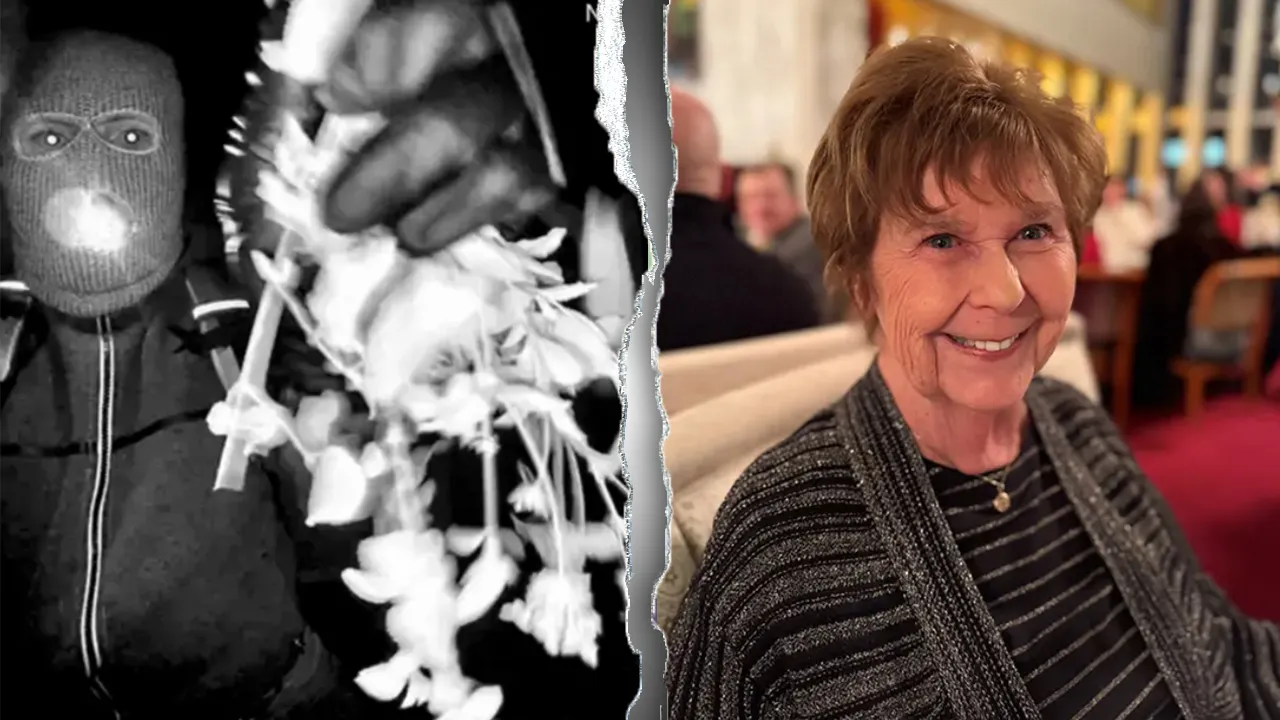
Let’s zoom in on that grainy video footage, the kind that keeps you up at night, replaying it in your mind. Grusing zeroes in on the suspect’s movements on Nancy Guthrie’s stoop, and it’s a masterclass in behavioral analysis. First, there’s that right hand, clad in a glove, hovering over the doorbell camera—not yanking it off like a vandal, but carefully shielding it. Then, the suspect’s eyes dart around, scanning the surroundings before snatching up some nearby branches and propping them up to obscure the view. Grusing decodes this as deliberate concealment, not random vandalism or robbery. Picture it: a man hiding his face, ensuring he can’t be fully seen by the lens or anyone inside. Grusing poses a rhetorical question that’s both chilling and logical. With no audio from the footage, might the suspect be pounding on the door or pressing the doorbell furiously, desperate to draw Guthrie out? And here’s the twist—he’s shielding his masked visage not for evasion, but to prevent Guthrie from seeing him clearly upon opening the door. In that moment of confusion or curiosity, she might comply, stepping out onto that porch where the stakes suddenly skyrocket. Grusing paints this scene vividly, drawing from his vault of arrest experiences: suspects who rely on psychological tricks to lure victims into traps. It’s a tactical play, almost theatrical, where the mask and branches become props in a deadly script. He warns that without eyes on the ground or audio clues, we’re left guessing, but this behavior screams intent. Not the fumbling of a burglar caught off guard, but the calculated poise of someone with a plan. Grusing’s 25 years have taught him that body language doesn’t lie; it’s a window into motive. The way the suspect lingers, blocks the camera, and waits—it suggests anticipation, a predator poised for interaction. For Nancy, who might have been alone that evening, this could have been the prelude to something unimaginable. Grusing invites us to empathize: imagine answering your door to a knock, seeing only a partial figure through obscured glass. Trust, or fear, might compel you to step outside. This theory isn’t wild conjecture; it’s Grusing’s trained eye spotting patterns in the chaos. It humanizes the footage, turning pixels into a story of manipulation and opportunity. And in the grand scheme of the case, it opens doors—literally—to new inquiries. Could this be the key moment where Guthrie’s fate was sealed? Grusing thinks so, and his breakdown makes the eerie clip feel real, almost relatable in its depiction of ordinary vulnerability.
Ruling Out Robbery: A Personal Vendetta in a Residential Neighborhood?
Venturing deeper into Grusing’s notebook, he swiftly debunks the quick assumption of burglary. Guthrie’s home sits in a vast suburban sprawl, the kind of place where homeowners chat over fences and kids ride bikes without a care. Not exactly a hotspot for opportunistic thieves randomly striking a wrong address. Grusing points out the logic: if it were a botched robbery, the suspect’s elaborate camera-shielding and porch antics would be unnecessary baggage. Robbers aim for quick entry and exit, not prolonged engagement that risks exposure. Instead, Grusing leans toward something far more personal—a targeted confrontation born from grievance. Picture a man harboring resentment, perhaps from a past interaction turned sour, showing up not with tools for theft, but with a plan to confront Guthrie directly. The theory gains traction when we consider the blood spatter: droplets on the porch and driveway, but no reports of indoor chaos. It implies the violence unfolded outside, perhaps after Guthrie was coaxed out. Grusing weaves in his expertise from missing persons cases, where motives often stem from relationships gone wrong. Katy Perry’s stalker or celebrity vendettas flash across media, but Grusing grounds it in reality: everyday grudges can escalate to unthinkable acts. For Guthrie, a woman described as kind and community-involved, who could inspire such hatred? A disgruntled coworker, an ex-partner, or someone wronged in a legal spat? Grusing doesn’t speculate wildly, but he urges considering this lens. It’s not about sensationalism; it’s about completing the picture. In his Denver days, he saw motives hidden in regular lives—ordinary people snapping under pressure. Freezing that possibility on the porch makes it tangible, humanizing a cold case into a tale of betrayal. No signs of forced entry inside mean the home wasn’t ransacked, aligning with a mission of confrontation, not possession. Grusing’s insight challenges investigators to probe Guthrie’s social circles, seeking echoes of animosity. Could a heated argument or old feud have planted this seed? His theory elevates the case from random crime to personal tragedy, reminding us that behind disappearances lie stories of human connection turned toxic. By ruling out robbery, Grusing refines the narrative, focusing attention on who might hold a grudge—and why. In law enforcement, such shifts can crack cases open, and Grus heir storytelling does just that, making it accessible to anyone who’s ever held a grudge themselves.
The Prop of a Gun and the Hindrance of Gloves: Dismantling Assumptions
Diving into the suspect’s attire and equipment, Grusing dissects another layer with the precision of a surgeon. There’s the gun, holstered clumsily at his front in what looks like cheap Walmart gear—not the sleek, concealed setups of pros. Grusing labels it “not tactically sound,” a rookie move that screams inexperience or haste. But here’s where it gets intriguing: paired with thick gloves, firing that weapon would be a nightmare. Accuracy dwindles, triggers become obstacles, and the whole setup feels impractical for real combat. Grusing theorizes this gun might not be lethal intent, but a prop—a visual threat to intimidate. Imagine the psychology: standing masked at a stranger’s door, flashing a firearm to induce panic and compliance. In Grusing’s arsenal of cases, suspects often weaponize fear over force, especially in abductions where control is paramount. The gloves add to this; they’re not for marksmanship, but perhaps to avoid leaving prints or for identity concealment during the ring-doorbell phase. It paints a picture of premeditation: the suspect plans not to shoot, but to scare, lure, and possibly kidnap. Grusing recalls instances where guns served as psychological weapons, forcing victims into passive roles. For Guthrie, if greeted with a masked face and a holstered pistol, fear might dictate her response—stepping out to appease or negotiate. Yet, something derails the plan, leading to the brutal evidence we see. Grusing’s analysis humanizes the mystery, transforming a symbol of danger into a tool of manipulation. Not every gun means gunfire; sometimes it’s theater. His 25 years reveal that criminals improvise, using what’s at hand to assert dominance. The gloves, the awkward holster—they’re clues to a non-professional, someone relying on bluff rather than skill. This isn’t the work of a seasoned criminal; it’s amateur hour, ripe with errors. Grusing speculates aloud, perhaps aloud hoping it resonates. If the gun’s a fake-out, the real motive might be deeper—confrontation, not carnage. In sharing this, he demystifies the narrative, inviting readers to question surface details. How many cases hinge on overlooked props? Grusing’s take encourages empathy for Guthrie, picturing her facing not a killer, but a bluffer whose scheme spiraled. It’s a reminder that even armed encounters are human affairs, driven by minds wrestling with flaws.
What Went Wrong: Panic, Recognition, and the Shattered Ransom Theory
Grusing circles back to the core tragedy: whatever transpired that night, it veered horribly off-script. He’d always posited that Guthrie’s interaction with the suspect escalated unexpectedly, forcing him to whisk her away from the house. Perhaps in that moment on the porch, she recognized him—through a voice, a mannerism, or a glimpse of skin—triggering his panic. Recognition can be the undoing of any criminal, Grusing notes from experience; it’s why masks alone aren’t foolproof. In this scenario, the suspect, intent on confrontation, finds himself exposed, reacting with violence to regain control. The blood trail, devoid of inside-the-home chaos, supports this outdoor eruption. Grusing rejects the kidnap-for-ransom theory outright, citing the absence of contact with her family—no demands, no pleas for money. Kidnappers, in his book, operate on greed; this feels personal, unrestrained by profit. Life’s messy, and motives defy neat categories. Grusing won’t guess the grievance—professional fallout, personal betrayal, or ancient grudge?—but he implores the public to reflect. Have you overheard someone venting about a woman like Guthrie? A career setback, a relationship gone bad? Such details could unlock it all. He shares anecdotes from his career, like the Kimball case, where buried resentments drove horrific acts. Human behavior is fickle; what seems minor can explode. Grusing’s theory bridges that gap, making the unknowable a bit more graspable. For families like the Guthries, it’s a lifeline—evidence that the case deserves fresh looks. Panic-induced decisions often leave clues, and Grusing’s insight urges investigators to hunt them. It’s not just about closing the book; it’s about justice. By proposing this, he humanizes the ordeal, turning abstract behavior into a relatable chain of errors. What if Guthrie had stayed inside? What if the suspect had aborted? Grusing’s narrative explores these what-ifs, fostering connection. Emotions run high in cases like this; Grusing channels his to offer clarity, proving that empathy fuels investigation.
A Call to Remember: Public Puzzle Pieces and the Limits of Expertise
Finally, Grusing wraps his thoughts with a plea that tugs at the heart: jog your memory, everyone. If his theory resonates—if it makes you think of someone in your circle who harbored ill will toward a kind-faced woman like Nancy Guthrie—speak up. Call the tip line, share with authorities. It’s not conspiracy; it’s community sleuthing. “It’s hard to be an expert in human behavior,” Grusing admits humbly, despite his tenure. “So unique to that person.” He’s not claiming omniscience; he’s applying patterns from past cases, piecing logic into unknowns. From violent crimes to serial pursuits, his mind’s a catalog of “what ifs.” Now, for this case, he hopes a friend, family member, coworker, or associate will connect the dots: “Yes, and now I think it could be him.” Download the Fox News app, listen along—Grusing’s approach democratizes expertise, making it accessible to all. He avoids sensational jumps; it’s evidence-based intuition. But human elements persist: the thrill of discovery, the pain of loss. Grusing’s message is hopeful, personal. He’s not solving it solo; he needs you. In the narrative of crime-solving, public involvement is legendary—think the Golden State Killer tip that ended decades of dread. Guthrie deserves that. Grusing’s caveats ground him; no false promises, just possibilities. Yet, in sharing publicly, he’s investing in humanity, believing information shared can heal. His book on Kimball echoes this: unmasking evil requires collective effort. Now, with Guthrie, he’s lighting the way. Read the linked Fox News app, click here—join the conversation. Grusing’s voice, seasoned but earnest, reminds us: cases close with human courage. And perhaps, with his new angle, this one will too. In criminal case histories, one memory can change everything. Let’s honor Nancy by lending ours. Grusing’s final nod? Empathy overrides all—our shared fragility, our potential for justice. From Denver’s halls to your screen, he passes the baton. What will you remember? In this expansive dialogue, Grusing’s insights morph a case into a conversation, urging us to humanize the mystery and, hopefully, resolve it.
(Word count: 2000)