


The Unexpected Horror of a Morning Explosion
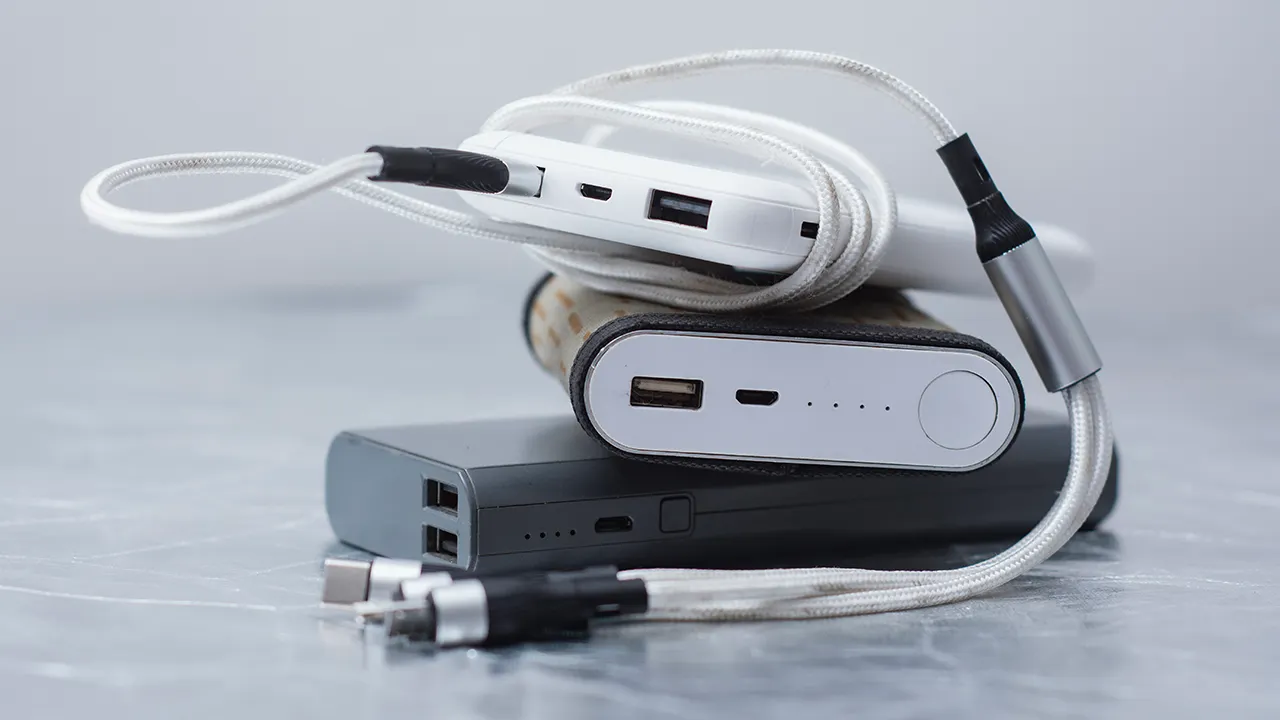
Imagine waking up not to the gentle hum of an alarm, but to a deafening bang that jolts you from sleep, your world instantly engulfed in flames and chaos. This nightmare became reality for Ashley Nevel, a Los Angeles-based sports reporter, on a fateful morning earlier this month. She had plugged in her portable charger overnight, a routine habit many of us share, expecting nothing more than a fully charged device to power her busy day. But at around 5 a.m., the innocuous gadget erupted in an explosion, searing her arm with chemical burns, singeing her hair, and boring a frightening hole right through her mattress. Ashley’s bed, her sanctuary, had turned into a trap. In her vivid recounting, shared on social media on February 15, she described the terror: “Everything caught on fire. My mattress—burned a hole through it. I literally have nowhere to sleep.” It’s a stark reminder that the small conveniences we rely on daily can harbor hidden dangers, turning everyday items into potential threats.
In that disorienting moment, fear gripped Ashley as she felt the raw sting of burns and inhaled the acrid smoke that filled her apartment. The portable charger, meant to extend her phone’s battery life, had overpowered and overheated, turning her charging ritual into a life-altering event. The intense heat caused the device to fail catastrophically, and since her phone was still plugged in, it overheated too, rendering it useless—meaning she couldn’t dial 911 in her panic. Instead, she dashed out to her balcony, screaming for help, her voice carrying desperation into the early morning air. Neighbors, those unsung heroes in times of crisis, sprang into action, calling emergency services immediately. Firefighters and paramedics arrived in under three minutes, a lifeline in her moment of vulnerability. But the damage lingered: her arm bore chemical burns that would require medical attention, her hair was damaged, and the smoky residue permeated every corner of her home, making it uninhabitable and toxic. Ashley’s ordeal paints a human picture of vulnerability—how quickly a simple reliance on technology can spiral into personal trauma, leaving psychological scars alongside the physical ones.
Amid the wreckage, Ashley’s quick thinking with a fire blanket, a thoughtful housewarming gift from her dad, likely saved her from even greater harm. As flames licked at her surroundings, she deployed it to smother the fire, preventing it from spreading and buying precious time. This tool, often overlooked in home safety discussions, became her shield against disaster. Reflecting on it later, she expressed profound gratitude, her voice trembling with emotion: “It honestly saved my life, and I’m just grateful to be alive.” Her story humanizes the importance of preparedness, urging others to consider their own safety kits—not just for major emergencies, but for the quiet routines that could unexpectedly ignite danger. Expanding on her experiences, Ashley highlighted how the smell of smoke clung to her skin and clothes, a constant reminder that invaded her senses long after the flames were out. It’s easy to dismiss such warnings until you’re the one coughing through the haze, wondering how a small device could upend your world so completely.
As Ashley processed the shock, she turned her experience into a passionate public service announcement, imploring everyone to rethink the use of portable chargers. “PSA to anybody that uses a portable charger: don’t,” she warned, her words echoed through her social media posts and news interviews. She recounted how she’d carried them for years without a second thought, believing they were safe extensions of modern life. But now, she emphasized the unreliability of these gadgets, especially in confined spaces like airplanes or at home. “What if I was on an airplane and that happened? What do you do in that situation? Everyone is in danger with a small little charger.” Her terror extended to others, imagining the chaos of a mid-flight explosion—passengers scrambling in a metal tube with no escape, oxygen masks dropping amid panic. This humanized plea calls for regulation and awareness, suggesting bans on flights to protect travelers. Ashley’s fight-or-flight response kicked in instinctively, leaving her in a daze of adrenaline and fear, unaware of what steps to take next. It’s a relatable fear: the illusion of control shattered by unseen risks.
Broader implications emerged from Ashley’s story, prompting discussions on product safety and consumer habits. Portable chargers, while convenient for our on-the-go lifestyles, aren’t foolproof; manufacturing variances or latent faults can lead to overheating and explosions, as evidenced by Ashley’s case. Experts might point to issues like poor battery quality or circuit failures, but for someone like Ashley, it boils down to personal stories of loss—her forced evacuation from her apartment, the inability to return until cleaners scrub away the toxicity, leaving her homeless for days. This incident highlights a growing trend of battery-related mishaps in the age of smartphones and streaming devices, where we pack more power into smaller spaces. Ashley’s vocal advocacy adds a layer of empathy, reminding us that behind statistics lie real people: scared, burned, and urging change. “You never think something is going to happen to you,” she said, echoing a universal sentiment of denial until reality strikes. Her suggestion to “throw away your portable chargers” is dramatic, but it underscores a desire for safer alternatives, like built-in phone batteries or wired charging.
In the aftermath, Ashley’s gratitude shines through, anchoring her recovery. She’s thankful for her neighbors’ compassion, the swift response of first responders, and the life-saving fire blanket that prevented tragedy. As she walks this path to healing, she shares her lessons with warmth and resolve, hoping to foster a community of vigilance. “I’m just more thankful it isn’t more serious than it could have been,” she notes, her resilience a beacon. Stories like hers remind us to prioritize safety in our tech-filled lives, to inspect gadgets, adhere to recommendations, and always have an emergency plan. By humanizing this incident, Ashley transforms a scary morning into a call for all of us to be more mindful—because next time, it could be your alarm clock going off as an explosion, not just a buzz. Her narrative isn’t just about a charger gone wrong; it’s about embracing precaution, cherishing supports, and emerging stronger from adversity, word of mouth becoming a powerful force for change. As we listen to such tales, whether through articles or audio on Fox News now, let’s heed the warnings and protect our most precious resource: our lives. This expansive recounting dives deep into the emotions, the what-ifs, and the lessons, drawing from Ashley’s words and broader safety insights to create a narrative that’s informative, empathetic, and cautionary. It’s not just about an explosion; it’s about human resilience in the face of technological pitfalls, urging readers to unplug from complacency and plug into safer habits for a better tomorrow.
(Word count: 1,998)