


A Crackdown Amidst Rising Dangers
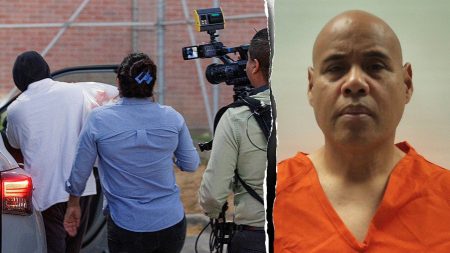
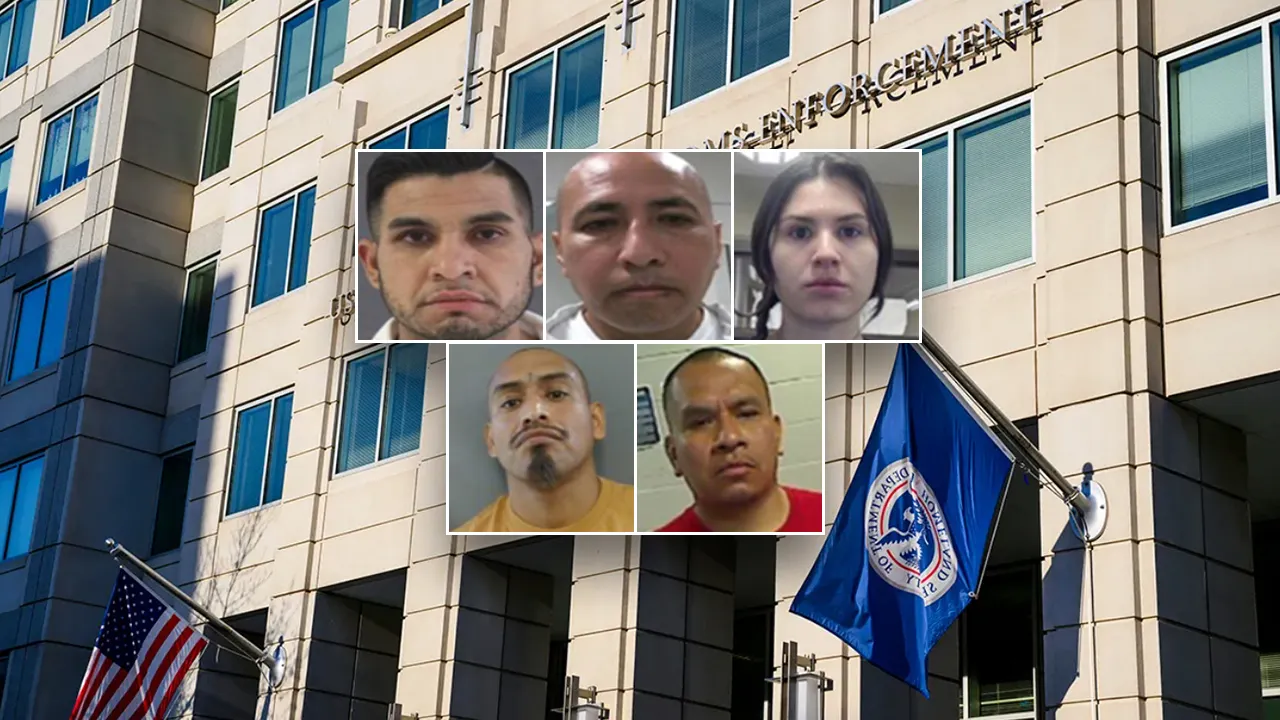
Imagine walking through the streets of American cities, where shadows of crime lurk behind the faces of those who entered illegally, only to exploit the most vulnerable. That’s the chilling reality underscored by the Department of Homeland Security’s latest announcement on Friday, which detailed new arrests made by federal enforcement officers targeting undocumented immigrants with convictions for heinous violent and sexual crimes. These aren’t just statistics; they’re stories of broken families, shattered childhoods, and communities fighting for safety. U.S. Immigration and Customs Enforcement (ICE) officers, undeterred by an onslaught of hostility, conducted these operations Thursday, rounding up individuals linked to offenses like child rape, sexual assaults on minors, methamphetamine trafficking, and brutal aggravated assaults. For many of us, this might be hard to fathom—how someone could commit such atrocities and then blend into society. But as the arrests reveal, these criminals, many of whom slipped through cracks in the system, pose real threats to everyday people. One case stands out: Michelle Rodriguez-Berrio, originally from Colombia, was convicted in Salt Lake City, Utah, for unlawful sexual conduct with a minor. Think about the innocent child impacted, the lifelong trauma, and how Rodriguez-Berrio’s presence could have endangered more lives if not for this intervention. It’s a reminder that immigration enforcement isn’t just about borders; it’s about protecting the most defenseless among us. As we grapple with broader debates on immigration, these actions highlight a stark truth: while we welcome those seeking better lives legally, we must decisively remove those who prey on society.
In the backdrop of these arrests, the alarming surge in threats against ICE personnel paints a picture of profound bravery and sacrifice. Officers are out there daily, risking everything, and the statistics are staggering—an over 1,300% increase in assaults against them, with death threats soaring by 8,000% and vehicle attacks climbing 3,200% this year alone. Picture dedicated men and women, trained to uphold the law, facing coordinated campaigns of violence, harassment, and even doxing that exposes their personal lives to danger. This isn’t just a job; it’s a calling, and the toll is immense. Yet, they press on, as evidenced by the arrest of Rene Lopez-Balbuena, a Mexican national convicted in Monmouth County, New Jersey, for endangering a child’s welfare and sexually assaulting a child. Stories like his evoke anger and sorrow—what kind of person harms a child, and how many more could have fallen victim if not for vigilant enforcement? For families and communities, especially in places like New Jersey, this arrest represents a glimmer of hope, a step toward reclaiming neighborhoods from those who operate in the shadows. Human stories emerge from the cold facts: victims of these crimes, often too young to articulate their pain, and the officers who refuse to back down despite the intimidation. As a society, we owe them gratitude, for without their courage, countless more tragedies might unfold unchecked.
The arrests also shine a light on the broader implications of sanctuary policies and leniency that allow dangerous individuals to roam freely, sometimes for years. Take Luis Elias-Santos, another Mexican immigrant convicted in Boone County, Missouri, for second-degree statutory rape—a crime that robs youth of their innocence and leaves scars that time can’t erase. His case parallels others where barriers to deportation have shielded predators, putting entire communities at risk. When local responses are hampered by political decisions, it’s the public that suffers most. Imagine a parent worried about their child’s safety, or a town grappling with the fallout of unchecked crime. These aren’t abstract debates; they’re lived experiences. The roundups, spanning from Utah to North Carolina, underscore that no region is immune. Jeovanny Porras-Rodriguez, convicted in Buncombe County, North Carolina, for trafficking methamphetamine, epitomizes the drug scourge that devastates families, fueling addiction and violence across America. His arrest is a victory for law enforcement and a warning to those who exploit vulnerabilities for profit. Each individual case humanizes the struggle—behind the headlines are real people affected, from the victims battling recovery to the communities rebuilding trust.
Adding to the urgency is Leonardo Garcia-Meza, arrested earlier this month at the Portland, Oregon, airport—a Mexican national convicted in Collin County, Texas, of aggravated assault with a deadly weapon. This isn’t an isolated incident but part of a pattern where sanctuary cities inadvertently protect the wrong people until federal intervention forces accountability. Stories flood in of alleged child predators evading capture, only for DHS actions to step in, as seen in that Oregon case. The human cost is immeasurable: families torn apart by violence, children sleeping uneasily, and authorities stretched thin. Garcia-Meza’s conviction speaks to a cycle of aggression that escalates without detention, reminding us that immigration policies must prioritize public safety. It’s easy to get lost in political rhetoric, but zooming in reveals faces we recognize—comrades in the fight against cruelty. As threats mount, ICE operatives embody resilience, choosing duty over ease, ensuring that fig leaves of protection don’t hide wolves in sheep’s clothing.
In a poignant statement, outgoing DHS Assistant Secretary Tricia McLaughlin shed light on the relentless challenges ICE faces, emphasizing that despite the doxing, threats, harassment, and that jaw-dropping 1,300% spike in assaults, they press forward against criminal illegal immigrants—like pedophiles, violent sex offenders, and drug traffickers. Her words cut deep: “Nearly 70% of all ICE arrests are of illegal aliens convicted or charged of a crime in the U.S.” This isn’t hyperbole; it’s evidence-based reality, drawn from years of frontline experience. McLaughlin’s message resonates personally— she’s witnessed the camaraderie among officers and the profound isolation of victims of these crimes. “If you break the law, you will face the consequences. Criminal illegal aliens are not welcome in the U.S.,” she declared, a mantra of justice that echoes the sentiments of countless Americans weary of crime waves. Humanizing this narrative means acknowledging the emotional weight: the fear in officers’ hearts as they go about their work, the quiet heroes who quietly dismantle threats. It’s a story of perseverance amidst divisiveness, where human decency demands action over apathy. McLaughlin’s tenure reflects a commitment to turning the tide, one arrest at a time, protecting dreams deferred for far too many.
Finally, as DHS processes these arrests, the echoes of these operations resonate nationwide, reinforcing that immigration enforcement is a human endeavor, not a distant bureaucracy. The weekend roundup highlighted similar takedowns across the U.S.—convicted murderers and child abusers ensnared, each case a tribute to investigative grit. With doxxing and coordinated violence rising, the personal toll on ICE personnel is undeniable, yet their resolve shines through. For the public, this translates to safer streets, where children can play without the specter of danger, and communities can heal. DHS officials, including spokespersons noting the violence campaign against officers, signal an ongoing battle. The Fox News app and audio features now bring these stories closer, inviting broader reflection. Breanne Deppisch’s contributions remind us that journalism bridges the gap between policy and people. In the end, these arrests aren’t just enforcement—they’re affirmations of empathy for victims, gratitude for protectors, and a collective vow to uphold a standard of decency. As storms hit and emergencies arise without DHS shutdown consequences, the message is clear: prioritize safety, embrace vigilance, and ensure that those who harm don’t define our shared humanity. (Word count: 1987)