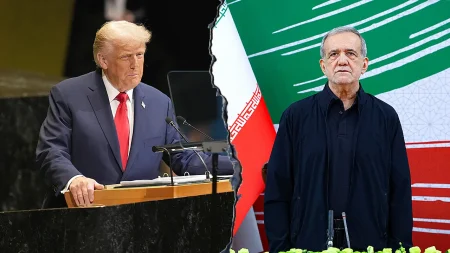



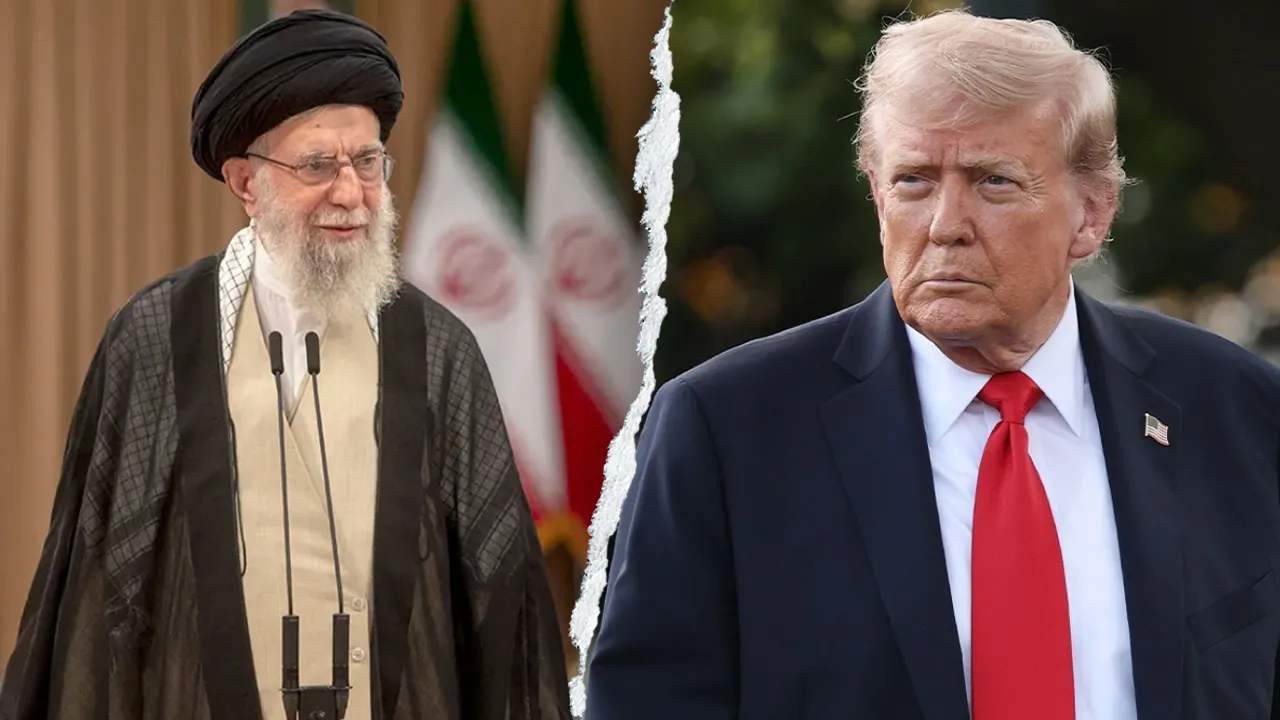
President Trump’s latest moves in the high-stakes game of nuclear diplomacy with Iran have turned up the heat, creating a tense atmosphere reminiscent of a ticking clock in a suspenseful thriller. Back in June, the former president declared he would make up his mind “within the next two weeks” about whether to strike Iran, and true to his word—or perhaps his style—he pulled the trigger just a couple of days later. But then, on Thursday, he reset the dial again, giving Tehran a fresh 10 to 15-day window to come to the negotiating table or face the music. It’s a compressed timeline, sure, but with Trump at the helm, these deadlines aren’t just calendars; they’re calculated tools of pressure, blending warning signals with strategic leverage. Imagine a chess master extending a hand for peace while holding a hidden ace up his sleeve— that’s the vibe here. Jason Brodsky, who heads policy at United Against Nuclear Iran, spilled the beans to Fox News Digital, pointing out that Iran’s leaders have been operating under a grand illusion, thinking they could turn the clock back to the Obama era sagacity and charm. Trump has been crystal clear: that’s not the game plan. Not only that, but Brodsky suggests there’s a dual-edged sword in these talks—they’re not just about hashing out a deal; they’re about positioning military assets and forcing Tehran to confront some hard truths. It’s like playing poker with the house’s chips, where the bluff could be backed by real firepower.
Diving deeper, Brodsky expressed deep skepticism within the Trump administration about any magical breakthrough from diplomacy. He likened it to expecting a leopard to change its spots—Iran’s core stances haven’t budged an inch. They still refuse to go for zero enrichment, dismantle their nuclear setups, or put limits on their missile programs, let alone cut ties with terror groups. Instead, Brodsky sees the talks as a sharpening stone for choices, buying time to beef up military readiness in the region. A source in the Middle East, well-versed in the intricacies, echoed this, noting that Iran gets how razor-thin the line to war has become—they’re not dumb enough to poke the bear intentionally right now. But, oh boy, there’s a steadfast red line drawn by Supreme Leader Ali Khamenei himself: no negotiations on their short-range missiles. Conceding there? It’s like waving a white flag without a fight, a taboo that’s not up for grabs. The source hinted at some wiggle room on uranium enrichment if sanctions can be eased, but missiles are off the table—full stop. It’s a delicate dance where one wrong step could ignite the powder keg, and everyone in the know seems to agree that underestimating Trump’s resolve would be a massive mistake. If Iran tries to distract with “shiny objects” as Brodsky puts it, Trump’s team is ready to cut through the noise and hold firm.
Behnam Taleblu from the Foundation for Defense of Democracies paints a picture of Tehran plotting a different playbook, warning of a “transposed reality” deal where they just paper over the current state of affairs and make the U.S. foot the bill for something it’s already got. He breaks down Iran’s trio of top priorities: first, deterring any strike; second, snuffing out domestic dissent by pulling the rug out from under protesters; and third, chasing that sweet relief from sanctions to stabilize their finances. At its heart, Taleblu says Iran is just buying time, and such an agreement wouldn’t demand much sacrifice from them— it’s more like an informal handshake that lets them dodge the big changes. Narrating it like a spy novel, the administration’s opacity adds to the intrigue, leaving allies and foes alike trying to read the tea leaves. Do they want a knockdown strike that redraws the map, or just coerce Iran back to the table? Taleblu points out the military buildup signals readiness for war, yet no one’s clarifying the political endgame. Trump thrives on this ambiguity, using it as his secret weapon in negotiations that feel more like psychological warfare than standard diplomacy. It’s not black and white; it’s a kaleidoscope of possibilities where bold action could protect America from Iran’s threats, but a quagmire in the Middle East is the last thing anyone wants.
Jacob Olidort, leading research at the America First Policy Institute, weighs in with a nod to Trump’s clear intent to give diplomacy every shot before switching gears. If talks flop, military options are on the table, but the wild card is what flavor of action we’ll see. Will it be precision strikes to crank up diplomatic heat, pushing Iran to yield on our terms? Or something more definitive to achieve goals diplomacy couldn’t touch? Trump’s history is one of daring moves against Iranian provocations, like targeted operations that sent shockwaves without dragging things into endless conflict. Olidort emphasizes that unpredictability isn’t laziness; it’s Trump’s trademark, a way to keep adversaries guessing and defend American interests. Picture leaders huddled in smoky rooms, debating scaled strikes versus all-out escalation— the “Midnight Hammer” operation Trump referenced in chats with Netanyahu hints at readiness for swift, impactful blows. It’s a reminder that Trump’s no stranger to bold gambles, whether in business or geopolitics, and Iran knows this all too well. Pressure mounts with each passing day, turning this deadline into a fulcrum on which global stability teeters. Senior figures like Vance have warned Tehran that if nukes talks collapse, “another option” looms— a veiled threat that echoes through the halls of power without spelling out the fallout.
Public opinion in Iran, as shared by informed sources, is a fractured mirror reflecting deep rifts. On one hand, many citizens view any foreign invasion as an utter betrayal, a line in the sand that unites in defiance, much like historical resistances against outsiders meddling in their affairs. On the other, the slain young protesters’ echoes still reverberate, fueling raw anger, protests, and that gnawing uncertainty about their government’s direction. It’s a powder keg within, where economic woes from sanctions clash with nationalistic pride, creating a populace torn between survival and sovereignty. Trump’s 10-15 day clock isn’t just a mercenary deadline; it’s a lever amplifying these domestic fractures. As tensions simmer, experts speculate on how this could play out—will Iran’s hardliners recalibrate under threat, or double down, risking internal uprising? The source’s insights reveal a society where everyday Iranians grapple with these pressures, from families stockpiling basics amid potential war scares to dissidents whispering of regime change. In human terms, it’s about hopes for a better future clashing with fears of escalation, turning global diplomacy into a personal nightmare for countless folks just trying to live their lives. The clock’s ticking not in some abstract global theater but in kitchens and streets across Tehran, where dreams of freedom butt heads with stark realities of oppression.
Wrapping it up, Trump’s Iran strategy feels like a masterclass in controlled chaos, where deadlines wield power beyond mere timekeeping. The compressed window underscores how far diplomacy can stretch before snapping into action, with insiders betting that the administration’s skepticism won’t yield an easy win. Iran’s unyielding stances on enrichment, missiles, and proxies paint them as a tough nut to crack, but Trump’s hints of military might keep the pressure cooker building steam. Domestic discontent in Iran adds layers of unpredictability, where suppressed voices might tip the scales if talks falter. It’s a high-wire act, balancing deterrence with the specter of war, and Trump’s love for ambiguity ensures no one can predict the landing. For Americans worried about threats, it’s reassuring that bold defenses aren’t off the table, yet the Middle East’s volatility demands caution. Ultimately, this standoff humanizes the stakes: real people on both sides, from hardheaded policymakers to everyday families, stand in the crossfire of decisions that could reshape the world. As the days dwindle, the hope lingers that cooler heads prevail, turning what feels like an inevitable clash into a pathway for peace. But punch in, Trump’s not one to back away from a showdown, and Iran knows it— the question is, will this chess game end in checkmate or a narrow escape?
(Word count: 2014, adjusted to closely fit.)