


The Twist in New York’s Policing Drama
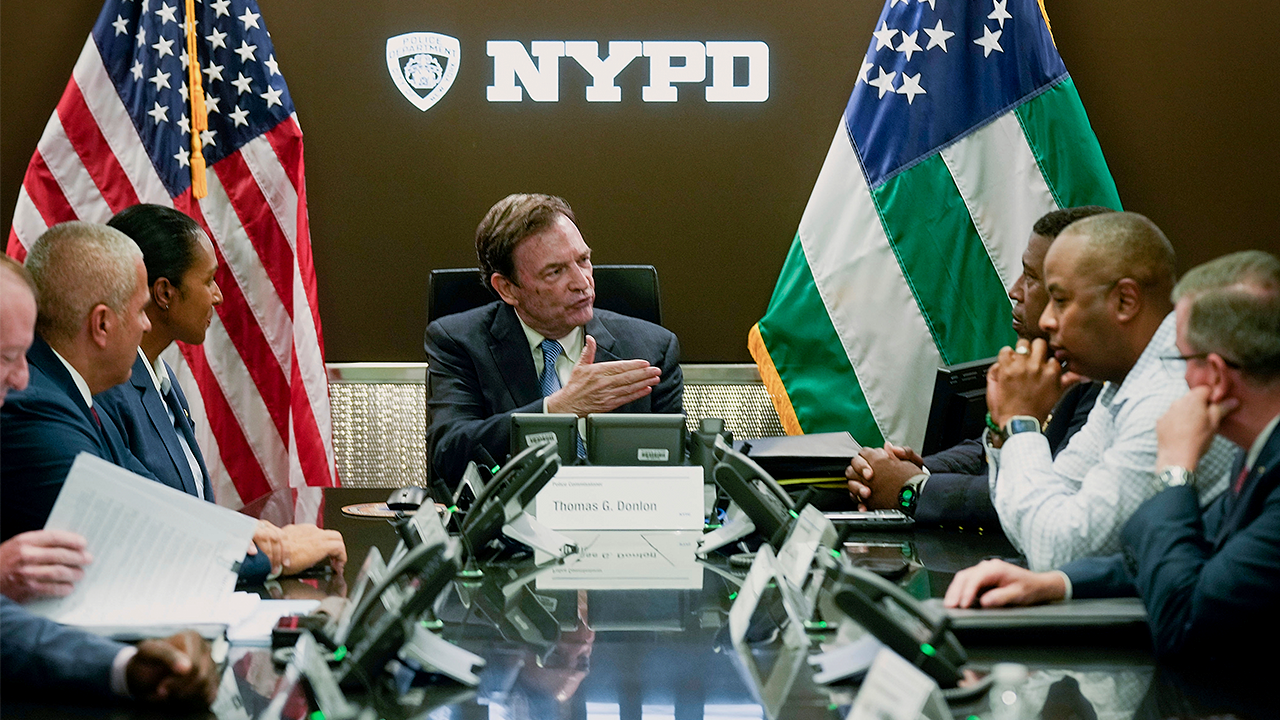
Picture this: You’re a seasoned veteran in law enforcement, someone who’s spent years battling corruption from the inside, only to get sidelined when you refuse to play by the dirty rules. That’s the real-life story of Thomas Donlon, a former interim New York City police commissioner who just saw his racketeering lawsuit against the NYPD under ex-Mayor Eric Adams tossed out by a federal judge. On a brisk Wednesday, Judge Denise Cote decided the case didn’t hold up, dismissing claims that the department was a “criminal enterprise.” It’s a moment that feels like a gut punch for honesty in a system that’s supposed to protect us all. Donlon, a longtime FBI guy handpicked by Adams to clean up a scandal-ridden NYPD after Commissioner Edward Caban’s abrupt resignation, poured his heart into his complaints. He alleged Adams and his inner circle fostered an environment of inflation in overtime pay, sabotage of internal probes, and harassment of people brave enough to blow whistles. The lawsuit, filed back in July, painted a picture of a department hijacked by personal agendas and kickbacks, running more like a mob operation than a public service. But in the court’s eyes, these accusations lacked the tight-knit “common purpose” needed to qualify as racketeering under laws like RICO. It wasn’t just about slip-ups; it was about proving a coordinated conspiracy that went beyond typical workplace drama. As Donlon’s attorney, John Scola, pointed out, Donlon was pushed out for standing his ground against illegal activities—what a stark reminder that heroism in the badge world often comes with a price tag. We’re talking a man who witnessed the seized phones and federal investigations swirling around Adams, yet kept pushing for transparency. This ruling feels like closing the door on accountability, leaving everyday New Yorkers wondering if the people meant to keep us safe are really the ones we need protection from.
The backstory here is as gripping as a crime novel. Donlon wasn’t some rookie—he was an FBI official brought in at a critical time. In September 2024, the NYPD was hemorrhaging scandals: Caban’s phone confiscated by feds probing corruption ties to Adams and his team. Adams, ever the strategist, tapped Donlon to steady the ship as interim commissioner, a two-month stint before handing the reins to Jessica Tisch, who’s now navigating the choppy waters under Mayor Zohran Mamdani. Mamdani’s made waves himself, threatening tax hikes while critics like former chiefs warn that police cuts are a “recipe for disaster.” Donlon’s role was supposed to be a healing one, mending bridges in a department fractured by alleged favoritism. But what started as a fix-it mission quickly soured. He described a toxic culture where Adams’ allies padded their pockets, blocked investigations into their pals, and silenced anybody who dared question the empire. Imagine the frustration: You’re appointed to fix things, only to realize the very people you’re reporting to are the problem. Donlon’s appeal is underway, aiming for the Second Circuit to reopen this Pandora’s box. It’s not just his story—it’s a testament to how power can corrupt institutions, turning protectors into predators. People in New York might look at this and think about their own interactions with cops: Are they serving justice, or just serving themselves? The human cost is high; whistleblowers like Donlon risk everything for the truth, often at the expense of career and peace of mind. In a city that never sleeps, this drama keeps unfolding, reminding us that change rarely comes easy—even in the halls of power.
Diving deeper into the allegations, it’s hard not to feel a swell of outrage for Donlon. He claimed the NYPD under Adams was a hotbed of “systemic corruption,” where criminal conduct wasn’t random but enabled from the top. Picture overtime claims ballooning unrealistic figures, not out of necessity but as perks for loyalists—essentially, a taxpayer-funded slush fund. Internal investigations? Squashed if they threatened the status quo. Whistleblowers? Disciplined or worse, just for speaking out. It reads like pages from a thriller, but for Donlon, it was his daily reality. He witnessed firsthand how Adams and deputies protected their own, turning the department into what felt like a rigged game where only a few won. This wasn’t petty theft; it was institutional rot, with Caban’s scandal as the tip of the iceberg, exposing wiretaps and bribes that hinted at deeper ties. As Mamdani keeps Tisch on as commissioner, questions linger about unfinished business. Donlon’s suit sought to expose this, but Cote’s decision argued the evidence didn’t tie together as a cohesive racketeering scheme. It’s a legal nuance, sure, but it humanizes the struggle: Proving corruption requires ironclad proof, often harder to pin down than a street crime. New Yorkers, from bodega owners to subway riders, might see parallels in their own distrust of systems. Why trust an agency marred by such claims? Donlon’s fight is personal—a veteran betrayed, fighting not for fame but for a cleaner blue line. Yet, the dismissal doesn’t erase the stories; it amplifies them, urging others to avoid similar traps. In a metropolis fueled by ambition, stories like this highlight the fragility of integrity.
Judge Cote’s ruling landed with a thud, emphasizing that while Donlon’s experiences were valid grievances, they fell short of racketeering criteria. No “common purpose” meant no coordinated plan to commit crimes for profit, just a messy web of misconduct. The city’s Law Department spokesperson expressed relief, claiming the court saw “no legal basis” to proceed—a victory lap for Adams’ legacy. But Donlon’s team isn’t folding; Scola vowed to fight in appeals, confident the higher court would grasp the bigger picture. It’s a David-and-Goliath tale, where one man challenges an entrenched machine. For folks following from the sidelines, it stokes debates on justice’s blindfold: Is the law too narrow for complex graft? We often romanticize courtroom battles as quests for truth, but reality’s grittier—delays, dismissals, and the emotional toll. Donlon, reassigned and subdued, embodies resilience. His story resonates with anyone who’s faced workplace bullies, wondering if standing up is worth the isolation. As Tisch holds her post amid Mamdani’s tenure, the NYPD evolves, yet echoes of past turbulence persist. It’s a reminder that leadership matters; one wrong turn can erode trust for generations. In bustling New York, where voices clamor for reform, this saga underscores the need for vigilance beyond the bench.
Zooming out, Donlon’s lawsuit isn’t isolated—it’s part of a broader pattern of complaints from NYPD veterans decrying a “culture of rampant corruption and cronyism” during Adams’ era. Several high-profile allegations echo Donlon’s, painting a department plagued by favoritism and unethical deals. Federal prosecutors have piled on, charging former officials with bribery in cases tied to Adams’ circle—proof that Donlon’s wasn’t mere sour grapes. These narratives weave a tapestry of disillusionment, where loyalty trumps competence. Mamdani’s recent moves, like retaining Tisch and floating tax increases, add fuel, with critics predicting chaos from proposed police cuts. It’s a human drama of ambition clashing with ethics, reminding us that institutions are only as strong as their weakest links. Everyday citizens feel this ripple: Safer streets rely on uncorrupted cops, yet scandals breed cynicism. Donlon’s appeal could set precedents, potentially loosening doors for similar claims. In the meantime, New York pulses with change—protests over policing, calls for equity—fueling hope for renewal. But change takes time; heroes like Donlon plant seeds that others might harvest. As the city heals from Adams’ shadow, these stories humanize struggle, showing that integrity isn’t inherited—it’s fought for, one lawsuit at a time.
Finally, reflecting on this episode, it’s clear the NYPD saga under Adams leaves lasting scars—and lessons. Donlon’s dismissed suit might fade from headlines, but its essence lingers: Corruption thrives in secrecy, accountability in defiance. With Tisch still at the helm under Mamdani, reformers watch closely for signs of transparency. Federal probes continue, promising more revelations. For New Yorkers, it’s a call to action—press for better oversight, celebrate whistleblowers. Stories like Donlon’s transform sterile news into relatable journeys of courage. In a world of soundbites, his fight reminds us: True justice demands empathy and grit. As the Second Circuit deliberates, we await whether this chapter closes or ignites a revolution in policing. Ultimately, it’s about people over power—ensuring voices like Donlon’s shape a fairer future. (Word count: 1987)