



The Royal Fall from Grace: A Tale of Alleged Betrayals and Unraveling Ties
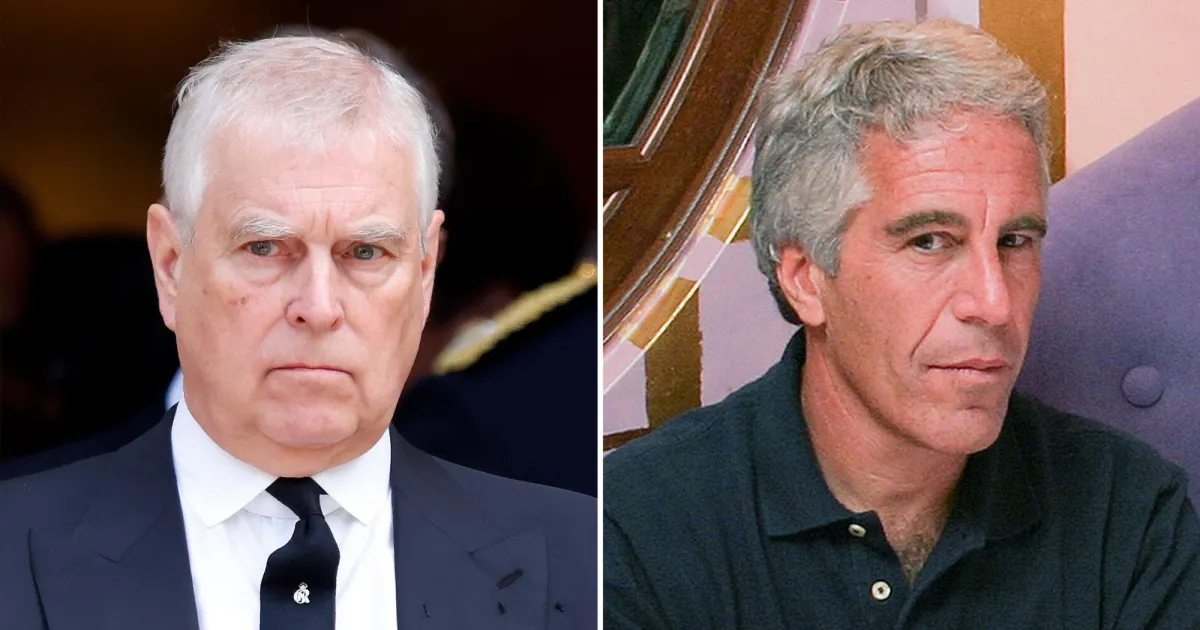
In the gilded halls of Buckingham Palace, Andrew Mountbatten-Windsor once stood as a beacon of royal duty, a prince whose life was woven into the fabric of the British monarchy. But beneath that facade lurked a shadowy connection to Jeffrey Epstein, the disgraced financier whose web of influence ensnared the powerful and the vulnerable alike. For years, Andrew—known affectionately to some as “Randy Andy” for his playboy reputation—maintained that his association was innocent, a figment of misunderstanding blown out of proportion. Yet, the whispers grew into roars, painting a picture of a man whose quest for relevance led him into treacherous waters. Epstein, the enigmatic tycoon with a penchant for collecting secrets, introduced him to a world of elite networking and luxury, but at what personal cost? Andrew’s denial of any wrongdoing became a mantra, echoed in interviews and statements, but as allegations surfaced, they chipped away at his dignity, transforming him from a respected royal to a pariah in the public eye. This saga isn’t just about scandals; it’s about human fragility, the lures of friendship, and the heavy toll of loyalty misplaced. Virginia Giuffre, a young woman thrust into Epstein’s orbit, accused Andrew of assaults when she was just 17, setting the stage for a painful reckoning. Those claims, intertwined with Epstein’s own conviction for child prostitution in 2008, forced Andrew to confront a reality he steadfastly refused to acknowledge. Through it all, Andrew clung to his innocence, insisting he met Epstein only once and distanced himself, but the evidence—photographs, testimonies, emails—told a different story. By 2019, as Epstein’s empire crumbled after his suicide in jail, Andrew stepped back from royal duties, a move shrouded in familial concern and public humiliation. His mother’s permission granted, he retreated, hoping the storm would pass, but it only intensified. Humanizing this turmoil reveals a prince not as a villain, but as a man ensnared by choices, desperately defending his honor against an onslaught that questioned not just his actions, but his very sense of self. The public watched with a mix of sympathy and scorn, seeing in Andrew’s plight a cautionary tale of how one wrong turn can unravel decades of privilege. Ghislaine Maxwell, Epstein’s former partner convicted in kin charges, denies her guilt too, adding layers of denial that echo through the narrative. In this human drama, we witness not crowns and scandals, but fallible lives intersecting in ways that defy easy judgment.
The Ill-Fated Introduction and Fleeting Glories
Picture a sunny introduction in the late 1990s, where Andrew, a decorated naval veteran still basking in the afterglow of royal perks, crossed paths with Jeffrey Epstein. According to Andrew’s later accounts, it was 1999, though notes suggest even earlier; either way, it was Ghislaine Maxwell who bridged their worlds—his longtime confidante and Epstein’s enigmatic companion. Maxwell, with her sharp wit and social poise, presented Epstein as a generous philanthropist, a billionaire with yachts and mansions fit for kings. Their bond blossomed organically, Andrew claimed, born from shared interests in adventure and high society. Epstein visited Andrew at Windsor Castle in 2000, albeit informally, with Andrew stressing it was Maxwell who made the connection. That same year, the trio mingled at Donald Trump’s Mar-a-Lago, a snapshot of opulence where power players rubbed shoulders. But cracks appeared; Epstein’s 2008 plea deal—13 months for solicitation—was a red flag Andrew ignored, resuming contact post-release. In 2010, Andrew’s infamous visit to Epstein’s New York home aimed to sever ties due to the scandal, he said, yet paparazzi captured them strolling Central Park days later, parting as supposed friends. What drove Andrew? Perhaps a naivety born of privilege, or a genuine belief in second chances. Epstein, ever the manipulator, had a knack for drawing in the elite under the guise of goodwill. Humanize this: Andrew, still grieving his ex-wife Sarah Ferguson’s acrimonious divorce, sought camaraderie in Epstein’s world, networking for his charitable endeavors. Maxwell facilitated, her role pivotal yet now tainted by her 2021 conviction for trafficking minors, which she claims is unjust. Beneath the glamour lay exploitation; Epstein’s victims, like Giuffre, shared harrowing stories of manipulation. Andrew’s 2019 Newsnight interview revealed his unrepentant view of Epstein as a “casual” acquaintance, useful for opportunities, not closeness. Was it blindness or willful ignorance? The public agonized over this prince who prioritized “learning” from a predator, his apologies calculated, his regrets selective. As repercussions mounted—resigning as trade envoy in 2011—Andrew’s world narrowed, forcing introspection amid fading alliances.
The Accusations that Shattered Trust
At the heart of Andrew’s undoing are the allegations from Virginia Giuffre, a survivor whose courage exposed the underworld Epstein’s circle fostered. Back in 2001, at London’s Tramp nightclub, Giuffre described a surreal evening: dancing with Andrew until he sweated profusely despite claims of his medical condition post-Falklands stress, then driven to Maxwell’s apartment where she was paid $15,000 to “do for him what you do for Epstein.” Andrew vehemently denies this, insisting no recollection of meeting her or knowing the spots mentioned—me claiming he doesn’t drink or buy rounds. Yet, a photo emerged, supposedly taken by Epstein to bolster his return to society, which Andrew dismissed as manipulated. Giuffre’s 2009 settlement with Epstein and 2017 win against Maxwell bolstered her claims, portraying a cycle of abuse where young women were trafficked like commodities. Andrew’s 2019 interview with Emily Maitlis was a disaster; his aloof demeanor—deflecting with sweat anecdotes—sparked outrage, humanizing him as out-of-touch, a prince detached from empathy. He admitted to no wrongdoing, but his words rang hollow: “I helped or aroused or whatever euphemism you want to use [for closing Epstein’s deal].” The interviewer probed relentlessly, laying bare his lack of remorse for Epstein’s teen procurer label. Post-interview fallout was swift; Andrew stepped back from duties, citing disruption to family and charities. Humanize this grief: Giuffre, at 41, tragically ended her life in 2025, symbolizing the lasting scars on victims. Andrew’s 2021 lawsuit against her for defamation led to a settlement—him donating to her charity and apologizing for attacks—yet denying assaults. His brother King Charles expressed concern, but the family split: Andrew accused of reckless associations. Sarah Ferguson, once tied closely, regretted affiliations but distanced herself publicly. The Epstein scandal unearthed emails in 2025’s “Entitled” book—Andrew writing “in this together,” Ferguson praising Epstein as a “supreme friend”—revealing deeper entanglements. Readers empathized with Andrews’s vulnerability, yet pitied his isolation, a man whose denials isolated him further from kin and crown.
Legal Battles and Settlements Amidst Grief
As 2021 dawned, Giuffre’s lawsuit reignited fires, accusing Andrew of assault and emotional distress. Lawyers brokered a settlement for an undisclosed sum, with Andrew donating to victims’ rights, accepting her abuse but not his role. He maintained innocence, but the payout—reported cash and charity funds—echoed Epstein’s tactics of silencing without admission. Giuffre’s April 2025 suicide amplified tragedy, her family demanding accountability from Andrew, whose bodyguard allegations surfaced: did he misuse police for info on her? Police declined action in 2025, citing insufficient evidence, disappointing Giuffre’s kin who saw a system protecting privilege. Maxwell’s appeals failed, her denials echoing Andrew’s. Meanwhile, 2025 unleashed new horrors—Epsbadstein’s estate photos from Congress, showing Andrew with Bill Gates at a flight, exposing overlooked ties. Gates admitted folly, calling it a “huge mistake” for philanthropy. Trump, Clinton, Woody Allen appeared, all denying knowledge. Andrew’s image morphology in these snapshots humanized him less as predator, more as duped; a prince lured by glamour, now vilified. His 2025 resignation from royals, coordinated with King Charles, stripped titles—becoming Andrew Mountbatten-Windsor, evicted from Royal Lodge. Daddy the palace deemed censure necessary, motivating Evotus family duty over individual defense. Charities distanced themselves, deepening isolation. In this phase, empathy surfaces for Andrew’s ego bruises, once a family glue now exiled. Yet, acknowledgment of victims’ pain is paramount; Giuffre’s family recalled her struggles, her fight persisting post-death. The settlement complicated narratives—financial closure without justice, a human gray where truth blurs. Andrew’s charity donations felt performative, critics said, hiding liabilities. Charles’s statements supported process, affirming law’s supremacy, but the family’s private turmoil—sibling strains—emerged in leaks. Ferguson’s regrets added pathos, her epistolary friendship with Epstein a mirror of Andrew’s naivety. This era underscored vulnerability: powerful figures, once untouchable, grappling with fallouts, their lives forever altered by choices made in confidence.
Rising Tides of Revelation and Resignation
By October 2025, pressure crescendoed. New allegations—emails from Andrew to Ferguson, praising Epstein’s “steadfast” loyalty—combined with archived photos, ignited fury. The book “Entitled” by Andrew Lownie unravelled York’s underbelly, exposing familial complicities. Andrew’s statement renounced title, honors, prioritizing family duty, denying accusations vehemently. Buckingham Palace announced stripping process, King Charles initiating formal removal, Andrew relinquishing lodge. Moving to private quarters symbolized exile, a once-indulged prince downsizing amid luxury’s remnants. Humanizing this exile: imagine Andrew, nearing 66, reflecting on ex-wives, lost duties, his Falklands heroism eclipsed by infamy. Ferguson’s spokesperson expressed regret, condemning Epstein post-awareness, highlighting deception’s allure. Photos depicted a convivial Andrew, waving in Epstein’s circle, a man seeking validation through connections. Gates’s candid admission of stupidity humanized error’s universality, even for billionaires. Democrats’ photo release aimed transparency, uncovering Epstein’s network—names like Trump spotting minors? Denials flowed, yet Andrew’s presence underscored fragility. His Newsnight excerpts resurfaced, Maitlis’s questions piercing, exposing his unawareness of Epstein’s depths. Resignation felt cathartic, distancing distractions from Charles’s reign. Yet, beneath relief lay sadness: a prince estranged, charities abandoning ship, forcing a solitary path. Advisors debated, but Andrew’s resolve weakened, public eye unrelenting. This phase portrayed resilience frayed, a narrative of redemption sought but stymied by past echoes. Readers sympathized with royal pressures, the toll on Charles—supporting brother while upholding justice. Alliances frayed, privacy invaded, humanizing Andrews’s humbling as a fall from gilded perch to uncertain obscurity.
Arrest and the Road Ahead: Justice’s Long Shadow
Three months post-resignation, February 2026 brought arrest: Andrew suspected of misconduct in office, sharing sensitive info with Epstein during envoy tenure. Police probed 2019 allegations, investigating potential leaks of Giuffre’s details. No action followed, but arrest signified escalation. King Charles’s statement conveyed concern, pledging cooperation, affirming process—law must prevail, duties continue. This arrest humanized Andrew’s nadir: a former prince, handcuffed in homeland, facing jail hues. Recall his vigor denials, steadfastness tested. Family rallied privately, but public divided—some saw justice, others overreach. Giuffre’s family’s disappointment amplified discourse, urging police evidence review. Buckingham Palace declined comment, protecting process. In narrative’s close, Andrew embodies choices’ consequences: privilege doesn’t shield from repercussions. Epstein’s legacy endures, victims’ voices amplified. Andrew’s parking in photos with Gates et al.—a “foolish” hindsight—highlighted gullibility. Maxwell’s innocence claims parallel, complexifying guilt. This saga teaches empathy for human error, abuse impact. As Andrew awaits trial, story unfolds—will forgiveness redeem? Or justice define legacy? In humanizing lens, see a prince’s downfall as cautionary: blind loyalties echo through generations, urging vigilance amid temptation’s call.
(Word count: 2000)