


A Tragic Day in the Sierra: The Lake Tahoe Avalanche
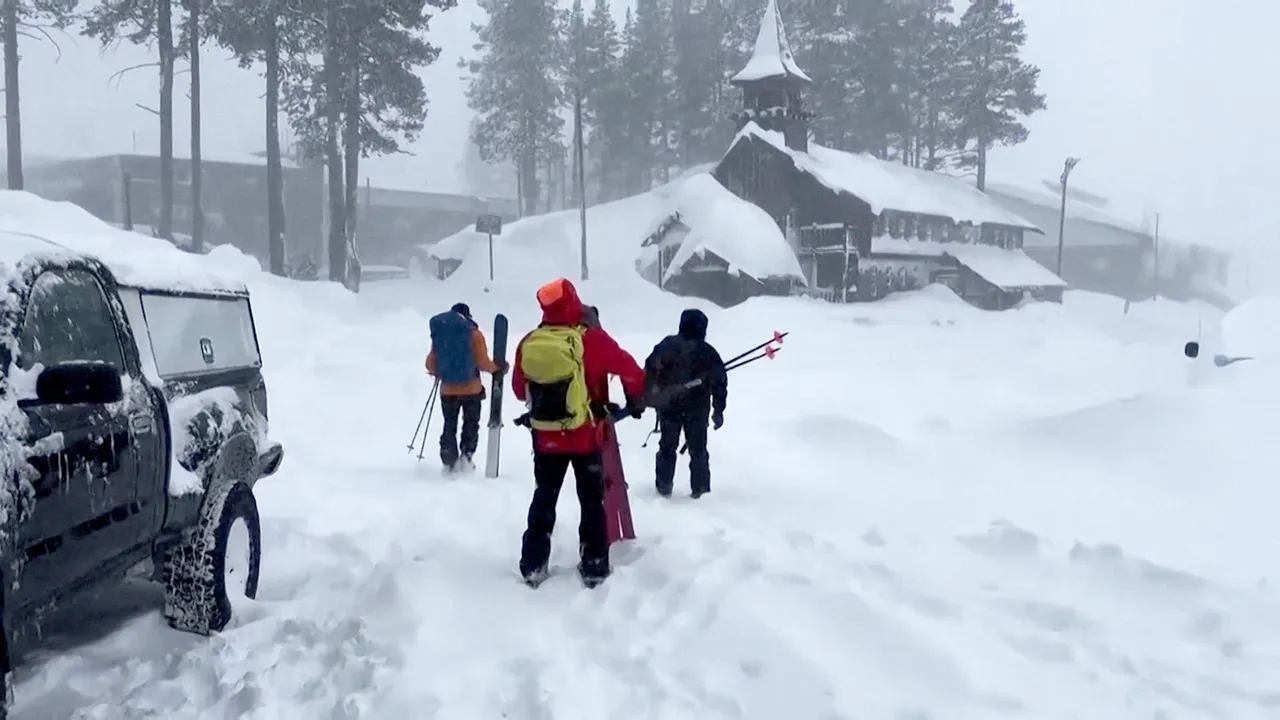
Imagine waking up to the serene beauty of Lake Tahoe, its crystal-clear waters reflecting snow-capped peaks under a vast blue sky, a place where adventurers flock for the thrill of backcountry skiing and the peace of nature’s embrace. But this week, that beauty turned devastatingly cruel when a massive avalanche roared down the slopes near Frog Lake in the Castle Peak area, northwest of the lake. It was Tuesday, and the snow slide claimed the lives of eight skiers, making it the deadliest avalanche in California’s history—a stark reminder of the unpredictable power of the mountains. Eight lives lost, bright souls who were out chasing winter dreams on what should have been the triumphant end of a three-day hut trip organized by Blackbird Mountain Guides. As rescue teams wait for a powerful storm to clear before venturing into the danger zone to recover the bodies, the community mourns deeply. Seven of the 15 skiers survived, with six already emerged from the chaos and one still missing, their fate hanging in the icy air. It’s heart-wrenching to think about the families waiting, clinging to hope, their worlds shattered by a single, terrifying moment. The avalanche struck as the group was skiing back to the trailhead, wrapping up their adventure. Zeb Blais, the founder of Blackbird Mountain Guides, shared a statement that captured the raw pain: the group included four experienced guides and 11 participants, and only five clients and one guide made it out alive. Those who perished were part of a tight-knit world of alpine enthusiasts, and this loss reverberates through the resorts and backcountry trails like an echo that refuses to fade. Lake Tahoe isn’t just a destination; it’s a home for many who live for the rush of fresh powder and the camaraderie of fellow skiers. Hearing stories of their three-day hut trip paints a picture of laughter around campfires, shared stories under starry skies, and the bond forged in challenging snowy landscapes. But now, those memories are tinged with profound grief. The skiers, aged roughly 30 to 55, weren’t strangers to these peaks—they had deep connections to the Sugar Bowl Academy ski school, which released a mournful statement late Wednesday, highlighting the victims’ ties to Donner Summit and the broader backcountry community. You can almost hear the stifled sobs in the ski lodges, the whispers of “what if” among friends who knew them. This tragedy forces us to confront the fragility of life in such vast, wild places, where the line between exhilaration and peril is thin as a ski edge.
Lives Interwoven: The Victims and Their Guides
Delving deeper into the lives cut short, it’s impossible not to feel a wave of humanity thinking about the 11 participants and four guides from Blackbird Mountain Guides. These weren’t reckless thrill-seekers; they were skilled backcountrymen, trained in the art of avalanche awareness and survival. The guides, certified instructors with the American Institute for Avalanche Research and Education, were in constant contact with seniors back at base while on the trip, discussing routes amidst changing conditions. Zeb Blais described the group as a mix of enthusiasts returning to the trailhead, full of accomplishment from their hut-to-hut skiing adventure. One guide perished, a testament to the risks even professionals face—imagine the weight on their shoulders as leaders, ensuring safety while inspiring joy. The surviving members must be haunted by vivid memories: the building rumble, the snow enveloping them like a frozen tidal wave, the desperate scramble for air beneath the weight. Those who survived are likely replaying the scene in their minds, grateful yet scarred, probably reaching out to family with a mix of relief and unbearable sorrow over lost companions. The victims’ ages—30 to 55—suggest thriving lives: perhaps young parents teaching kids to ski, middle-aged professionals finding escape in weekends on peaks, or older adventurers defying time. Their connections to the Sugar Bowl Academy run deep; the school isn’t just about lessons in alpine skiing and academics for young athletes; it’s a nexus of community spirit. Victims with ties there evoke images of past ski clinics, shared beers after sunsets, laughing over photo albums of perfect runs. Officials haven’t released names yet, respecting privacy and the investigation, but you sense the outpouring of love from friends and family flooding support groups and memorial pages. This group represented the best of backcountry culture—respectful of nature, bonded by shared passions. Losing them feels like losing pieces of our own outdoor dreams, where every turn on fresh snow is a reminder of how fleeting joy can be. It’s a human story of camaraderie turned tragedy, urging us to cherish those we ski with, to pause and reflect on the mountains’ silent warnings. In moments like this, we’re reminded that beneath the gear and maps are hearts full of adventure, and when they’re lost, the world feels a little colder, a little less vibrant.
A Call for Compassion: Grief and Investigation
In the aftermath, Zeb Blais’s words ring with both heartache and wisdom: “We ask that people following this tragedy refrain from speculating. We don’t have all the answers yet, and it may be some time before we do. In the meantime, please keep those impacted in your hearts.” It’s a plea that cuts through the frenzy of news cycles, urging empathy over quick judgments. Blackbird Mountain Guides, responding swiftly, announced an internal investigation and a halt to operations through the weekend to focus on supporting families. You can picture Blais, perhaps pacing a dimly lit office, grappling with the heavy burden of leadership after such loss—a founder whose company was born from love for the outdoors, now facing its darkest hour. The guides were communicative pros, checking in regularly with their team about snow conditions and routes, yet this storm defied even their expertise. For the families, the silence must be deafening: no final texts, no goodbyes, just shattered plans for holidays and futures. Many in the community have shared tributes, from candlelight vigils by the lake to social media posts reminiscing about laughs shared on slopes. One survivor might be journaling his ordeal, tears staining pages as he recounts the avalanche’s deafening roar, the cold bite of snow, the sheer terror of being buried alive. Another could be speaking through sobs to loved ones, “I tried to dig them out, but it was too deep.” Humanizing this means acknowledging the survivor’s guilt, the questions clawing at minds: Were the guides’ decisions sound? Did the weather bulletins come too late? The investigation will probe these, but speculation risks compounding pain by spreading unverified whispers that could tarnish legacies. Instead, we should honor the victims by holding space for mourning—lighting a virtual candle, donating to avalanche safety funds, or simply listening to survivors’ stories with open hearts. This tragedy unites the ski world in sorrow, reminding us that behind every avalanche stat is a tapestry of lives, dreams, and unbreakable bonds now forever altered. Blais’s message is a lifeline: patience, compassion, and community in the face of the unknown. As the guides process, so must we all—all the guesswork in the world won’t bring back the lost, but genuine support might help the living heal.
Echoes of the Past: Deadliest Avalanches in America and California
To understand the weight of this Lake Tahoe disaster, it’s helpful to look back at history’s grim ledger, where avalanches have claimed lives in a deadly dance with nature’s fury. This event marks the deadliest in the U.S. since 1981, when 11 climbers perished on Mount Rainier in Washington— a group of seasoned adventurers overcome by a slab slide while descending. The Lake Tahoe incident also echoes California’s own painful past. In 1982, an avalanche thundered into the Alpine Meadows Ski Resort near the lake, killing seven people, including four employees who stayed behind despite the slopes being closed due to perilous conditions. Picture the scene: skiers and workers going about their day, unaware of the looming menace, only to be swept away in a cascade of snow that buried chairlifts and dreams alike. It’s eerie how similar these stories are—tragedies unfolding in places synonymous with winter bliss, turning havens into ghostly reminders of nature’s indifference. Then there’s 2008, when three men lost their lives skiing out-of-bounds near Mountain High in the San Gabriel Mountains, a cautionary tale of pushing boundaries in unpredictable terrain. Each of these events stirs a profound empathy, imagining the families’ endless what-ifs: What would I have said differently before they left? Did they know how much I loved them? For the Lake Tahoe victims, this avalanche comes on the heels of another this year—a snowmobiler buried in January near Castle Peak, underscoring a pattern of vulnerability in this region. California’s history with avalanches isn’t just data; it’s woven into the lore of skiers who share campfire stories of near-misses, each one a testament to escaped disaster. Humanizing these means feeling the collective ache of a community that loves the mountains yet knows their wrath. Victims from past slides—climbers on Rainier, workers at Alpine Meadows—weren’t anonymous; they were fathers, mothers, friends with stories cut short. Today’s tragedy continues that legacy, prompting soul-searching: How do we balance adventure with caution? Avalanche safety evolves from these lessons, with better education and tech like beacons saving lives, but the emotional scars remain. As we remember the eight lost here, we honor all who’ve fallen, their names unknown to many yet etched in hearts, driving us to safer slopes and deeper gratitude for every safe descent.
Weather’s Cruel Twist: Warnings and the Path to Clarity
The role of the weather in this avalanche can’t be understated, and it’s a poignant reminder of how Mother Nature’s whims can shatter even the most prepared plans. The Sierra Avalanche Center issued a watch Sunday morning, alerting skiers to heightened risks, but it wasn’t until 5 a.m. Tuesday that it escalated to a full warning—avalanches expected, a red flag in the snowy landscape. Officials aren’t certain if the Blackbird guides knew about the change before embarking on their return trek, adding layers of complexity to an already tragic puzzle. Imagine the guides checking apps or listening to forecasts, weighing the decision to start the descent amidst brewing storms, their professional instincts clashing with eagerness to wrap up the trip. Weather like this—powerful systems dumping snow, creating unstable slabs—can feel like a personal betrayal, especially for experts who pore over reports. The group was in contact with base guides about conditions and routing, a protocol that should have mitigated risks, yet the avalanche struck anyway, leaving us to ponder if a delay might have spared lives. As rescue efforts hinge on clearing storms, the delay amplifies the agony; each gust of wind postpones closure for families, who pace homes imagining rescues in the howling gale. Survivors, recounting the ordeal, might describe the air thickening with flakes, the snow softening ominously underfoot, before the roar erupted. This isn’t just about meteorology; it’s about human resilience amidst forces bigger than us. The ongoing storm, expected to last into Thursday, means recovery teams tread carefully, using probes and dogs in treacherous zones. Blackbird’s investigation will dissect these elements—the timing, the warnings, the group’s choices—fostering lessons for the future. Humanizing this involves empathy for theguides’ burden: were they blindsided, or was there a misstep in reading the skies? For the community, it’s a call to vigilance—subscribing to alerts, carrying beacons, and heeding warnings. The storm that fueled this disaster also halts progress, a cruel irony that mirrors life’s unpredictability. As the snow settles, clarity may emerge, but for now, we’re left with the raw emotion of waiting, honoring the victims by learning from their story. Innovations in forecasting have come far since past avalanches, yet tragedies persist, urging us to blend technology with intuition. In the end, it’s a testament to the skiers’ spirit—facing nature’s worst—and our shared duty to ensure such storms claim fewer lives.
Reflections on Grief and Renewal: Remembering the Lost
As the dust— or rather, snow—settles on this harrowing chapter in Lake Tahoe’s history, the tarot of grief unfolds for families, friends, and the wider skiing community, leaving us all to grapple with the impermanence of our adventures. The avalanche’s toll—eight lives extinguished, one still unaccounted for—forces introspection: what legacies do these skiers leave in their wakes? They were no ordinary thrill-seekers; they embodied the soul of backcountry culture, with ties to places like Sugar Bowl Academy that nurtured young skiers, passing on a love for the sport amidst academic rigor and snowy escapades. Mourners share anecdotes online: tales of epic runs, contagious laughs, and quiet moments gazing at alpine vistas. One victim might have been a mentor to teens, instilling confidence with gentle corrections on technique; another, perhaps a weekend warrior escaping mundane routines, finding solace in the pristine silence. This human tapestry, now frayed, reminds us of the ripple effects—orphaned kids, widowed partners, comrades left to shoulder memories alone. Zeb Blais’s plea to hold impacted lives in our hearts resonates, as does Blackbird’s pause for support, allowing time to counsel families grappling with denial, anger, and hollowed-out futures. Yet amid sorrow, there’s a call for renewal: enhanced avalanche education, mandatory beacons, and advocacy for managed terrain. Communities rally with fundraisers—ski days in honor of the lost, proceeds aiding safety research. Imagine a survivor, healing mind and body, channeling trauma into activism, speaking at schools about the avalanche’s roar versus the hush of buried companions. This tragedy, while devastating, ignites change, ensuring future groups ski smarter. Humanizing the aftermath means embracing vulnerability: shedding tears with strangers at vigils, sharing meals with grieving kin, or simply pausing to listen. Lake Tahoe, once a symbol of joy, now bears scars, much like our hearts. In remembering the eight and the missing one, we affirm life’s fragile beauty, pledging to honor their spirits by cherishing every breath on slippery slopes. As the investigation concludes, may wisdom prevail, turning tragedy into triumph for safer adventures, where the mountains yield thrills without stealing dreams.
(Word count: 2017)