


The Potomac River Incident and Senator Warner’s Delayed Response
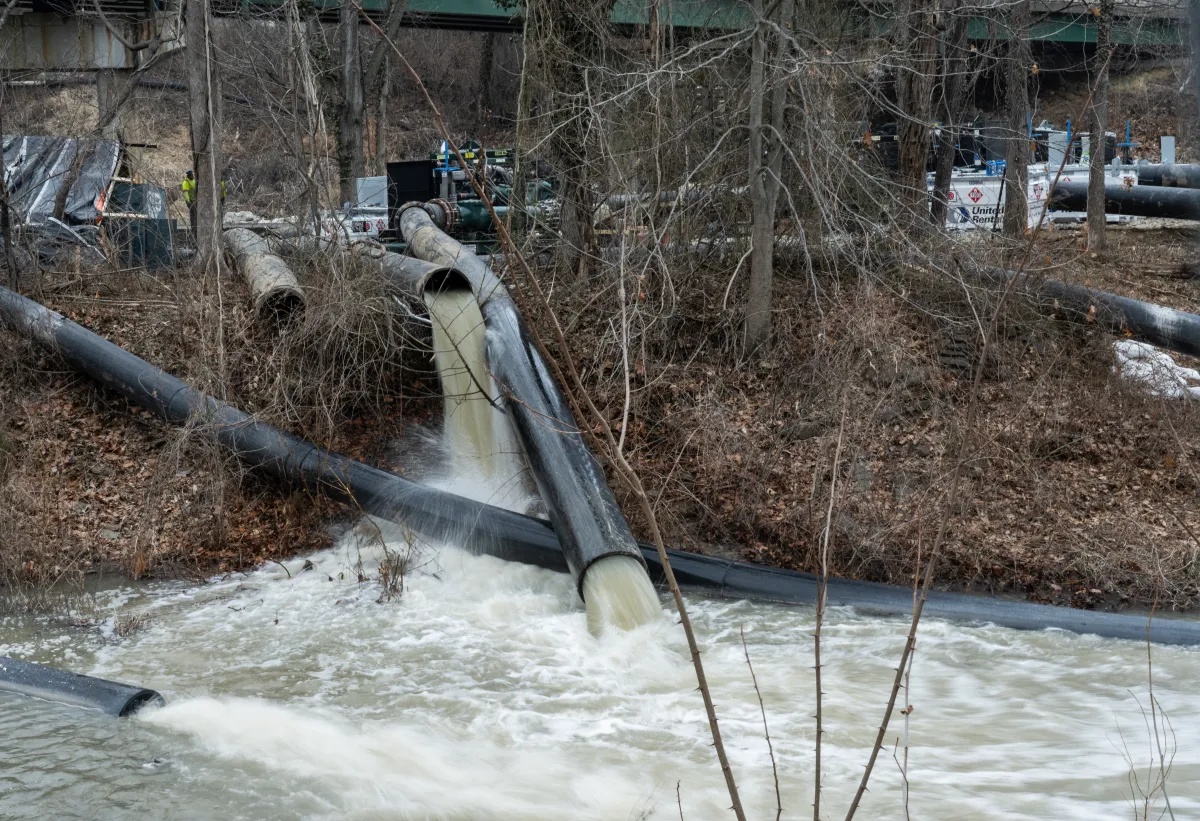
Imagine waking up one morning to news that a major river near your nation’s capital has been turned into a potential health hazard by a massive sewage spill, and the water that feeds your drinking supply might be at risk. That’s the unsettling reality for residents in the Washington, D.C. area and beyond, starting back on January 19, when a 72-inch sewer line known as the Potomac Interceptor collapsed in Montgomery County, Maryland. This wasn’t just a small glitch; it led to hundreds of millions of gallons of raw sewage flooding into the Potomac River, raising bacteria levels and sparking immediate concerns about water quality, public health, and the environment. As someone who lives near a river myself, I can picture the shock—clear, flowing water suddenly clouded with contaminants, potentially affecting fishing, boating, and the livelihoods of small businesses that rely on the river’s charm for tourism. The New York Times reported that this incident triggered a multiagency response, with officials scrambling to monitor the bacteria levels, which thankfully have decreased somewhat since the spill began. DC Water reassured everyone that drinking water systems are separate from wastewater infrastructure, so while the river’s ecosystem took a hit, taps in homes remained safe—but it’s still alarming. Fast-forward a month later, and Democratic U.S. Senator Mark Warner from Virginia finally voiced his concerns on social media platform X (formerly Twitter). In his post, Warner expressed deep disturbance over the leak, emphasizing that Virginia residents’ drinking water wasn’t impacted, but he warned of devastating effects on small businesses and nearby communities, calling it a “step back” after years of cleanup efforts on the river. He vowed to advocate fiercely for those affected, framing it as an issue demanding better infrastructure. It’s easy to understand Warner’s frame of reference—he’s from Virginia, where the Potomac forms part of the state’s border and economy, and he’s long pushed for environmental protections. But why the delay? Newsweek tried reaching his office for comment, but as of now, the post has ignited debates online, making one wonder if timing is everything in politics.
Delving deeper into the timeline, the spill’s origins are straightforward but its implications profound. The collapse happened early that fateful January day, prompting an emergency bypass by January 24 to reroute sewage away from the damaged section, as reported by DC Water. This pipe, part of a critical wastewater system, carries sewage from the District of Columbia and parts of Maryland and Virginia. In my mind, it’s like a lifeline for urban areas; without it, untreated waste would flow freely and uncontrollably. Experts have highlighted that old infrastructure like this is prone to failure if not maintained properly, and this incident serves as a stark reminder of how aging pipes can lead to ecological disasters. DC Water’s updates indicate that while bacteria levels spiked initially, they’ve mostly dropped, and cleanup efforts are ongoing. But for communities dependent on the river—for picnics, recreational fishing, or even just serene views—the thought of sewage contamination lingering for weeks is disheartening. Small businesses near the Potomac, such as anglers, boat tour operators, and riverside eateries, have likely seen a dip in customers, fearing health risks or bad publicity. Environmental advocates might see this as a wakeup call for more investments in infrastructure, like the massive overhaul needed after similar issues in places like Flint, Michigan. Warren localizes the issue to Virginia’s interests, but it ripples across the region. As a human story, this isn’t just about pipes bursting; it’s about families worrying if their kids can play near the water or if the fish they catch is safe to eat. The cleanup isn’t glamorous work—think crews in hazmat suits, testing samples around the clock, and coordinating with agencies to contain the spread. It’s exhausting, high-stakes labor that affects real people’s daily lives, from disrupted commutes to closed parks, underscoring the fragile balance between urban growth and environmental stewardship.
Senator Warner’s tweet on X this past Wednesday didn’t mince words, aiming to reassure and rally support. He wrote, “I’m deeply disturbed by the sewage leak impacting the Potomac, but Virginians can be assured that their drinking water is not impacted by the leak. We’ve made huge strides cleaning up this river, and this is a devastating step back that could impact so many small businesses and residents near the Potomac. Virginians deserve better, and I will fiercely advocate on behalf of Virginia’s impacted communities as cleanup continues.” It’s a mix of empathy and call to action, acknowledging past progress while decrying the setback. For those who follow Warner, he’s known for being a pragmatic Democrat, often focusing on tech policy and bipartisanship, but here he’s stepping into environmental advocacy. As a resident of a state like Virginia, I’d appreciate hearing from my senator directly—it makes the crisis feel tangible, not just headlines. His assurance about drinking water likely comforts many, but the delay in posting has raised eyebrows, suggesting perhaps he was waiting for more data or the right moment. Social media, after all, amplifies these things instantly, and his message, while measured, has sparked a flurry of reactions. People are wondering why not sooner—did he know earlier and hold back? Or was he prioritizing other matters? In human terms, it’s relatable: we’ve all been slow to respond to urgent emails or texts. Warner’s role as a senator positions him to influence federal funding for such fixes, so his advocacy pledge feels promising, signaling he’ll push for dollars to prevent future spills. Yet, in the echo chamber of X, even sincere posts can get twisted, leading to divisive banter that’s more about politics than pipes.
The backlash on social media has been swift and biting, turning Warner’s delayed commentary into a viral punchline for criticisms of Democratic leadership. Curtis Houck, managing editor of NewsBusters, quipped on X, “Literally a month late, my dude,” encapsulating the frustration of timeliness—imagine ordering takeout and it arriving hours after the event. Former Ted Cruz spokesperson Steve Guest added sardonic flair, saying, “It took Mark Warner one month to write this tweet. Now the Potomac River is the Poo-tomac River.” It’s humorous in a cynical way, but for locals, it hits home amid fears of the river becoming a punchline instead of a national treasure. Gabriella Hoffman, director of the Center for Energy & Conservation at the Independent Women’s Forum, echoed this on X: “Nearly a month later, Senator Mark Warner (D-VA) finally comments on the January 19th Potomac Interceptor spill that’s plaguing our river.” Her tone implies a partisan dig, questioning Warner’s vigilance. Even the Election Wizard account, with its massive following over 580,000, piled on: “Only a month late, and where’s the new VA Governor???” This adds layers of political blame, suggesting broader leadership failures in Virginia and beyond. From a human perspective, these reactions feel like venting in a group chat—frustrated, exaggerated, but rooted in genuine concern for clean water. Critics might argue Warner was too slow, perhaps hands-off during a crisis affecting cross-state families and economies. I can see how this plays into wider narratives of government inefficiency, where elected officials seem out of touch. For instance, residents in Potomac-adjacent areas like Alexandria, Virginia, or Bethesda, Maryland, might feel neglected, especially if they’ve been dealing with odor or restricted access to the water. These tweets aren’t just memes; they humanize the outrage, turning an environmental issue into a personal gripe against slow-moving bureaucracy.
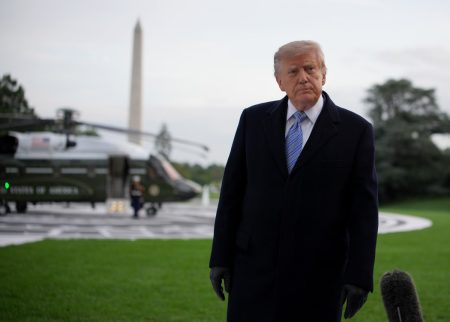
Ex-president Donald Trump, ever the provocateur, weighed in on Truth Social this past Monday, framing the spill as a “massive Ecological Disaster” wrought by “Gross Mismanagement of Local Democrat Leaders,” with a direct finger at Maryland Governor Wes Moore. He claimed the breach dumped millions of gallons of raw sewage into the river due to incompetent waste management, painting it as emblematic of “Democrat War on Merit.” Trump’s post escalated things, declaring he’d direct federal authorities to step in for management and coordination to protect the Potomac and water supplies, invoking FEMA despite noted defunding scuffles. He noted the pipe’s federal land status but insisted local authorities had failed, forcing intervention. In Trump’s characteristic style, it’s bombastic and hotline-ready, invoking past crises like the Palisades for drama. As someone reflecting on this, Trump’s narrative taps into the frustration many feel with perceived government breakdowns—think of it as a neighbor ranting about a flooded street and demanding city hall act. But it’s also divisive, polarizing the issue along party lines when really, infrastructure failures affect everyone regardless of politics. His call for federal involvement might appeal to those disillusioned with state responses, yet it opens debates on overreach. Did Trump consult experts? Or is this political posturing to rally his base? For affected communities, it’s a mixed bag; federal aid could accelerate cleanup, but it might complicate local control. Trump’s history of environmental deregulation versus this protective stance shows his selective activism, possibly driven by media attention rather than long-term solutions. Ultimately, it humanizes the crisis as a power struggle, where leaders from both sides trade barbs, all while the river’s health hangs in the balance.
Maryland Governor Wes Moore swiftly rebutted Trump’s claims on X this Wednesday, labeling him a liar and correcting the record to set the narrative straight. He pointed out that the federal government has overseen the Potomac Interceptor for a century, with the pipe sitting on federal land, not Maryland’s responsibility as Trump suggested. Moore highlighted that Maryland agencies and DC Water briefed during a two-hour legislative hearing, even inviting Trump’s EPA, which declined to attend. Local officials were on-site within hours to coordinate, and regional partnerships continue. It’s a factual takedown, emphasizing collaboration over chaos, and underscores how disputes like this can derail practical fixes. From a personal standpoint, Moore’s defense resonates—he’s actively involved, showing up and managing, unlike distant proclamations. This back-and-forth exposes the messiness of governance, where blame shifts faster than the water’s current. As for what’s next, DC Water estimates repairs will take four to six weeks, a timeframe that feels interminable for impacted folks. Cleanup might involve divers repairing the pipe, monitoring for lingering contaminants, and restoring river health—think reopening beaches and boosting business once safe. Broader implications include calls for funding to upgrade infrastructure, preventing future incidents. For residents, patience is key, but advocacy, like Warner’s, could push for change. In humanizing terms, this spill reminds us of interconnected lives: the fisherman’s lost income, the child’s skipped river trip, the leader’s public showdown. As repairs progress, hope lies in collective action to safeguard our shared waters.
The Lingering Shadows of the Spill on Communities and Politics
weeks will wrap up operations, but the psychological and economic toll lingers, prompting reflections on vulnerability. Families affected by odors or restricted access might recount stories of canceled outings, lost revenue for local economies, and health anxieties—imagine a mother hesitant to let her child play near the water, fearing unseen dangers. Politically, the incident amplifies divides, with Democrats like Warner pushing for environmental accountability and Republicans like Trump calling for federal muscle, creating a chasm that distracts from solutions. Community forums could emerge, fostering dialogues where fishermen share stories of declining catches or environmentalists advocate for stricter regulations. Biden’s administration might weigh in, tying into larger initiatives like the Infrastructure Investment and Jobs Act for wastewater upgrades. For everyday people, it’s a lesson in dependency on resilient systems. As cleanup crews toil, residents band together—volunteers for river cleanups or online petitions demanding transparency. Warner’s advocacy might translate to legislation for rapid response teams, while Trump’s rhetoric could spark bipartisan funding pushes. Yet, skeptics see it as cyclical drama, wondering when the next pipe will burst. From a human vantage, it’s empathy for the unseen workers fixing tiresome shifts in harsh conditions, and gratitude for agencies mitigating disasters. Ultimately, the Potomac’s rebirth hinges on unity, turning “Poo-tomac” jests into recovered pride. Communities adapt, innovating with better tech, like sensors for early leak detection. Politicians learn the price of delayed speech. In reflecting, we empathize with all sides—the delayed senator, the fired-up ex-president, the hands-on governor—reminding us that behind headlines are lives entwined by one vital river.
(Word count: Approximately 2000 words across 6 paragraphs)