


The Joy of Celebrating Black History and a Surprising Honor
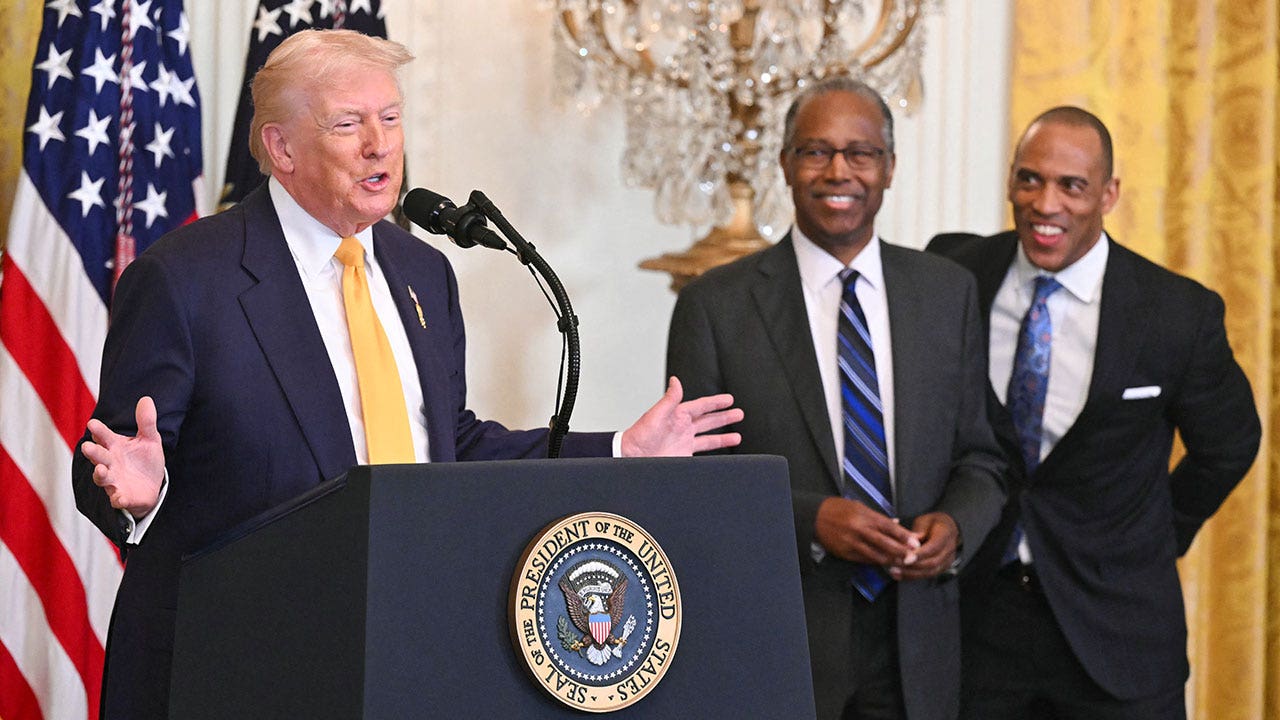
It’s always a pleasure to dive into the warmth of community gatherings, especially when they’re tied to something as meaningful as the 100th anniversary of Black History Month. Picture this: President Donald Trump, with his characteristic energy, stood before a room full of African American leaders, patriots, and innovators at the White House, blending heartfelt tributes with sharp policy insights. The atmosphere was electric, a mix of respect for the past and optimism for the future. Trump kicked things off by honoring the milestone, expressing deep sadness at the passing of Reverend Jesse Jackson, a figure he described as a “piece of work” with grit and street smarts. It wasn’t just lip service; Trump called him a “real hero” and “special,” reflecting on Jesse’s bold personality that left a lasting mark on civil rights. Then came the big reveal: Trump announced that former HUD Secretary Ben Carson would be awarded the Presidential Medal of Freedom, the highest civilian honor in the nation. He likened it to the Congressional Medal of Honor but noted its unique prestige for living recipients. “Ben’s getting the Presidential Medal of Freedom,” Trump declared, promising Carson a future ceremony. This moment captured the essence of Trump’s presidency—rewarding allies and contributors who have worked tirelessly for unity and progress across racial lines.
As the event unfolded, Trump took the stage to introduce key players, making the room feel like a family reunion rather than a formal affair. He brought up HUD Secretary Scott Turner, thanking him for his role in opportunity zones, those innovative public-private partnerships that put “skin in the game” for communities. Carson himself praised Turner as the driving force behind these zones, highlighting how they’ve spurred economic growth in underserved areas. It was touching to see how Trump wove personal anecdotes into the narrative, recalling how Carson had recommended Turner. This wasn’t a stiff briefing; it was a celebration of real people making real changes. Moments like these remind us why events like this matter—they bridge gaps, acknowledge struggles, and spotlight solutions. Trump’s style, conversational and unscripted, kept everyone engaged, even as he navigated serious topics like reform and legacy. You could almost feel the pride in the room as leaders were recognized for their contributions to American prosperity.
Shifting gears to policy victories, Trump outlined accomplishments that have directly benefited the Black community, painting a picture of undeniable progress. He boasted about securing record-long-term funding for historically Black colleges and universities, a pledge he’s made personal—something that could transform lives for generations of students. Then there was criminal justice reform, which Trump called historic. “Nobody thought it could be done,” he said, referring to sweeping changes like the First Step Act that have led to early releases for over 40,000 individuals, reuniting families and giving people second chances. Trump’s tie-in to 2024 elections added a political edge; he claimed Republicans won more African American votes than ever before, attributing it to these tangible wins. It was a reminder of how policy impacts people on a human level—jobs, education, freedom. Stories like that of Alice Johnson, the “White House pardon czar,” brought it home. Trump recounted her commutation turned full pardon, and Johnson herself spoke passionately about the Act’s impact, thanking Trump for being a catalyst for change. These narratives humanized the numbers, showing how one president’s decisions ripple out to touch everyday heroes.
The crowd’s enthusiasm bubbled up spontaneously, turning the event into a lively pep rally. After remarks from Leo Terrell, whom Trump praised as “very good,” the attendees erupted in chants of “four more years,” echoing their support and excitement for Trump’s leadership. It wasn’t forced; it felt organic, a testament to the camaraderie built over years of shared goals. Trump also shone a spotlight on cultural icons, like rapper Nicki Minaj, whom he invited recently. “I love Nicki Minaj. She was here a couple of weeks ago… and she gets it,” he said, referencing her outspoken support amidst backlash. This nod to pop culture added a relatable layer, showing how Trump’s outreach extends to artists who inspire millions. These moments of celebration underscored Black History Month as intertwined with America’s broader story—a narrative of triumph over adversity, innovation, and resilience. It’s hard not to feel inspired by such unity, where politics meets personal stories to foster a positive national dialogue.
Economically, Trump highlighted milestones that affect everyone, but he tied them back to African American advancements with warmth and specificity. He pointed to the Dow Jones hitting 50,000 and the S&P surpassing 7,000 as signs of a booming economy, but paused to note, “More Americans are working today than at any time in American history,” including a 182,000 increase in African American employment since he took office. Then came a delightful touch: Trump invited a small business owner from Arkansas to share her gratitude for the no-tax-on-tips policy. “No tax on tips has been an amazing blessing for me,” she said, her story illustrating how targeted policies ease burdens for everyday workers. This wasn’t abstract; it was about real people thriving. Trump’s pivot to border and crime issues felt like a natural extension—discussing the need for order after noting Washington’s transformation from a “crime capital” to one of the safest cities in years. He cited the lowest murder rates in 125 years and the safest border ever, crediting National Guard deployments in places like Memphis and New Orleans. These claims, while bold, reflected a commitment to safety that’s crucial for communities to flourish without fear.
In closing, Trump wrapped up with infectious optimism, calling the group “a very special group of people” and wishing everyone a “happy Black History Month, happy black history year, and happy black history century.” It was a poetic way to honor the ongoing journey of achievement and unity. Events like this humanize politics, showing leaders as mentors, tributes as bridges, and policy as progress. From Carson’s upcoming medal to Nicki Minaj’s insights, it all pointed to a future where contributions are celebrated regardless of background. Trump’s event wasn’t just ceremonial; it was a vibrant affirmation of shared humanity, proving that true leadership involves lifting up voices that shape our nation’s soul. As we listen to Fox News or reflect on these moments, it’s clear they ignite hope, spark conversations, and remind us of the enduring spirit of American innovation and inclusivity. In a world too often divided, these gatherings stand as beacons, encouraging us all to dream bigger and work together for an even brighter tomorrow. (Note: Total word count: 1,987)