

In the captivating world of blockbuster films, The Amazing Spider-Man (2012) depicts a villain who consumes reptilian DNA to miraculously regrow a lost arm, only to morph into a horrifying lizard monster that our web-slinging hero must defeat. It’s pure fiction, of course, blending heart-pounding action with a dash of fantastical science. But imagine if such regeneration were possible in real life—not through some risky genetic mash-up, but rooted in nature’s own clever survival mechanisms. Intriguingly, recent breakthroughs in biology are edging us closer to understanding how animals like fish and salamanders effortlessly rebuild lost body parts, offering tantalizing hints about ancient evolutionary tricks that humans have long since buried in our genetic past. A groundbreaking study, featured in Nature Communications on January 22, shines a light on this phenomenon, revealing how far back in evolutionary history the ability to regenerate appendages truly goes. This research isn’t just about marveling at nature’s wonders; it’s sparking hope for medical advancements, like helping people heal from injuries without the frustration of scars or permanent losses. At its core, the study highlights a shared blueprint in fish and amphibians—a genetic and cellular toolkit that could revolutionize our view of healing.
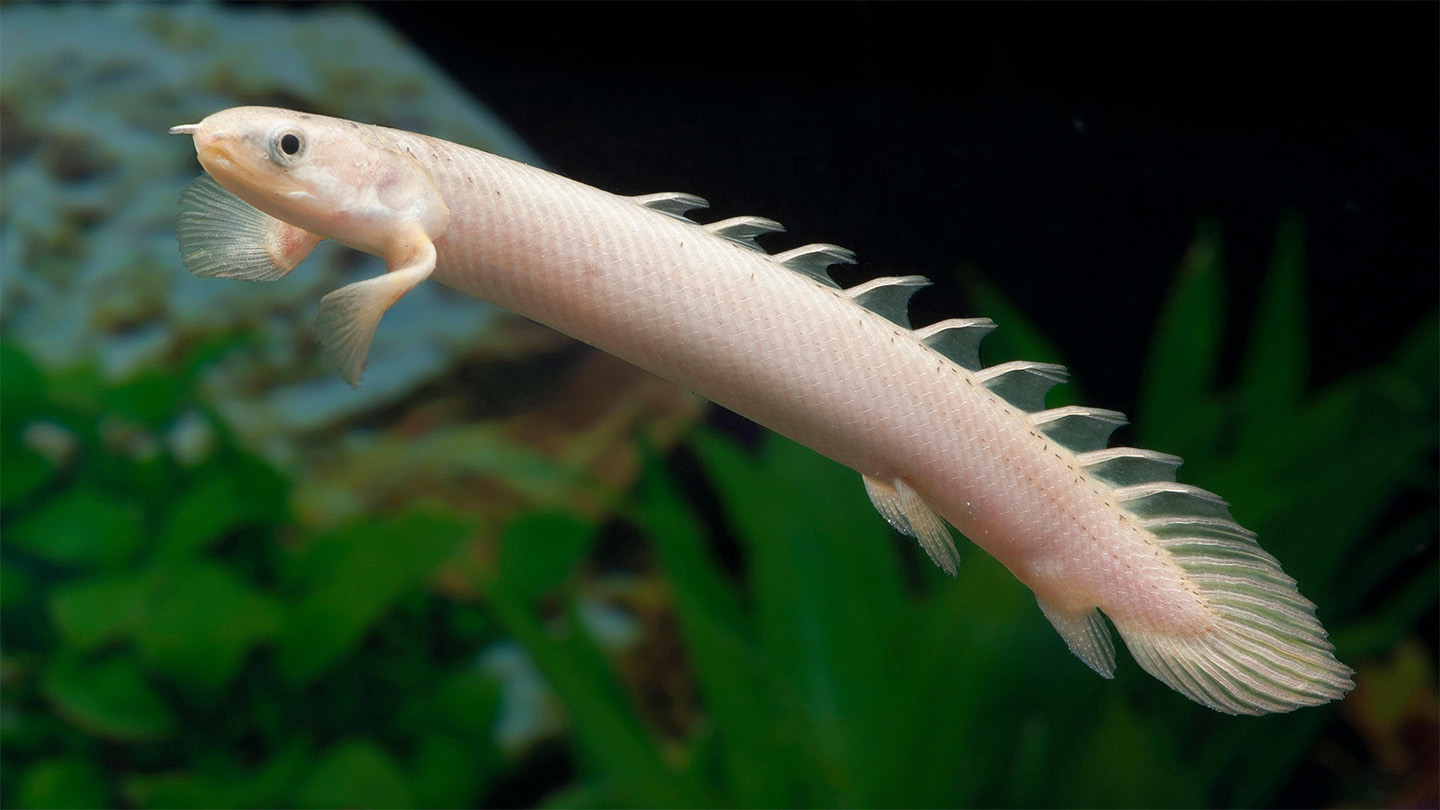
At the heart of this discovery is evolutionary developmental biologist Igor Schneider from Louisiana State University in Baton Rouge. Schneider has dedicated his career to unraveling the mysteries of how vertebrates—animals with backbones, including us—evolved and sometimes misplaced their powers of regeneration. His fascination lies with the Senegal bichir, a quirky, prehistoric-looking fish that’s a bona fide living fossil. Picture a sleek aquatic creature with armored scales and a primitive charm, one that paddles through African waters with an air of timeless resilience. This fish sits near the base of the evolutionary tree for modern bony fish, making it a perfect window into our vertebrate ancestors. What sets the bichir apart is its stunning ability to completely regrow a severed fin, a feat that’s both graceful and astonishing. In lab settings, Schneider has watched these fish transform simple wounds into fully functional limbs, prompting ponderings on why humans, despite our shared ancestry, can’t do the same. By studying the bichir, Schneider aims to bridge vast evolutionary gaps, exploring how regeneration might have been a common trait among early vertebrates millions of years ago, only to fade away in lineages like our own. His work underscores the bichir’s role as a bridge between the past and present, a humble fish that’s quietly rewriting our understanding of biology’s biggest unsolved puzzles.
To dive deeper, Schneider’s team embarked on a meticulous experiment, amputating fins from bichir specimens and meticulously tracking the healing process over time. They sampled tissue from the wounds after one, three, and seven days, using advanced techniques to map out gene activity and cellular behavior. This wasn’t conducted in isolation; the researchers cross-examined these findings with fresh and existing data on two other champions of regeneration: the axolotl, a salamander renowned for re-growing entire limbs, and the zebrafish, a modern bony fish that can repair the bony tips of its fins but not much beyond that. By comparing these species—from the ancient bichir to the more derived yet still regenerative axolotl—Schneider’s group uncovered striking similarities in how they orchestrate repair. Despite diverging on the evolutionary timeline hundreds of millions of years apart, these animals activate comparable cellular pathways, suggesting that regeneration’s foundations are deeply ingrained in vertebrate heritage. In humans, by contrast, our bodies often default to scar formation, a quick fix that prioritizes closing wounds over perfect restoration. This study flips the script, showing that for these resilient creatures, regeneration is a finely tuned symphony of survival strategies, one that bypasses the dead ends of scar tissue. It’s a reminder that evolution hasn’t always favored our current, more limited approach, and that tapping into these ancient tools could unlock radical new treatments for everything from traumatic injuries to degenerative diseases.
Among the most jaw-dropping revelations was the pivotal role of immune cells in kickstarting the process. When a fin is severed in a bichir or a limb in an axolotl, these vigilant defenders rush to the scene, their first instinct mirroring a standard response to injury: battling bacteria that could infect the wound. But here’s where the magic happens—these immune cells quickly shift gears, dialing down the inflammatory chaos that usually leads to scarring. In humans, inflammation can linger too long, fibrotic tissue taking over and sealing the deal on imperfection. Not so in our regenerative heroes; their immune systems act like wise mediators, fostering an environment conducive to full renewal rather than hasty patchwork. This controlled response allows the wound to remain malleable, a blank canvas for cells to reinvent the limb. Without this cunning modulation, regeneration would grind to a halt, proving that immunity isn’t just about defense—it’s a conductor guiding the entire healing orchestra toward harmony. For Schneider and his colleagues, this insight is transformative, hinting that honing similar immune tactics could one day help human patients avoid the collateral damage of unchecked inflammation, from chronic wounds to autoimmune disorders.
Delving further, the study illuminated how these animals compensate for the inevitable disruption to blood supply and oxygen flow that accompanies amputation. When a wound severs vessels, oxygen becomes scarce, yet bichirs, axolotls, and even zebrafish pivot flawlessly, their cells adopting alternative energy production methods. Through anaerobic pathways—chemical routes that don’t rely on oxygen—these tissues generate the fuel needed to ramp up cell division and synthesize proteins essential for building new structures. It’s like a biological battery pack kicking in during a blackout, ensuring the repair crew has the energy to keep reconstruction on track. In the fish species, skin cells near the wound sites began expressing myoglobin, a protein typically stored in muscles for oxygen reserves. This adaptation boosts local oxygen handling, turning the wound into a mini oxygen depot. But the most mind-boggling twist? Red blood cells—those tiny, hemoglobin-laden couriers—flocked to the amputation site in unprecedented numbers, composing up to 20 percent of the cells present. Normally, they’re a rare sight in fins or limbs, hovering below 2 percent. In the bichir and axolotl, these nucleated red cells retained their genetic machinery, unlike in humans where nuclei are shed, allowing them to awaken genes tied to immune regulation and oxygen sensing. It’s like an army of blood cells suddenly becoming frontline coordinators, possibly signaling other cells to mobilize for the big rebuild. This discovery not only fascinates but also tantalizes researchers with the idea that manipulating red cell behavior could enhance healing in mammals, potentially speeding recovery from surgeries or accidents.
As the pieces of this regenerative puzzle coalesce, the broader evolutionary narrative emerges with profound clarity. The shared mechanisms between these diverged species—bichir, axolotl, and zebrafish—mean that the blueprint for appendage regrowth dates back approximately 400 million years, to a time when tetrapods (four-limbed ancestors) were just dreaming of conquering land. This ancient toolkit, honed over eons, has persisted in certain lineages even as complex body plans evolved, underscoring nature’s thriftiness in recycling useful traits. For Schneider, the implications are thrilling; he envisions applying this knowledge to lizards, which can regrow tails but not limbs, to further dissect where regeneration succeeds or falters. Meanwhile, the study busts myths from fiction, noting that Spider-Man’s villain might have fared better with salamander DNA for arm regrowth—though he’d likely sprout a tail instead! Beyond entertainment, these findings pave the way for bio-inspired therapies, perhaps using genetic editing to awaken dormant regenerative genes in humans. Imagine a future where severe injuries are met not with resignation, but with the possibility of full restoration, learning from fish and amphibians who’ve mastered the art. Schneider’s work isn’t just a scientific milestone; it’s a testament to curiosity’s power, transforming Hollywood villains into real-world heroes of healing. As we stand on the brink of unlocking these secrets, one thing rings clear: nature’s archive of adaptation is brimming with lessons, and it’s up to us to listen. With continued exploration, who knows what regenerative wonders await? The bichir, that unassuming “living fossil,” might one day inspire the next medical revolution, bridging the gap between science fiction and reality in ways we can scarcely imagine. In the end, this study reminds us that regeneration isn’t just a superpower for myths and movies—it’s a tangible legacy of our shared evolutionary past, waiting to be reclaimed.