



The Winter Olympics Spotlight: A Day of Dreams and Heartbreaks on the Ice
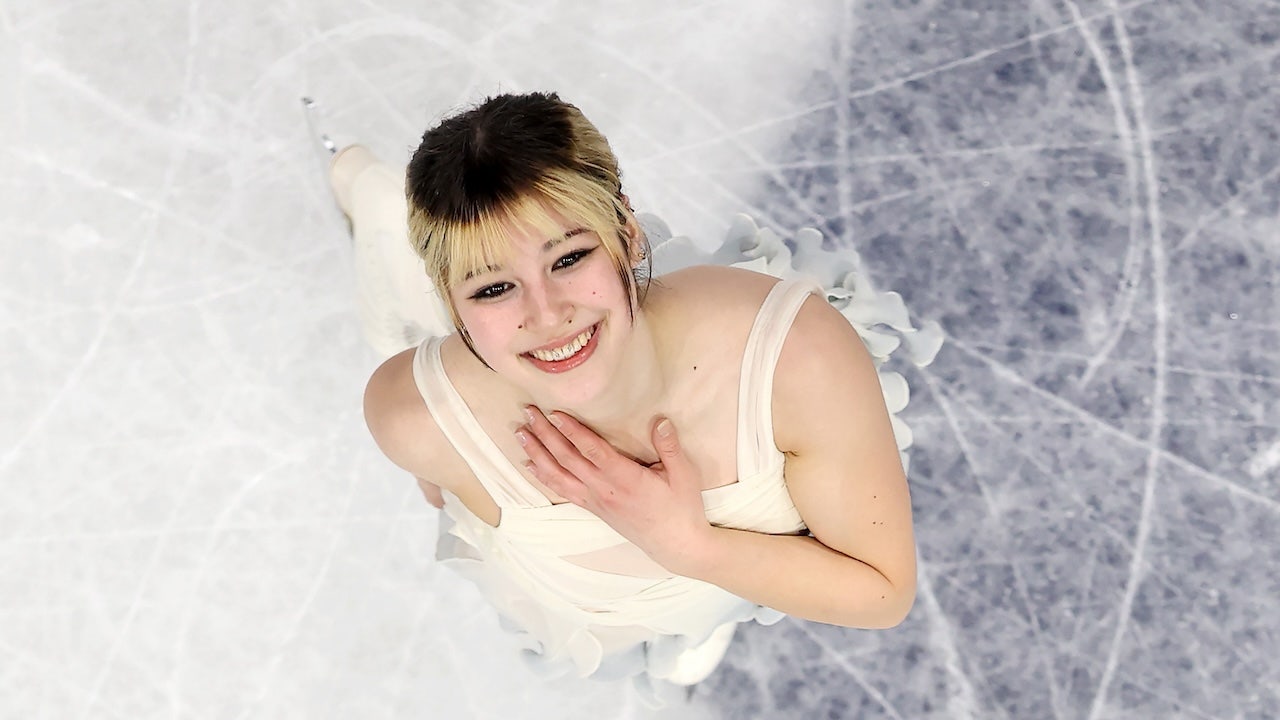
The Milan Cortina Winter Olympics have been a whirlwind of high-stakes drama, where athletes defy gravity and push human limits. For the United States figure skating team, this year’s event started with a triumphant team gold medal just a week ago, a shiny victory that had fans cheering from living rooms across America. But individual competitions have told a different story, one marked by unexpected falls, controversial judges, and the crushing weight of expectations. Among the highlights is the women’s short program, where young stars battled not just the routine but the invisible forces of pressure and history. Leading the charge as Team USA’s last shot at an individual gold is Alyssa Liu, the reigning world champion, who flipped the script with a performance that had the crowd buzzing. On that chilly Tuesday night in Italy, Liu didn’t just skate—she soared, landing a triple Lutz-triple loop combination that no other woman dared attempt. It was a move so daring that it catapulted her into second place, just two points behind Japan’s Ami Nakai and tied closely with teammate Kaori Sakamoto. Watching from the sidelines, commentators couldn’t help but marvel at how this 18-year-old phenom turned what could have been a stressful ordeal into a moment of pure magic.
Alyssa’s journey to this podium contender spot isn’t just about jumps and spins; it’s woven into the fabric of her personal life. After her program, she beamed in the mixed zone, her face lighting up like a kid who just aced a school recital. “I am really happy about how I skated,” she shared, her voice carrying a mix of excitement and relief. It wasn’t just pride in her performance—it was the sight of her family cheering her on that made it special. Her siblings, best friends, and a ton of relatives were there in the stands, ones who rarely make it to competitions like this. Imagine skating under those bright lights, catching glimpses of your loved ones mid-program; it’s the kind of emotional anchor that grounds even the most talented athletes. Alyssa felt a deep connection to her routine, describing it as “super grounded” and a whole new level of storytelling through her movements. It’s these human moments that remind us why we tune in—figure skating isn’t just sport; it’s a personal narrative where vulnerability meets victory. As she spoke, you could sense the warmth in her words, the genuine joy of sharing her world with those who matter most. This isn’t some robotic prodigy; it’s a teenager whose heart beats loudly alongside her athletic prowess.
Meanwhile, the American women’s field faced a rollercoaster of results, painting a picture of resilience amid setbacks. Amber Glenn, another promising U.S. skater, poured her soul into the ice but stumbled just short of the mark, finishing 13th and missing advancement by a single spot. Walking off the rink in tears, Amber’s disappointment was palpable, a raw heartache that every athlete knows too well. It’s moments like these that humanize the Olympics—the tears, the hugs from coaches, the quiet reflection in the shadows of the arena. Then there’s Isabeau Levito, who hit a triple loop but got deductions for under-rotations and a leveled-down step sequence, areas where she usually shines. Ending up eighth, she’s now an uphill battle for medals, but her spirit remains unbroken. These young women embody the dreams deferred, yet their grit fuels future champions. Off the women’s rink, the U.S.’s ice dance duo, Madison Chock and Evan Bates—affectionately called a skating power couple—left with silver, thanks to some eyebrow-raising scoring from a French judge that had fans questioning the calls. Veterans like them, with years of harmony and lifts perfected, deserved more scrutiny. And don’t forget Ilia Malinin, the two-time world champion and men’s favorite, who shockingly faltered in the free skate, crashing twice and landing eighth. Just days later, he hinted at the intense pressure that Olympics bring, a reminder that even the best can crumble under the weight of expectations.
Now, with these individual letdowns, all eyes turn to Alyssa Liu as Team USA’s golden hope in the women’s free skate. The stakes couldn’t be higher—her performance on Thursday night might be the difference between heading home with or without a solo gold in figure skating. It’s a heavy mantle for a teenager, but Liu’s approach is refreshingly grounded. When asked about toppling her Japanese rivals, she shrugged it off with wisdom beyond her years: “Whether I beat them or not is not my goal. My goal is just to do my programs and share my story and I don’t need to be over or under anyone to do that.” In a world obsessed with winners and losers, her words echo a deeper truth—skating is about expression, growth, and joy. Fans can sense the shift; this isn’t just about medals; it’s about preserving Team USA’s figure skating legacy. As pressure mounts, Liu remains focused on her narrative, her family’s cheers fueling her fire. The free skate looms, where intricate choreography and quadruple jumps could redefine careers. It’s a testament to her maturity that she doesn’t let the spotlight define her, instead choosing to skate for the love of the sport.
Beyond the podium, these Olympics highlight broader themes in sports: the intersection of talent, mental health, and the judging controversies that spark global debates. Figure skating, with its subjective scoring, often feels like a popularity contest disguised as precision. Yet, amid controversies like the French judge’s decisions or Malinin’s hints at Olympic strain, the human stories shine through. Athletes like Alyssa connect with audiences on an emotional level—her family cheering in the stands isn’t a publicity stunt; it’s a lifeline in a high-pressure world. As the Games unfold, there’s chatter about audio features from Fox News, letting fans listen to articles while multitasking, making sports more accessible. It’s a nod to how we consume news in 2024, blending visuals with voice, turning passive reading into immersive experiences. This innovation mirrors the evolving nature of Olympics coverage, where behind-the-scenes stories build community. For U.S. fans, the silver in ice dance or Malinin’s stumble aren’t just results; they’re chapters in a larger epic of perseverance.
Looking ahead to the 2026 Winter Olympics, the lessons from Milan Cortina will shape future training and advocacy. Liu’s poise under pressure could inspire a new generation, proving that success isn’t measured solely by golds but by the stories we tell and the connections we forge. As she prepares for her free skate, the world waits with bated breath—will Alyssa deliver the individual medal Team USA craves, or will the Japanese duo hold firm? Regardless, her journey humanizes the elite; she’s not just a skater, she’s a daughter, a friend, a champion in her own right. Following Fox News Digital’s sports coverage on X and subscribing to the Sports Huddle newsletter keeps fans in the loop, turning viewers into a connected community. In the end, these Games remind us that victories, whether on the ice or in life, are sweetest when shared. As Alyssa skates toward her destiny, her words linger: skate to share your story, not to outdo others. It’s advice we could all heed in our own arenas of challenge. (Word count: 1987)