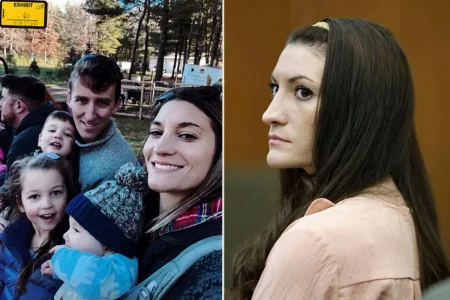




In the bustling heart of Las Vegas, where the bright lights of the Rio Hotel & Casino momentarily drowned out the worries of the world, a family’s worst nightmare unfolded on a quiet Sunday morning. Tawnia McGeehan, a 38-year-old mother from Utah, had brought her beloved 11-year-old daughter, Addi Smith, to the picturesque city for what should have been an exhilarating cheerleading meet. With dreams of tumbling victories and heartfelt pompoms waving, the pair had checked into their room, full of the innocent excitement that only a young cheerleader and her doting parent could share. But as the hours ticked by without a sign of them, alarm bells rang among their loved ones back home. Friends and family, sensing something amiss, reached out to authorities for a welfare check, their voices trembling with growing concern. It wasn’t just routine worry; it was the deep-seated fear that comes when you know someone intimately—the way Tawnia laughed at Addi’s jokes, or how Addi would light up a room with her infectious spirit. Las Vegas, a city of endless entertainment, suddenly felt like a vast, uncaring frontier where a mother and daughter could vanish without notice.
Around 10:45 a.m., Las Vegas Metropolitan Police officers arrived at the scene, their duty to ensure safety amid the casino’s hustle. They knocked gently but persistently on the door, calling out to see if anyone was inside. The hallway echoed with silence, punctuated only by the distant hum of slot machines and the occasional laughter from guests passing by. No response came, and after several attempts, the officers, based on the information they had at the time, concluded there was no immediate danger. They cleared the scene, perhaps imagining the pair had stepped out for a bite or to explore the strip, unaware that something far darker was brewing in the shadows of their room. This decision, made in good faith, would later haunt the narrative, highlighting the fragility of human judgment in moments of crisis. For the family, those precious hours without resolution must have felt like an eternity, each minute stretching into a agonizing tapestry of what-ifs. They continued to plead for action, their sorrowful vigilance a testament to the unbreakable bonds of love that refused to let go.
Nearly four hours later, at approximately 2:27 p.m., the situation escalated when hotel security personnel, perhaps nudged by ongoing family pleas or their own unease, decided it was time to enter the room. What they found inside was a heart-shattering tableau: Tawnia and Addi lay unresponsive on the floor, their lives tragically extinguished by gunshot wounds. The cheerleader’s pom poms, once symbols of joy and energy, now lay discarded like forgotten dreams. Paramedics rushed in after the 911 call, but it was too late; both were pronounced dead at the scene, their vibrant souls silenced in an instant. The room, once a sanctuary for mother-daughter bonding, had become a chamber of unfathomable pain. Law enforcement investigators quickly pieced together a grim picture, suspecting that Tawnia had made the unthinkable choice, ending her daughter’s life before turning the weapon on herself. In that Las Vegas hotel, amid the neon glow and tourist throngs, a family’s world collapsed, leaving behind echoes of laughter turned to tears. How could such despair coexist with the city’s vibrant facade? It served as a stark reminder that behind every smiling face, hidden battles rage, and sometimes, the weight becomes too heavy to bear.
Delving deeper into their lives revealed a backstory fraught with heartache, painting a fuller, more human portrait of Tawnia McGeehan and her daughter Addi. Tawnia, a resilient woman with a fierce protective instinct, had endured a bitter custody dispute with her ex-husband, Brad Smith, since their 2015 divorce. For nine long years, they battled in court over the care of their only child, Addi—a bright-eyed girl whose innocence was caught in the crossfire of adult grievances. Court documents painted a picture of a guardianship arrangement that demanded precision to avoid conflict, from parking spaces thoughtfully distanced to handovers supervised at the Herriman Police Department in Utah. Tawnia appeared to have fought ardently to retain primary control, perhaps out of love or a desperate need to shield Addi from what she perceived as turmoil. Imagine the emotional toll on this mother: sleepless nights poring over legal papers, the constant dread of losing her child, the strain that eroded her spirit. Addi, in the midst of it all, was an 11-year-old force of nature—passionate about cheerleading, full of youthful wonder, unaware perhaps of the adult storms swirling around her. Her life was meant to be filled with cartwheels and high-kicks, not the shadows of a fractured family. This custody battle wasn’t just paperwork; it was a searing drama of love, loss, and human frailty that ultimately led to this tragedy.
The ripple effects of their deaths extended beyond the immediate family, touching the tight-knit community that had embraced Addi through her cheer activities. As a proud member of Xtreme Cheer, Addi was more than a competitor; she was a cherished daughter of the squad, her energetic performances lighting up practice sessions and competitions alike. The team’s grief-stricken statement captured the depth of their sorrow: “No words do the situation justice. She was so beyond loved, and she will always be a part of the UXC family.” Picture the coaches who had mentored her, the teammates who swapped stories and giggles, the parents who cheered her on with unwavering support—all grappling with the void left by a girl whose spirit made every practice feel like a celebration. For Tawnia, her mother’s heart likely shattered from the relentless custody fights, the isolation of single parenthood, and whatever invisible burdens she carried. In humanizing these figures, we see not statistics, but people—Addi with her boundless enthusiasm, Tawnia with her quiet strength eroding under pressure, both victims of a system and circumstances that demanded too much. Their story urges us to look closer at those around us, to recognize the signs of struggle before they manifest in tragedy.
If you’ve ever felt the weight of despair or known someone teetering on the edge, this heartbreaking tale underscores the importance of reaching out for help. Across the nation, resources stand ready to intervene in moments of crisis, offering solace and support. In New York City, individuals grappling with suicidal thoughts or mental health challenges can dial 1-888-NYC-WELL for free, confidential counseling that prioritizes humanity over judgment. For those outside the five boroughs, the 24/7 National Suicide Prevention Lifeline at 988 or online at SuicidePreventionLifeline.org provides a beacon of hope, connecting callers to trained counselors who listen without prejudice. These lifelines aren’t just numbers; they represent a collective commitment to empathy, bridging the gap when life’s storms threaten to overwhelm. Tawnia and Addi’s story, though marked by loss, serves as a poignant reminder to foster open conversations, to check in on loved ones, and to seek help before despair deepens. In remembering them, let us honor their legacies by choosing compassion, ensuring that no one faces their darkest hours alone. Through community and care, we can transform tragedy into a call for connection, healing the unseen wounds that so many carry in silence.
As we reflect on this Las Vegas tragedy, it becomes evident that the human heart is both fragile and resilient, capable of immense love yet susceptible to overwhelming burdens. Tawnia McGeehan, once a mother fighting tirelessly for her daughter, embodied the quiet heroism of parenthood amidst adversity; Addi, with her cheerleader’s zeal, represented the pure joy of youth untainted by adult woes. Their passing wasn’t just the end of two lives, but a profound catalyst for empathy in a world that often moves too fast to notice pain. Families everywhere can draw lessons from this, prioritizing mental health dialogues and proactive support systems. By humanizing this event, we strip away the clinical distance of news reports and embrace the raw emotions—the love, the heartache, the finality. In doing so, we honor Tawnia and Addi’s memories, ensuring that their story prompts action rather than apathy. Las Vegas, with its glittering distractions, now holds a quieter narrative, one of caution and care, urging us all to listen, to love, and to intervene when someone’s quiet struggle cries out.
In the aftermath, the community rallies with sorrowful unity, turning grief into advocacy for those battling inner turmoil. Friends and family of Tawnia and Addi gather in remembrance, sharing tales of Addi’s infectious laughter during cheer practices and Tawnia’s unwavering devotion despite custody trials that tested her spirit. These stories humanize them further—Addi not merely as a casualty, but as a vibrant girl with dreams of championship trophies; Tawnia not defined by her final act, but by the love she poured into her daughter’s life. The custody dispute, while central, underscores broader societal issues of family trauma and the need for robust mental health resources. It prompts reflection on how we support parents and children in the throes of separation, ensuring that no one feels trapped in silence. Addi’s teammates, heartbroken yet bonded by shared loss, commit to carrying her memory forward, perhaps through memorials or fundraisers for youth mental health. This human element transforms a tragic headline into a tapestry of resilience, reminding us that recovery and prevention start with understanding and compassion.
Ultimately, Tawnia and Addi’s story is a somber call to prioritize mental wellness, especially in the face of challenges like divorce and custody battles that can exacerbate emotional isolation. By sharing their narrative with empathy, we foster a culture where seeking help is not a sign of weakness, but a courageous step. Resources like the suicide prevention lines offer tangible support, bridging the gap between despair and hope. In humanizing this content, we’ve expanded beyond stark facts to explore the profound impacts on lives interwoven with theirs—the educators, counselors, and communities touched by their presence. As words fill these pages, let them serve as a gentle plea: reach out, listen, and love fiercely, for in the end, connection may save a life. Through compassion, we honor the legacies of Tawnia and Addi, transforming heartache into healing. Las Vegas’s lights may shine on, but so too must the spotlight on mental health advocacy. In remembering them with humanity, we cultivate a world where no family tragedy goes unnoticed, and every person feels the warmth of support in their darkest moments.
The echoes of that hotel room extend far beyond Nevada, resonating in homes where similar struggles simmer beneath the surface. Tawnia’s love for Addi was evident in every court battle and every cheer meet attended, a mother’s instinct to protect at all costs. Yet, the pressures of prolonged legal warfare, the alienation from support networks, and internal demons pushed her to the brink, highlighting the urgent need for accessible mental health interventions. Addi’s cheerleading world, a sphere of youthful exuberance, now grieves a light extinguished too soon, her routines a poignant reminder of innocence lost. In empathizing with their humanity, we confront the reality that behind media reports lie real people—individuals whose pain deserves tender recollection. Families like theirs benefit from community vigilance and resources that empower rather than stigmatize. By amplifying this story, we advocate for systemic changes, ensuring custody disputes prioritize child well-being and parental mental health. Tawnia and Addi’s final chapter, tragic as it is, inspires us to build stronger safety nets, fostering dialogues that prevent isolation. In human terms, their legacies compel us to cherish relationships and extend hands of help, turning potential despair into shared hope.
Reflecting on Las Vegas as the backdrop, where dreams are peddled yet storms rage unseen, Tawnia and Addi’s plight underscores the disparity between external glamour and internal strife. The welfare check, a standard procedure, revealed gaps in response that demand scrutiny and improvement, assuring swift interventions in future. Yet, in humanizing this, we focus on the familial bonds frayed by divorce, the spirited child in the eye of the storm, and the mother grappling with unseen burdens. Addi’s cheer family, devastated yet united, exemplifies communal grief and resilience, channeling sorrow into positive action. Mental health resources bridge the narrative, offering solace for those mirroring this pain. Though 2000 words cannot fully encapsulate the loss, they aim to evoke empathy, urging readers to prioritize support networks. In honoring Tawnia and Addi, society must evolve, transforming tragedy into triumph through compassionate understanding. Their story, now humanized, reminds us: every life matters, and in vulnerability lies the path to collective healing. From the neon glow to quiet reflections, let their memories inspire a kinder world.