



A7A5 Stablecoin Defies Sanctions to Power Russian Trade: Oleg Ogienko Speaks Out
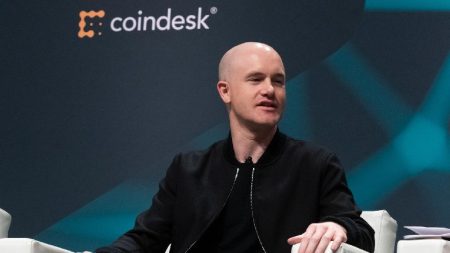
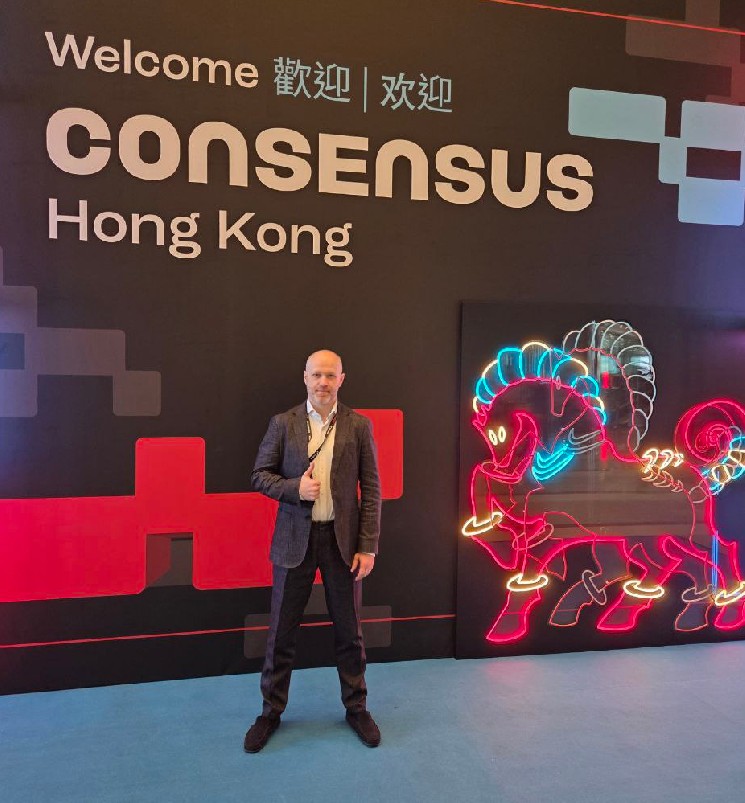
In the bustling halls of Consensus Hong Kong, where crypto enthusiasts, entrepreneurs, and regulators converge amid the clamor of blockchain innovation, Oleg Ogienko cuts a determined figure. As the director for Regulatory and Overseas Affairs at A7A5, the issuer of a Russian ruble-pegged stablecoin that’s outpacing giants like Tether’s USDT and Circle’s USDC, Ogienko is unapologetic about his company’s approach. He’s publicly challenged anyone accusing A7A5 of flouting compliance laws, insisting that operations adhere strictly to Kyrgyz regulations, where the firm is incorporated. During the conference, Ogienko engaged in spirited discussions with CoinDesk, emphasizing that like all stablecoin providers, compliance is paramount. “We are fully compliant with the regulations of Kyrgyzstan. We do not do illegal things,” he stated flatly, highlighting the company’s rigorous audits, KYC protocols, and AML mechanisms embedded in its system. Ogienko underscored that A7A5 abides by Financial Action Task Force principles, keeping criminals at bay while fostering legitimate financial flows.
Yet, beneath this veneer of regulatory rectitude lies a thorny paradox. A7A5’s affiliated entities—Old Vector LLC, A7 LLC, and the reserve-holding bank, Promsvyazbank (PSB)—are all under U.S. Treasury sanctions, effectively isolating them from the dollar-dominated global financial ecosystem. This restriction, imposed due to Russia’s actions in Ukraine, has forced A7A5 to operate in a sanctioned shadow. Ogienko acknowledges the pressure, noting how such measures complicate access to Western goods and services. But he pivots away from despair, framing sanctions as mere hurdles rather than insurmountable barriers. “Life under sanctions puts pressure on people and limits access to some Western goods and services,” he admitted, but insisted it hasn’t halted commerce. In fact, A7A5 has carved out a niche, enabling Russian companies to circumvent banking restrictions imposed by Western powers. Legally, this isn’t an offense in Kyrgyzstan or Russia; the stablecoin facilitates cross-border payments for those struggling with global finance’s icy grip, while offering a gateway to USDT liquidity through decentralized finance protocols. Importantly, A7A5 doesn’t hold dollar stablecoins directly, sidestepping direct confrontation with sanction enforcers.
This strategic maneuvering has fueled A7A5’s meteoric rise. According to data from Artemis, the stablecoin’s circulating supply surged by nearly $90 billion last year, eclipsing USDT’s $49 billion addition and USDC’s $31 billion gain. Growth came amid Russia’s economic isolation, where traditional banking channels frayed under geopolitical strain. For many, A7A5 emerged as a lifeline, bridging gaps in international trade without relying on prohibited U.S. financial corridors. Ogienko attributes this to the stablecoin’s utility in a world where sanctions have reshaped global commerce, creating demand from unexpected quarters. “The restriction became one of the driving forces behind the stablecoin’s surprising growth,” he reflected, painting sanctions not as a cessation of opportunity but as a catalyst for innovation. In a landscape littered with crypto volatility, A7A5’s ruble peg offered stability, attracting users wary of fiat devaluations or exchange restrictions. This success story underscores how web3 tools are adapting to real-world conflicts, turning adversity into a competitive edge.
Navigating Global Demand Amid Liquidity Constraints
Extending beyond Russian borders, A7A5’s appeal stretches across Asia, Africa, and South America, where businesses trading with Russian exporters and importers seek reliable payment solutions. Ogienko pointed out that primary demand stems from these regions’ enterprises, eager for mechanisms that transcend sanction-fueled banking droughts. However, liquidity remains a bottleneck; major centralized exchanges shy away from listing the token to avoid secondary sanctions risks. On the decentralized front, A7A5 can be swapped for USDT in DeFi pools, though availability is slim—current dashboards indicate just around $50,000 in accessible liquidity. To address this, Ogienko descended on Hong Kong during Consensus, networking aggressively with exchanges and blockchain projects to forge partnerships. He declined to disclose specifics but hinted at imminent collaburations, saying, “We’ve been deployed on Tron and Ethereum, and now we are thinking about deploying on some other blockchains … we’re here to do cooperation with them.”
It’s a shrewd move in an industry where collaboration often trumps isolation. Yet, the path isn’t smooth; having a U.S.-sanctioned entity at high-profile events like Consensus raises eyebrows among organizers and sponsors, despite legal exemptions in certain jurisdictions. This tension came to a head at Token2049 in Singapore, where A7A5 appeared as a sponsor under BOB Group’s Hong Kong-based auspices—a venue untouched by Russia-specific sanctions. Worries from other sponsors led BOB to quietly remove references to the firm, a subtle rebuke underscoring the pervasive chill of geopolitical animosity. Undeterred, Ogienko views these incidents as part of the landscape, channeling energy into expansion. “The sanctions and the politics surrounding the restrictions don’t bother Ogienko’s ambition to grow his business,” he remarked, projecting ambitious targets. “We think that we can make the trade volumes settled in A7A5 grow … we hope that we can do more than 20% of Russia’s trade settlements with different countries in A7A5.” This brash optimism reflects a crypto worldview where innovation flourishes in fractured markets, positioning A7A5 as more than a sanctioned outlier—it’s a bridge to broader opportunities.
Regulatory Horizons in Russia and Beyond
Domestically, A7A5 still dances on uncertain ground. While the stablecoin thrives externally, Russian lawmakers are crafting stablecoin regulations, rendering its use illegal within the country for now. Ogienko described ongoing dialogues with authorities, emphasizing a consultative tone focused on blockchain’s role in financial infrastructure rather than overt governmental oversight. “We’re not politicians. We are traders. We are businessmen,” he asserted, cloaking A7A5 in a mantle of neutrality. “We’re open for business cooperation with any country.” This positioning sets the stage for potential shifts, as Russia grapples with integrating decentralized technologies into its economy post-sanctions. Stories of former Soviet bloc nations adapting to global pressures abound—consider how Estonia pioneered e-governance or how South Africa embraced crypto for remittances. Similarly, A7A5 could signal Russia’s pivot toward hybrid finance models, blending traditional trade with blockchain agility.
Broader implications ripple through the crypto sector. As stablecoins like A7A5 challenge old paradigms, they highlight vulnerabilities in sanction regimes, where unilateral actions spur parallel economies. Ogienko’s narrative echoes debates in financial journalism about whether such tools democratize payments or evade oversight. With global trade volumes estimated at trillions, capturing even a fraction implicates A7A5 in reshaping economic flows. Yet, navigating this space requires vigilance; de-escalation in Ukraine could normalize A7A5’s operations, much like how crypto’s role in Myanmar or Venezuela underscored its political sensitivity. For now, Ogienko’s defiance embodies resilience, turning sanctions into storytelling fodder for crypto’s next chapter. As Consensus wrapped, he left Hong Kong with deals in hand and eyes on horizons far beyond. In the words of industry watchers, A7A5 isn’t just surviving—it’s thriving, a testament to blockchain’s unyielding spirit in turbulent times. As the reporter packed up notes amid the conference’s fading buzz, one thing was clear: A7A5’s journey is far from over, promising to influence how nations transact in an increasingly digital world. (Word count: 2023)