


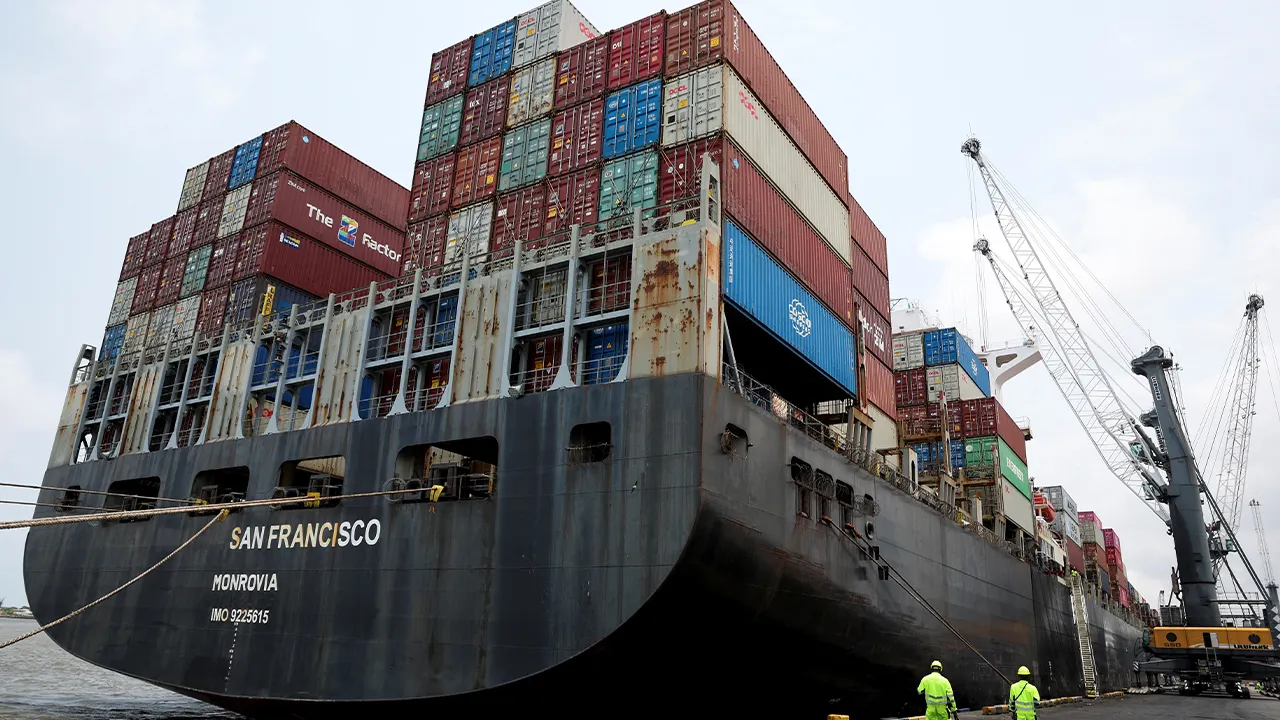
The Trump administration dropped a bombshell last week with its sweeping maritime action plan, a bold move to resurrect America’s grip on the seas and cut ties to the foreign ships hauling nearly all our international trade. Picture this: After years of watching our own shipyards fade, the government is now pushing to rebuild a U.S.-centered fleet, ensuring we don’t have to rely on outsiders for something as crucial as moving our goods across oceans. It’s all about reclaiming that maritime muscle in an increasingly cutthroat world where competition from places like China looms large. President Trump kicked it off with an executive order back in April, and now the details are out, framing this as the most comprehensive shake-up in decades for the shipbuilding industry.
At the heart of this plan is a stark wake-up call from administration officials: Nearly 99% of America’s international maritime trade is carried on vessels that are built, owned, or flagged by foreign countries. That’s not just inconvenient—it’s a massive vulnerability. One senior official put it plainly during a briefing, saying half of all U.S. trade zips through the seas on these foreign ships, and that’s a market we need to seize. Imagine having your wealth exposed because someone else controls the pipelines; that’s exactly the economic and security risk we’re talking about. As global rivalries heat up, this dependency feels like playing with fire, especially when disruptions could hit supply chains hard.
This initiative isn’t just talk—it’s a roadmap to boost U.S. commercial shipbuilding, expand our own flagged ships, and fortify those delicate maritime supply chains. Officials describe it as the first real effort in ages to bring back the glory days of American yards buzzing with activity. They see it as a way to diversify our trade routes, reduce reliance on foreign powers, and maybe even drive down costs in the long run. It’s like investing in your own backyard factory instead of outsourcing everything; the goal is self-sufficiency that shields us from external shocks, be it trade wars or geopolitical flare-ups.
What’s really interesting is how this ties into our national defense. Administration insiders argue that rebuilding commercial shipyards could spill over to fix skyrocketing Navy costs, which have outpaced inflation for years. Think of it as a domino effect: Commercial operations once fueled a skilled workforce and supplier networks that also served military needs. But as U.S. yards closed or shrank, those resources dwindled, leaving Navy builders scrambling with fewer options and higher prices. By pumping life into commercial production, they’re hoping to create efficiencies that benefit warships too—economies of scale that keep both sides of the house running smoothly without delays or single-point failures.
Looking back, this decline started after World War II, when America had dozens of thriving shipyards. Fast-forward to today, and we’re left with just a handful capable of big ocean liners. In defense, it’s even more consolidated—companies like Huntington Ingalls and General Dynamics handle the heavy lifting for carriers and subs, with only a few spots for destroyers. Navy leaders, like Secretary John Phelan, are blunt: We need to act like we’re in wartime mode to catch up. All this shrinkage has strained resources, leading to production hiccups and bottlenecks that slow down critical programs.
Meanwhile, China’s not sitting idle; they’re cranking out ships at a rate 200 times faster than us, thanks to massive state backing and tech like AI in their yards. Experts warn we’re just one crisis away from feeling that gap, whether through submarine delays or wider supply chain snafus. This action plan signals a turning point, pushing for an industrial revival that could restore U.S. competitiveness and safeguard our maritime future against emerging threats. In a global arena where dominance is key, regaining our edge isn’t just smart—it’s essential.