




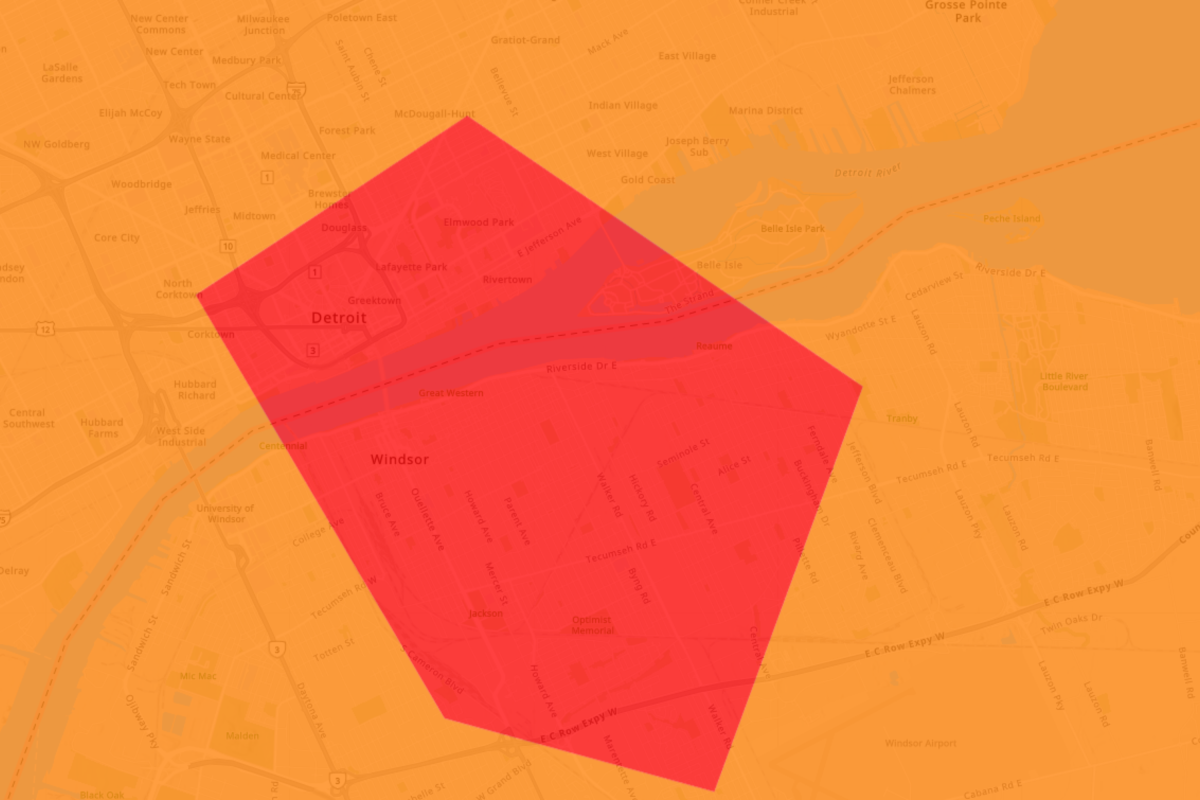
Imagine starting your day in Detroit or Windsor, Ontario, with the usual hustle—brewing coffee, checking the news, only to see a concerning alert on your phone. Millions of people in parts of Michigan, including these bustling cities right across the border, are being urged to stay indoors. It’s not just a suggestion; it’s a serious caution about the air we’re breathing. Fine particle pollution, known as PM2.5, has spiked to unhealthy levels, according to the EPA’s AirNow map. These tiny particles, smaller than you can see, float around and pose real risks, turning what should be a fresh start into something oppressive. I’ve always loved opening windows to let in the breeze, but now, it’s a reminder that nature isn’t always kind—especially when coal plants or wildfires spew this stuff into the air.
The Environmental Protection Agency isn’t the only one sounding the alarm. Their map, updated regularly, shows pockets of this invisible threat hanging heavy like a fog you can’t shake off. It’s eerie, really—thinking about how something so small can affect our lungs and hearts. Residents here might recall past smoggy days, but this feels different, more urgent. The EPA’s tool is a lifesaver for planning your day; if you’re in one of those red-zoned areas, it’s time to rethink your routine. PM2.5 sneaks into your body with every breath, irritating airways and potentially triggering flare-ups. For folks like me, who jog along the riverfront paths, it means pausing that habit. It’s a wake-up call to appreciate cleaner air when we have it.
Adding to the urgency, the National Weather Service has chimed in with an air quality advisory that stretches until Monday, February 16. It’s specifically targeting southwest Michigan counties: St. Clair, Livingston, Oakland, Macomb, Washtenaw, Wayne, and Monroe. That’s a wide swath of people, from suburban commuters to city dwellers. The advisory flags elevated PM2.5 as making the air “unhealthy for sensitive groups.” If you or someone you love has asthma or a heart condition, this hits home. I remember my neighbor, who has respiratory issues, coughing through the night when similar alerts come. It’s not just data; it’s about real health on the line. The NWS, drawing from weather patterns that trap pollutants, warns us to tread carefully.
Both agencies are crystal clear on what to do: steer clear of strenuous outdoor activities. That morning run or gardening session? Postpone it. Especially for those with heart disease or breathing problems like asthma, it’s not worth the risk. The advice feels personal, like a concerned friend saying, “Take it easy.” Life in these areas often revolves around outdoor living—ballgames, picnics, walks by the water. Now, we’re asked to rearrange our habits, to prioritize health over spontaneity. It’s a reminder of how vulnerable we can be to environmental shifts, from industrial emissions to whatever’s stirring up this plume. Staying informed via apps or local news helps us adapt without panic.
The NWS takes it a step further by urging everyone to keep windows closed overnight. Overnight, when the cool air might trick you into thinking it’s safe. Particulates can sneak in,uju turning your home sanctuary into a hazard. Seal those cracks, run air purifiers if you can—it’s like battening down the hatches against invisible invaders. Many residents, me included, are sharing tips on social media: using HEPA filters, brewing herbal teas to soothe throats. It builds a sense of community, turning a crisis into conversations. But beneath it, there’s frustration. Why aren’t we addressing root causes, like better regulations on polluters? This advisory sparks those thoughts, making us more aware of our air’s quality.
In the end, this is a developing story, and experts like the EPA and NWS promise updates. As temperatures fluctuate or winds shift, the situation could change—maybe for the better, with cleaner skies. For now, though, caution reigns. Stay indoors if posible, avoid unnecessary exposure. It humanizes the science, turning charts and maps into a call to protect ourselves and our loved ones. Who knows? By next week, we might be back outside, breathing easy. Stay vigilant, and let’s cross our fingers for clearer days ahead. (184 words)