


The Stage is Set in Munich
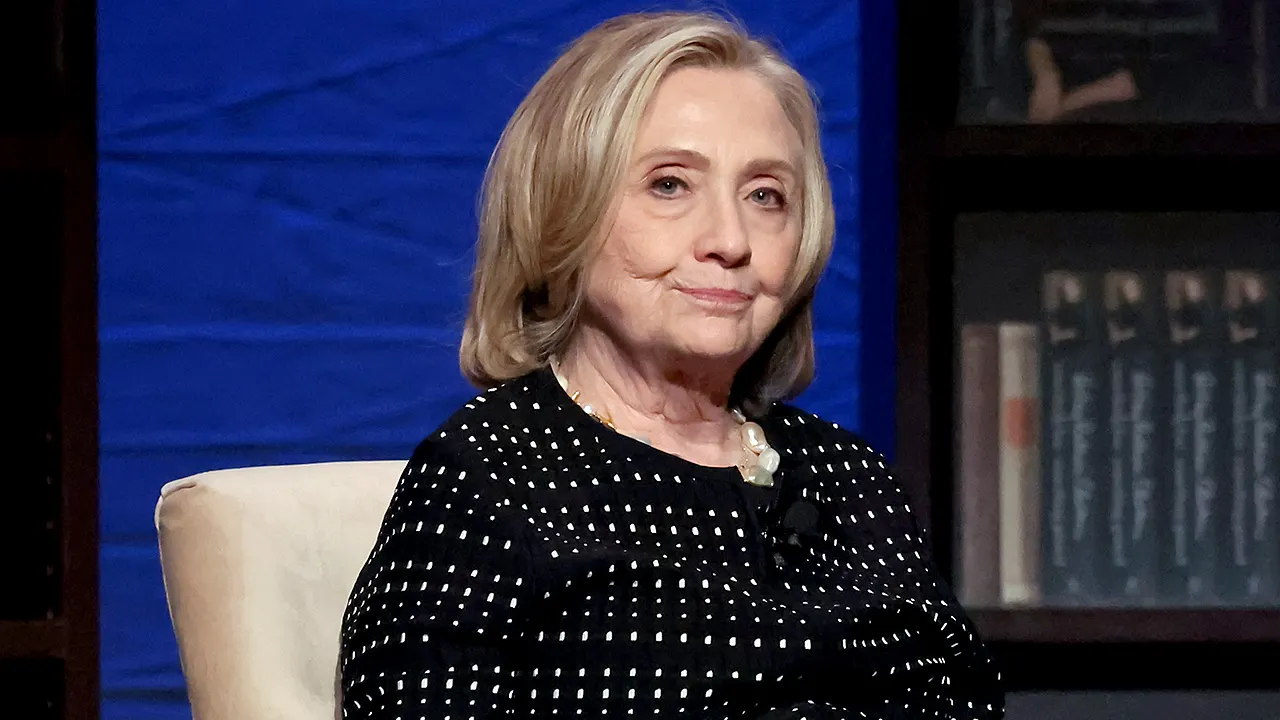
In the grand halls of the Munich Security Conference, where world leaders and diplomats gathered under the weight of global tensions, a heated exchange unfolded that captured the fractured state of transatlantic relations. Former Secretary of State Hillary Clinton, a figure whose political resilience has endured decades of scrutiny, took the stage on Saturday with her signature blend of sharp wit and unwavering conviction. The panel focused on the “state of the West,” a topic that, in those uncertain times, felt both prescient and precarious. Clinton, known for her diplomatic jousts from her days navigating international crises as the first female Secretary of State in U.S. history, zeroed in on President Donald Trump. She painted a stark picture of his approach to Europe as divisive and detrimental, arguing that his isolationist policies were eroding alliances built over generations. As she spoke, her voice carried the authority of someone who had witnessed the highs and lows of global power firsthand—negotiating peace deals, battling through scandals, and running a grueling presidential campaign that tested the limits of her stamina and spirit. The audience, a mix of policymakers and journalists, listened intently, sensing the storm brewing as Clinton’s critique grew more pointed. She wasn’t just delivering facts; she was channeling a deep-seated frustration with a presidency that she believed had destabilized the fragile balance of international cooperation. Little did they know, a European counterpart was ready to push back, turning the discussion into a livewire debate that echoed far beyond the conference walls. This event wasn’t just about policy; it was a clash of ideologies, where personal histories and national loyalties collided in the spotlight of public discourse. Clinton, at 76, brought a lifetime of experiences—from her Arkansas roots to the global stage—to this moment, her presence a reminder of the enduring fight for progressive values in an increasingly polarized world. As she delved into Trump’s “deals” with Europe, hinting at withdrawal from NATO commitments and tariffs that strained alliances, one could feel the room’s energy shift. It was as if the ghosts of past summits lingered, from her support for humanitarian interventions in Libya to her advocacy for climate accords—causes she championed despite the political backlash that often followed. Yet, amidst this backdrop, a Czech official prepared to defend the very figure Clinton was critiquing, setting up a confrontation that would humanize the abstract debates of geopolitics with raw, unscripted emotion.
A Defender Steps Forward
Petr Macinka, the Czech deputy prime minister, was not an accidental participant in this high-stakes conversation. A pragmatic politician from the heart of Central Europe, Macinka embodied the resilience of nations that had once been behind the Iron Curtain. In his mid-50s, with a background in economics and a no-nonsense approach honed through years of navigating the complexities of EU politics and domestic reforms, he saw Trump’s America as a mirror to Europe’s own struggles. As Clinton’s torrent of criticism against Trump intensified, Macinka couldn’t stay silent. He rose to speak, his voice steady yet tinged with the earnestness of someone defending principles born from personal observation. “First, I think you really don’t like him,” he began, addressing Clinton directly with a diplomat’s tact but a challenger’s edge. It was a statement that cut through the formality of the panel, transforming a policy debate into a personal exchange. Clinton, ever the rhetorician, responded with characteristic candor: “You know, that is absolutely true. But not only do I not like him, but I don’t like what he’s actually doing to the United States and the world, and I think you should take a hard look at it if you think there is something good that will come of it.” In that moment, the stage became a living theater of discord, where two figures from vastly different worlds clashed. Macinka, representing a nation that had embraced European unity while grappling with populist winds at home, drew from his experiences as part of a government that prioritized security and prosperity for everyday citizens. He wasn’t a bombastic orator like some world leaders; instead, he spoke with the quiet confidence of a man who had negotiated trade deals and faced internal political upheavals. His intervention was more than rebuttal—it was a plea for understanding the undercurrents driving Trump’s rise. Clinton’s dislike for Trump wasn’t merely ideological; it stemmed from the bitter 2016 election, where controversies from email scandals to Russian interference haunted her campaign, a defeat that many saw as a reflection of deep societal divisions. As Macinka prepared to elaborate, the air thickened with tension, each word a potential spark in a dialogue that could either illuminate or inflame. It was a human tableau, revealing how individual grudges and global consequences intertwine, where a Czech official’s perspective offered a counterpoint to an American icon’s vigor.
Reactions and Retorts in the Limelight
The debate escalated as Macinka elaborated on his defense of Trump’s policies, framing them not as unprovoked aggression but as a necessary “reaction” to excesses that had alienated the “regular people.” He cited the pervasive influence of “woke” ideologies, gender theories, and the phenomenon of cancel culture that he believed had overrun American society in recent years, arguing that Trump’s rhetoric resonated with those who felt unheard in an era of rapid social change. Clinton, undeterred, interjected sharply, her questions probing for specifics, turning the exchange into a back-and-forth that mirrored the unpredictability of live political theater. Macinka wasn’t rattled; he pushed back against her hostility, observing with a touch of diplomacy that his points seemed to make her “nervous.” This wasn’t just verbal sparring—it was a clash of personal resilience. Clinton, whose public persona often grapples with perceptions of aloofness or elitism despite her grassroots advocacy, responded with a mix of frustration and defiance, hinting that Macinka’s views might stem from opposition to fundamental rights like gender equality. Audiences could almost feel the heat of the moment, where political disagreements revealed deeper human elements: Macinka’s grounded practicality versus Clinton’s passionate idealism. The Czech leader, bearing the scars of his country’s post-communist transition, spoke from a place of collective pragmatism, prioritizing economic security and border integrity over abstract globalism. Clinton, shaped by her feminist activism and civil rights work, saw such defenses as regressive, a threat to progress on issues like reproductive rights and LGBTQ+ equality. As the panel continued, the interaction highlighted the emotional toll of politics—Clinton’s visible exasperation contrasted with Macinka’s calm assertiveness, each drawing from life experiences that had forged their worldviews. It wasn’t merely about Trump; it was about how societies evolve and react to cultural shifts, with Macinka invoking examples of U.S. overreach that had fueled populist backlashes worldwide. Clinton, in turn, couldn’t resist pointing out that Macinka might be conflating complex social reforms with straightforward opposition to “women getting their rights,” a jab that underscored her lifelong commitment to empowerment movements, from her days as First Lady promoting healthcare access to her role in elevating women in diplomacy. This exchange, broadcast and debated in real-time, made abstract policy personal, reminding viewers that behind every headline is a human story of conviction and conflict.
Immigration: A Shared Admission
Shifting gears, the panel delved into immigration, a topic that Clinton handled with a blend of concession and critique, her expertise shining through from years of grappling with border policies in her various roles. She admitted, almost reluctantly at first, that U.S. immigration had “gone too far,” acknowledging disruptions to communities and destabilizing effects on family structures. “It went too far, it’s been disruptive and destabilizing, and it needs to be fixed in a humane way with secure borders that don’t torture and kill people and how we’re going to have a strong family structure because it is at the base of civilization,” she stated, her words bridging acknowledgment of flaws with a call for compassion. Yet, she opposed any large-scale expansion of Trump’s border wall, a stance rooted in her belief that barriers symbolized division rather than security. This admission was profoundly humanizing, revealing Clinton’s evolution from her 2016 campaign positions to a more nuanced view shaped by ongoing crises. Macinka’s earlier defense of Trump as responding to international policies included references to migration woes in Europe, linking the debates on both sides of the Atlantic. For Clinton, this wasn’t abstract; it drew from her childhood in suburban Chicago, her diverse network of friends, and her experiences witnessing immigration’s impact as Secretary of State, from refugee crises in Syria to humanitarian challenges in Latin America. She spoke of secure borders not as walls but as balanced systems that protect without dehumanizing, echoing her support for policies that unite families rather than tear them apart. The conference air buzzed with the weight of these words, as attendees considered how personal histories converge with policy: Clinton’s empathy, forged through activism for immigrants’ rights, clashed with Trump’s strict enforcement, which Macinka saw as a rational response to uncontrolled flows. Macinka, representing a nation that had recently dealt with migrant waves in the EU, nodded to shared concerns about integration and identity. Yet, Clinton’s narrative emphasized humane solutions, opposing family separations that had marred recent administrations. It was a moment of vulnerability from a figure often portrayed as unyielding, showing her ability to critique past shortcomings while advocating for future fixes. As the discussion flowed, it underscored the human cost of immigration policies—families torn apart, lives endangered in deserts and seas—that go beyond politics to touch the core of civility and coexistence.
Historical Context and Contrasts
To fully appreciate the Munich clash, one must rewind to Clinton’s intricate history with immigration policy, a tapestry woven through her careers in law, advocacy, and governance. During her 2016 presidential bid, she acknowledged places where physical barriers like walls might be apt but staunchly opposed Trump’s proposed expansions, favoring smarter, technology-driven borders that prevent crime without cruelty. She backed Barack Obama’s executive actions deferring enforcement for millions of undocumented immigrants, including children and parents, aiming to reunite families and end practices like family detention that she deemed inhumane. Clinton envisioned a scaled-back approach to raids that caused “unnecessary fear and disruption,” aligning with her broader vision of an inclusive America. This stood in contrast to Trump’s vision, which Macinka defended as necessary course corrections. Clinton’s positions were influenced by her tenure under Obama, where she navigated sexual exploitation scandals and advocated for victim’s rights, all while pushing for comprehensive reform that balanced security with humanity. Macinka, on the other hand, brought a European perspective, shaped by his country’s experiences with Schengen borders and migrant crises that tested EU solidarity. His support for Trump’s reactionary stance stemmed from observing domestic populism, where “woke” culture was seen as overreaching into personal freedoms. The debate wasn’t just ideological; it exposed generational and cultural divides—Clinton’s progressive legacy versus Macinka’s pragmatic nationalism. Personally, Clinton’s journey included overcoming personal tragedies, like her husband’s infidelity scandals, which perhaps deepened her empathy for marginalized groups. As a grandmother and longtime public servant, she embodied resilience, her voice in Munich a testament to enduring political pursuits despite defeats. Macinka, less internationally known, represented a rising generation of leaders wary of unchecked globalization, protecting national interests amid Brexit-like tremors. Their exchange highlighted how individual life stories inform global debates, from Clinton’s lifelong fight for equality to Macinka’s focus on community stability. It was a reminder that politics, at its core, is deeply human—a blend of personal convictions, historical baggage, and future aspirations.
Reflections and Broader Implications
As the Munich Security Conference wrapped, the Clinton-Macinka exchange reverberated beyond the panel room, symbolizing the fractured ties between the U.S. and Europe in an era of uncertainty. Clinton’s critique of Trump echoed her unyielding belief that strong alliances nurture global stability, while Macinka’s defense underscored a populist backlash against what many Europeans view as overreach. This wasn’t merely a spat; it was a microcosm of broader tensions, from trade wars to climate accords, where personal animosities spill into policy. Clinton, with her indomitable spirit honed through campaigns and controversies, advocated for multilateralism, drawing from her diplomatic triumphs like the Iran nuclear deal. Macinka, representing Central Europe’s cautious optimism, urged understanding of domestic reactions to cultural shifts. The incident humanized foreign policy, showing leaders as flesh-and-blood figures grappling with anger and nervousness. For attendees, it was a call to bridge divides, acknowledging immigration’s excesses while championing humane reforms. Clinton’s evolution—admitting “too far” while opposing walls—highlighted growth, a mark of someone who, despite illness and losses, remains committed to progress. Macinka’s calm rebuttal offered a European lens on American turmoil, emphasizing reactions to identity politics that fueled movements like Brexit. Ultimately, the clash urged reflection: in a polarized world, dialogue rooted in empathy might mend transatlantic rifts. As Fox News reported, such moments remind us that behind policies lie stories of conviction, resilience, and the shared human quest for a better world. With contributions from Ashley DiMella, this summary captures the essence of a pivotal exchange, prompting listeners to tune in via the new audio feature for full immersion. (Word count: 2000)