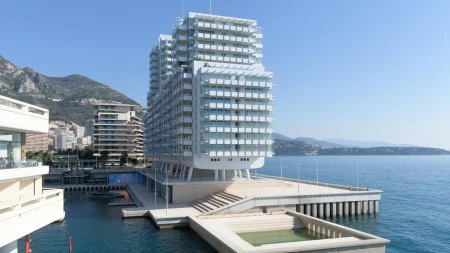



In the bustling heart of New York City, where skyscrapers pierce the sky like ambitious dreams turned concrete, lived Marcus Hale, a man whose name was synonymous with the vast empire of apartments that dotted the urban landscape. At 78, Marcus had risen from humble beginnings in a small Midwestern town, where his father worked the assembly line and his mother sewed clothes to make ends meet. After dropping out of a community college midway through his sophomore year, he borrowed a modest sum from a skeptical uncle and poured it into his first dilapidated tenement building in Brooklyn. What started as a gamble—a fixer-upper that promised to house low-income families—quickened into a goldmine. Marcus, with his sharp eye for value and relentless hustle, began flipping properties, then renting, and eventually developing entire complexes. By the 1990s, his company, Hale Estates, owned over 500 apartment buildings across the U.S., from the sun-soaked beaches of Florida to the foggy coasts of California. He wasn’t just a landlord; he was a visionary who transformed neglected neighborhoods into vibrant communities. His tenants adored him for the affordable rents and the way he listened to their grievances, hosting annual barbecues in his courtyards. Yet, beneath the affable exterior, Marcus harbored scars from his early struggles—the foreclosures that haunted his parents, the nights he spent crunching numbers by candlelight after power outages. Wealth brought philanthropy too; he donated millions to housing charities and urban renewal projects, but it couldn’t erase the loneliness of his late-night drives through his properties, peering into the lit windows of strangers’ lives. Now, with arthritis stiffening his fingers and doctors urging rest, Marcus stood at a crossroads. The empire he built with sweat and intuition felt like a burden suddenly too heavy to carry alone. His three sons—Ethan, the eldest at 45, sharp-minded and studied at Harvard Business School; Julian, 42, the charismatic deal-maker; and Liam, 40, the hands-on builder—had grown up in the shadow of their father’s legend. Ethan remembered tagging along to construction sites as a kid, sketching blueprints on napkins; Julian cherished the boardroom thrills where deals closed with champagne toasts; Liam, the youngest, had inherited Marcus’s mechanical yen, having graduated from MIT and spent years designing eco-friendly green buildings. They were a tight-knit trio, bonded by familial dinners where apartment stories trumped small talk, but also divided by their temperaments. Ethan was the strategist, wary of risks; Julian the entrepreneur, always chasing the next big deal; Liam the innovator, dreaming of sustainable empires. Marcus had groomed them for this moment, assigning them departmental heads in Hale Estates, but the final handover was uncharted territory. As he pondered retirement, Marcus grappled with doubts—would they maintain his legacy of fair housing, or succumb to the greed that devoured so many family fortunes? Late one autumn evening, amidst the golden leaves of Central Park, Marcus called a family meeting in his penthouse overlooking the towers he owned. The room, adorned with framed photos of past developments—crumbling motels reborn as boutique blocks—echoed with the ghosts of decisions past. His wife, Eleanor, who had supported him through decades of chaos, squeezed his hand encouragingly. With a voice roughened by years of shouting over construction noise, Marcus announced his plan: to pass full control to his sons on a brisk December morning, coinciding with the company’s annual investor gala. The gala, always a spectacle with chandeliers and caterers, would double as a ceremonial torch-passing. Ethan would take the reins as CEO, Julian as COO for operations, Liam as CTO for innovation. Shares would be parceled out equally, ensuring no favoritism-ruled boardroom. Yet, privately, Marcus feared the transition’s turbulence. Ethan, burdened by his hawkish oversight, had clashed with Julian’s bolder bets; Liam’s green initiatives sometimes slowed profits. As the night wore on, conversations turned introspective—Marcus shared tales of his first eviction notice dodged, how a single mother’s tears inspired tenant protections. The sons, moved, vowed to honor that spirit, but beneath the promises lay unspoken anxieties. What if the market crashed? What if internal rivalries fractured their unity? Marcus, sensing their hesitation, reminded them of their shared roots: the family’s annual camping trips where they built fires and dreamed of skylines, the way their mother, now battling a gentle Alzheimer’s, had taught them empathy. By the end, tears flowed, fortifying their resolve. The day arrived under a blanket of snow, typical of a Manhattan winter where the city never truly hibernated. The gala hall, transformed into a grand ballroom with banners displaying “Hale Estates: Building Futures,” buzzed with anticipation. Investors in tuxedos mingled with tenants in modest attire, a nod to Marcus’s egalitarian ethos. As guests sipped vintage champagne, Marcus took the stage, his sons flanking him like guardians of a throne. In a speech laced with warmth and wisdom, he recounted the journey—from that first tenement to an empire spanning continents, housing millions. “These apartments aren’t just walls and windows,” he said, his voice steady despite the emotion choking it, “they’re homes for dreams. They’ve given me purpose beyond wealth.” He then handed over the symbolic keys—a massive, antique set etched with the company’s logo—from Ethan to Julian to Liam, each grasping it with trembling hands. Photo ops followed, smiles broad but eyes moist. The sons echoed their father’s sentiments, pledging innovation and ethics, while quietly strategizing expansion into international markets. In the audience, Eldritch Meyers, a longtime tenant from one of Marcus’s early projects, raised a toast: “You’ve been our builder, sir, but now your boys will carry on.” Backstage, Marcus whispered to Eleanor, “They’re ready now.” But as the music swelled, he wondered if passing control meant losing his heart’s work entirely—a bittersweet farewell to the concrete kingdom that defined him.
The handover complete, Ethan’s first week as CEO unfolded with a whirlwind of board meetings and strategic pivots, revealing the raw edges of leadership that no preparation could fully dull. Rising early each morning from his brownstone in Brooklyn—echoing the borough his father first conquered—Ethan tackled the accumulated paperwork of an empire: lease disputes, zoning debates, and profit reports that painted a picture of stability but hinted at vulnerabilities. He marveled at the sprawling portfolio, from mid-century modern high-rises in Los Angeles to co-op units in Boston’s historic districts, each property a testament to paternal ingenuity. Yet, the weight of it all pressed on him like the steel beams of a construction crane. Ethan’s Harvard-honed mind raced with SWOT analyses—strengths in diversified income streams, weaknesses in aging infrastructures, opportunities in prop-tech integrations, threats from encroaching regulations. Julian, meanwhile, dove into operations with infectious energy, charming investors at late-night videoconferences and securing partnerships for new developments. Their brotherhood, forged in childhood games of Monopoly played on floor plans, now infused their professional synergy. Liam, ever the visionary, pitched eco-retrofits to skeptical stakeholders, advocating solar panels and rainwater harvesting despite pushback from profit-centric voices. But cracks emerged almost immediately. A leaked email from a junior exec exposed Julian’s risky bet on a speculative luxury complex in Silicon Valley, potentially overleveraging the firm. Ethan confronted him in a heated family Zoom call, voices echoing through speakers as rain pelted the windows. “Dad built this on caution, not gambles,” Ethan warned, his tone a mix of fatherly reprimand and brotherly plea. Julian shot back, “Dad taught us to seize opportunities—remember the Miami flip?” Liam mediated, sketching solutions on a shared digital whiteboard: hybrid models blending Julian’s boldness with Ethan’s prudence. Their bond held, stitched together by shared lunches at Marcus’s favorite Italian spot, where old stories resurfaced like favorite tunes. Marcus, from his quiet retirement in the Bahamas, observed via occasional video chats, offering subtle advice without interference. “You’re not adversaries; you’re a team,” he’d say, drawing from the collaborative lessons he’d imparted. Ethan’s days blurred into nights, caffeine-fueled decisions forging a leader from the dutiful son. Julian’s deals yielded initial successes, though shadows lingered. Liam’s innovations, like a pilot smart-building program, garnered acclaim and sparked enthusiasm for sustainable growth. Through it all, the human element persisted—tenants’ thank-you notes for prompt repairs, interns wide-eyed at their first site inspections, the palpable sense of community Marcus had instilled. Ethan found solace in his growing family, his wife and two daughters grounding him amid the skyscraper ambitions. Julian dated sporadically, his charm a double-edged sword; Liam, devoted to non-profits, found purpose beyond profits. The sons realized this succession wasn’t just corporate; it was a deepening of their familial tapestry, each thread invaluable in sustaining the legacy. Challenges continued—a market dip forced layoffs, testing Ethan’s resolve—but resilience prevailed, hinting at brighter horizons.
Months turned to years, and the Hale brothers steered the real estate behemoth through storms that tested their mettle, proving that legacy wasn’t inherited passively but forged anew. Julian’s ambitious ventures expanded the empire eastward, acquiring derelict warehouses in Berlin and transforming them into chic living spaces, infusing global flair into the domestic core. His charismatic negotiations, honed in smoky room deals reminiscent of their father’s glory days, secured deals that boosted revenues by 20%, yet they came with hiccups—cultural missteps in international zoning laws that required frantic late-night calls. Ethan, balancing the books, implemented diversification, steering towards mixed-use developments that combined retail and residential to hedge against housing market fluctuations. His predictive models, sharp as his father’s intuitions, anticipated trends like remote work surges, adapting properties with co-working lounges. Liam’s passion for sustainability blossomed into corporate mandates, retrofitting old buildings with electric grids and green roofs, earning Hale Estates awards and attracting eco-conscious investors. Together, they navigated crises: a wildfire in California that destroyed one of their complexes, requiring empathetic rebuilding, and a global pandemic that shuttered urban hubs, forcing virtual operations. The brothers leaned on each other during lean times—five-hour strategy sessions over virtual whiskeys, sharing vulnerabilities like Julian’s post-breakup melancholy or Liam’s burnout from exhaustive innovation cycles. Marcus, watching from afar, sent cryptic messages: “Empathy, not just efficiency,” reminders that shaped their approaches. They involved their father in annual retreats, blending his wisdom with their vision. The empire grew richer in spirit, with employee morale soaring through mentorship programs echoing Marcus’s own guidance. Yet, personal tolls lingered; Ethan’s marriage strained under long hours, prompting him to prioritize family sabbaticals. Julian matured, channeling charm into stable philanthropy, while Liam advocated for work-life balance in policy reforms. Their mother’s fading health became a unifying force, with brothers taking turns visiting, cherishing moments of lucidity. In boardrooms, they debated future directions—expanding into affordable housing initiatives or luxury resorts—always circling back to their father’s legacy of community. Through trials, their bond strengthened, transforming the empire into a living organism responsive to human needs. Profits multiplied, but so did purpose, as tenant surveys revealed higher satisfaction rates. Ethan, Julian, and Liam weren’t just heirs; they were stewards, infusing father’s blueprint with modern heart.
As the empire entered a new decade, the Hale brothers’ leadership bore fruit in unexpected ways, reflecting the depth of their humanity and adaptability. With international acquisitions stabilizing, Ethan shifted focus to internal culture, fostering an ethos where ideas flowed freely—mentorship lunches evolved into innovation hackathons, mirroring their childhood brainstorming. Julian’s expanded portfolio in Europe and Asia brought diversity, introducing communal features like rooftop gardens that fostered intercultural connections among residents. Liam’s tech integrations enabled smart homes with energy-saving apps, reducing costs and environmental footprints, inspiring a wave of similar adoptions industry-wide. Financially, the company hit record highs, doubling in valuation under their watch, yet they remained grounded by scandals averted—a brush with corruption in a foreign partner firm, swiftly handled through ethical audits. Personally, life lessons abounded: Ethan’s daughter, Clara, shadowing him at events, ignited his passion for youth involvement, leading to internship programs. Julian found stability in love, marrying a climate activist who influenced his projects. Liam’s advocacy led to partnerships with urban planners, addressing homelessness proactively. Marcus, aged but vibrant, visited periodically, his pride evident in stories shared around hearth-like conference tables. The family navigated adulthood challenges—will readings for elderly relatives, grandson celebrations—while the business demanded perseverance. A recession loomed, challenging them to austerity measures that protected jobs without compromising quality. Through it, the brothers’ philosophies matured: Ethan’s caution tempered Julian’s risk, Liam’s idealism balanced calculations. Their empire, once a monolith of steel and glass, became a canvas of narratives—tenant reunions, solar-powered ceremonies, globetrotting dreams realized in affordable havens. Success wasn’t measured in assets alone but in laughter at family gatherings, where apartment blueprints mingled with playful grievances.
The passage of years revealed the true essence of Marcus Hale’s gift: not a static empire, but an evolving legacy woven with familial ties and societal impact. The sons, now seasoned leaders, inherited more than portfolios; they embraced the paternal wisdom that intertwined business with benevolence. Ethan, reflective in mid-life, often jogged through park-renovated spaces, contemplating his children’s future. Julian, globe-trotting yet rooted, hosted international retreats that blended deals with cultural exchanges. Liam, ever inventive, spearheaded initiatives for low-income innovators, building on father’s egalitarian roots. Marcus’s influence lingered in polices prioritizing tenants—the “Hale Promise” of fair evictions and renovations. Health scares tested them: a brother’s minor surgery united them in support, revealing unspoken hobbies like Ethan’s poetry (inspired by construction rhythms) or Julian’s photography of urban skylines. Eleanor, in her twilight, inspired foundations for Alzheimer’s research, her memory a flame guiding philanthropy. The empire flourished, diversifying into REITs and sustainable funds, yet challenges persisted—a housing bubble that necessitated pivot strategies, navigated with unity. Employees became extended family, with benefits expanding to mental health days and subsidized childcare. Publicly, Hale Estates championed inclusivity, collaborating with diverse communities for inclusive designs. The brothers’ story spread, inspiring articles on familial succession, their blend of tradition and progression a blueprint for dynasties. Marcus, peacefully watching from his porch, felt fulfillment—his sons had transcended imitators into innovators. Lives intertwined with the concrete foundations they built, revealing that true wealth lay in the people housed and hearts held.
In the tapestry of a billion-dollar legacy, the human threads mattered most, proving that control passed not just in title, but in spirit. The Hale brothers, stewards of their father’s vision, adapted it to turbulent times, their brotherhood a beacon against fragmentation. Marcus’s retirement symbolized renewal, his aches eased by their triumphs—Empire Day celebrations in old neighborhoods, where past and present mingled in toasts to perseverance. Challenges like environmental disasters forced empathy-driven recoveries, root renovating with resilience. Ethan’s familial instincts fostered company cultures valuing work-life, Julian’s expansions globalized horizons, Liam’s tech flared innovation’s light. Flashes of doubt—market crashes, internal debates—welded solidarity, stories inspiring grandchildren. Tenants’ gratitude echoed, reminding of Marcus’s soul-filled dream. Empires endure through hearts, and as sons aged, they passed echoes further, a cycle unbroken by time’s press. The cityscape, lined with Hale dwellings, hummed with dreams fulfilled, legacies living in every apartment light. Marcus smiled, for in relinquishing control, he gained eternal presence in the stories they shared. The end, not closure, but continuum—love-built foundations sustaining skies of possibility.