



Is your furry friend acting extra cranky or sticking to you like glue? It might not be a mood swing—your dog’s got sleep troubles, and we’re here to fix that together. As pet parents, we often overlook how important a good night’s rest is for our pups, just like it is for us. Veterinarians say that if your dog is restless, irritable, or unusually clingy, inconsistent bedtime routines or too much excitement are likely the culprits. Imagine skipping your own wind-down ritual; that chaos could turn a sweet dog into a stressed-out beast. Dr. Carly Fox from the Schwarzman Animal Medical Center puts it simply: dogs thrive on predictability, just like kids, so keeping things similar every night reduces anxiety. No flipping on lights or sudden parties late at night—that’s a recipe for doggy distress.
Let’s talk about winding down the right way. Before tucking your pooch in, aim for calm vibes: skip the late-night play sessions or high-energy walks. Twelve to fourteen hours of sleep is standard for adult dogs, and even more for puppies or seniors—don’t shortchange them! Dr. Chyrle Bonk from Embrace Pet Insurance emphasizes that routines aren’t just nice; they’re essential for wellbeing. Dogs are creatures of habit, so erratic bedtimes can make them worry about everything, from meals to walks. A steady schedule says, “Hey, I’ve got you,” and helps them relax without wondering if the rug is gonna get pulled out.
Now, watch for those sneaky signs of sleep deprivation. Overtired pooches act just like overtired toddlers—they might snap defensively, pace around whining, forget their trained manners, or even turn aggressive toward fellow pets. If your dog’s appetite changes or she starts hiding more, it could all trace back to poor zzz’s. Dr. Fox always checks sleep quality first when behavior issues pop up, because a little more rest can sometimes transform a nightmare dog into a dream companion. It’s heartening to know that fixing sleep might be easier than we think.
But don’t forget the surroundings—they matter big time. Late dinners or intense evening romps can keep dogs wired, leading to wakeful nights. Screen noise is another villain, especially for sensitive ears, so dim the lights and hush the house an hour before bed. And here’s the kicker: our own erratic schedules throw off our canine pals, who tune into us deeply. Cut off food and exercise about 30-60 minutes early, and create a Quiet Zone—no TVs blasting or radios crankin’.
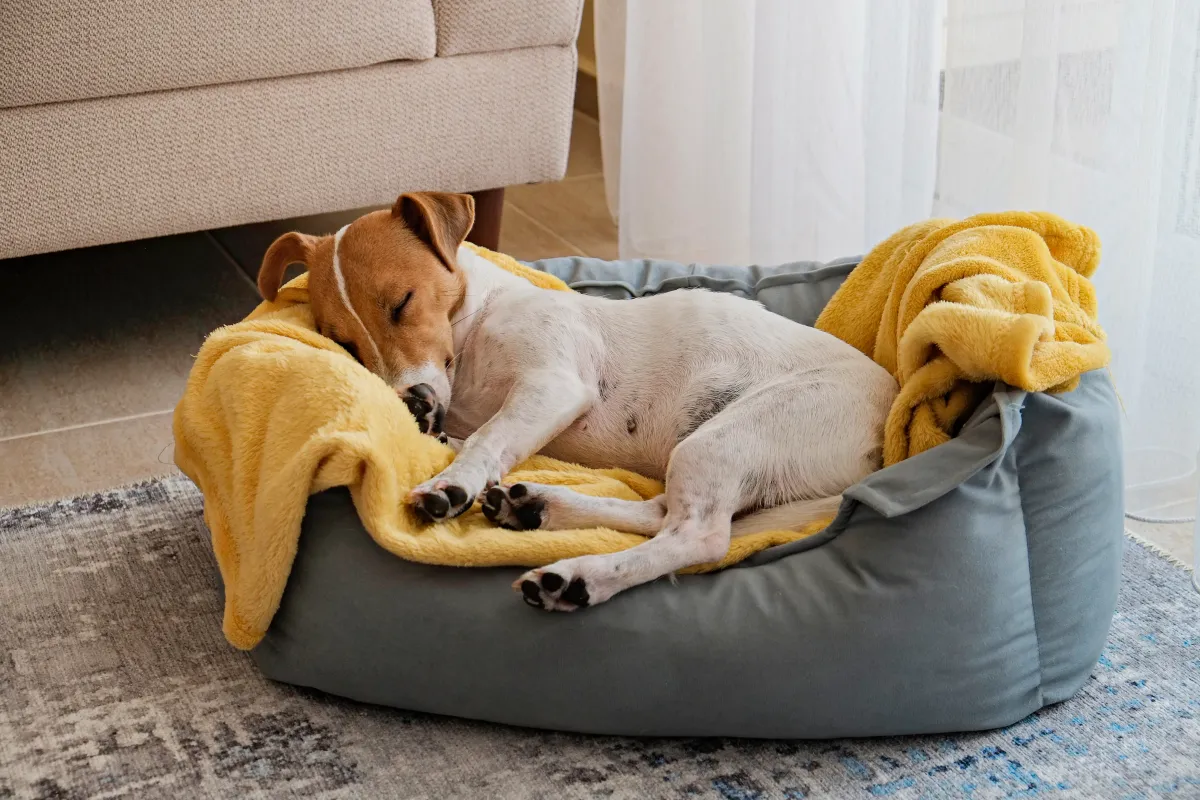
Figuring out where your dog crashes is personal. Some love curling up at the foot of your bed for that family feel, while others prefer their own cozy corner. Dr. Fox says it boils down to what works for you both—comfort and uninterrupted sleep are key. Bonk agrees: tailor it to your setup. Comfort starts with the right bed, too—choose one that’s spacious enough for stretching, whether your pup likes to bundle up or sprawl. Go for memory foam for support, especially as they age, and pick durable, hypoallergenic fabrics that shrug off claws and clean easily with washable covers.
In the end, prioritizing your dog’s sleep is about showing them the love they deserve. With consistent routines and a chill environment, you’ll notice happier, more balanced pups—and who knows, maybe even cheerier mornings for you. If you’ve got hilarious or heart-melting pet stories, share them with us; we love featuring your furry stars! Just hit up [email protected] for a chance in our Pet of the Week. Sweet dreams to all the dogs out there!