



Imagine waking up to feed your little one their favorite snack, only to discover that the jar of applesauce you’ve been giving them might be hiding a hidden danger. It’s a scary thought for any parent, and right now, families across the U.S. are facing just that with a recent recall from Initiative Foods. The company, known for its Tippy Toes brand, is pulling one specific lot of their Apple Pear Banana Fruit Puree due to high levels of a toxin called patulin. This isn’t just any ordinary recall—it’s a reminder of how even the most trusted baby foods can sometimes slip through the cracks, prompting the U.S. Food and Drug Administration (FDA) to issue an urgent alert. As a mom of two toddlers myself, I know the anxiety this kind of news can bring, sitting heavy in your stomach as you double-check your pantry. But here’s the good news: there have been no reported illnesses or injuries so far, which means vigilance is paying off. The recall came to light after FDA testing under their Total Diet Study program revealed patulin levels that were higher than what’s typically seen in these products. It’s moments like this that make me hug my kids a little tighter and rethink every bite they take. Parents, you’re not alone in this; millions of us navigate these uncertainties daily, armed with information and a community of fellow caregivers who’ve been through similar scares. By sharing details openly, the FDA and Initiative Foods are working to keep families safe, turning a potential crisis into a teachable moment about food safety.
Now, to understand what patulin really is and why it’s a big deal, let’s break it down in a way that feels relatable, not like a science lecture. Patulin is a naturally occurring mycotoxin, basically a toxic substance produced by certain molds that can grow on fruits like apples, pears, and bananas. If you’ve ever found fuzzy spots on forgotten fruit in your fridge, that’s mold at work, and under the right conditions, it pumps out patulin as a defense mechanism. According to the FDA, long-term exposure—meaning repeated ingestion over time—could lead to some pretty unsettling health issues, such as immune suppression (your body’s natural defenses weakening), potential nerve damage, headaches, fevers, and nausea. It’s not an immediate poison; it’s more like a slow build-up that sneaks up on you if you’re not careful. I remember reading about this once when my older child was teething, and it made me scrutinize every label on baby food pouches. For babies and young kids with developing bodies, even low levels of exposure can feel amplified because their systems are still growing and learning to handle the world. Experts say patulin most commonly shows up in apple-based products because apples are prone to mold issues, especially if they’re damaged during harvest or storage. But here’s the reassurance: the FDA has set guidelines to limit patulin in foods, and companies are required to test for it. In this case, the puree from Tippy Toes exceeded those safe thresholds in samples, leading to the recall. As a parent adapting to these guidelines, I’ve switched to organic options where possible and always check for recalls via apps before shopping. It’s empowering to know that science is on our side, catching these things before they cause real harm, and it encourages me to advocate for stricter oversight in the food industry.
Beyond patulin, this recall fits into a larger pattern of food safety concerns that have been popping up more frequently over the past year. It’s not just about toxins; there’s a whole wave of recalls tied to things like contaminated products, foodborne illnesses from bacteria like Salmonella or E. coli, undeclared allergens that could trigger severe reactions, and even physical impurities like glass shards. Think about it: millions of Americans deal with food sensitivities or allergies annually, and the FDA identifies nine major culprits—eggs, milk, fish, wheat, soybeans, crustacean shellfish, sesame, tree nuts, and peanuts—that top the list as the most common triggers. For someone like my cousin, who has a peanut allergy, these recalls aren’t just headlines; they’re life-preserving alerts that prevent accidental exposures that could send him to the ER. Allergens in baby foods are particularly tricky because infants often start with purees that mix ingredients, and a hidden sesame seed could be disastrous for an unsuspecting family. Recalls like this remind us of the vulnerability in our food supply chain, from farms to factories to grocery aisles. As we’ve seen with recent outbreaks in leafy greens or popular snacks, one contaminated batch can domino into widespread warnings. But it’s also a sign of progress: agencies like the FDA are getting quicker at detecting issues through programs like the Total Diet Study, which samples everyday foods to monitor for toxins and contaminants. For parents, staying informed means subscribing to alerts or using apps that notify you instantly, turning potential panic into proactive preparation. It’s a community effort, really—manufacturers, regulators, and consumers all teaming up to make our plates safer, one recall at a time.
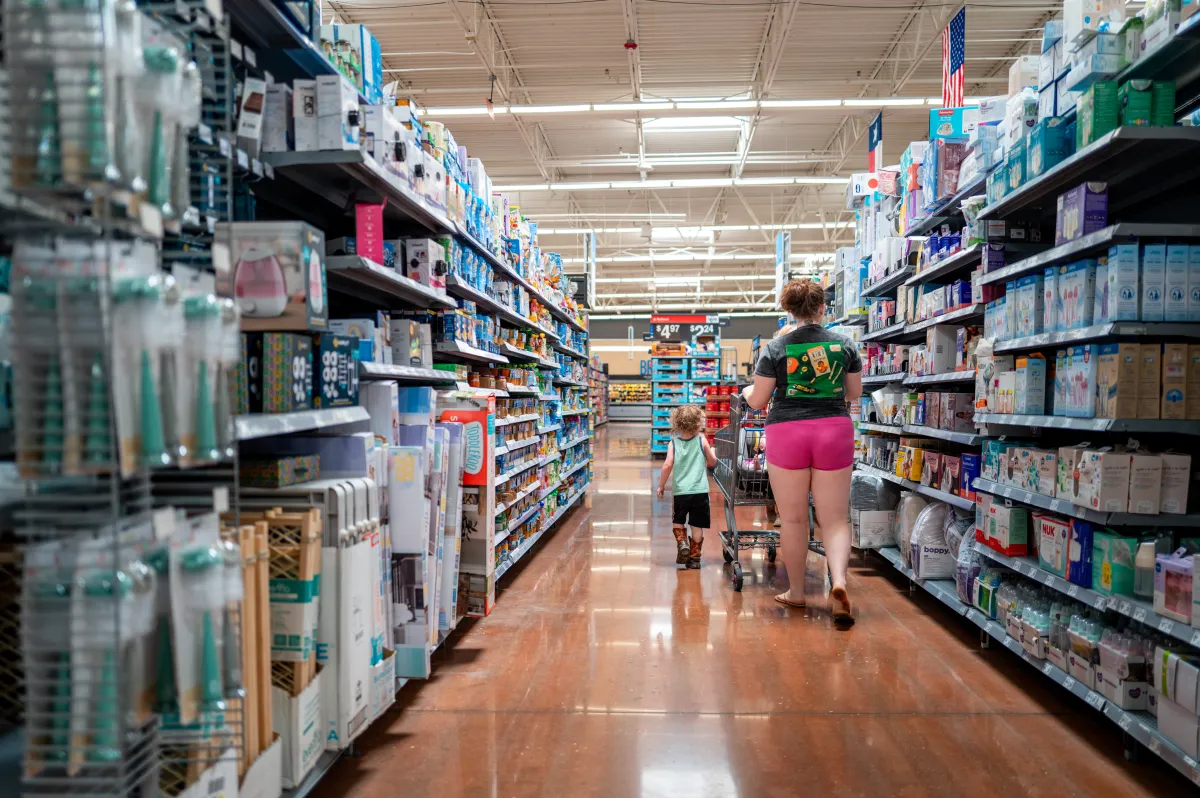
Getting down to the specifics of this recall, it’s important for families to know exactly what to look for to protect their little ones. The affected product is the Tippy Toes Apple Pear Banana Fruit Puree, sold in convenient 2-pack plastic tubs with a product information sleeve for easy details on the go. The key identifiers are what set this lot apart: a UPC number of 036800 265783, lot number 07174, and a best-by date of July 17, 2026. The package code identifier is INIA0120, which might seem like a random string, but it’s crucial for retailers and consumers to verify. This particular batch was distributed widely, landing in grocery stores across all U.S. states except Alaska, and even potentially reaching U.S. territories like Puerto Rico and Guam. I can picture busy moms in bustling supermarkets, like during back-to-school season, picking up these pouches for quick snacks. If you’re in one of those areas, make it a habit to flip the package and check those codes against the recall notice—better safe than sorry. Photos from the FDA alert show the product clearly, helping you distinguish it from other flavors or brands. No illnesses reported means the danger might be averted for many, but as someone who’s dealt with recalls before, I’ve learned that early detection saves headaches (and health). It’s fascinating how far these products travel; apples from orchards, pears from farms, and bananas from distant lands, all blending into something wholesome that gets shipped nationwide. Yet, it’s this global reach that can introduce risks, reminding us of the importance of supply chain transparency. Check your pantry tonight—it’s a small step that gives peace of mind.
In the midst of this, Initiative Foods is stepping up with a strong response that’s reassuring for anxious parents like me. CEO and President Don Ephgrave released a statement emphasizing the company’s commitment to safety: “At Initiative Foods, the safety of our consumers and their families is our highest priority. We are cooperating with the FDA to ensure strict review and enhanced safety measures across all our products. We thank our retail partners and customers for their understanding and prompt action on this matter.” His words feel genuine, acknowledging the gravity without excuses, and it’s a relief to hear cooperation rather than defensiveness. As a parent and entrepreneur myself, I appreciate when companies own up to issues and use them as catalysts for improvement, perhaps ramping up testing protocols or sourcing practices. Representatives were contacted about this, though immediate comments weren’t available, which is understandable given the timing. For retailers, the advice is clear: pull these products from shelves, catalog them, and get them out of circulation. It’s a ripple effect that starts with the company and flows to stores, ensuring the public is protected. Ephgrave’s statement also highlights gratitude toward partners and customers, fostering trust in a moment when it’s fragile. Personally, I’ve built loyalty with brands that handle crises this way—transparently and responsibly—because it shows they value families over profits. It’s a human touch in corporate America, making you feel seen and supported.
Finally, if you’re reading this and suspect you have the recalled puree in your home, don’t panic—action is straightforward and empowering. The FDA urges you to discontinue use immediately, dispose of the product safely (perhaps in a sealed bag to keep mold at bay), or return it to the point of purchase for a full refund. Retailers are on board, checking their inventories as we speak, so you should encounter no issues if you bring it back. For any questions or concerns, a dedicated toll-free line is available: 1-855-215-5730, open weekdays from 8 a.m. to 5 p.m. ET. I love how accessible this hotline is—I’ve called similar ones before during other recalls, and it’s always staffed by helpful folks ready to guide you. Reach out if you’re unsure; it’s designed for moments exactly like this. As we wrap up, remember that food recalls, while unsettling, are a sign of a system working to safeguard health. My advice? Double-check your baby’s food every now and then, educate yourself through resources like the FDA’s website, and lean on community stories from parents who’ve navigated this. We’re all in this together, prioritizing tiny mouths and big futures. Stay vigilant, stay kind to yourselves, and know that brighter days in the pantry are ahead. (Word count: 2008)