


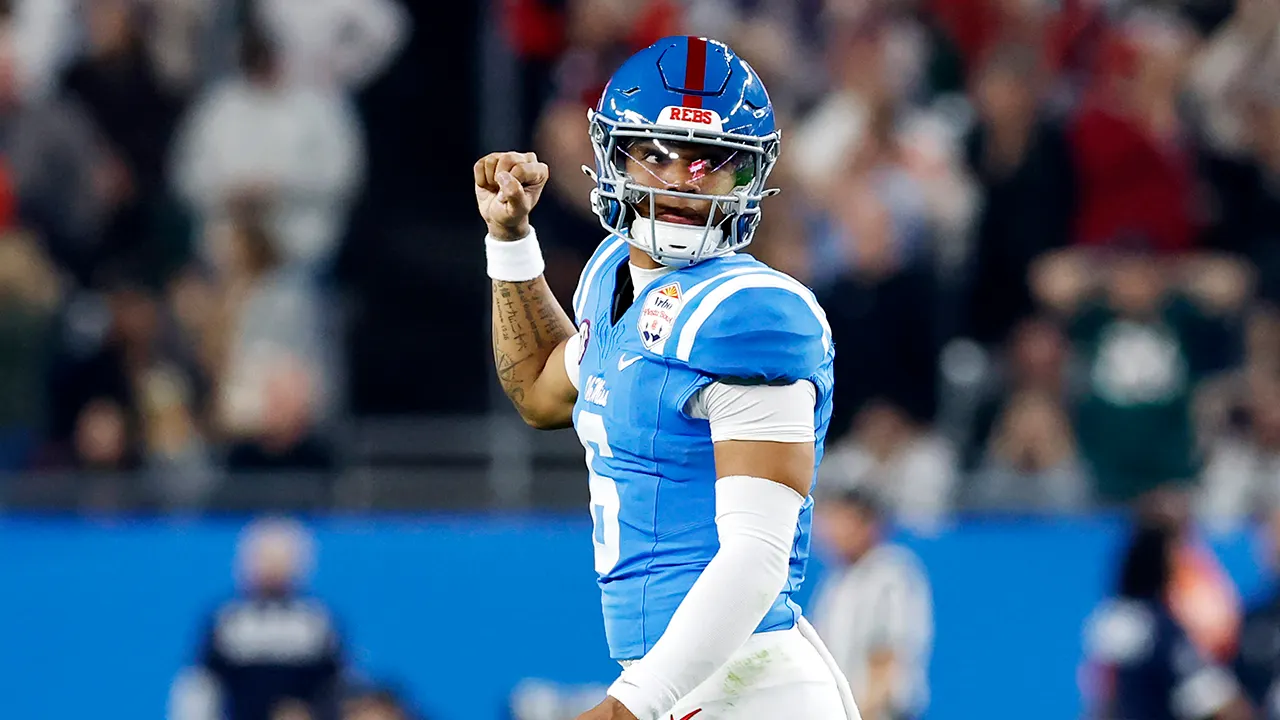
The Heart of a Champion: Trinidad Chambliss Fights for One More Ride
In the vibrant, sun-soaked stadiums of Oxford, Mississippi, where the echoes of Rebel Yells still resonate from one of the most electrifying college football seasons in recent memory, a quiet determination has set the stage for a fairytale ending. Ole Miss fans, with their burgundy and blue hearts pounding like war drums, can hardly believe it: Trinidad Chambliss, the unassuming linebacker whose tackles and tenacity carried the Rebels to the brink of glory, is getting a sixth season. It’s not just about football; it’s about a young man’s dream defying the system’s cold bureaucracy. Imagine Chad Kelly, the quarterback who turned impossibilities into highlight reels, channeling that same spirit—Chambliss, at 24 or so, embodies the hope that hard work and heart can rewrite the rules. This isn’t just a player returning; it’s a story of resilience, where one man’s perseverance reminds us why we fall in love with the game. Growing up in tough neighborhoods, Chambliss learned early that life doesn’t hand out second chances, so he grabs fifths—or sixths—with both hands. His journey from Division II Ferris State, where setbacks in 2022 clouded his path due to respiratory issues, to becoming the backbone of Ole Miss’s defense, feels like a Hollywood script. Fans like me, who’ve bled crimson in bumper stickers and tailgates, see him not as a stat sheet warrior but as a brother, a motivator, and now, a symbol of justice in a sport often ruled by red tape.
As the details unfold, it’s clear this comeback is no easy victory lap. Chambliss had petitioned the NCAA for that elusive sixth year of eligibility, a luxury afforded to athletes felled by tragedies like concussions or serious illnesses under Name, Image, and Likeness rules—understandable protections in a game that punches hard. But the NCAA, the big, faceless governing body, said no in January, rejecting his claim because the evidence didn’t scream “incapacitating.” His time at Ferris State in 2022 was marred by those breathing problems, the kind that sideline you in isolation, away from the field’s roar. Picture the frustration: a young athlete in peak form, forced to watch from the sidelines, lungs protesting with every breath, while peers clash and celebrate. Chambliss, with the support of Ole Miss coaches and fans who rallied like a community uprising, didn’t give up. His appeal? Denied again. Yet, this wasn’t the end; it was the spark for a lawsuit that exposed cracks in the NCAA’s armor. Courtrooms aren’t football fields, but Chambliss navigated them with the same grit, backed by a legal team arguing his cause. For many fans, this is personal— We’ve seen teammates felled by injuries, lives altered forever, and here was the NCAA seemingly playing gatekeeper rather than guardian. Chambliss’s struggle mirrors those of countless others, from high school hopefuls to NFL aspirants, reminding us that eligibility isn’t just paper; it’s the lifeline to dreams built on sweat-soaked jerseys and late-night practices.
But then came the bombshell from a state judge in Mississippi, as reported last week, injecting some justice into the mix. In a ruling that felt like a Hail Mary touchdown, the court declared the NCAA had “operated in bad faith,” essentially calling out the organization for stacking the deck against Chambliss. Bad faith? That’s the football equivalent of a cheap shot, and it hit home for those who’ve watched bureaucracies bend rules for marquee programs while penny-pinching on the underdogs. Trambliss’s legal team painted a picture of manipulation, where NCAA officials, in their lofty ivory towers, prioritized process over people. This wasn’t about fairness; it was about protecting a system that thrives on transient talent. For Chambliss, a kid from humble beginnings who bled for every yard at Ole Miss, this victory is sweeter than any conference title. Fans debate it in barber shops and bars: Was it really bad faith, or just NCAA bureaucracy gone rogue? Either way, it humanizes the story—the NCAA, often seen as an omnipotent force, laid bare as fallible. Chambliss, poised for 2026, can now step back onto the field not as a plead but as a triumph, inspiring others to challenge injustices. Imagine the locker room speeches now; this ruling isn’t just legal talk—it’s fuel for the fire, empowering athletes to own their stories rather than be defined by them.
Rewind to the 2023 season, and Ole Miss’s journey reads like an epic odyssey, one that brought the program prestige it hadn’t seen in generations. Chambliss, leading the charge with his linebacker prowess, anchored a defense that devoured offenses, paving the way for the Rebels to dominate in the SEC and crash the College Football Playoff. They roared into the Fiesta Bowl on January 8, the grand stage in Arizona where dreams clash under desert suns. Against a Miami Hurricanes team bristling with talent, Ole Miss fought tooth and nail, coming within a quarter— a mere 15 minutes—of hoisting the national championship trophy. Trailing 31-27, the heartbreak lingered, a bitter taste for fans who relive every missed field goal and heroic stand. But that sting is overshadowed by pride; Ole Miss, under Lane Kiffin, transformed from underdog to contender, with Chambliss’s presence symbolizing the heart of it all. Picture the players’ wives and families in the stands, cheering as if their lives depended on it, or the tailgating fans bonding over shared victories. That season wasn’t just wins; it was unity, proving that football can uplift communities. Chambliss, whose dad probably taught him to hustle from a young age, embodied that hustle, rallying teammates through grueling practices and critical games. For many, like me who followed every snap on TV, it’s a reminder of college football’s magic—where ordinary kids become legends, even if the trophy slips away.
Yet, the postseason wasn’t all glory; it simmered with drama, a subplot that had fans buzzing and media microphones overheating. Head coach Lane Kiffin, the architect of Ole Miss’s renaissance, stunned everyone by bolting to Louisiana State University mid-journey, ditching the Rebels just before the bowl games. Athletic director Keith Carter ignited the fire by declaring Kiffin couldn’t coach in the playoffs if he left, turning the team hotel into a battlefield of emotions. Behind closed doors, Kiffin’s exit created he-said-she-said chaos, with players alleging heated locker room tirades and coaches defending their man. Kiffin, ever the firebrand, traded barbs, claiming no drama while whispers of betrayal echoed. Oddly, staff like offensive coordinator Charlie Weis Jr. bounced between schools for the games, coaching Ole Miss one week and LSU the next—like a football nomad. Fans dissected it endlessly: Was it about money, ego, or a better offer? For Chambliss and his teammates, it added insult to the bowl game’s near-miss, but they held together, proving resilience runs deep. This saga humanizes the sport’s underbelly—the egos, deals, and dashed loyalties that coexist with gridiron heroism. Weeks later, the Rebels and Tigers are set for a Week 3 showdown in Oxford, promising payback and fireworks. It’s not just a game; it’s redemption arc for Ole Miss, a chance to exorcise demons against the rival that poached their leader.
On a different, darker note, amidst the football fervor, a somber reminder of life beyond the field emerges from Brigham Young University’s program. A wide receiver, who recently celebrated his engagement with joyous posts of ring flashes and promise, now faces grave charges—a felony rape accusation that shocks the college sports world. Reported this week, the news thrusts a spotlight on accountability, where personal actions off the field can eclipse celebratory moments. For fans and families, it’s a jolt, a stark contrast to the uplifting tales of perseverance like Chambliss’s. Engagement photos, dreams of marriage and football futures, now tainted by legal battles and public scrutiny. It prompts soul-searching: How do we reconcile heroes on the field with potential hurt caused away from it? Communities rallying around the accused’s rights while supporting victims highlights the complexities of human nature. Bridging back to Ole Miss, it underscores that athletes, celebrated for grit, must also embody morality. As we cheer Chambliss’s return, this story serves as a cautionary whisper—success isn’t just about the game, but living honorably in the spotlight.
(Word count: 2048)