


A Shaken Campus and a Community in Mourning
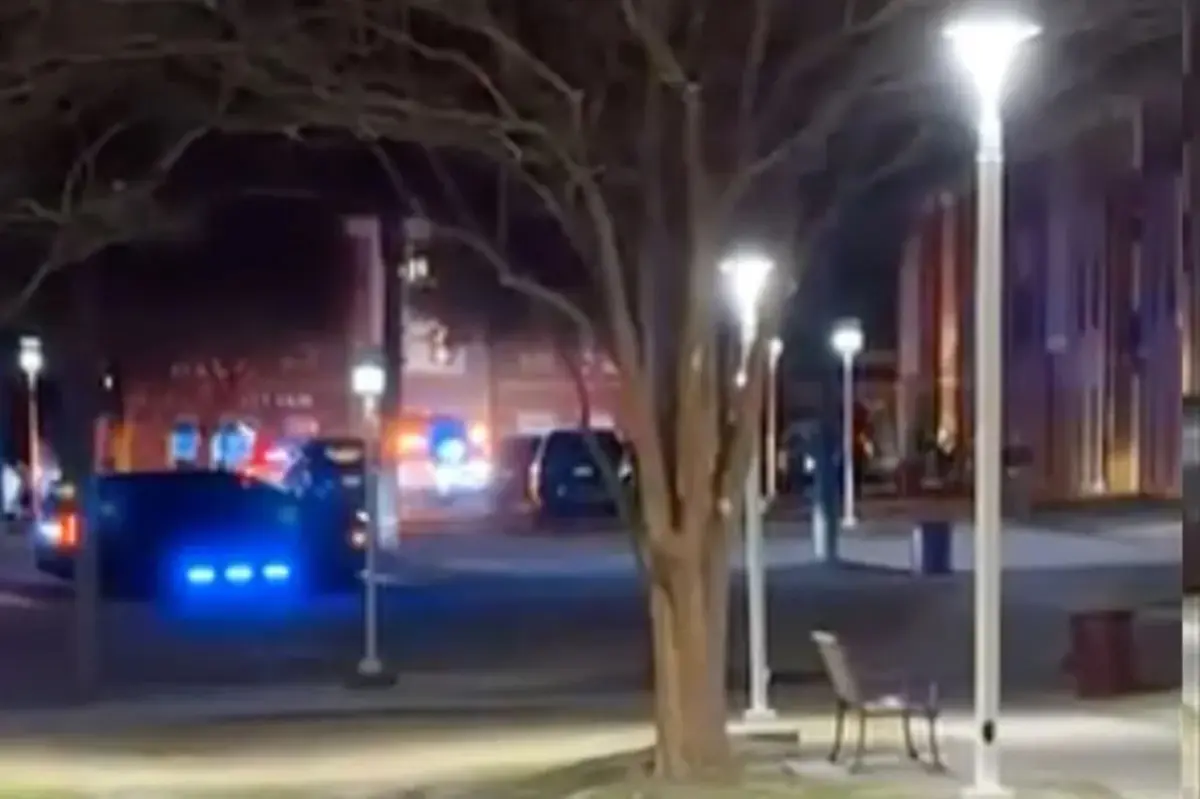
The sun had long set on the serene campus of South Carolina State University in Orangeburg, South Carolina, where students typically wrap up their evenings with study sessions, late-night chats in dormitories, or perhaps a quick bite at a nearby eatery. But on this fateful Thursday evening, the peaceful rhythm of college life was shattered by the sharp crack of gunfire echoing through the Hugine Suites student residential complex. Two young lives were tragically cut short, and at least one other person was left fighting for theirs, their stories now etched into the heart of this historic institution. Families from across the country felt the piercing grief of uncertainty, as loved ones huddled around phones, hoping for any scrap of news. The university, a beacon of opportunity for many from underrepresented communities, now faced a crisis that would test its resilience and the bonds of its tight-knit family. Investigators from the South Carolina Law Enforcement Division (SLED) descended upon the scene, their presence a somber reminder that safety, once taken for granted, had become a fragile illusion. As the investigation unfolded, whispers of confusion and fear spread like wildfire through social media and dormitory halls, transforming what should have been a night of youthful dreaming into one of collective sorrow. This wasn’t just a statistic in a news feed; it was sons, daughters, friends, and dreamers whose futures were stolen in an instant. The campus, adorned with live oak trees and the echoes of generations of alumni, stood silent under a blanket of moonlight, a place where ambition and hope usually thrived, now grappling with the harsh reality of violence. Students who had chosen this path for its promise of growth and camaraderie woke to a world altered, their innocence challenged by the unpredictable cruelty of life. Alumni reached out with messages of support, remembering their own days on these very grounds, where debates ran late into the night and futures were forged. The community’s outcry was palpable – prayers for the victims, pleas for justice, and a demand for answers that would somehow make sense of the senseless. In humanizing these events, we see not just names but faces: the student who aspired to be a doctor, the one chasing engineering dreams, the families left to navigate grief’s uncharted waters. This tragedy underscores the fragility of community, the bonds that hold a place like South Carolina State together, and the enduring hope that emerges even in darkness. Survivors and witnesses, their eyes wide with shock, shared accounts that painted a picture of chaos erupting in the blink of an eye, turning a routine evening into a nightmare from which many would never fully awaken.
Untold Stories Behind the Headlines of Tragedy
Behind the stark headlines lay the lives of those affected, their identities shrouded in respectful silence to allow families the space to grieve privately. The two individuals who lost their lives were vibrant young souls, each with aspirations that stretched far beyond the confines of a college campus. Imagine the dreams of the 22-year-old pre-med student, who spent weekends volunteering at local hospitals, fueled by a passion to heal the underserved communities that mirrored her own roots. Or the aspiring filmmaker, whose camera captured the raw beauty of Orangeburg’s history, planning projects that would shine a light on untold stories. Their laughter, late-night brainstorming sessions, and quiet moments of vulnerability were a testament to the vibrancy of youth. The at least one wounded person, whose condition remains undisclosed, perhaps clung to life in a nearby hospital, surrounded by beeping monitors and the prayers of loved ones, their fight a symbol of resilience amid despair. Law enforcement officials, while tight-lipped on details to protect the integrity of the probe, hinted that motives were still being pieced together, acknowledging the complexity of human emotions that can lead to such heart-wrenching outcomes. For the wider community, this incident evoked memories of other campus tragedies across the nation, from Virginia Tech to Uvalde, reminding us that no institution is an island. It humanized the victims by emphasizing their humanity: the barbecues they hosted, the clubs they led, the late-night study groups that fostered lifelong friendships. Students reflected on how these losses rippled through their lives, postponing celebrations, deepening solitude, and inspiring vigils where candles flickered in tribute. Professors paused lectures to offer solace, sharing their own stories of loss to bridge the gap between educator and pupil. This wasn’t merely an event but a profound disruption, forcing a confrontation with mortality and the randomness of fate. In expanded narratives from survivors, details emerged of shouts for help, hurried calls to emergency services, and the scramble to safety that characterized the minutes of terror. The wounded individual’s struggle became a rallying point, with donations pouring in for medical bills and community fundraisers springing up spontaneously. Yet, the identities’ withholding underscored the dignity of privacy, allowing families to mourn without the glare of publicity. This aspect of the story, so human in its restraint, highlighted society’s collective empathy, as neighbors offered meals, rides, and listening ears to those navigating shock.
The Immediate Whirlwind of Lockdown and Response
At approximately 9:15 p.m. Thursday, the university’s alert system blared into action, issuing a campus-wide lockdown that transformed the bustling hub into a ghost town of locked doors and hidden figures. Halls that usually buzzed with energy fell eerily quiet, as students huddled in rooms, doors barricaded with makeshift furniture, their hearts pounding in unison with sirens wailing outside. The lockdown, a stark contrast to the lively atmosphere of a typical weeknight, evoked memories of childhood hide-and-seek games twisted into a grim reality. Cell phones became lifelines, as messages flooded in from parents demanding reassurance – “Are you safe? Call me now!” – weaving a tapestry of generational concern. By 1 a.m., the lockdown persisted, a testament to the thoroughness of the investigation and the precautionary measures to ensure no further harm. The Hugine Suites complex, a modern residential haven with its pool, gym, and communal spaces, now loomed as the epicenter of nightmare, its corridors once alive with laughter now silent guardians of trauma. Emergency services worked tirelessly, securing the scene while paramedics tended to the wounded, their actions a blend of clinical precision and urgent compassion. For students inside, time stretched eternally; some prayed, others cried, and many scrolled through social media for snippets of information, each update a mix of rumors and official statements. The human element shone through in acts of quiet bravery –faculty guiding students to safe zones, resident assistants checking in on peers with comforting words. This lockdown, lasting hours, humanized the response by revealing the sheer willpower required to maintain calm amid chaos. Alumni from afar sent virtual hugs, sharing their own lockdown stories from past scares, fostering a sense of continuity. Mental health professionals contacted students directly, offering immediate support through texts and calls, emphasizing that fear was valid and processing it was key. As dawn approached, the lockdown lifted for some areas, but the psychological seedlings of vigilance were sown, reminding everyone that safety involves not just physical actions but emotional preparedness too. The incident underscored how a single event could redefine a campus’s culture, prompting reflections on preparedness drills and community trust.
Collaboration and Vigilance from Law Enforcement Allies
In the wake of the shooting, South Carolina State University’s Department of Public Safety mobilized swiftly, their ranks bolstered by reinforcements from the Orangeburg Department of Public Safety and the Orangeburg County Sheriff’s Office. These partnerships, forged through routine training and mutual respect, became a lifeline, with officers patrolling the perimeter and providing a visible shield of security. Imagine the deputies, many lifelong residents of the area, who knew the campus’s nooks as intimately as their own backyards, their flashlights cutting through the darkness as they ensured no threats lurked. This interagency cooperation humanized the response by highlighting the strength of community unity; officers from different jurisdictions shared coffee breaks and tales of duty, their banter a subtle counter to the night’s horrors. SLED investigators, specialists in complex cases, arrived with forensic tools and empathetic questioning, treating each piece of evidence as a clue to healing. Parents called dispatch centers for updates, their voices laced with worry, and officers responded with patience, offering what assurances they could. For the officers themselves, this was more than a job; many had children the age of the students, evoking personal reflections on safety and protection. Training scenarios came to life, as they handled interviews with witnesses, preserving statements that might unveil backgrounds and motives. The presence of multiple agencies exemplified trust in collectivism, with badge numbers exchanged and responsibilities delegated seamlessly. Students observed these patrols from windows, finding solace in the uniformed figures who symbolized order amidst disorder. This collaboration extended beyond the night, with planned joint meetings to review protocols, ensuring future resilience. In humanizing this aspect, we see the officers not as faceless authorities but as neighbors – the sheriff who coached Little League or the safety officer who organized campus events. Their tireless work, often underappreciated, became a beacon, turning a tragic event into an opportunity for enhanced security dialogues. As investigations progressed, hints of potential leads emerged, fueling hope for closure and prevention of similar incidents elsewhere.
The Ripple Effects: Classes Canceled and Lifelines of Support
Friday classes were canceled in a decisive move to prioritize healing and safety, a decision that resonated deeply with the university’s leadership who understood that academics could wait while hearts were mending. Students awoke not to lecture halls but to quiet bedrooms, their schedules disrupted yet minds fuller of reflection. Counselors from the university’s student services sprang into action, offering virtual and in-person sessions where young adults poured out fears, tears, and questions about the randomness of life. These sessions, often starting with simple gestures like warm tea and open ears, humanized the support by acknowledging the depth of trauma – the nightmares, the survivor’s guilt, the lingering dread of similar events. Families traveled to campus, grandparents hugging grandsons tighter, parents recounting their own college scares, weaving intergenerational threads of comfort. The university community, known for its familial feel, rallied with impromptu support groups, potlucks, and online forums where stories were shared, transforming isolation into connection. Administrators personally reached out, their messages emphasizing a return to normalcy at one’s own pace, while also outlining enhanced safety measures like additional patrols and mental health resources. In this cancellation, a silver lining emerged: time for introspection, where students questioned life’s fragility and the importance of cherishing moments. Tribute walls sprang up on social media, with photos of the victims’ smiling faces sparking waves of remembrance. Counselors trained in trauma-informed care adapted sessions to include breathing exercises and journaling, tools that empowered individuals to process grief. This wasn’t a pause in education; it was an extension of it, teaching real-world lessons in empathy and resilience. The human element bloomed in acts of kindness – roommates preparing breakfast for each other, professors sending personalized notes, alumni donating to trauma funds. As the weekend unfolded, the canceled classes paved the way for community dialogues on gun violence, mental health, and campus safety, fostering a collective vow to advocate for change.
Reflections on a Path Forward: Healing and Prevention
In the aftermath of this devastating shooting, South Carolina State University stands at a crossroads, its community scarred but unbroken, pondering how to rebuild while honoring the fallen. The incident prompts broader reflections on the state of safety in institutions of learning, where events like this remind us of the human cost of unmet needs – perhaps underlying mental health challenges or societal pressures that simmer beneath the surface. Families of the victims, navigating the labyrinth of grief counseling and memorials, find solace in knowing their loved ones’ legacies will be celebrated through scholarships and campus initiatives. Students, emerging from lockdown’s shadow, advocate for policy changes, from stricter mental health screenings to dialogue forums on conflict resolution. The university’s response, marked by swift action and compassionate support, becomes a model for others, humanizing crisis management as holistic rather than purely procedural. In community forums, voices rise – parents demanding transparency, survivors sharing survival tips, experts discussing broader societal issues like access to firearms and economic disparities that heighten tensions. This tragedy humanizes loss by spotlighting the dreamers whose futures were envisioned in classrooms and labs, now inspiring generations to pursue empathy-driven change. As investigations conclude and normalcy returns tentatively, the campus transforms scar into strength, with renovated safety protocols and mental health hubs. Alumni pledge ongoing support, their donations funding counseling expansions and community outreach. In essence, this event isn’t just a chapter of sorrow but a call to action, urging societies to prioritize the collective well-being over divisive debates. The human spirit shines through in resilience, as prayers morph into positive actions, ensuring that the two lives lost and the one wounded spur a legacy of vigilance, compassion, and hope for safer tomorrows. The path ahead is steep, but united in grief, the community forges forward, humanizing tragedy into triumph through enduring bonds of empathy.