



The Story Begins: A Controversial Signing
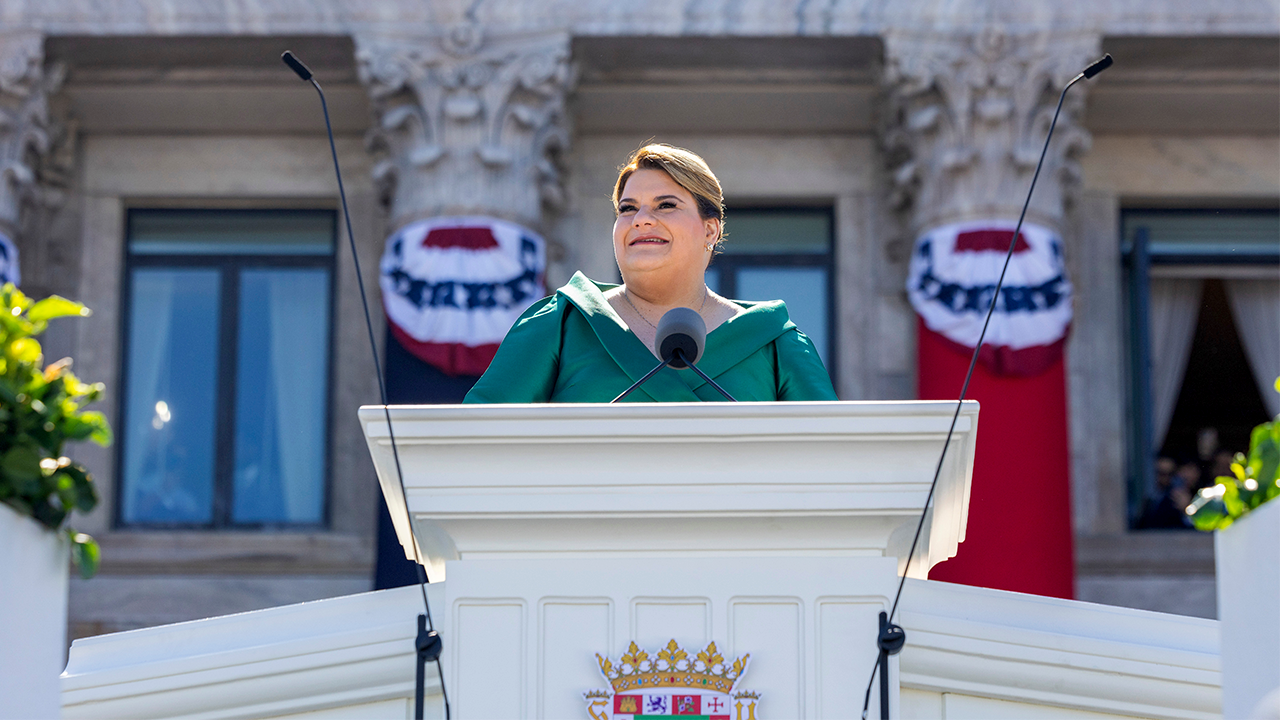
Imagine it’s a sunny Thursday in Puerto Rico, where Governor Jenniffer González, a staunch Republican, stands at her desk, pen in hand. She’s about to make history—or at least stir up a storm—by signing Senate Bill 923 into law. This isn’t just any bill; it changes how the island’s Penal Code talks about life itself. Picture the energy in the room: advisors nodding approval, while out in the streets, everyday Puerto Ricans buzz with opinions. González explains it straightforwardly: the law tweaks the definition of murder to recognize an unborn baby as a fully human being from the moment of conception. It’s all about aligning the books, she says, ensuring that if someone harms a pregnant woman and kills her child in the womb, it’s treated as the serious crime it should be. Named after Keishla Rodríguez, that brave woman tragically killed in 2021 by her partner, a former boxer, the bill honors her memory. Wright, the bill feels personal for many; it’s a nod to families who mourn lost lives before birth. But as González signs on, whispers of bigger battles echo. Will this small change ripple into something huge, like rolling back abortion rights in a place where they’re still legal? Puerto Rico, still healing from hurricanes and economic woes, watches closely, wondering if this vote will define its future.
Digging Deeper: What the Bill Really Says
Let’s break it down like we’re chatting over coffee. The core of Senate Bill 923 is a simple amendment, but powerful. It alters Puerto Rico’s Penal Code’s take on murder, declaring that an unborn child is a “person” deserving of protection under the law. González’s team backs this up: it’s not inventing new rules, but making criminal law match civil protections for pregnant women. In plain English, if a bad guy kills a mom-to-be and her baby dies too—at any stage of pregnancy—it’s automatically upgraded to first-degree murder. That means harsher punishments, life sentences, like what happened to Félix Verdejo after Keishla’s death. Supporters paint this as compassionate and logical: why should a five-month-old fetus in the womb be treated differently from a newborn outside? It’s about valuing life equally, they argue. Folk in Puerto Rico who’ve faced tragedies might nod along, seeing it as a stand for safety in communities rocked by violence. Yet, as we sip that coffee, you can feel the undercurrent of tension. Is this just about murderers, or is it a footprint toward banning abortion entirely? The island’s pro-life groups cheer, seeing it as progress in a world where opinions on when life begins swirl like a debate at a family dinner. González herself calls it consistency, a way to honor every life stage. But for everyday folks, it’s scraping at ethics: when does a cluster of cells become a being with rights?
Supporters Step Forward: Voices of Conviction
On one side of the divide, the applause comes loud and clear. Think of churchgoers, family advocates, and lawmakers who see this law as a beacon of moral clarity. Jenniffer González isn’t alone; she’s rallying around the idea that recognizing unborn children as people is straightforward justice. These folks point to real stories: mothers like Keishla, whose life was cut short along with her unborn child’s. “We can’t pick and choose when life matters,” a local supporter might say, echoing sentiments heard at community forums. It’s not political gamesmanship, they insist; the bill’s title honors a victim, ensuring killers face the full force of the law. In Puerto Rican culture, where faith plays a big role, this feels like protecting the vulnerable. Supporters emphasize it’s not a sneak attack on abortion—Puerto Rico allows the procedure under certain conditions, and they claim this is purely about crime and punishment. Imagine a mother sharing her testimony: “If my baby’s heart beats, that’s my child, not a blob.” The pushback is human: it’s about empathy for families who’ve lost pregnancies too soon, or those who choose life over easy exits. González’s statement reads like a promise: to keep evil at bay. Yet, even among backers, there’s caution. Some admit it might stir debates, but hey, meaningful change often does. As Puerto Rico navigates its identity post-Maria, this law feels like reclaiming dignity, one paragraph at a time.
Opponents Raise Concerns: A Flood of Worry
Flip the coin, and the voices shift to alarm. Critics, led by groups like the ACLU and abortion rights advocates, warn of a slippery slope that’s anything but subtle. Rosa Seguí Cordero, a sharp attorney in Puerto Rico, calls it out bluntly: “A zygote now has legal personality? We’ve been robbed of our rights.” It’s personal for women here; this amendment isn’t just ink on paper—it’s a potential shackle. They argue the bill’s “door to outlawing abortion” is wide open. How? By defining the unborn as human, it chips away at reproductive freedoms. In a place where abortion is legal but contentious, this could inspire copycat laws across the states. Doctors chime in too—Dr. Carlos Díaz Vélez, head of the medical college, sounds worried. He talks of “defensive medicine,” where scared physicians bail on treating pregnant patients risking criminal charges. Think of a woman needing an early abortion for health reasons: under this, is the doctor a murderer? Díaz paints a grim picture of chaos—clinicians second-guessing every choice, turning hospitals into legal war zones. It’s not just policy; it’s affecting real people. Annette Martínez Orabona from the ACLU adds fuel: no public hearings, rushed passage. “The legislature dropped the ball,” she says, leaving ambiguities that threaten civil rights. Humanizing this, feel the fear: a young mom might hesitate to seek care, worried a mishap could land her doctor in jail. Puerto Rico’s recovery vibes—vibrant music, resilient spirits—clash with this unease, making opponents push for dialogue. Some even hint at legal challenges ahead, defending a woman’s bond with her body.
The Legal Labyrinth: Complications and Consequences
Diving into the weeds, this bill unearths a tangle of legal thorns that affect everyone from judges to moms. The amendment isn’t just a neat fix; it invites mess. Díaz warns of invasions: a “third person” could butt into doctor-patient talks, breaching privacy. Imagine a nosy interloper questioning if a procedure respects the “human being” inside—that’s a doctor’s nightmare and a patient’s ordeal. Regulations? They’re nowhere near ready; the system’s “not prepared,” as Díaz puts it. This means new protocols, training, and likely court battles. Critics marvel at the irony: a law meant for consistency breeds ambiguity. Is an early miscarriage now a criminal affair? What about IVF embryos? Puerto Rico’s judges might wrangle with cases for years. Human stories surface: families torn by debates, experts scrambling. González downplays chaos, but history shows these moves spark broader fights. In the U.S. mainland, similar laws have been contested—think South Carolina’s push or Wyoming’s court wins. For Puerto Ricans, it’s extra layered; as a territory, their laws echo federal winds yet stand alone. This signing feels like a tipping point, where passion meets law’s cold logic. Everyday folks might ponder: will this protect lives or imprison choices? It’s a puzzle that demands scrutiny, reminding us laws aren’t just words—they shape lives, one heartbeat at a time.
Looking Ahead: Echoes and Implications
As the dust settles in San Juan, this law reverberates far beyond Puerto Rico’s shores. It’s a flashpoint in America’s culture wars, where abortion debates rage like wildfires. González’s move aligns with GOP trends—South Carolina echoes with its own murder-as-abortion bill—mirroring stories of conviction amid opposition. For listeners tuning into Fox News, it’s a reminder that politics is personal: audiences might cheer or protest, feeling their own losses. Humanizing the future, envision moms advocating for both mother and child, doctors navigating gray areas, and families healed or fractured. Puerto Rico, with its rich blend of Caribbean spirit and American influence, stands at a crossroads. Will this bill empower protectors or ignite divisions? Broader implications loom: voter shifts, campaigns, even tourism attitudes. Yet, it’s hopeful too—a society wrestling with big ideas, from hurricanes to human rights. As González notes, it’s about life, but critics urge caution: don’t erase women’s stories. In the end, this isn’t just news; it’s a conversation about who we are. Puerto Ricans and Americans alike might reflect: how do we balance protection with freedom? With voices like Díaz and González, the debate continues, proving that laws, like hearts, thrive on dialogue. As you absorb this, remember: every story shapes the next chapter.