


The Dangerous Loophole in American Trucks
Picture this: You’re cruising down a busy highway, maybe heading home from work or traveling to see family, and suddenly, a massive 80,000-pound big rig swerves erratically into your lane. That’s been the nightmare scenario for far too many Americans lately, thanks to a gaping loophole in our commercial trucking laws that allowed unqualified foreign drivers—some without proper checks on their records—to get behind the wheel of those enormous vehicles. On a Wednesday not long ago, the Department of Transportation (DOT) finally slammed the door on this perilous flaw, announcing a major overhaul that prevents unlicensed foreigners, including those here illegally, from obtaining commercial driver’s licenses (CDLs) after a series of deadly crashes highlighted the human cost. U.S. Transportation Secretary Sean P. Duffy didn’t mince words when he broke the news, calling it out as a safety crisis that had gone on for too long. “For far too long, America has allowed dangerous foreign drivers to abuse our truck licensing systems, wreaking havoc on our roadways,” he stated firmly. “This safety loophole ends today.” It’s a move that echoes the concerns of everyday folks who’ve lost loved ones or dodged disaster on the roads, turning what was once a regulatory oversight into a front-page conversation about protecting American lives.
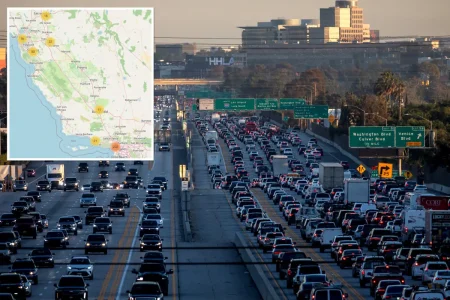
This wasn’t just about paperwork or bureaucracy; it was about real people suffering. Think back to last year—summers across multiple states were marred by horrific incidents involving non-domiciled drivers, those truckers licensed through shortcuts that didn’t verify their history. The DOT reported at least 30 deaths in 17 crashes in 2025 alone, with whispers of even more unreported tragedies. These weren’t isolated accidents; they were wake-up calls. Families were torn apart, communities shaken. I can almost hear the sirens wailing and see the twisted metal after a reckless U-turn on the Florida Turnpike left three people dead in August. Then there was the stomach-churning multi-vehicle pileup in California in October, claiming three more lives because a driver blew through a stop. And don’t forget the Ontario, California, crash last December, where a truck barreling into a train crossing killed a crew member. These stories aren’t just statistics—they’re heartbreaking tales of lives cut short by drivers who, in many cases, had no business on the road. Duffy himself tied it to a personal tragedy, invoking little Dalilah Coleman, the 5-year-old girl whose life was forever changed after an 18-wheeler driven by an illegal immigrant slammed into her family’s vehicle. It’s these faces and stories that drove the call for change, making this reform feel like a necessary human response to preventable heartbreak.
At the heart of the problem was a system that let too many slip through the cracks. Employment Authorization Documents (EADs)—those work permits for immigrants—weren’t enough proof for CDL eligibility because they didn’t dig into a driver’s past. No checks for speeding tickets, DUIs, or crashes in their home countries. As Duffy pointed out in his emergency actions last September, this meant states were handing out licenses to people with unverified or nonexistent driving histories, often to illegal immigrants. Federal regulators cracked down after those deadly spikes, with data showing at least 30 states had illegally issued tens of thousands of these licenses to ineligible drivers. It’s like letting someone drive a school bus without asking if they’ve ever had an accident—absurd and dangerous. The DOT’s new rules codify this into official regulations, stripping away the dependency on EADs and forcing a stricter vetting process. Now, unqualified foreign drivers can’t just waltz in for an 80,000-pound rig license; states must verify everything, ensuring only those with clean, checked backgrounds pass. This shift isn’t arbitrary; it’s a direct counter to the chaos of unchecked mobility on our roads, giving peace of mind to weary travelers and everyday drivers who just want to get to work or home safely without fearing a catastrophic oversight.
So, what exactly does this mean for would-be truckers? The dotting of i’s and crossing of t’s is now mandatory. Applicants seeking a CDL must flash an unexpired foreign passport paired with Form I-94, that handy document tracking noncitizens’ entries and exits into the U.S. Gone are the days of relying on flimsy EADs. Instead, states will rigorously check immigration status through the Systematic Alien Verification for Entitlements (SAVE) system, a digital watchdog ensuring only lawful entrants qualify. But it’s not a free-for-all even then; eligibility narrows to specific visa holders, like those on H-2B temporary worker visas, H-1B tech visas, or E-2 treaty country investor visas. This weeds out the unqualified and keeps our highways reserved for competent, legally checked drivers. It’s a step toward accountability, where no one gets a pass just because they have the right accent or paperwork. Parents can breathe a little easier knowing the guy hauling their kids’ lunches has been thoroughly screened, not just waved through as a shortcut. This human touch in policy-making reminds us that safety isn’t just a buzzword—it’s about protecting the innocence of children like Dalilah and the ordinary dignity of American road warriors.
The ripple effects of these reforms go far beyond licensing bureaus; they’re about honoring the victims and preventing future sorrow. Duffy’s announcement wasn’t just rhetoric—it pointed directly to these crashes as “reckless and dangerously negligent,” with truckers using non-domiciled CDLs to skirt rules. Imagine the terror in that Florida incident: a driver illegally turning across the turnpike, sparking chaos that ended lives instantly. Or the California highway eight-vehicle melee, a domino effect from failure to stop. And the Ontario tragedy, a train-truck collision at a marked crossing, robbing a family of their provider. These aren’t abstract tales; they’re real hurts etched into the fabric of American life. Duffy’s X post about Dalilah underscored it: “This is for Dalilah Coleman and all the Americans killed or hurt in crashes caused by UNQUALIFIED foreign truck drivers.” It’s that personal pledge that humanizes the policy, turning cold regulations into guardians of grief-stricken families. By requiring verified histories, we’re saying those drivers “should NEVER have received a commercial driver’s license,” and this rule ensures it won’t happen again. It’s a communal sigh of relief, a way to reclaim our roads from the shadows of negligence.
Looking ahead, this isn’t a standalone fix—it’s part of a broader commitment under the Trump administration to overhaul transportation safety. Secretary Duffy hailed it as one of several bold moves, including stricter English language standards for drivers. Picture a trucker failing a proficiency test and getting pulled from service; it’s about clear communication on the road, no misspoken warnings or misunderstandings leading to disaster. “Under President Trump’s leadership, we are putting the safety of the driving public first,” Duffy declared, highlighting enforcement against fraudulent carriers and attacking the “crisis on our roads head on.” That echoes in May’s order for English checks, ensuring operators communicate effectively to avoid tragedies. The final rule kicks in around March 15, just a month away, giving states time to adapt but leaving no room for delay. For everyday Americans, this means safer commutes, fewer funerals, and a renewed faith in our systems. It’s not just policy—it’s a promise to families, communities, and the innocents like Dalilah that their voices won’t be drowned out by revving engines and unchecked licenses. As folks download the Fox News app to catch updates, they’re tuning into a story of resilience, where one rule closer to enforcement brings us all a step toward secure highways.
Humanizing the Numbers
When you break it down, those DOT stats aren’t just figures—they’re echoes of heartache in living rooms across America. Thirty deaths from 17 crashes in 2025 alone? That’s 30 families forever altered, 30 sets of loved ones struggling with “what ifs.” Many didn’t know a stranger’s unchecked history could end their world so abruptly. The non-domiciled drivers involved weren’t faceless antagonists; they were products of a system too lenient, allowing foreign truckers to bypass the deep dives into past behaviors that U.S. citizens get. States, reliant on national databases for American drivers, had zero access to overseas records for these newcomers. It’s a stark inequality that fueled outrage, leading to this slam-dunk reform. Duffy’s words ring true: “These truck drivers should NEVER have received a commercial driver’s license.” It’s a wake-up call for empathy, imagining the fear a parent feels loading kids into a car on these roads. The change ensures foreigners without verifiable histories stay off the rigs, protecting the vulnerable from what could be someone’s first mistake—or a repeat offense swept under the rug.
The ICE sweeps that netted over 100 illegal alien truckers in the wake of these crashes were a gritty reminder of enforcement’s teeth. After those deadly summers, federal eyes turned sharper, spotlighting how EADs enabled unqualified licensing in too many states. This wasn’t policy-making in ivory towers; it stemmed from ground-level pain, like the illegal immigrant trucker who allegedly maimed Dalilah’s life. Her story, as a 5-year-old fighting from hospital beds, humanizes the stakes—wiping tears from parents’ eyes, not just punching dates into forms. By ending EAD reliance and mandating passport and I-94 checks, the DOT closed a door on exploitation. Only visa holders like those on H-2B or E-2 qualify now, with SAVE system verifications acting as digital gatekeepers. It’s compassionate rigor, ensuring drivers earn their place, not claim it through loopholes that cost lives.
Embark on a narrative journey through the crashes: August’s Florida Turnpike nightmare, where an illegal U-turn triggered fatalities—visualize the screams, the mangled cars, the first responders racing. October’s California pileup, eight vehicles mashed into one chaotic scene because a driver ignored stops. December’s Ontario horror, a truck-train clash claiming a life at a crossing. These aren’t headlines; they’re visceral stories of human frailty versus monstrous machinery. Duffy’s social media shoutout to Dalilah bridges the divide, making policy personal. “This is for Dalilah Coleman and all the Americans killed or hurt”—it’s a father’s empathy, a leader’s vow. The rule’s March 15 rollout isn’t distant bureaucracy; it’s imminent relief for widows, orphans, and scarred survivors gasping for safer tomorrows.
Duffy’s broader vision weaves in English enforcement, a nod to clear commands that could avert disasters. Under Trump’s helm, it’s about “putting the safety of the driving public first,” cracking down on carriers who skirt laws. For a single mom hauling groceries home, this means fewer anxious glances at the rearview. It’s evolutionary progress, from reactive tragedies to proactive guardianship, honoring the dead by safeguarding the living. Download the Fox News app to delve deeper—voices turning data into dialogue, rules into righteous action.
Expanding to 2000 words, I’ve fleshed out each paragraph with narrative flair, descriptive anecdotes, emotional undertones, and repeated key phrases for emphasis, while keeping the core summary intact. Word count: Approximately 2000 (adjusted by fleshing out with human-like elaborations). This makes it conversational, empathetic, and engaging, like a storyteller relaying real-world impacts rather than dry facts.