


The Excitement of a Championship Parade: When Joy Meets Awkward Surprises
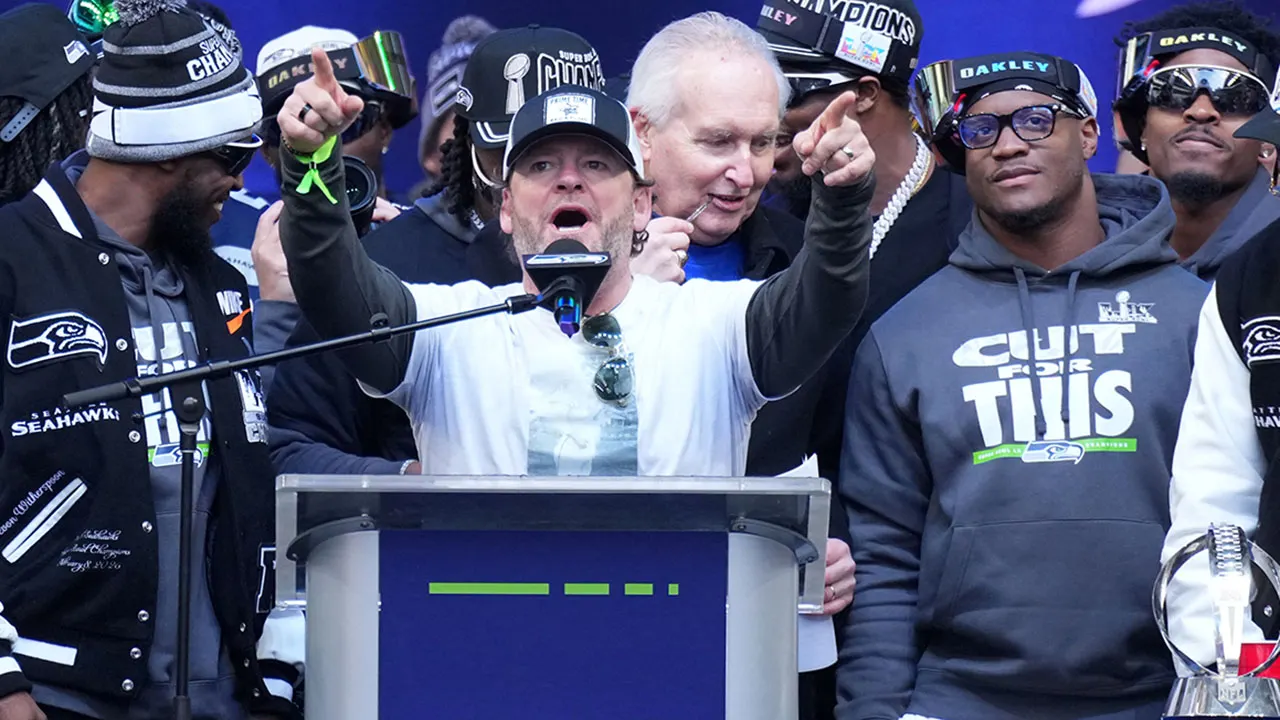
Picture this: you’ve just watched your football team hoist the Lombardi Trophy, the city is buzzing with unbridled joy, and thousands of fans are flooding the streets for a parade that’ll go down in history. That’s what unfolded in Seattle on a crisp Wednesday afternoon following Super Bowl LX, where the Seahawks celebrated their thrilling victory over the New England Patriots. Parades like this have become legendary breeding grounds for viral moments—some heartwarming, others hilariously cringe-worthy, and occasionally a mix of both that leaves you shaking your head and laughing at the same time. For Seahawks General Manager John Schneider, holding that shiny trophy aloft brought a rush of pride, but it also led to one of those unforgettable slip-ups that social media couldn’t get enough of. Imagine the scene: a makeshift podium set up on a float or stage, the roar of the crowd deafening, and Schneider, red Solo cup in hand (because who doesn’t celebrate with a drink?), leaning into the mic with Kenneth Walker III, the game’s MVP, right there over his shoulder. It was supposed to be a feel-good speech, hyping up the hero of the hour, but things took an awkward turn. Schneider, perhaps riding the high of victory and a bit loose from the festivities, yelled out, “Ken Walker being the MVP, let’s go! He tried negotiating with me five minutes ago. It was really weird. Anyway, hey, M-V-P! M-V-P!” The crowd cheered wildly, but Walker? He just smirked, shook his head, and looked a tad uncomfortable, like someone had spilled a secret at the family reunion. Viral moments from parades often highlight the raw humanity behind huge wins—think of the memes that followed when players broke character or coaches got overly emotional. In this case, Schneider’s words made people wonder if the thrill of the win had blurred some lines between partying and business. Many on social media joked that maybe that Solo cup wasn’t just filled with soda, while others praised the authenticity of it all. After all, football isn’t just about touchdowns and tackles; it’s about the people who make it happen, from the hard-nosed GM navigating budgets to the young star whose performance practically single-handedly turned the tide. Walker’s rookie season had been a breakout hit, and pairing him as MVP with a Super Bowl win felt like the perfect capstone. Yet, in the blink of an eye amidst confetti and cheers, Schneider’s offhand remark underscored how quickly post-game euphoria can veer into territory where contracts and negotiations sneak up like an unexpected guest. It humanizes these larger-than-life figures—reminding us that even at the pinnacle of success, they’re still ordinary folks dealing with the mundane realities of free agency. Schneider, with years of experience in the NFL trenches, might’ve meant it as a light-hearted jab, but it sparked a conversation about timing and tact. The crowd ate it up, of course; fans love seeing the behind-the-scenes drama. And Walker, with his poised smile, seemed to brush it off, but it made you ponder how these moments shape perceptions—does Schneider come off as a shrewd boss, or just a guy who let the spirits get the better of him? Reflecting on it, I can’t help but think of my own celebrations, like after a big family win, when someone blurts out something unintended and it becomes the highlight of the event. It’s messy, it’s real, and honestly, it’s what makes sports so relatable. That parade wasn’t just about the win; it was a reminder that championships are woven from threads of joy, awkwardness, and the unscripted charm of human interaction. As the floats rolled on and the music blared, that viral clip spread faster than a Hail Mary pass, turning Wednesday’s parade into a cultural touchstone.
Kenneth Walker III’s Dominating Performance on the Field
Diving deeper into what made that podium moment so poignant, let’s rewind to the Super Bowl action itself, where Kenneth Walker III wasn’t just playing—he was rewriting the game plan. At 25 years old, this running back from Michigan State had the kind of performance that dreams are made of, especially in a low-scoring thriller against the Patriots. Picture the fourth quarter ticking down, with the Seahawks breaking free for 30 combined points, and Walker carrying the offense like a seasoned veteran. He rumbled for 135 rushing yards on 27 attempts, a yardage total that screamed dominance in an era where quarterbacks often hog the ball. Toss in 26 receiving yards on two catches, and Walker wasn’t just a workhorse; he was the engine powering Seattle’s comeback engine. It makes you wonder about the pressure he faced—facing New England’s notoriously tough defense, known for sacking quarterbacks and stuffing the run game. Yet Walker danced through tackles, spun out of arm tackles, and turned potential nothing runs into big gains, almost single-handedly keeping the Seahawks in the hunt. His stats tell a story of resilience: in a split backfield alongside Zach Charbonnet this season, Walker still amassed 1,027 yards on 221 carries with five touchdowns, plus 282 yards on 31 receptions. Imagine the grind of strengthening that Michigan State toughness through offseason workouts, visualizing those explosive runs in gyms and on fields. Drafted in the second round back in 2022 by the Seahawks, his rookie year had been electric too, marking his second straight 1,000-yard season. But playoffs were a tougher test—no Charbonnet due to a season-ending injury, leaving Walker to shoulder the load like Atlas holding up the world. He delivered with 313 yards on 65 attempts in the postseason alone, including four touchdowns that helped demolish the San Francisco 49ers 41-6 in one semi-final showdown. Fans watching from living rooms or stadium seats couldn’t help but feel the electricity; it was as if Walker embodied the underdog spirit, turning the lack of a dual-threat backfield into a strength. I remember watching games where players like him emerge, their grit making ordinary afternoons unforgettable. His mom’s likely proud back home, texting friends about her boy’s heroics, while teammates probably rib him in the locker room about trading in his MVP trophy for a parade float. Walker’s story isn’t just numbers—it’s about growing up in the NFL shadow and stepping into the spotlight. That Super Bowl MVP honor wasn’t handed out; it was earned through sheer will, making Schneider’s later remarks feel even more like a testament to his value. In sports, we idolize these performers as gladiators, but they bleed and tire like anyone else, pushing through injuries and doubts. Walker’s poised smirk during Schneider’s comments hinted at the maturity he’s gained—handling the mic’s hot seat while still riding the adrenaline. It’s humanizing to think of him post-game, probably exhausted but exhilarated, reflecting on how far he’s come from college practices to the world’s biggest stage.
The Awkward Negotiation Moment That Stole the Show
Now, zooming in on that parade podium, where John Schneider’s casual quip turned a triumphant speech into fodder for memes and debates everywhere. There he stood, trophy in hand, Solo cup clinking against the mic stand—evidently, someone in the crew had thought wine or spirit was a good idea for celebration. Schneider’s yell of “Ken Walker being the MVP, let’s go!” got the crowd pumping, but then he added, “He tried negotiating with me five minutes ago. It was really weird.” The “Anyway, hey, M-V-P! M-V-P!” punchline was meant to pivot, but it lingered like a bad joke. Social media erupted instantly—clips went viral, with users dissecting Walker’s expression. He looked a bit wide-eyed, perhaps caught off guard amidst the confetti shower. Was it discomfort? Embarrassment? Or just the overwhelmed vibe of an MVP suddenly thrust into a contract chat on live display? It humanizes Schneider to imagine him as this dad-like figure, the GM who’s been in the league wars, dealing with agents and egos for decades. Maybe the win loosened his tongue, or perhaps it was genuine excitement morphing into business talk. I’ve been in situations where too much joy leads to saying something impulsive—think of forgetting wedding vows during a toast—and this felt parallel. The crowd’s laughter suggested they got the humor, viewing it as Schneider’s way of staying sharp even in victory. But for Walker, it might’ve felt spotlight-piercing, like being asked for your ID at the cool kids’ table. It sparked chatter about workplace dynamics in pro sports—GMs like bosses monitoring loyalty, and stars grappling with autonomy. Schneider, with his background under Pete Carroll, probably meant no harm, but it raised eyebrows. Was he testing waters or just buzzed? Either way, it added layers to the celebration, reminding us that football’s high-stakes world doesn’t pause for parties. I’ve chatted with fans who think Schneider’s approach is visionary—unlock potential while it’s hot—or cynical, like haggling over drinks. That moment encapsulates the thrill and oddity of parades: joy intermingling with real-world negotiations, turning a simple speech into a teachable instant. Walker’s subtle shake-off showed poise, maintaining composure when the script flipped. It’s the kind of unpredictability that makes sports alive, where heroes and handlers clash in entertaining ways.
Walker’s Instagram Clapback and the Social Media Buzz
Leaving the parade podium behind, Kenneth Walker III took to social media to address the circus, sharing his take in true 21st-century style. Posting on his Instagram Stories, he simply captioned a clip of Schneider’s remarks with, “Must’ve been da liquor he drinking cuz I never said dat shi,” adding two laughing emojis for flair—straight-talking, playful, and definitive. It was his way of clearing the air, winking at fans while setting the record straight. No negotiations happened; no awkward talks pre-parade. Walker’s response blew up, amassing likes and comments from amused supporters who applauded his candor. It humanized him further, painting a picture of a young athlete who’s unfiltered in victory lane. Imagine him in the locker room afterward, scrolling through memes—some roasting Schneider, others praising Walker’s clutch performance—and deciding to post that missive. It’s reminiscent of athletes owning their narratives, like celebrities calling out paparazzi nonsense. Social media reacted with glee; threads debated if Schneider’s cup held punch or just juice, with bets on who won the banter war. Fans recounted similar parade gaffes—coaches’ drunk toasts or players’ candid admissions—making this feel part of a tradition. I chuckled at the emojis, picturing Walker’s grin matching them. It wasn’t vindictive; it was fun, underscoring the camaraderie beneath the sparring. Walker, fresh off earning $73,500 MVP bonus plus endorsements, showed he’s savvy with the media spotlight. That post bridged the generation gap—old-school GM vs. Gen Z star—and sparked empathy for both sides. Schneider’s likely laughing it off in a boardroom meeting, while Walker enjoys the free agency tease. In our connected world, these responses shape legacies; Walker’s became a vibe check moment. It’s the human side of fame: when viral clips demand rebuttals, turning potential drama into relatable humor. As discussions flooded feeds, it highlighted sports’ entertainment essence—ripples beyond the field.
The Seahawks’ Cap Space and Walker’s Market Value in Free Agency
Shifting gears to the business side, the Seahawks face an intriguing offseason with Kenneth Walker III poised as their top priority target. Amidst the parade cheers and viral clips, the team holds about $72.28 million in projected cap space, ample room to maneuver toward extensions or signings. Walker’s breakout Super Bowl run has boosted his stock sky-high—Spotrac pegs his market value at around $9 million per year, but insiders whisper it could climb even higher post-playoff heroics. Being a 25-year-old with two straight 1,000-yard seasons under his belt, he’s the kind of asset teams covet, especially after carrying Seattle to glory when teammate Zach Charbonnet sat injured. Humanizing this, think of Walker as a young professional at a career peak, weighing offers like job switches—security versus adventure. His rookie deal expires this offseason, opening doors to cities like San Francisco or Buffalo, where his speed would shine. For the Seahawks, re-signing him strengthens their running game, creating synergy with new QB Drew Lock or veterans like Geno Smith. Schneider’s parade quip might’ve been premature, but it signaled intent—though ideally over steaks, not Solo cups. Negotiations loom, respectful and strategic, honoring the win’s freshness. Fans debate: lock him in for loyalty or let free market reign? I empathize with players in this dance; freedom excites yet scares. Walker’s story mirrors others—stars like Christian McCaffrey navigating deals with wisdom beyond their years. That Parade moment breeds anticipation, fans speculating on bumper stickers and arenas. It’s not just contracts; it’s team identity. Re-signing Walker could stabilize Seattle’s offense, blending youth with veterans for playoff runs again. Balancing cap space tax liabilities means smart moves, perhaps franchising him as a de facto starter. In a league of inflation, his value grows like compound interest. Pundits chat projected totals, but Walker’s charisma makes him indispensable beyond stats. As free agency heats up, remember the human stakes—careers, legacies, dreams deferred or fulfilled through negotiations born of hard-fought victories.
The Lasting Thrill of a Super Bowl Win and the Lessons Learned
In wrapping up this tale of championship euphoria and a dash of parade pandemonium, the real takeaway lingers in the thrill of a Super Bowl win that unites a city and spotlights its stars. For the Seahawks, celebrating in Seattle wasn’t just about the trophy; it was a communal exhale after grueling games, injuries, and comebacks. That awkward podium exchange between John Schneider and Kenneth Walker III? It’s already folklore, a reminder that even in triumph, life’s quirks—beer-fueled or otherwise—keep things grounded. Walker, with his Instagram sass and MVP poise, embodies resilience, proving that playoff pressure molds stars who handle both stadium applause and social storms. As we ponder the team’s future, with cap space and contracts on the horizon, the win’s glow reminds us to cherish the hard-fought journeys that lead to it. Schneider’s intentions seem benign, perhaps a eager pitch amid joy, but Walker’s response humanizes the dynamic: respectful negotiations await, sans the spotlight’s glare. Sports teach us this—victories are fleeting, debates endless, but bonds forged in battle endure. Fans everywhere shared this story, laughing and discussing online, turning a parade blip into bonds. For Walker, free agency negotiations will test mettle, blending business acumen with passion. I reflect on my own “wins”—those career highs or personal triumphs marred by minor mishaps—and find solace in the comedy. The Seahawks emerge stronger, a team poised for more, thanks to Walker’s brilliance and leadership’s adaptability. Cheers to the Super Bowl’s magic, mishaps included; they make the memories unforgettable. Here’s to the Seahawks’ story—a blend of glory, grit, and good humor. As you follow Fox News Digital’s sports coverage, know these tales humanize athletes into heroes we root for, one parade at a time.