


The Peaceful Town of Tumbler Ridge
Tumbler Ridge, a small mining town nestled in northeastern British Columbia, has always been the kind of place where neighbors know each other by name and life unfolds at a gentle pace. With its wide-open spaces, coal mines, and a population of just around 2,000, it’s far removed from the hustle of cities like Vancouver or Calgary. People here work hard, from the miners digging deep into the earth to the families building lives around community events like local fairs and hockey games. Violence? That’s something you hear about on the news, happening in far-off places—not here, in this corner of Canada where everyone looks out for one another. On a crisp October morning in 2024, that illusion was shattered when reports of a reckless driver suddenly escalated into something unimaginable: a police officer was shot and killed. The suspect, a local man, was identified by police as Carl Wiebe, a 50-year-old with ties to the community but a history that included mental health struggles and confrontations with law enforcement.
The Day It Happened
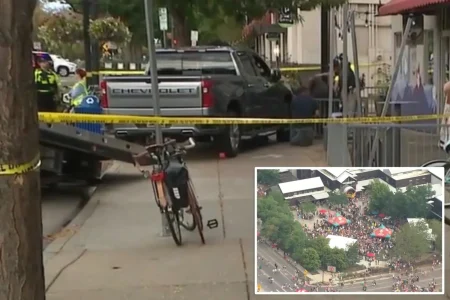
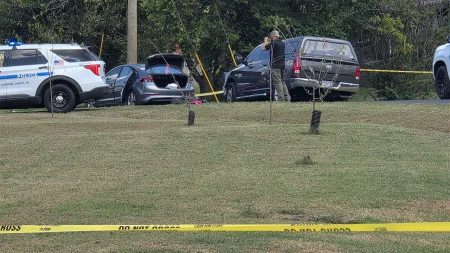
Imagine the scene on October 11: the sun rising over the Rocky Mountains, casting long shadows on the quiet streets. Corporal Adam Goertz, a well-respected RCMP officer who had served in Tumbler Ridge for two years, was at the police station when calls came in about a pickup truck speeding erratically through town. Witnesses described the driver—later revealed as Wiebe—as weaving dangerously, swerving in front of other vehicles and even sideswiping a few. Goertz, who married his high school sweetheart and had two young kids, responded with his partner, Special Constable Nicole Sharp. They knew Tumbler Ridge’s tight-knit nature could mean the situation might resolve peacefully, perhaps with a simple traffic stop. But when they approached Wiebe’s vehicle, it sped off, leading to a high-speed chase that ended at a residential area near the Tumbler Ridge Energy Centre construction site. There, Wiebe exited his truck, armed with firearms, and barricaded himself in a nearby home, wielding a rifle and other weapons he’d gathered. Police negotiated, trying to de-escalate, but tragedy struck when shots were fired, killing Goertz immediately and wounding Sharp. It was a moment that rippled through the community, leaving families in mourning and questioning how such brutality could erupt in their peaceful haven.
A Shocked Nation
Canada, often seen as a safe, polite haven where gun violence is overshadowed by maple syrup and hockey, was stunned. In a country where mass shootings are exceedingly rare compared to places like the United States—statistics from the Canadian Centre for Justice Statistics show fewer than 100 homicides by firearm annually—this incident felt like a gut punch. Tumbler Ridge’s isolation amplified the shock; it’s not a hotspot for crime but a place where people retire or seek solace from urban life. Wiebe, as police revealed, had a background of erratic behavior. He’d been known to police for domestic disputes and had been arrested years prior for minor offenses. Mental health experts later commented that underlying issues, possibly untreated, might have played a role, drawing national attention to Canada’s ongoing struggles with rural mental health care. The outpouring of grief was immediate: vigils popped up across the country, from Tumbler Ridge’s community hall to Parliament Hill in Ottawa, where Prime Minister Trudeau called it an “unimaginable loss.” People shared stories online of Goertz’s kindness—how he’d coached youth sports or helped elderly residents in the winter snow. For Canadians, used to tragedies like the École Polytechnique massacre or other rare incidents, this raised alarms about whether small-town vulnerabilities were being overlooked.
Life in the Aftermath
In the days following, Tumbler Ridge resembled a ghost town in mourning. The school where Goertz’s children attended was a hub of tearful embraces, with counselors on hand and cancelations of events. Townsfolk left flowers and notes at the police station, many handwritten messages thanking “Adam” for his bravery. The community, bonded by a shared sense of loss, rallied in ways that highlighted Canada’s compassionate core. Residents reached out internationally, with condolences from places like California and England, where expatriated Canadians expressed horror. Meanwhile, life had to continue: miners clocked in for their shifts, and families navigated grief counseling. Wiebe’s surrender added another layer—he turned himself in hours later, perhaps after exhaustion or realization, and was charged with murder and numerous offenses. His trial would prove lengthy, but for now, the town focused on healing. One resident, a long-time miner named Sarah, told local media, “This isn’t us, but we’ve got to hold each other tighter.” It was a poignant reminder that even in idyllic settings, humanity’s fragilities can break through.
Reflections on Violence and Justice
The Tumbler Ridge shooting provoked deep national soul-searching about gun control, mental health, and rural policing. Canada has stricter gun laws than the U.S.—handguns require permits, and assault weapons are banned—but Wiebe had legally obtained his firearms, raising debates about background checks and access. Experts pointed to a “crisis of mental health” in remote areas, where services are scarce. Indigenous communities nearby, like the nearby Doig River First Nation, echoed concerns about systemic neglect. Shockingly rare statistics stressed the anomaly: Canada’s firearm homicide rate is about 0.5 per 100,000, versus 3.6 in the U.S. Yet, this incident mirrored others, like the 2018 Humboldt Broncos bus crash or the occasional rural outbreaks. Justice for Goertz demanded action; police promised a thorough investigation, while Wiebe’s charges carried potential life sentences. For Adam’s widow and children, justice meant rebuilding without him. Nationally, it sparked calls for better support for first responders—RCMP officers face high stress in isolated posts.
Healing and Moving Forward
Months later, Tumbler Ridge began its slow recovery, with memorials turning into annual traditions. Adam Goertz’s legacy lived on through a scholarship fund for local youth and a playground named in his honor. The town, still reeling, emerged stronger, perhaps with a renewed sense of vigilance and unity. Wiebe’s trial, set for the following year, would unfold as a reminder that Canada’s peace is maintained by the quiet heroes like Goertz. In the end, this story isn’t just about tragedy—it’s about a community’s resilience, a nation’s empathy, and the human cost of rare violence in a country that prides itself on safety. For visitors imagining Tumbler Ridge, it’s a testament that even in the most serene places, life can test us, but together, we endure. The shock lingers, but so does hope.