

The Chase and the Crash
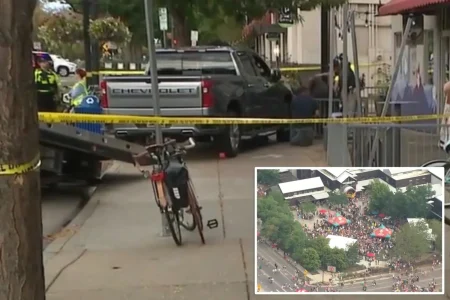
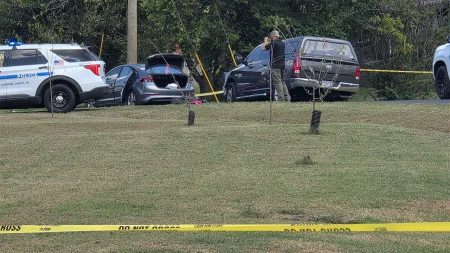
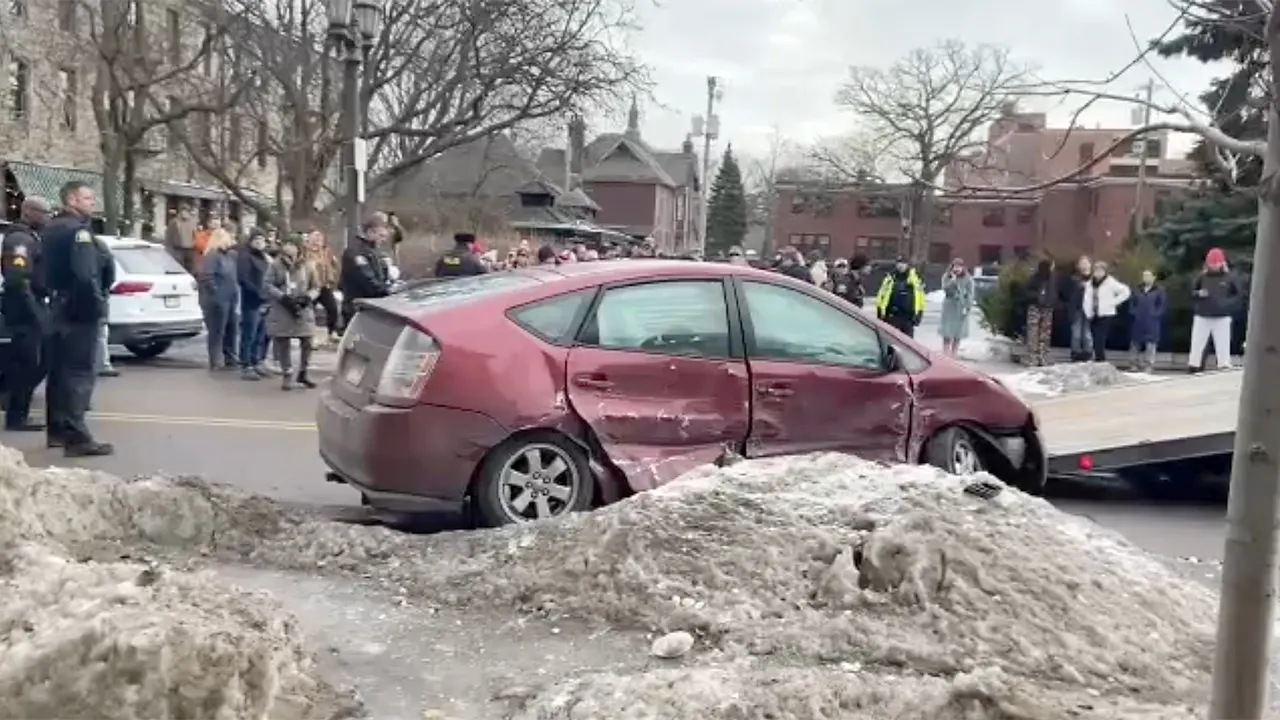
It was a chilly Wednesday morning in St. Paul, Minnesota, when the ordinary hustle of Western Avenue ground to a halt. Around 9:39 a.m., sirens wailed as police responded to a chaotic scene at the intersection with Selby Avenue—an intersection usually bustling with traffic but now the site of a high-speed pursuit turned disaster. Eyewitnesses later described the air thick with tension, the smell of burning rubber mingling with the distant echoes of engines revving at breakneck speeds. A vehicle, reportedly chased by federal agents, had lost control and crashed, sending debris scattering across the pavement. One person inside sustained injuries that, while requiring immediate medical attention, were thankfully not life-threatening. Saint Paul Fire medics rushed them to a nearby hospital, their ambulance lights flashing urgently as onlookers stood frozen, piecing together the frantic sequence of events. For a moment, the city seemed to hold its breath, wondering if this was just an accident or something more sinister tied to the broader unease gripping the Twin Cities.
What made the scene even more unsettling was the rapid gathering of a crowd. St. Paul Police noted a “large crowd” forming almost instantly, drawn by the commotion like moths to a flame. People spilled out of nearby shops and homes, smartphones in hand, capturing snippets of the aftermath while speculative whispers filled the air. Was this part of the immigration enforcement operations that had been sparking outrage? As the dust settled, the crowd’s murmurs grew into something closer to a gathering protest, a spontaneous outcry against the invisible forces hunting through their streets. You could sense the frustration in their voices—the sense that federal agents were intruding into daily life, turning quiet neighborhoods into potential battlegrounds. This wasn’t just rubbernecking; it felt like a community’s raw response to months of unrest, where every siren could signal more of the same divisiveness that had already claimed lives.
One anonymous witness, speaking quietly to a reporter, painted a more personal picture of the chaos. She recalled seeing three or four cars tangled in the wreck, metal crumpling like tinfoil in a fistfight gone wrong. “It was like a movie,” she said, her voice shaking slightly, “but not the kind you enjoy.” Nearby, in a parking lot, what started as a few curious passersby swelled into a “huge protest,” with people chanting and waving signs against federal overreach. This witness knew two of the individuals whose vehicles were involved—one had just popped out for a quick coffee at a local café, the other was working in an office building, both ordinary folks caught in an extraordinary mess. Imagine stepping out for a morning brew only to hear tires screeching and a vehicle slamming into another, federal pursuit adding a layer of paranoia. The witness described the parking lot throng as a mix of anger and solidarity, raw emotions bubbling up—fear for neighbors, sympathy for those targeted, and a deep-seated weariness from the cycle of conflict that had defined the area. It was as if the city itself was protesting, one unplanned rally at a time, amplifying the human cost of policy battles fought in back alleys and intersections.
This incident didn’t erupt in a vacuum; it was fueled by simmering tensions that had been boiling over since the start of the year. Back in January, federal agents tragically killed two people: Renee Good on the 7th and Alex Pretti on the 24th, both in separate shootings that ignited widespread condemnation. Good and Pretti weren’t nameless statistics; they were community members whose lives ended abruptly, sparking vigils and marches across the St. Paul-Minneapolis metro area. Leaders in Minnesota’s government slammed the Trump administration’s aggressive stance on illegal immigration, accusing federal authorities of overstepping and endangering everyday Minnesotans. Protests erupted, with locals decrying what they saw as indiscriminate enforcement—a crackdown that felt personal, targeting immigrants and those associated with them in a state that prides itself on diversity and welcoming arms. The anger was palpable, a mix of grief for the lost lives and outrage at a system that seemed to prioritize raids over dialogue, turning neighbors into suspects. Families shared stories at protests—kids waiting anxiously for parents who darted from shadows, small businesses shuttered due to raids—human faces behind the headlines, their frustrations echoing the broader national debate on immigration.
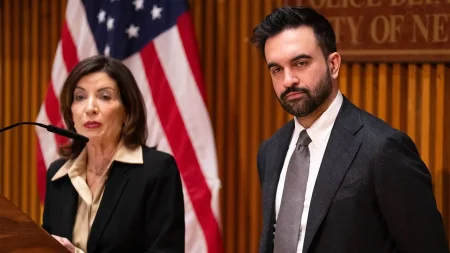
Into this powder keg stepped Border Czar Tom Homan, a figure dispatched to cool the flames in Minneapolis. Fresh in his role overseeing operations, Homan acknowledged the escalating hostilities and made a calculated move to deescalate: pulling back 700 immigration officers from the frontline duties. This wasn’t just a bureaucratic shuffle; it was an attempt to humanize the federal presence, to show restraint in a region where agents were increasingly viewed as invaders. Homan’s strategy aimed to rebuild trust, shifting from broad sweeps to more targeted enforcement—focusing on real threats while easing the pressure on localities. Critics argued it came too late, after shootings had scarred the community, while supporters hoped it could prevent future tragedies. Imagine the officers, many of them dedicated public servants grappling with their roles in such polarized times, briefed on new protocols amid whispers of conspiracy. For Homan, it was a gamble, balancing national security mandates with the very real human emotions boiling in Minnesota streets, where every agent’s badge now carried the weight of communal mistrust.
Ultimately, the St. Paul crash and its aftermath underscored a deeper divide, where policy meets people in messy, heart-pounding ways. No federal agencies, like ICE or Homeland Security, had confirmed involvement in the pursuit, leaving the truth shrouded in official silence—a vacuum filled by speculation and scared stories. Yet, the event highlighted how immigration enforcement, meant to secure borders, had infiltrated everyday lives, fraying the social fabric of places like St. Paul. Communities demanded accountability, empathy, and change, while agents navigated a landscape where every call could turn tense. As protests continued and shifts in enforcement evolved under Homan, Minnesotans wondered if bridges could be rebuilt. The human element persisted: the injured soul recovering in a hospital bed, witnesses reliving the shock, families mourning losses that felt preventable. In this urban tapestry, where coffee runs collided with chases, the call for compassion echoed louder than sirens, reminding us that policies aren’t enacted in theories—they unfold in the lives of real people, one crash at a time. Moving forward, the Twin Cities’ story became a cautionary tale of division, urging dialogue over confrontation in an increasingly interconnected world.