



The Olympic Dreams of American Curlers Come Alive
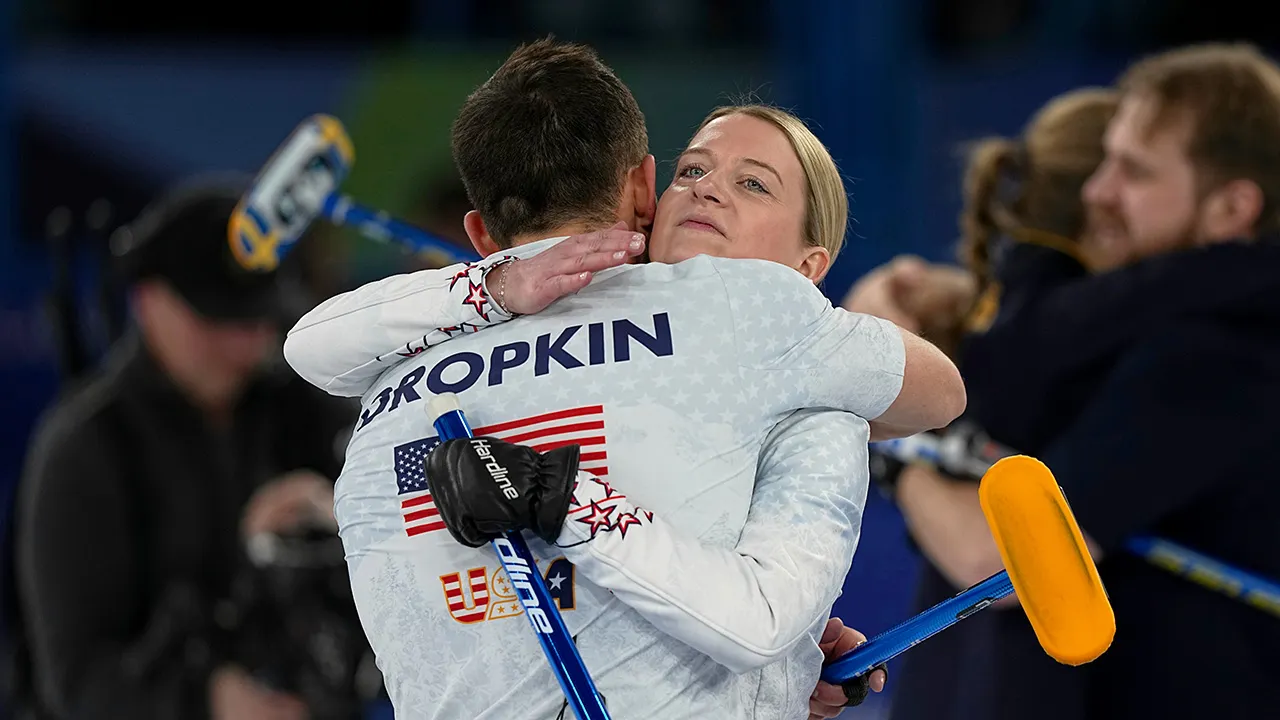
Imagine standing on the ice, the world watching as you throw stones carved from granite, each shot a delicate dance between skill and strategy, under the bright lights of an Olympic arena in Italy. That’s the exhilarating world of curling, a sport that blends precision, psychology, and teamwork, and on Tuesday, it delivered a historic moment for the United States. Korey Dropkin and Cory Thiesse, two Americans with hearts full of determination and a passion ignited from humble beginnings, faced off in a thrilling mixed doubles final at the Milan-Cortina Games. They didn’t snatch gold, but their journey embodies the spirit of the Olympics: perseverance through the highs and lows. Dropkin’s calm demeanor masks a fiery competitor who hones his craft daily, while Thiesse, hailing from Duluth, Minnesota, brings a fierce energy shaped by the snowy landscapes where she first learned to sweep. As they stepped onto the ice against Sweden’s formidable duo, Isabella and Rasmus Wrana, the anticipation was electric. The crowd roared, and in that moment, Dropkin and Thiesse weren’t just athletes—they were dreamers chasing the podium, their every throw a testament to years of training, sacrifices like missed holidays and endless rink hours. Picture the Wrana siblings, with their synchronized family bond, as they exchanged knowing glances, their shots fast and flawless, turning the game into a chess match on ice. The lead flipped like a switch—first to the Americans, then to the Swedes, three times in total—creating nail-biting tension that had viewers on the edge of their seats. Despite the grit, the U.S. pair pushed hard, their skips calling plays with precision, but in the end, the Swedes edged them out 6-5. Yet, this loss wasn’t a defeat; it was a chapter in a larger story of triumph. What made it even more meaningful was Dropkin’s nudge to Thiesse on key throws, a subtle sign of trust between partners who have become more than teammates—they’ve forged a friendship through sweat and shared laughs. As the final stone slid toward the house, the emotion in the air was palpable, a mix of exhilaration and bittersweet regret that reminds us why we love the Olympics: it’s about the human connection, the unyielding drive to represent your country. For Thiesse, who balanced this with her role as a mom, the experience was life-changing, a blend of pride and vulnerability that exposed the raw heart behind the helmet. And for Dropkin, a veteran who once dreamed of this exact spotlight, it was redemption after past near-misses, proving that belief can bridge the gap between almost and accomplished.
A Narrow Defeat, But a Landmark Victory for the Stars and Stripes
Diving deeper into the match, every sweep and throw painted a vivid picture of athletic prowess mingled with emotional stakes. The back-and-forth battle started with the Americans grabbing an early lead, Thiesse’s draws placing stones perfectly, her focus unwavering despite the roar of the crowd. Dropkin, ever the strategist, read the ice like a book, estimating curls and freezes as if predicting the future. But the Wranas, with their brother-sister harmony, countered brilliantly—Rasmus’s takeouts jumped out with explosive force, while Isabella’s finesse added layers of complexity. The score teetered, from 2-1 to 3-2, each point feeling monumental, as if the history of American curling hung in the balance. Imagine the anticipation building as Thiesse huddled with Dropkin between ends, whispering encouragements, their faces a mix of determination and the subtle joy of being in the moment—a far cry from the isolation of training in quiet rinks back home. A power outage earlier in the day had tossed the entire tournament into chaos, halting matches right after they began, leaving athletes and spectators in limbo, wondering if the Games would lose their shine. Yet, the resilience of the event prevailed, much like Dropkin and Thiesse’s resolve to stay sharp. In that lit arena, surrounded by cheers and the crisp sound of brooms on ice, they fought valiantly but fell just short, the Swedes’ 6-5 win a deserved crown. But here’s the silver lining that humanizes their story: even in loss, they stood tall, shaking hands with smiles, embodying sportsmanship that goes beyond scores. For Thiesse, a Minnesota native whose life revolved around family and fitness, this wasn’t just a game; it was validation of sacrifices, like prioritizing the rink over weekend outings. Drolean appreciates, who juggles coaching amid his career, found in this defeat a source of growth, reflecting on past lessons that made him wiser. The podium might have eluded gold, but they touched bronze, leaving an imprint on their lives and the sport—a reminder that in curling’s gentle art, connections matter more than conquests. Viewers at home felt the pull, their own ups and downs mirrored in this icy showdown, turning a simple game into a narrative of hope and humanity.
Behind the Medals: Crafting History in Mixed Doubles
What truly sets this achievement apart is the history Dropkin and Thiesse etched into the Olympic record, and it’s a story of trailblazers in a sport that’s equal parts strategy and soul. Before Tuesday, the United States had never claimed a medal in mixed doubles curling at the Games, a glaring omission in a nation rich with curling culture in colder regions like Thiesse’s Minnesota, where ponds freeze over for backyard games. Their semifinal triumph over hosts Italy wasn’t just a win; it was a declaration, securing that elusive first medal—a bronze that shines brightly against the chill. Thiesse, with her cutting-edge techniques and unyielding spirit, became the first American woman to hoist an Olympic curling medal, a momentous milestone erasing years of what-ifs. Imagine the weight of that: growing up in a supportive community where curling is a lifestyle, she balanced motherhood with training, her baby onesie perhaps tucked away as she traveled to Milan. Dropkin’s role as the nation’s standard-bearer in pairs events added depth, his experiences finely tuned by prior international battles. Together, they represented not just targets but narratives—of overcoming imposter syndrome in a male-dominated sport, of channeling personal struggles into shared success. The look in their eyes as they crossed the threshold of history spoke volumes, a blend of pride and purpose that inspires young athletes dreaming from afar. This medal isn’t just metal; it’s humanity, reminding us that sports can rewrite stories, especially for those who rise from obscurity. Thiesse’s pionagement, marked by her ability to read teammates’ minds through subtle cues, showcases the emotional intelligence curling demands. For Dropkin, a meticulous planner, it was about embracing the unpredictability of life-like the way a stone’s path can shift mid-slide. In a world hungry for heroes, they became ours, their victory a bridge between generations, proving that with grit and grace, dreams on ice can thaw the coldest doubts.
Emotions from the Ice: Candid Words and Olympic Spirit
Post-match, as the adrenaline faded and the lights dimmed, Dropkin and Thiesse shared heartfelt reflections that tugged at heartstrings, humanizing performers often seen as stoic figures. “It was a really great game,” Thiesse told NBC, her voice steady yet tinged with disappointment, captured by The Athletic. In those words, you hear the athlete’s pragmatism, the understanding that sharpness can be fleeting, yet she refused to let one loss overshadow the week’s magic—a testament to her resilient mindset shaped by life’s curveballs. Her counterpart, Korey Dropkin, added an emotional layer, choking up as he praised the Wranas: “This week’s been a dream. Rasmus and Isabella are great curlers. They deserve this. They played amazing.” His declaration wasn’t mere sportsmanship; it was genuine admiration, revealing a humble soul who celebrates rivals like friends, a trait forged in the collaborative world of curling where every team matters. Picture the scene: cameras rolling, Dropkin blinking back tears, his handshake with the Swedes warm and sincere, embodying the camaraderie that makes the Olympics feel like a global family reunion. Thiesse, too, expressed gratitude for the journey, hinting at the personal growth—learning to trust instincts amidst Olympic pressure. These quotes strip away the athlete glitter, showing vulnerability beneath the veneer, much like any of us reflecting on life’s big moments. For Thiesse, this medal adds to her legacy, potentially paving the way for more in women’s events, where she’ll channel this experience. Dropkin’s finality in mixed doubles leaves a bittersweet echo, yet his joy in the team’s achievement lights the way. It’s stories like these that make curling more than a sport; it’s a canvas for human emotions, where loss teaches as much as victory, and every word shared on the podium resonates with authenticity.
The Bronze Podium and Italy’s Mighty Upset
While Dropkin and Thiesse relished their historic bronze, the medal round offered another thrilling narrative with Italy clinching third place in a 5-3 victory over Great Britain, proving that underdogs can roar into the spotlight. Imagine the Italian team, fueled by home-crowd energy and national pride, turning the arena into a cauldron of cheers—each stone a declaration of resilience after their semifinal stumble. The British pair, steeped in tradition, fought valiantly but couldn’t withstand the momentum, their loss a poignant reminder of curling’s unpredictability. This match, unfolding amid the day’s earlier power outage that halted competitions, showcased the athletes’ adaptability—switches flipped, lights returned, and the games resumed with renewed vigor. Italy’s triumph wasn’t just victory; it was vindication for a nation embracing winter sports with fervor, their curls and takeouts executed with flair that evoked familial joy on foreign snow. Viewers tuning in from around the world felt the pulse, their connections to Italy perhaps through grandparents’ stories or visits, making the win personal. Dropkin and Thiesse, watching from the sidelines, likely cheered for their semi-final foes, exemplifying the kindness in competition. Thiesse, whose upcoming women’s events promise more cutthroat battles, drew inspiration, her bronze a motivator to push boundaries. This bronze medal match encapsulated the Olympics’ essence: nations rallying, emotions soaring, and humans finding triumph in shared struggles. From that Italian victory, a sense of community emerged, humanizing athletes as neighbors rather than rivals. Even as the podium shined, it whispered tales of preparation—Italian players bonding over meals, British strategists analyzing tapes—and the sheer humanity behind the haze of triumph.
Looking Ahead: Cory’s Continued Dream and America’s Curling Horizon
As the Games wind down, Dropkin’s chapter in mixed doubles wraps with a medal that amplifies U.S. curling’s potential, while Thiesse’s journey hints at chapters yet to unfold, her spirit lifting her toward women’s individual glory. Authorizing in Milan-Cortina as the first American curling medalist, Thiesse carries that torch into the women’s competition, where her blend of finesse and ferocity could craft more magic. Visualize her preparing, drawing on this mixed doubles high—motivated by the bronze’s warmth to strategize new draws, her mind replaying the Swedes’ dominance as fuel. Dropkin’s exit, poignant yet proud, opens doors for the next generation, his legacy as a pioneer echoing in American rinks. Their partnership wasn’t just tactical; it was a microcosm of friendship, built on trust amid the chaos of curling’s silent intensity. Fans can now listen to stories like these through Fox News, turning cold facts into resonant tales, as podcasts and apps bring voices alive. Follow Fox News Digital’s sports coverage on X or subscribe to immerse deeper, where athletes’ human sides shine. This Olympic stint humanizes the elite, showing that beneath the Olympic rings lie stories of sacrifice, joy, and unbreakable bonds—like Thiesse’s balancing act or Dropkin’s emotional farewell. As curling gains traction, sparked by moments like their bronze, it invites more to fall in love with its subtle drama, where a single shot can spark lifelong passion. Thiesse’s potential dual-medal haul could inspire women worldwide, challenging stereotypes. Ultimately, Dropkin and Thiesse’s tale is one of heart over headlines, proving the Olympics aren’t just events but lifelong narratives of human endurance and elation.