

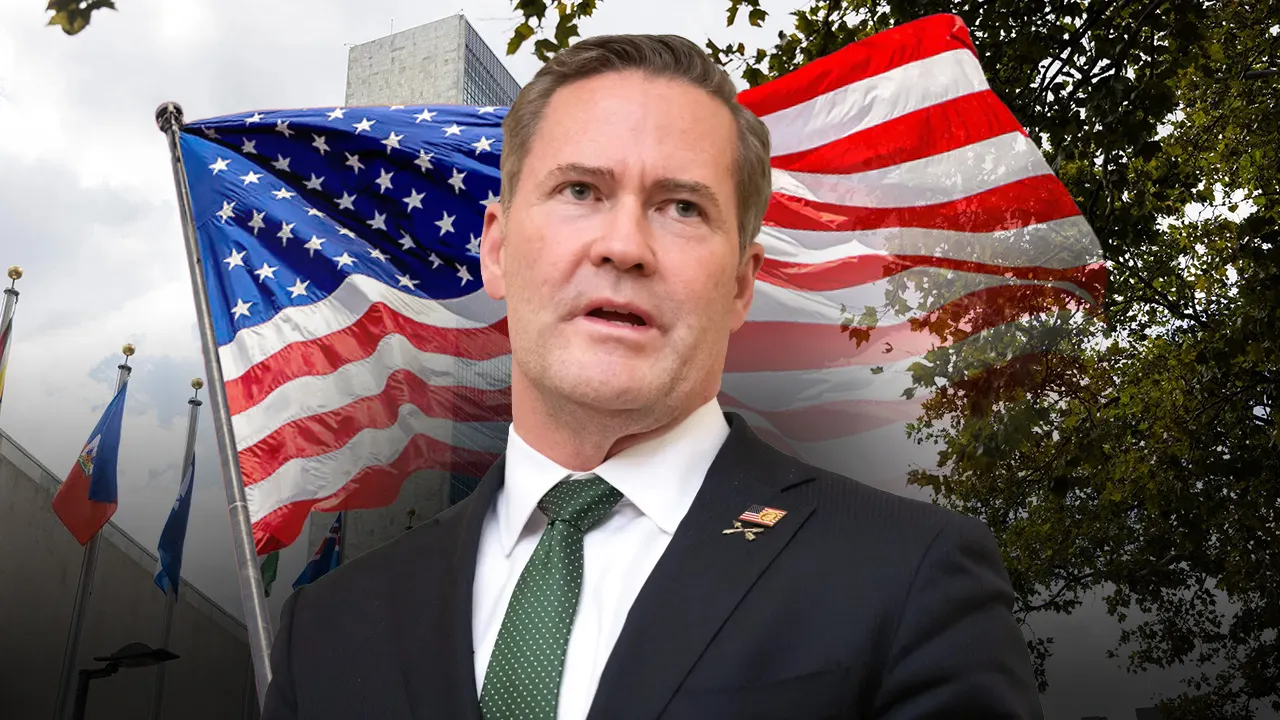
Ambassador Mike Waltz, the U.S. permanent representative to the United Nations under President Trump, sat down for a candid chat with Fox News Digital, laying out the “America First” blueprint he’s championing at the global body. Picture this: a former national security advisor stepping into the UN spotlight, not just to represent America but to shake things up from the inside. Waltz didn’t mince words, rejecting the idea that the UN’s current cash crunch is mainly because the U.S. hasn’t paid its dues. He pointed out that the United States shells out more to the UN system than 180 other countries combined—imagine that weight on taxpayers’ shoulders. Yet, under Trump, it’s time for real change, he said, insisting the organization has veered off course from its original mission of peace and security. Sure, the UN has played a vital role at times for U.S. foreign policy, but lately, it’s been more hindrance than help, bloated with redundancies and lost in bureaucracy. Waltz framed this push as pure “America First” logic: holding leaders accountable for every hard-earned dollar, forcing other nations to share the burden, and using America’s financial clout as leverage for better governance. “When we give the UN some tough love,” he explained, “these are the American taxpayers’ hard-earned dollars. At the end of the day, we will get our money’s worth.” It feels like a wake-up call, doesn’t it? Here’s a guy who’s been in the trenches, from military service to advising on national security, and now he’s channeling that no-nonsense spirit to reclaim America’s role in an institution that’s supposed to unite the world, not drag it down.
Enter the UN Secretary-General, António Guterres, painting a different picture of the financial woes. In a recent briefing, he called it a straightforward issue of unpaid obligations by member states, not about confidence but plain duty—obligations are obligations, period. His spokesperson echoed that, pushing back on Waltz’s claims by saying the crisis isn’t from internal mismanagement. Instead, they pointed to big contributors like the U.S. lagging behind while praising Guterres as a careful manager who’s been pushing reforms since day one. But Waltz wasn’t buying it. He highlighted concrete wins under pressure: the UN just slashed nearly 3,000 bureaucratic jobs at headquarters, marked the first-ever budget cut in 80 years (a whopping 15% slice), and trimmed global peacekeeping forces by 25%. “Behind the scenes, a lot of people are saying thank you,” Waltz revealed, implying relief in quiet corners of the UN that the organization needs a shake-up. It’s like finally getting that overdue critical review—President Trump is spot on, he argued, that the UN isn’t living up to its potential. Why isn’t it sorting out border spats between Cambodia and Thailand or driving the humanitarian nightmare in Sudan to an end? That’s what it was built for, after all. Thank God Trump is asking the tough questions: Where’s the United Nations when the world needs it most? Waltz sees himself as part of the crew helping the UN rediscover its roots, live up to its reforms, and fulfill its true mandate. You can almost hear the frustration and optimism in his voice—like a seasoned veteran reminding everyone that diplomacy should come first, even if it means knocking heads together.
Waltz didn’t stop there; he praised the UN as essential for global dialogue—one place where everyone, no matter the grudge, can sit and talk. “The president is a president of peace,” he said, emphasizing Trump’s commitment to diplomacy as the cornerstone. But when asked if Secretary-General Guterres is moving swiftly enough on reforms, Waltz gave it straight: Guterres has made strides, like structural shakes-ups and consolidations, but they should’ve happened much sooner and with more grit. “The U.N.’s budget has quadrupled in the last 25 years,” Waltz noted, “and we haven’t seen a quadrupling of peace around the world. In fact, it’s gone the opposite direction.” That’s a stinging reality check for an organization meant to foster stability, not just swell its coffers. It’s humanizing to think about Waltz, a father, veteran, and policy hardliner, channeling his lived experiences into calling out inefficiencies. Imagine the scenes he’s witnessed—from combat zones to diplomatic tables—and how that fuels his drive to make the UN a leaner, meaner force for good. He’s not out to burn it down but to refine it, ensuring it actually delivers on promises like preventing wars and easing suffering. This isn’t just abstract policy talk; it’s about real people, real crises, and a vision for a world where international bodies step up instead of standing back.
Shifting gears, Waltz addressed concerns about whether the Trump administration’s initiatives are poised to sideline the UN. Far from it, he assured, touting the “Board of Peace” as a complementary tool for Trump’s 20-point peace plan and Gaza framework, not a replacement. “The president doesn’t intend the Board of Peace to replace the U.N., but he intends to drive a lot of these conflicts to conclusion,” Waltz clarified. It’s designed to bring regional heavyweights into the mix—think Egypt, Turkey, Gulf Arab nations, Jordan, and crucially, Israel—built on the ground to stabilize hotspots. Picture a practical setup with stabilization forces, funding for rebuilding and humanitarian aid, and even a Palestinian technocratic committee to kickstart governance. Waltz painted a future UN that’s narrower and more laser-focused: homing in on security, conflict resolution, and economic growth, shedding the excess baggage. It’s refreshing to hear him envision this—not as some ivory-tower dream, but as a dynamic shift where the UN shifts from passive observer to active solver. And hey, if it means fewer unending debates and more tangible results, who wouldn’t root for that? Waltz’s enthusiasm shines through; he’s clearly passionate about flipping the script, making the UN a partner in Trump’s vision rather than a roadblock.
Digging deeper into the reforms, Waltz advocated for shaking up the old aid models that have kept developing nations perpetually dependent. “This old model of NGOs and agencies going to governments and just saying, ‘More, more, more,’ it isn’t sustainable,” he said. Instead, let’s welcome American businesses into the fray, fostering environments that spur economic development without endless handouts. It’s a smart pivot, blending private sector innovation with public goals—everyone wins, from job creation to breaking the cycle of reliance on traditional aid. Waltz envisions a UN that’s more agile, leaning on market forces to drive progress. You can sense his entrepreneurial mindset here, probably drawn from his years in various roles, urging a rethink of how global bodies operate. This isn’t about abandoning compassion; it’s about making help effective and lasting. Think about communities lifting themselves up through investments and opportunities, not just emergency aid. It humanizes the discourse, reminding us that behind policy jargon are real lives—families in poorer countries dreaming of stability, and American workers seeking fair footing globally.
Ultimately, Waltz saw himself as the implementer of Trump’s sweeping foreign policy outlook, a conduit for bigger dreams. “I’m a vessel for the president’s vision,” he humbly said, outlining a goal: wind down the administration with a revitalized UN that’s genuinely leading the charge on peaceful conflict resolutions, turning to Trump for support rather than the other way around. It’s a role reversal he wants, flipping the dynamic so the president asks, “Where’s the UN?” far less often—if ever. Waltz is all in on this plan, drawing from his military background to push boundaries and push reforms. For those of us disconnected from the halls of power, it’s inspiring to hear a leader talk so personally about legacy. He’s not just punching a clock; he’s invested in leaving a UN that’s trimmer, tougher, and better at its job. The world could use more voices like his—grounded, critical, yet hopeful—urging a return to basics amid the chaos. In sharing this, it’s clear Waltz embodies the American spirit: tough when needed, collaborative when possible, and always focused on outcomes that honor the sacrifices of everyday folks. As the interview wrapped, one couldn’t help but feel a spark of optimism—that with figures like him at the helm, the UN might just rediscover its soul.