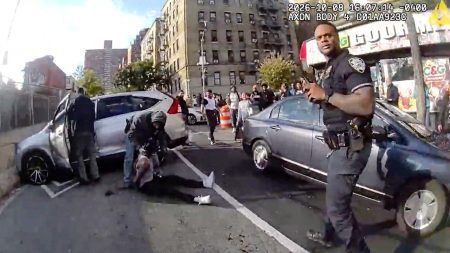


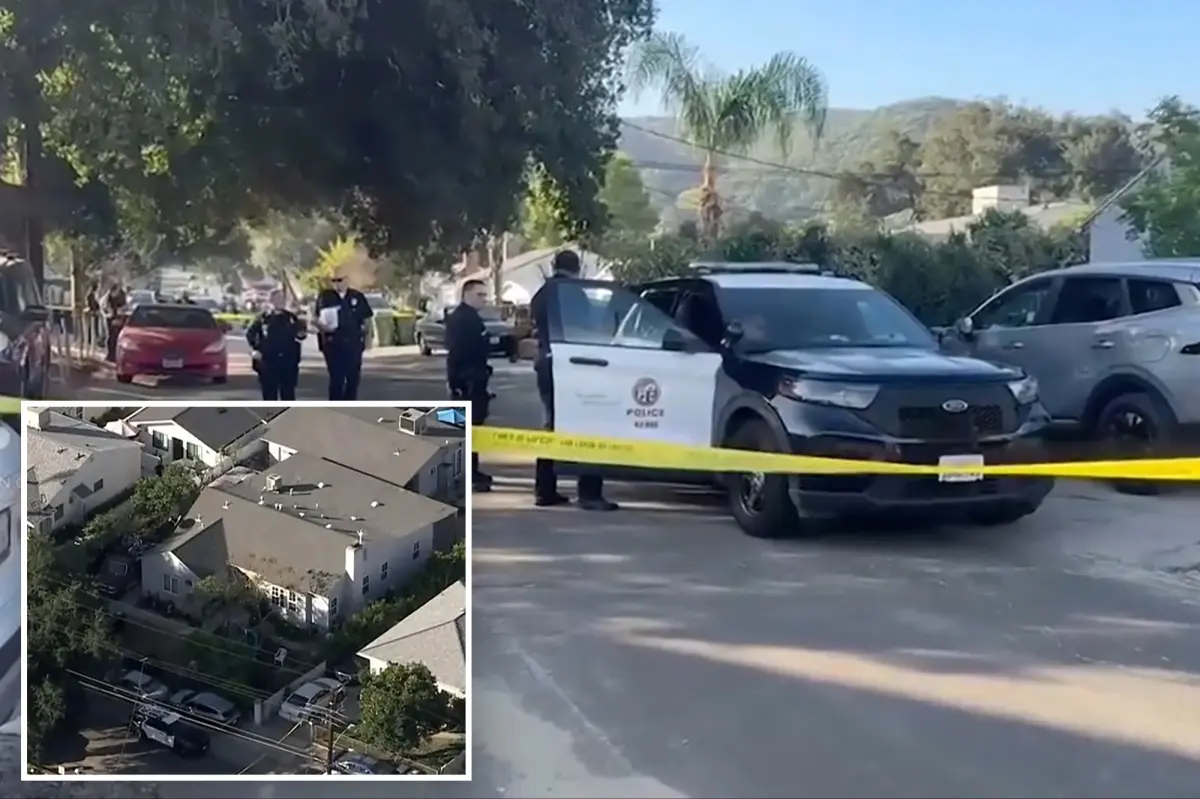
The sun was just creeping over the San Fernando Valley on that crisp Friday morning in Los Angeles, casting a soft golden hue on the quiet streets of Sunland. For 10-year-old Mia, it was just another school day filled with the usual morning rush—her backpack slung over her shoulders, her favorite cereal bar in hand, and a reluctant good morning mumble to her grandpa as they prepared to leave. Grandpa Joe, at 72, was the steady rock of the family, the one who always drove her to school, sharing stories from his youth that made the early hour bearable. Today was no different; three other children piled into the old family sedan with them, including Mia’s cousins, their laughter bubbling like a stream as they buckled up and dreamed about the weekend ahead. Little did they know, shadows lurked in the corners of their neighborhood, where a man known for his erratic behavior had been turning peaceful mornings into nightmares for years. People whispered about him in hushed tones, but on this day, the whispers became screams, shattering the innocence of a simple commute.
As the car idled at the curb around 7:40 a.m., the air thick with anticipation for the school bells, everything changed in an instant. A figure emerged from the shadows—a man in his 30s, wild-eyed and frantic, who lunged at the vehicle with a glinting knife in hand. It began as an attempted carjacking, the police would later say, but escalated into pure chaos. He yanked at the doors, slashing through the windows in a blur of motion, targeting anyone within reach. Mia’s cousins scrambled in terror, their fingers fumbling with seatbelts as pure adrenaline kicked in. Grandpa Joe, ever the protector, shielded Mia with his arms, his voice a steady command amidst the panic: “Stay behind me, kiddo.” The blade found its mark, piercing through the commotion, leaving both grandpa and the wide-eyed girl with wounds that would forever scar their memories. In those heart-stopping seconds, the children who escaped piled out into the open air, their school bags forgotten, running for safety towards nearby homes where kind strangers scooped them up, offering comfort and calling for help.
Sirens wailed through the valley as paramedics raced to the scene, whisking Mia and Grandpa Joe to the nearby hospital. By some miracle, both were stable, though the wounds ran deep—not just on their bodies, but in their souls. Mia’s parents arrived in a whirlwind of tears, hugging their daughter tightly in the sterile waiting room, grateful beyond words that she would recover from the physical cuts. Grandpa Joe, dolorant yet defiant, brushed off the pain with a stoic smile, reminiscing about tougher times in his life when he worked the docks. The children who fled unscathed spoke in hushed voices to counselors, their innocence shattered by the brush with horror. The untethered vehicle, a symbol of their disrupted routine, now sat as evidence in a police lot miles away, where the suspect had abandoned it after his frenzied getaway. Police combed the area, piecing together the puzzle, while neighbors gathered in support circles, sharing casseroles and stories, transforming fear into community strength.
Whispers about the suspect echoed through Sunland, painting a portrait of a man who had haunted the streets for years. Believed to be around 30, he lived with his aging parents when he wasn’t drifting, sometimes homeless, pitching a tent in a beat-up car parked in misguided spots. Neighbors recounted tales of his outbursts—yelling at passersby, tossing trash in fits of rage—that had escalated over time, making them avoid certain paths after dark. Rumors of mental health struggles circulated quietly, sympathies mixed with frustrations, as locals wondered why no one had intervened sooner. Witnesses described a similar incident months prior, a shadowy stabbing that bore eerie parallels, suggesting this wasn’t his first act of desperation. Police files bulged with reports of his disturbances, but without arrest, the pattern continued, a ticking clock of unrest that now culminated in this brutal morning assault. Families like Mia’s felt the weight of the unknown, locking doors tighter and escorting kids closer, their trust in the neighborhood frayed like an old tapestry.
In the days following, the community rallied, turning their sorrow into action. Vigils were held under string lights, where residents shared cupcakes and rallied against isolation, pushing for mental health resources that could have perhaps turned this man’s life around. Mia’s classmates sent get-well cards decorated with rainbows and stickers, their childlike empathy a balm to her healing wounds. Grandpa Joe’s friends visited the hospital, bringing his favorite puzzles and jokes to lift his spirits. As investigations deepened, calls for improved neighborhood watch and police patrols grew louder, with petitions circulating to fund therapies and shelters. Yet beneath the outrage, there was reflection—a reminder of the fragility of everyday lives, where a moment’s distraction could unleash untold pain. The suspect remained free, blending back into shadows, a ghostly reminder that not all ends are tied neatly.
To stay informed on stories like this and the vibrant pulse of California life, consider downloading the California Post App or following us on platforms like Facebook, Instagram, TikTok, X, YouTube, WhatsApp, and LinkedIn. Dive into our sports coverage, opinion pieces, and newsletters to connect with fellow readers who share your passions. Whether signing up for home delivery or Page Six Hollywood gossip, we’re here to keep you engaged with the human stories that shape our world, offering a space to discuss, share, and heal together. In a time of uncertainty, these connections remind us of our shared resilience, turning isolated fears into communal hopes.