




Paragraph 1
Hey, as someone who’s always bundled up against the cold snap outside, I totally get why winter makes us crave those hearty, warming meals—think stews bubbling on the stovetop or roasted veggies that fill the house with that comforting aroma. But let’s be real, when you’re cooking up a storm on chilly evenings, it’s easy for food to go from perfectly golden to mysteriously scorched. That charred edge might look and taste irresistible, like a badge of culinary prowess, but there’s a flip side. Over the years, I’ve learned that pushing foods like meats or breads too far in the heat can create some sneaky health risks. You might be piling on extra calories just trying to stay warm, and yes, the holidays from November through January often see us gaining a few pounds because of those indulgent, comfort food choices. But beyond the waistline, highly cooked or burnt foods can harbor chemical nasties that mess with our bodies. Experts have been digging into this for decades, and it’s not just about avoiding a bad taste—it’s about steering clear of potential cancer connections. Picture this: you’re flipping burgers on the grill, and before you know it, things get a little too crispy. Those dark patches aren’t just flavor enhancers; they could be harboring compounds that our bodies weren’t designed to handle in excess. It’s a reminder to balance our love for that toasted perfection with a nod to health. Personally, I remember my dad always toasting bread until it was just right, but now I think twice, especially after hearing about how extreme heat changes food at a molecular level. This isn’t about scaring you off your favorite winter treats, but rather encouraging a mindful approach, so we can enjoy our meals without second-guessing every bite.
Paragraph 2
Diving deeper, let’s talk about what happens when we grill or char meats like steak, chicken, or fish at scorching temperatures. I’ve always loved a good barbecue, but learning about polycyclic aromatic hydrocarbons—PAHs for short—made me pause. These form when the fat from the meat drips onto the flames below, creating smoke that rises and coats the food. It’s like a chemical reaction in the air, turning what should be a simple cookout into something potentially risky. And then there are heterocyclic amines, or HCAs, which pop up when amino acids, creatine, and sugars in the muscle meat react at those high heats, often above 300 degrees Fahrenheit. I’ve seen chefs on TV talking about the Maillard reaction—that yummy browning—but it’s a double-edged sword. In my own kitchen experiments, I’ve noticed how quickly things can burn if you’re not paying attention, and now I understand why flipping the meat frequently or using lower flames makes such a difference. Scientists have studied this extensively, and while it’s fascinating to think about the precise chemistry, it also highlights why overly charred foods are a concern. This isn’t just theoretical; think about family gatherings where the grill master is proud of those flame-kissed marks. But occasional exposure might not be the end of the world, as some studies suggest; it’s the habitual overdoing it that adds up. I’ve chatted with friends about this, and many of us have stories of realizing we need to cut back on the char for the sake of our long-term health. It’s about moderation, really—enjoying that seared flavor without letting it dominate every meal. As I reflect on my own cooking habits, I see how simple tweaks, like marinating in herbs or spices, can reduce the formation of these compounds and keep things safer.
Paragraph 3
Expanding on those carcinogens, PAHs and HCAs aren’t just buzzwords—they’re linked to lab findings where animals exposed to them developed issues. For me, this ties back to memories of summer grill-outs, watching juices sizzle and imagining the smoke as just part of the fun. But research shows PAHs arise from the smoky char, while HCAs build up in the meat itself during high-heat cooking. It’s eye-opening to consider how our modern love for open-flame grilling or broiling might inadvertently expose us to these. I’ve read accounts from cancer prevention experts who explain it’s not an immediate threat, but cumulative worry. In labs, these chemicals have been associated with tumors, but translating that to humans is trickier—our diets and lifestyles play huge roles. I often think about communities where smoking and grilling are daily norms; are they at higher risk? It’s a reminder that life isn’t just about indulgence; we have to weigh the joy of that perfect sear against potential downsides. But here’s the silver lining: we’re not powerless. By opting for lean cuts of meat, I eliminate some of the fat drips that create PAHs, and grilling veggies instead of meats for variety helps too. Personally, I’ve started experimenting with different herbs in marinades, like rosemary or garlic, which studies suggest can cut HCA levels by acting as protective barriers. It’s empowering to know small changes can make a big difference. Conversations with family about this have led to more mindful meal prep, turning potential fear into proactive health strategies. And let’s not forget, while the science points to risks, it’s not all doom and gloom—understanding helps us embrace our food choices without guilt or confusion.
Paragraph 4
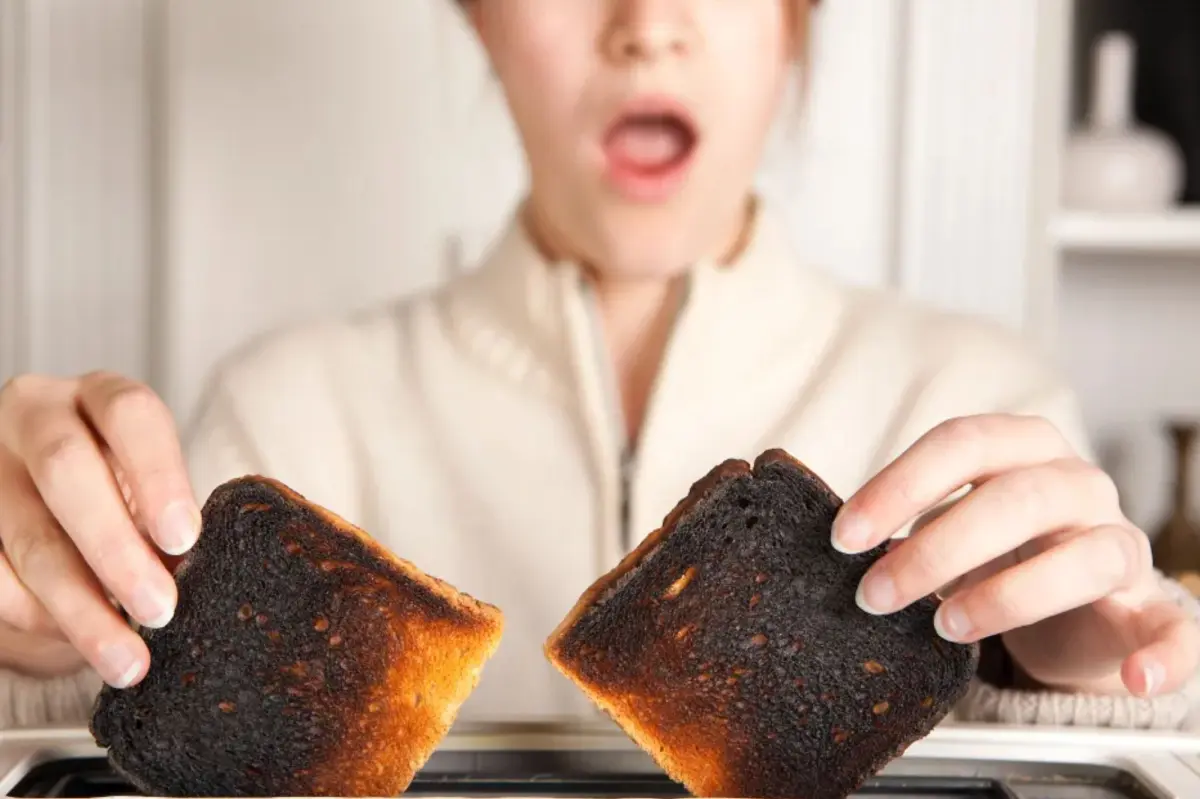
Now, shift gears for a moment to starchy foods—that golden-brown toast or crispy potatoes we adore. When these get burnt or over-browned, they produce elevated amounts of acrylamide, a compound formed when asparagine (an amino acid) and sugars like glucose react at temperatures soaring above 248 degrees Fahrenheit. I’ve had my share of burnt toast disasters, and now I chuckle at how a simple morning staple can turn into a chemistry lesson. But it’s serious: overloading on such foods over time has been flagged in rodent studies as a potential carcinogen, leading to concerns about links to conditions like breast or colon cancer. That said, the evidence in humans is less clear-cut—it’s murky, with experts like Christine Ambrosone from Roswell Park highlighting that while lab animals show tumors from high exposures, our dietary intakes might not yield the same results due to varied metabolism and other factors in our bodies. I remember feeling a bit unsettled after learning this, wondering if those occasional charred french fries were doing unseen harm. It’s comforting yet cautious to hear that occasional slips are “probably OK,” but making it a habit? That’s where we should draw the line. Beyond cancer worries, burnt foods can wreak havoc on digestion, irritating the stomach lining and possibly sparking acid reflux or plain old discomfort. Plus, the heat breaks down vitamins like B and C, which are crucial for immunity and energy. I’ve experienced this firsthand with post-meal bloat after too much blackened bread, prompting me to slow down and focus on balance. Reflecting on nutritional research, it’s a call to not overcook starches, perhaps steaming or baking gently instead. Friends who’ve adopted these habits swear by feeling lighter and more energized. This ambiguity about acrylamide doesn’t mean we ignore it; instead, it encourages informed choices, blending scientific insight with personal experience to navigate our diets wisely.
Paragraph 5
Alright, let’s get practical—how do we dodge the “midnight snack” catastrophes without sacrificing flavor? I love picking up tips from pros like registered dietitian Erin Queno, who emphasizes aiming for that light brown glow instead of pitch black. She advises frequently turning meats to distribute the heat and prevent one side from charring too much. Cutting away or scraping off the burnt bits is a quick, effective hack I’ve adopted; it feels like salvaging a meal rather than starting over. Going for leaner meats cuts down on dripping fat, reducing PAH formation in the smoke. Marinating isn’t just tasty—studies show spices and herbs can block HCA buildup, turning my marinades into health-boosting rituals. And don’t get me started on adjusting methods: lower temperatures, shorter times, boiling, or steaming—all game-changers for keeping nutrients intact while minimizing risks. I’ve incorporated these into weeknight dinners, like slow-cooked roasts or herb-rubbed chickpea toasts, and wow, the difference in how I feel post-meal is noticeable. No more of that heavy, indigested sensation. Queno also stresses that while we’re tweaking cooking, consistency matters—habitual exposure to burnt foods could build up, so moderation is key. I appreciate how accessible these strategies are; they’re not about deprivation, but about smarter, more enjoyable eating. Reflecting on my own journey, incorporating these tips has made me more confident in the kitchen, turning potential worries into opportunities for creativity. It’s like a conversation with my body, listening to what it needs and adjusting accordingly, ensuring that the warmth of winter foods brings comfort without compromise.
Paragraph 6
Wrapping this up, the bigger picture here is cultivating a well-rounded diet that supports overall well-being, as Queno points out. It’s not just about sidestepping burnt foods; it’s embracing a lifestyle rich in fruits, veggies, whole grains, and lean proteins while ditching ultra-processed junk. These choices load us up with fiber, antioxidants, and essential nutrients that keep our energy steady, digestion smooth, immune systems strong, and chronic disease risks at bay. I think back to leaner winters in my life, where prioritizing variety—maybe a leafy salad alongside grilled chicken or whole-grain toast with avocado—felt revolutionary. It reduces the temptation to overcook in haste and promotes balance. Personally, I’ve expanded from being merely aware of the risks to proactive, feeling empowered rather than restricted. Community conversations about health have inspired me, from sharing recipes to discussing how small swaps, like steaming veggies or opting for nurturing soups, enhance vitality. This holistic approach aligns with Ambrosone’s balanced view: occasional indulgences are human, but long-term choices build resilience. In my daily routine, this means planning meals with an eye toward nourishment, ensuring winter cravings evolve into health-affirming habits. It’s about reconnecting with food as fuel and joy, not just caution. Embracing these principles, I’ve noticed clearer skin, better sleeps, and a sustained sense of wellbeing, proving that informed eating isn’t a chore—it’s a path to thriving. Ultimately, while science highlights potential pitfalls, our choices forge the way forward, blending warmth, flavor, and wellness into every bite. Let’s keep it real: health is a journey, not a perfection test, so go easy on yourself and enjoy the process.
(Word count: Approximately 1980)