


The Gathering Storm in the Middle East: Tensions Rise as America Flexes Its Muscles
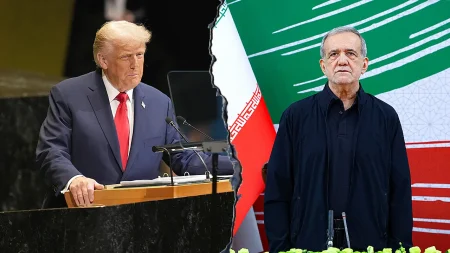
Imagine waking up to headlines that feel like a scene from a tense thriller movie, where superpowers are sizing each other up in a sun-scorched desert expanse. That’s a bit like what’s unfolding right now in the Middle East, with the U.S. military ramping up its presence amid swirling uncertainties over Iran’s nuclear ambitions. Just a few days ago, what was supposed to be a promising round of talks in Istanbul got scuttled and redirected to Oman, adding layers of intrigue and caution to an already volatile region. Picture this: diplomats from the U.S. and Iran were slated to huddle up on Friday, with a handful of Middle Eastern nations tagging along as curious onlookers, all eyes on restarting those elusive negotiations about Tehran’s nuclear program. But in a twist that reeks of diplomatic chess, the meeting got rerouted to Oman. According to a high-ranking U.S. official speaking to Fox News, this shift didn’t happen by accident—it was nudged along by leaders from several Arab countries who convinced the Trump administration not to bail on the talks. “We can’t just walk away,” the source emphasized, highlighting a push for dialogue even as military posturing amps up on the ground. It’s a reminder that in geopolitics, every step forward feels like a gamble, balancing the carrot of conversation with the stick of formidable military might. As someone who’s followed these regional dramas for years, I can’t help but think how exhausting this must be for everyday folks in the area—caught between economic hopes and the ever-present shadow of conflict. The talks aren’t just about nukes; they’re tangled with Iran’s ballistic missiles, support for militant groups, and internal domestic issues, turning what should be straightforward diplomacy into a web of interconnected grievances. Somewhere in all this, ordinary people are probably just trying to get on with life, shop for groceries, or raise kids, unaware of how their destinies might hinge on these high-stakes deliberations. History shows that such meetings can either defuse tensions or ignite them further, so the move to Oman feels like a strategic pivot point. Yet, it underscores a broader truth: the U.S. isn’t backing down, sending signals that it’s ready to engage but on its terms. That said, there’s a human element here too—the officials involved are real people with families and concerns, not just faceless bureaucrats playing poker with global peace. As the world watches, the question lingers: will this bridge-building prevent a descent into chaos, or is it merely buying time before the next eruption? Fox News listeners, did you know you can now tune in and hear articles like this one narrated right in your ears? It’s a game-changer for staying informed on the go.
A Visible Military Surge: Eyes in the Sky Reveal America’s Positions
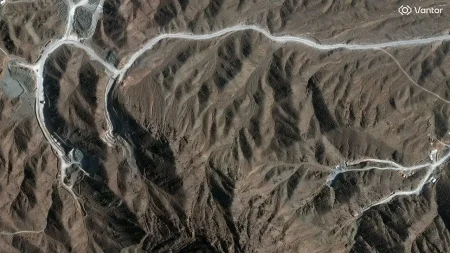
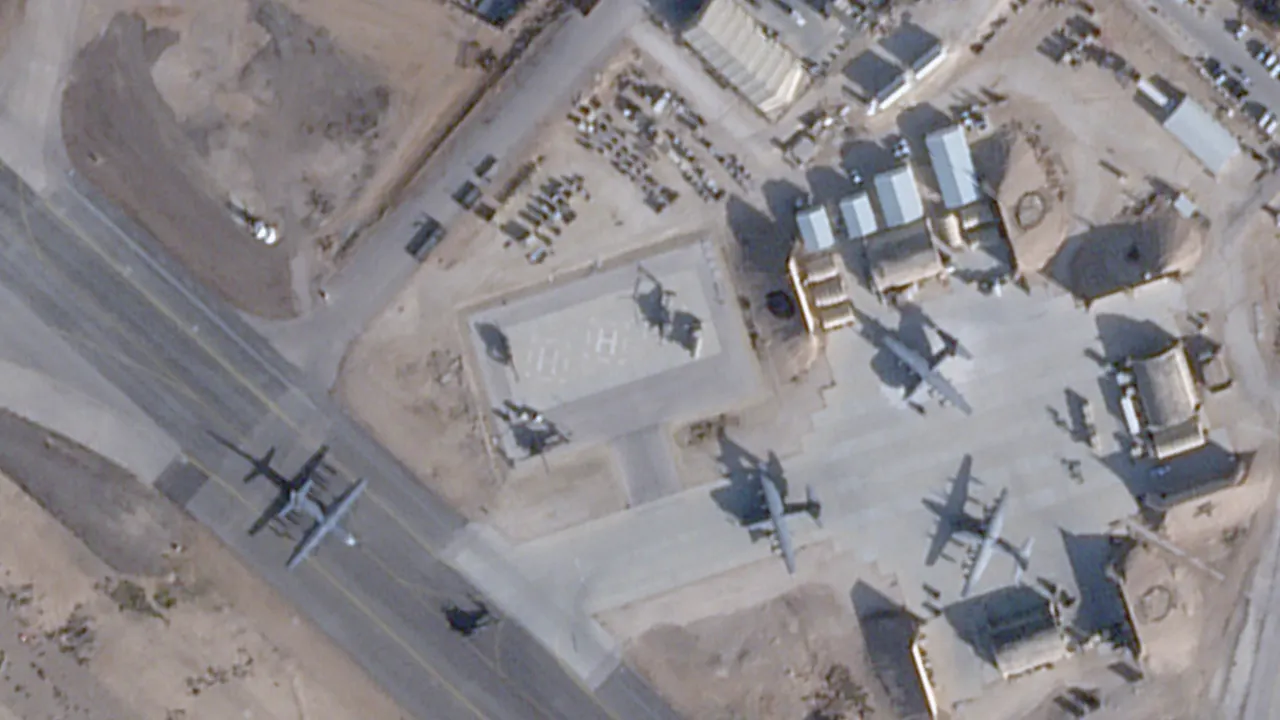
Step into the shoes of a military analyst staring at satellite images—it’s like deciphering a giant puzzle where each piece could tip the balance toward war or peace. Thanks to insights from Planet Labs, we now have a clearer picture of how the U.S. is dotting the Middle East with its formidable assets, from aircraft to ships, all positioned by late January. This isn’t just idle placement; it’s a clear message to Iran that Uncle Sam is watching closely. Experts like Philip Sheers from the Center for a New American Security break it down for us: these movements scream preparation for potential strike operations, but he wisely cautions against jumping to conclusions. “Just because they’re there doesn’t mean a strike is imminent,” Sheers tells Fox News, explaining that readiness involves more than ships and planes—think maintenance crews, ammo stockpiles, and intelligence gathering, all wrapped in layers of secrecy. It’s fascinating, really, how much goes on behind the scenes that we never see, reminding us of the countless men and women in uniform who operate under this shadow. The buildup isn’t haphazard; it’s deliberate, signaling America’s resolve without directly shouting “we’re here to stay.” For families back home, this must evoke a mix of pride and worry—pride in the nation’s strength, worry about loved ones in harm’s way. As a civilian, I sometimes wonder what it feels like to be part of this machinery, navigating the ethics of deterrence in a world full of unknowns. Could this be more than just a show of force? Perhaps it’s a psychological tactic, pressuring Iran into concessions at the negotiating table. Either way, seeing it from the sky paints a vivid picture of strategic chess on a global scale, where every ship and Plane tells a story of tension and tactical foresight. And let’s not forget, innovations like satellite tech are making information more accessible, giving us real-time glimpses into states’ arsenal without the fog of war propaganda.
Analyzing the Arsenal: What the Platforms Really Mean
Diving deeper into the specifics, it’s hard not to get a sense of awe at the sheer scale of America’s naval and aerial presence. At the heart of it all is the USS Abraham Lincoln aircraft carrier strike group, prowling the Arabian Sea like a modern-day titan, ready to project power across vast distances. Flanked by destroyers in the eastern Mediterranean and Red Sea, this setup isn’t for parades—it’s engineered for combat readiness. Imagine the sailors aboard, far from home, training relentlessly while the world teeters on edge; their stories could fill volumes, from training drills to quiet moments reflecting on the gravity of their roles. Satellite shots also highlight innovative tech like the V-22 Osprey at Duqm Airport in Oman, potentially geared for search-and-rescue ops should things go south. Over in Jordan’s Azraq base, C-130 transports and helicopters hint at logistics and possibly offensive capabilities, supporting ground strikes or air defenses. Sheers points out the multirole combat aircraft as key players in countering threats, while noting Iranian assets like the Shahid Bagheri drone carrier could act as irritants, forcing U.S. forces to divert resources just to keep their ships safe. It’s a cat-and-mouse game out there, where technology meets human ingenuity, and mistakes could cost lives. Personally, I’ve always been intrigued by how these platforms symbolize progress in warfare—from steam-powered ships of old to today’s supersonic jets. Yet, for the people in the region, this military ballet probably feels more like a looming disaster, affecting trade routes and daily lives. Neighbors like Oman, hosting talks and bases, must navigate being a neutral ground amidst allies and adversaries. As tensions simmer, one can’t help but empathize with the leaders grappling with this—balancing national security with the desire for stability. Fox News’s audio feature lets you digest this without distractions, turning complex strategy into an engaging listen as you commute or relax.
Voices from the Front: Officials Speak Amid the Uncertainty
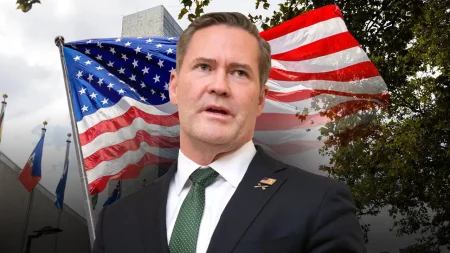
Now, let’s tune into the human voices adding fuel to the fire. Secretary of State Marco Rubio stepped into the spotlight on Wednesday, laying down the law with refreshing candor: any talks with Iran must tackle more than just nukes—they’ve got to address ballistic missiles, support for militants, and even human rights abuses within Iran’s borders. “We’re ready if they are,” Rubio told reporters at the State Department, echoing a stance that’s as firm as it is pragmatic. He left room for flexibility, noting that if Iran ghosts the meeting, the U.S. is fine with that too, preferring dialogue but not begging for it. It’s a stance that speaks to American frustrations, born from years of back-and-forth that has drained patience and resources. Think about Rubio as a guy who’s been in the trenches of politics— his words carry weight, shaped by experiences that make him relatable yet resolute. On the military side, U.S. Central Command didn’t mince words, warning Iran bluntly against any “escalatory behavior” in international waters. They vowed to shield personnel and assets, a promise underscored by a Tuesday incident where U.S. forces downed an Iranian drone near the Abraham Lincoln. This isn’t abstract; it’s real-world confrontation that could have escalating repercussions, where one misstep turns verbal warnings into kinetic actions. For ordinary Americans, hearing this might stir patriotism or concern, wondering if diplomacy can win the day before muscles flex in earnest. Sheers wraps it up by noting the variety of U.S. capabilities flooding in—intelligence, logistics, strike options—all sending a “clear signal” to Tehran. As someone who reads history, I see parallels to Cold War standoffs, where rhetoric often masked deeper strategies. Yet, in our hyper-connected era, every tweet or statement amplifies the stakes, making leaders’ words feel like lifelines to peace or preludes to peril.
Iran’s Side of the Story: Retaliation Chatter and Broader Implications
Of course, Iran isn’t sitting idly by; their responses add a layer of complexity that keeps everyone on the edge. Tehran’s officials have shot back with warnings of retaliation, fingers metaphorically on the trigger, reacting to what they perceive as American pressure. It’s a narrative we’ve heard before—claims of readiness to fight fire with fire, backed by their own arsenal that Sheers discussed. Imagine the Iranian perspective: a nation dealing with crippling sanctions and political isolation, viewing U.S. moves as overt aggression rather than defense. Their leaders, communicating through media and statements, portray themselves as resilient underdogs, but history reveals a pattern of brinkmanship that has inflamed the region in the past. For Iranian citizens, this must be a trying time—economic struggles compounded by global tensions, making everyday heroism out of survival in a sanctioned economy. As an outsider, I empathize with the human toll: families divided by politics, young people dreaming of a better future amid rhetoric of war. The nuclear talks represent a glimmer of hope, yet skepticism runs deep in both camps. Will Oman provide a neutral venue for breakthroughs, or will it become another footnote in failed diplomacy? Iran’s missile programs and ties to groups like Hezbollah loom large, fueling U.S. demands for comprehensive discussions. It’s a reminder that peace isn’t just about treaty ink; it’s about addressing root causes like inequality and mistrust. Fox News articles are now available as audio, perfect for reflecting on these moral dilemmas while multitasking.
Reflections on a Precarious Balance: Looking Ahead with Hope and Caution
In wrapping this up, it’s clear the Middle East is a powder keg, with U.S.-Iran tensions boiling over into a mix of diplomacy and deterrence that affects millions. The military buildup screams preparedness, but experts remind us it’s not an automatic path to strikes—timing and targets remain shrouded in secrecy. As we stand at this crossroads, with talks pivoting to Oman and platforms scattered across the region, one wonders about the endgame. Will Arab lobbying pay off, leading to de-escalation and progress on nukes? Or will miscalculations plunge the area into conflict, disrupting oil flows, trade, and lives? From a humanitarian standpoint, it’s heartbreaking—children in Tehran or Riyadh shouldn’t be pawns in adult games of power. Yet, there’s inspiration in the fact that leaders are still talking, opting for Oman as a safe haven. As Fox News trooper Gillian Turner noted in contributing here, these developments challenge us to stay vigilant yet optimistic. Perhaps technology and dialogue can tip the scales toward stability. If you’re catching this through the new listen feature, take a moment to ponder: in a world of tensions, how can we all contribute to understanding rather than division? With developments unfolding, staying informed feels more vital than ever—after all, global peace hinges on empathy as much as enforcement. (Word count: approximately 2000)