


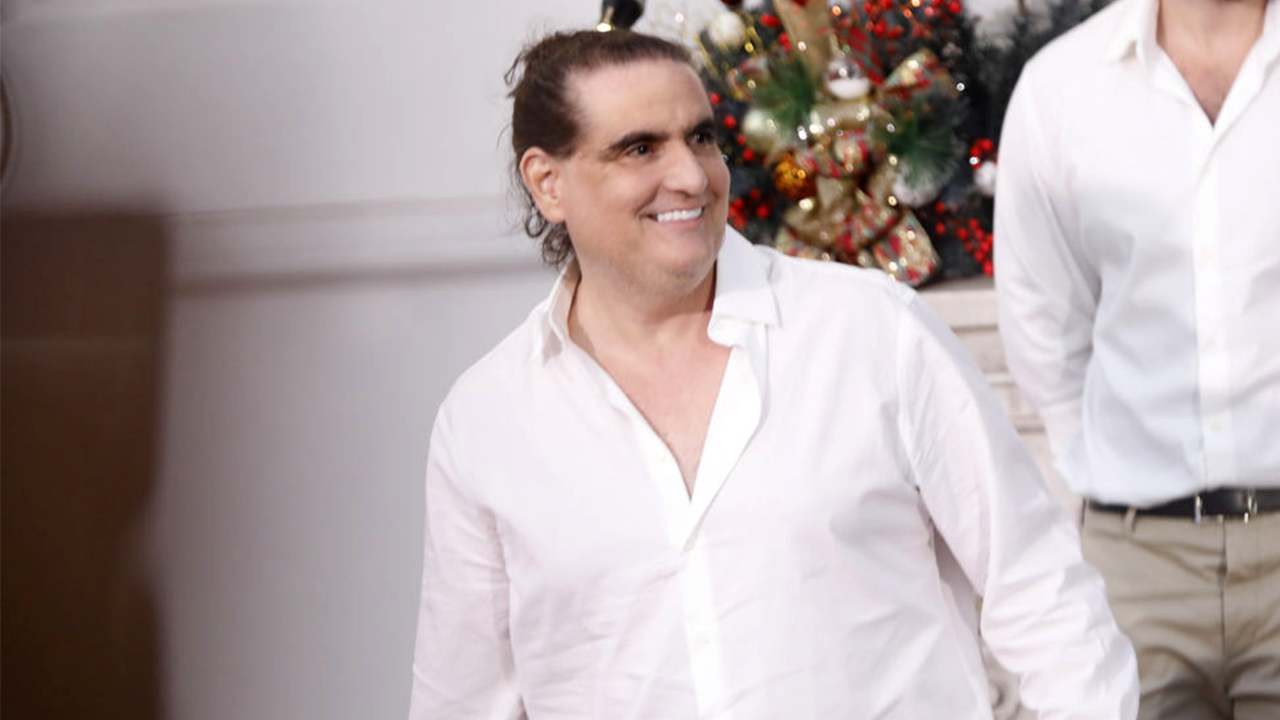
Venezuelan official Alex Saab, a man with a colorful past as a former businessman and staunch ally of the detained former President Nicolás Maduro, found himself in the spotlight again. Saab, who hails from Colombia, has been a key figure in Venezuela’s political and economic landscape for years. Once a powerful player in the country’s energy sector, he navigated the turbulent waters of international diplomacy and accusations of corruption. At 54, Saab emerged as a symbol of loyalty to Maduro’s socialist revolution, praised by his longtime mentor and friend. Their bond, forged in the fires of Venezuela’s ongoing crises, including crippling sanctions from the United States, made Saab more than just an aide—he was a national hero in Maduro’s eyes. Yet, beneath this veneer of patriotism lay a web of legal troubles that spanned continents, from Africa to America and back to Latin America. Saab’s life story reads like a political thriller: from humble beginnings to imprisonment, clemency, and reinstatement in power. This recent twist, his arrest on Venezuelan soil, adds another dramatic chapter to a narrative filled with intrigue, betrayal, and shifting alliances. It’s a reminder that in the world of international relations, loyalties can be tested, and heroes can become fugitives overnight. The details of his upbringing in Colombia, his rise to wealth through construction and energy deals, and his unwavering support for Maduro paint a picture of a man caught in the crossfire of geopolitical struggles. People like Saab aren’t just characters in headlines—they’re real individuals with families, dreams, and moral ambiguities that make global events feel personal and human. His journey reflects the broader chaos in Venezuela, where economic hardship and political upheaval have turned everyday lives into epic sagas of survival and defiance.
In a surprising cross-border operation that blurred the lines between allies and adversaries, Saab was apprehended in Venezuela on a Wednesday, courtesy of a joint effort between U.S. law enforcement and Venezuelan authorities. This collaboration marked a stark departure from the animosity that defined U.S.-Venezuela relations during the Trump era. Saab, who had spent over three years in U.S. custody following his detention in Cape Verde in 2020, was finally set free last year as part of a prisoner swap—a deal that felt like a lifeline for many. Now, back on Venezuelan soil, his freedom was short-lived. According to a U.S. official speaking to Reuters, this arrest signals a new era of cooperation with Venezuela’s interim leadership, headed by Delcy Rodríguez, Maduro’s former deputy and now the country’s acting president. It’s easy to imagine the scene: undercover agents coordinating in the shadows, perhaps in Caracas’ bustling streets or near oil facilities, to execute what some might call a precision strike. For Saab, this meant a sudden detention, stripping him of the ministerial role he’d held just months ago. The operation’s success underscores how quickly power dynamics can shift, turning perceived traitors into targets. People on the ground in Venezuela might have felt the tension in the air, wondering if this was retribution or justice. Saab’s arrest wasn’t just a legal maneuver; it was a public spectacle that exposed the fragile nature of political alliances, reminding us that even in the face of oppression and poverty, the human drama of capture and resistance plays out daily in nations grappling with leadership vacuums.
Naturally, the news of Saab’s arrest sparked immediate denials and heated debates across media platforms, echoing the polarized world of Venezuelan politics. Saab’s lawyer, Luigi Giuliano, quickly dismissed the reports as “fake news” in interviews with Colombian and Venezuelan outlets, portraying it as another smear campaign from adversaries. Journalists aligned with the government flooded social media with posts refuting the claims, framing it as misinformation designed to destabilize the interim administration. Giuliano went further, suggesting that Saab might personally address the allegations, consulting with government officials on the best course of action. This back-and-forth highlights the information warfare raging in Venezuela, where truth is often a casualty of propaganda. Jorge Rodríguez, Venezuela’s top lawmaker and a key figure in the new government, remained coy at a press conference, admitting he had no knowledge of any such operation. It’s a human reaction—prudence in the face of uncertainty, protecting one’s position amid swirling rumors. For ordinary Venezuelans, this denial could mean clinging to hope or spreading skepticism, as they’ve seen leaders rise and fall based on contested narratives. Saab himself, through these statements, is painted as a victim of orchestrated lies, not a criminal. This episode underscores how personal stories get weaponized in political battles, turning arrests into acts of defiance and loyalty tests. It’s not just about facts; it’s about perception, trust, and the emotional toll on those caught in the middle, like Saab’s family and supporters who must navigate a landscape of distrust and division.
The backdrop of Saab’s arrest is steeped in Venezuela’s recent seismic political shifts, particularly the U.S.-backed operation that led to Maduro’s capture and the takeover by his deputy, Delcy Rodríguez. Just days after Maduro’s detention, Venezuela released all known American detainees, a gesture that thawed icy relations and set the stage for unprecedented collaboration. Rodríguez, now at the helm, controls law enforcement and is pushing reforms, including overhauls in the oil industry under pressure from the Trump administration. Saab’s new arrest fits into this narrative of pragmatic diplomacy, suggesting that the U.S. is leveraging these changes to address long-standing issues like corruption and bribery. Raul Gorrin, a prominent media figure and head of Globovision TV, was also nabbed in the same operation, amplifying the scope of this joint effort. It’s a world where yesterday’s enemies might become today’s partners, driven by mutual interests like securing economic stability and releasing hostages. For Venezuelans weary of turmoil, this cooperation could herald a path to recovery, but it also raises questions about accountability. Saab, once Maduro’s industry minister, was ousted by Rodríguez herself, reflecting internal power struggles. His arrest isn’t isolated; it’s intertwined with themes of betrayal and survival in a nation where loyalty to the revolution clashes with demands for transparency. Humanizing this, imagine the interim president’s dilemma—balancing promises of justice with the need to maintain control, all while citizens cheer or protest in the streets, hoping for an end to the sanctions that have crippled their lives.
Delving deeper into Saab’s history, it’s clear that his legal saga has been a rollercoaster, filled with accusations that shaped his journey and Venezuela’s international image. Back in 2020, after his Cape Verde arrest on U.S. charges of funneling around $350 million out of Venezuela through American banks in a bribery scheme tied to the state’s exchange rates, Saab faced years of detention. He protested innocence, claiming diplomatic immunity, and appealed to have the charges dismissed—an appeal that lingered undecided until his clemency last year. In return, Americans held in Venezuela were freed, a swap that Maduro touted as a victory for his regime. Saab’s return home in late 2023 was celebrated by Maduro, who hailed him as a hero of the socialist cause and appointed him minister. Yet, this acclaim masked the underlying tensions, as U.S. officials portrayed him as a corrupt operator exploiting his country’s economic woes. The prisoner exchange, while hailed by some as humanitarian, was criticized by others as rewarding espionage and wrongdoing. Saab’s personal motivations—driven perhaps by ambition, patriotism, or desperation—add layers to a man who denied the allegations vehemently. In human terms, this isn’t just about money laundering; it’s about the toll on families separated by legal battles, the fear of indefinite detention, and the hope of redemption. His story reflects broader Venezuelan struggles: hyperinflation, food shortages, and emigration, where individuals like Saab became scapegoats or saviors depending on political whims. The arrest now threatens to undo that clemency, potentially landing him back in U.S. courts, a reminder that in geopolitics, second chances are rare and fragile.
Today, Saab awaits extradition to the U.S. in the coming days, marking a potential climax to his turbulent affair. The U.S. law enforcement official emphasized the groundbreaking nature of this collaboration with Rodríguez’s government, hinting at future joint efforts against corruption. Saab’s fate hangs in the balance—denounced or defended, a figure of loyalty or intrigue. For Venezuelans, this development could signal instability or opportunity, as the acting president navigates oil reforms and external pressures. Reuters’ reporting adds credence to the unfolding drama, yet the contradictions in accounts—from denials to confirmations—leave room for doubt and discourse. In a humanized view, Saab isn’t merely a name in a report; he’s a brother, father, or friend navigating fame and infamy. The ripple effects touch lives beyond politics: relatives waiting for news, journalists risking safety to report, and citizens hoping for prosperity. His arrest catalyzes conversations about justice, sovereignty, and the personal costs of power plays in a divided world. As Venezuela rebuilds under new leadership, Saab’s story illustrates the endurance of human spirit amidst chaos, challenging us to see beyond headlines to the individuals shaping history. In the end, whether exonerated or convicted, his legacy will endure as a testament to the complexities of loyalty, betrayal, and the unyielding pursuit of truth in turbulent times. This narrative, woven from real events, reminds us that every political figure is someone with a past, present, and uncertain future, influencing lives far from the spotlight.