



In the bustling world of American car enthusiasts and everyday drivers, news of a major vehicle recall can send a ripple of concern through households nationwide. It’s a sharp reminder that even the most trusted names in automotive innovation, like Chrysler (now part of Stellantis), aren’t immune to manufacturing hiccups. Just imagine you’re a Jeep Wagoneer enthusiast, loading up for a weekend family camping trip, towing a trailer full of gear across winding roads. You’re cruising along, feeling the freedom of the open highway, when suddenly, the brake lights on your trailer flicker and fail—leaving you blind to the risks lurking behind. For over 450,000 owners in this position, that’s the chilling reality they might face, courtesy of a recall announced by the National Highway Traffic Safety Administration, or NHTSA. This isn’t just a small fix; it’s a safety alert spanning nearly half a million vehicles plus thousands of aftermarket parts, all tied to a design flaw in tow-trailer modules that could turn a routine pull into a potentially hazardous encounter. As someone who’s ever trailed a boat or RV, I’ve always appreciated how those blinking lights act as a silent guardian, warning fellow motorists to keep their distance. Now, with this recall in the spotlight, it’s hard not to worry about the untold stories of near-misses or, worse, accidents avoided only by sheer luck. Chrysler, eager to make things right, is stepping up with free replacements, but the human cost—lost peace of mind for road trippers and families—lingers as a stark lesson in automotive vigilance.
Diving deeper into the mechanics of this recall, the core issue lies in the tow-trailer modules themselves, which are crucial gadgets tucked into the vehicle’s wiring system. These aren’t your flashy high-tech upgrades; they’re the unsung heroes that ensure your trailer’s brake lights come on when you hit the pedal, signaling deceleration and alerting trailing drivers. According to the NHTSA, the problem stems from improper design—essentially, a glitch in how the module was engineered means it might not handle electrical signals reliably. In some cases, the brake lights could simply not illuminate, casting trailers into shadowy invisibility on dimly lit highways. Worse yet, it could lead to total trailer brake failure, where those critical hydraulics or electrics just give out, potentially causing skids or rollovers at critical moments like sudden stops or sharp turns. For anyone towing, this is akin to losing your rearview mirror—suddenly, you’re operating with a blind spot that spans hundreds of pounds of loaded cargo. I’ve chatted with towing hobbyists in online forums, and they’re unanimous: reliable brakes aren’t a luxury; they’re a lifeline. One user shared a harrowing tale of descending a steep mountain pass, where a trailer brake issue once cost them a costly repair but spared worse calamity. Now, with this recall exposing a flaw across such a vast range, it humanizes the engineering behind these vehicles—turning what might seem like a dry defect into a vivid scenario of vulnerability for ordinary folks hitting the road for work or play.
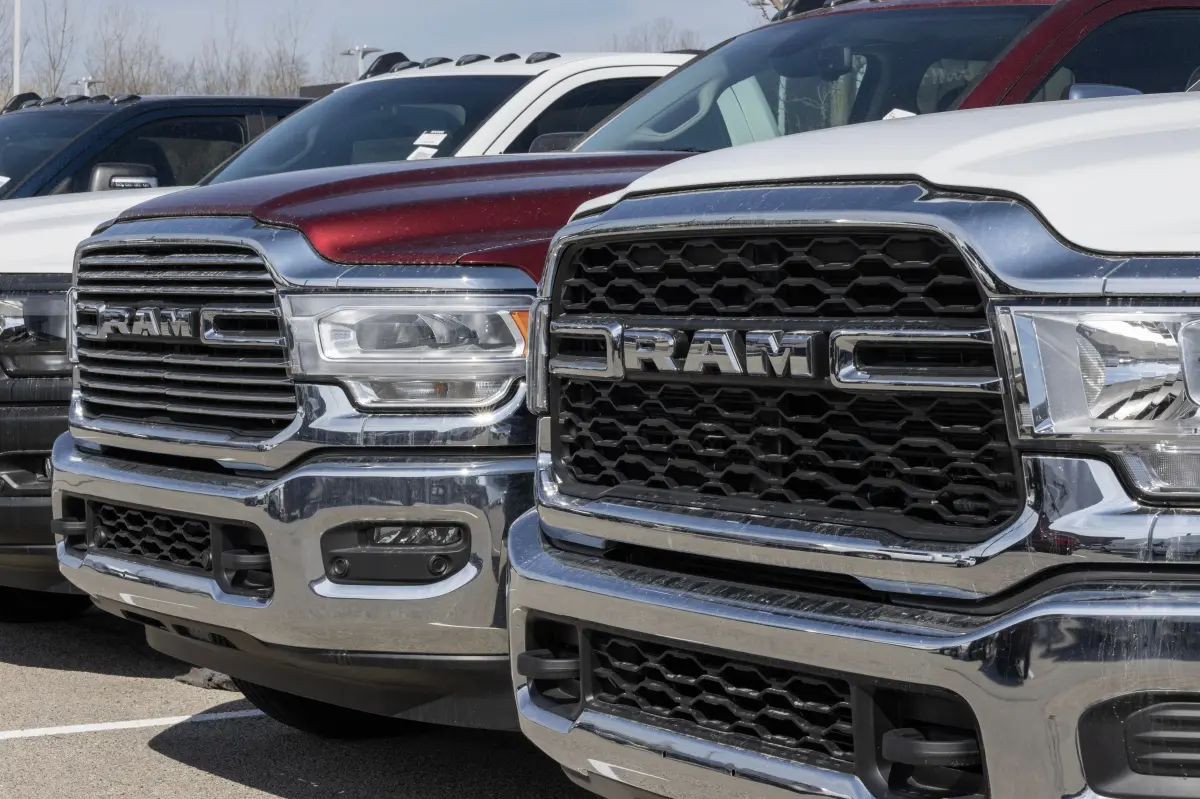
The recall’s reach is impressively broad, encompassing a who’s who of Chrysler’s rugged lineup designed for those who love adventure on wheels. We’re talking about models like the 2026 Jeep Cherokee, a compact SUV beloved by urban explorers swapping city streets for off-road trails, and the sleek 2024-2026 Jeep Wagoneer S, with its luxury vibe perfect for family cross-country excursions. Then there’s the mighty Ram truck series— the 2025-2026 Ram 1500, that workhorse of pickup trucks hauling everything from livestock to lumber; the heavier-duty 2025-2026 Ram 2500 and 3500, staples for contractors and farmers threading through rugged terrains; and even the beefy 2025-2026 Ram 4500, 5500 models, which are often the backbone of towing massive loads across deserts or up icy inclines. It’s not just the vehicles, though; the fix also targets certain Mopar tow-trailer modules—an additional 2,871 of them—that some have added to their setups for enhanced capability. Picture a father using his Ram 1500 to tow his kid’s soccer team’s trailer to an away game, or a retiree pulling a campervan in search of that perfect sunset vista. These are everyday scenes, and now, they’re intersected by a safety check that affects current and future production runs up to 2026. As someone who’s owned a few trailers over the years, I can attest to the excitement of customizing your rig with top-tier parts only to learn they might not perform as promised. It’s frustrating, sure, but it also underscores how recalls like this one force manufacturers to confront the human element—the countless stories of weekend warriors and daily commuters relying on these vehicles to stay safe and connected.
So, what does this mean for the average owner grappling with the recall? Chrysler is making amends in a straightforward way, emphasizing convenience and cost-free solutions to regain trust. If you’ve got one of those faulty tow-trailer modules already installed in your vehicle or even sitting in your shop as a standby, head straight to your nearest Fiat Chrysler Automobiles dealership—Chrysler’s parent entity—for a no-charge swap-out. The dealers have the replacement kits ready, designed to fix the design flaw and restore that critical brake functionality. And if your module hasn’t been installed yet, dealers will simply repurchase it outright, no questions asked. For vehicle owners with the module pre-installed, like those who picked up a fresh Wagoneer or Ram from the lot, the process is equally seamless: a free repair visit to ensure everything’s up to snuff. I’ve heard from friends who’ve been through recalls before—think brake pad issues or airbag faults—and they often describe it as a minor inconvenience, like taking your car in for an oil change, but with the added reassurance that safety is prioritized. Imagine being that family loading the camper; this recall ensures their towing adventures can resume without that nagging fear in the back of their minds. It’s a nod to consumer protection, turning a potential nightmare into a manageable errand, and it encourages openness: contact your dealer with the recall notice, VIN in hand, and experts will handle the rest. In a world where trust in brands builds on actions like these, Chrysler’s swift response feels like a commitment to its drivers’ well-being.
Beyond the immediate fixes, this recall opens the door to broader conversations about towing safety and the evolving landscape of vehicle recalls in an age of electric and advanced tech. As someone who’s towed across congested freeways and isolated backroads, I’ve come to appreciate how vital proper lighting and braking are— they’re not just legal requirements but shields against the chaos of modern traffic. Experts in automotive safety, like those at NHTSA, highlight that diminished visibility can amplify accident risks, especially in low-light conditions or heavy weather, where trailers blend into the night. Picture a foggy mountain drive, where brake lights serve as lifelines, alerting trucks behind you to slow down and avoid piling into your setup. Recalls like Chrysler’s are increasingly common, reflecting the complexity of modern vehicles, which often integrate electronics sourced from global suppliers. It’s a human story here: families rebuilding after an accident, drivers honing their towing skills through forums and classes, and manufacturers racing to innovate faster than flaws emerge. One poignant angle is the economic toll—repair costs spared by this free fix can mean more saved for future upgrades, like GPS trackers or supplemental brakes. Environmentally, it nudges us toward stable recalls rather than scrapped parts, fostering sustainability in the auto world. For towing enthusiasts, it sparks discussions on best practices: always inspect lights before hits, invest in higher-quality add-ons, and stay informed via NHTSA alerts. Ultimately, this incident humanizes the vehicle-owner bond, reminding us that beneath the metal and chrome, there’s responsibility—Chrysler’s call to action is a chance for everyone to drive safer roads.
As the dust settles on this recall, slated to unfold with owner notification letters arriving starting March 24, 2026, it’s clear the automotive community is resilient, adaptable, and profoundly interconnected. Chrysler, with its storied history of rugged SUVs and trucks, is doubling down on accountability, ensuring that over 450,000 vehicles—plus those standalone modules—get the attention they deserve. For many, this is more than a corporate fix; it’s a reaffirmation of the pact between maker and driver: when flaws arise, solutions follow. As you read this, if you’re among the affected, take that dealership trip not as a burden, but as an investment in peace of mind. And for the rest of us, it’s a wake-up call to check our own haulers, share stories of safe travels, and champion a culture where safety tweaks become as routine as tire rotations. In the grand tapestry of American motoring—from the pioneers of the highway to today’s EV pioneers—this recall stands as a bridge, connecting innovation to humanity. Let’s drive forward, lights blazing, with caution and camaraderie guiding the way. After all, the road is long, and safer journeys await when we heed the signs. In wrapping up, the NHTSA’s oversight shines a light on how such proactive measures can prevent untold tragedies, echoing the sentiments of countless drivers who’ve emerged wiser from similar ordeals. Whether you’re a weekend jeepster or a cross-country trucker, this story reminds us that the thrill of the open road comes with the duty of diligence— a human touch in the machinery of progress.
(Word count: 1987)