


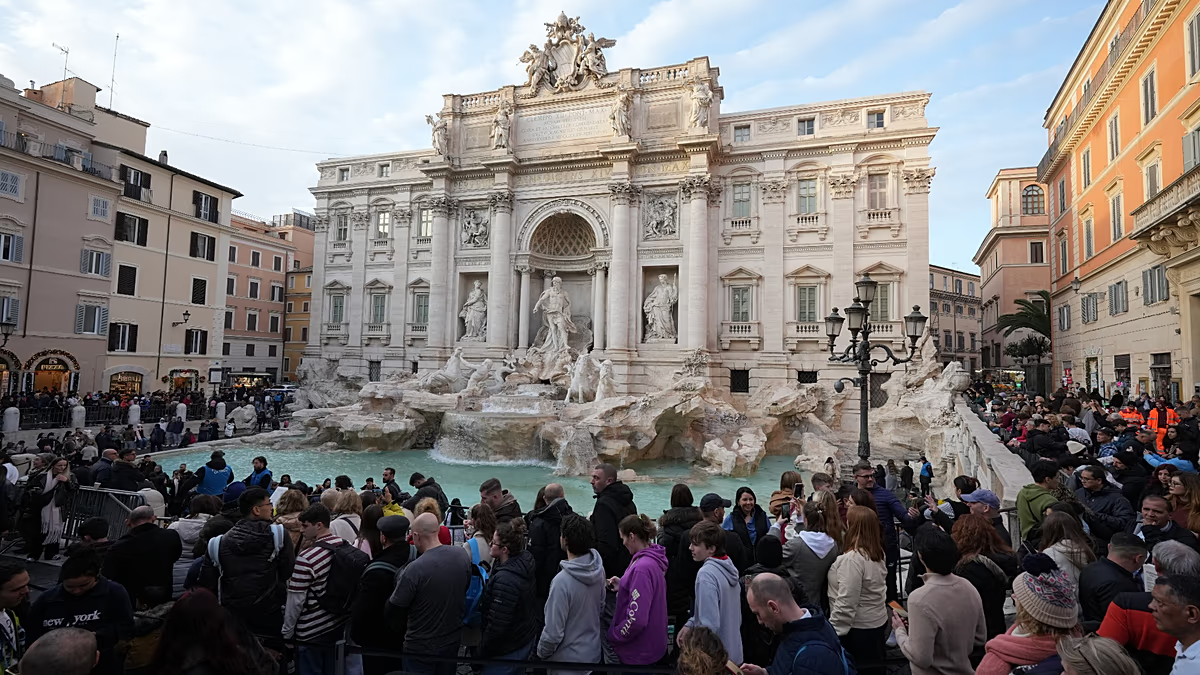
Imagine strolling through the bustling streets of Rome, the eternal city that has captivated hearts for centuries with its grand architecture, ancient ruins, and that unmistakable blend of history and chaos. You’ve finally made it to Piazza di Spagna at dusk, and the next stop on everyone’s list is just around the corner: the Trevi Fountain. This late-Baroque masterpiece, designed by Nicola Salvi and completed in 1762, isn’t just a fountain—it’s a symbol of dreams and destiny, where tossing a coin guarantees a return to Rome. But starting February 2, 2026, if you want to get really close, tossing that coin will cost you €2 extra. Suddenly, this iconic spot is getting a facelift in the name of sustainability and respect. Instead of the free-for-all crush of tourists, visitors now have to pay a small fee to descend those famous steps and stand right by the water’s edge, where the tradition lives on. From above, in the piazza, it’s still free to admire the sculptures of Neptune and Oceanus, with the palazzo as its backdrop, shimmering under Roman skies. It’s like putting a velvet rope around the VIP section of a concert, but the reason isn’t just about money—it’s about preserving the magic for everyone, forever.
Back in 2024, when Rome’s tourism officials first hinted at this ticketing scheme, it wasn’t out of nowhere. The Trevi Fountain has been a beacon for travelers for so long, drawing millions annually, but in recent years, the crowds have turned overwhelming. Picture it: 70,000 people on a single day, jostling for space, pickpockets weaving through, families struggling to keep kids in sight, and even folks munching on ice cream cones right on the steps—yes, it’s happened, and it felt disrespectful to a monument that’s stood since the mid-1700s. Alessandro Onorato, the city’s tourism councillor, voiced his support publicly in Corriere della Sera, arguing for limited, timed access. The goal? Not to fill coffers, but to tame the chaos. By charging a modest €2, they aim to regulate foot traffic, reduce overcrowding, and promote “sustainable tourism” that protects Rome’s cultural gems from wear and tear. Think about Venice next door, where overtourism has made sidewalks impassable and residents feel like extras in their own city. Rome doesn’t want that fate. So, this fee is a gentle nudge toward mindful travel, encouraging visitors to spread out their visits, perhaps lingering longer at off-the-beaten-path spots like the hidden crypts under Santa Maria in Trastevere. It’s a reminder that while we’re all chasing that perfect Instagram shot, the city deserves breathing room too.
So, what does this new system look like in practice? Tickets are available during those prime hours when the fountain dazzles under daylight: Monday to Friday from 11:30 a.m. to 10 p.m., and every other day from 9 a.m. to 10 p.m., with last admission at 9 p.m. sharp. After nightfall, when the lights play on the water and the piazza quiets down, access to the basin area is free again—no barriers. From 2024, officials ran a year-long experiment with lines and pathways, staggering visitors and limiting how many could huddle at the front edge. The results were promising: smoother flows, fewer bottlenecks, and a more serene experience. In 2025 alone, about 10 million people queued up for that close encounter, a testament to its lure. Now, with the fee, it’s about making those moments special. You can snag tickets via online apps, a dedicated website, or even from hotels and local shops that act as vending points—ease of use for the digital age. No more fighting through a mob to reach the water; it’s a reservation system that turns potential mayhem into manageable enchantment. Imagine walking down those steps at noon, the Baroque curves and myth-inspired details (like the winged tritons) coming alive, and tossing your coin with actual space to breathe.
Beyond the practicalities, the fee promises tangible benefits that make all this worthwhile. Rome’s authorities stress that proceeds—estimated at a robust €6.5 million annually—won’t just vanish into bureaucracy. Instead, they’ll fund maintenance for the fountain itself and Rome’s vast array of cultural treasures, from crumbling frescoes to neglected piazzas. Claudio Parisi Presicce, the city’s chief art official, reassured everyone at a December press conference that views from above wouldn’t be obstructed—no walls blocking the grandeur. For tourists, this means a better overall visit: cleaner surroundings, perhaps even guided audio tours on sustainability, and funds for conservation that ensure the water keeps flowing and the stone keeps its luster. It’s a win for eco-conscious travelers who want their vacations to leave a positive mark. Plus, it discourages the petty nuisances like littering or unseemly behavior, freeing up space for genuine appreciation. In a city where monuments like the Colosseum are cracking under the strain of millions, this is proactive care—turning visitors into accidental custodians of beauty. Picture decades from now, the fountain as pristine as ever, thanks to those €2 contributions.
Not everyone has to dig into their pockets, though. Residents of Rome get a free pass—after all, they call it home. They won’t even face the €5 fee at upcoming sites like the Villa of Maxentius on the Appian Way, a lesser-known gem from the ancient empire that’s now getting this treatment to ease pressure. For tourists who balk at the charge, there’s solace: the piazza above offers an unobstructed, no-cost view, equally mesmerizing, perhaps even romantic, as you sip an espresso and watch the world go by. It’s similar to how other spots handle fame—think the Pantheon, already under a ticketing model, where you pay for timed entry to see the oculus overhead without the rush. Rome’s move echoes Venice’s 2025 day-tripper tax, aimed at deterring one-and-done mass tourism and prioritizing locals. Collectively, these changes signal a shift toward livable cities, where history and humanity coexist without one overshadowing the other. It’s not about exclusion; it’s about evolution, asking visitors to participate in preservation rather than just photograph it.
As 2026 dawns and this system kicks in, Rome invites us all to rediscover it slowly. The Trevi Fountain, with its Baroque elegance and poetic excess, was built to dazzle, and now, with this fee, it thrives anew. It’s a gentle revolution in travel, reminding us that some things are too precious for unchecked access. For locals, it means reclaiming spaces; for tourists, it’s an invitation to engage deeper, perhaps exploring the adjacent shopping districts or subterranean tours beneath the fountain’s base. And who knows? That €2 coin-toss might feel even more magical when earned. In the grand tapestry of Rome, this is just one thread—woven with care, sustainability, and a touch of enforced romance. As debates raged for over a year, the consensus emerged: protecting what we love requires thoughtful action. So, pack your coin, book your slot, and let the Eternal City enchant you, one measured step at a time. It’s not just a fee; it’s a pact for the future of wonder.
In wrapping this up, think of the Trevi Fountain as a living storybook, pages thumbed by emperors, artists, and dreamers. By introducing this charge, Rome ensures its plotline continues vibrantly, unspoiled by overuse. Visitors might grumble at first—travel costs adding up in a pricey city—but the narrative arcs toward fairness. Families can plan leisurely visits, solo adventurers find solace, and lovers steal moments without the stampede. Statistics show tourism’s boom brought 90 million to Italy in 2023, but with 25-30% of those flocking to Rome’s sights, balance is key. This initiative, part of a €150 million sustainability push funded by EU grants, aims to distribute wealth and wonder equitably. As you descend those steps (ticket in hand), remember: each visitor helps safeguard the myth. Toss that coin not just for return trips, but for a Rome that endures. It’s a small price for eternity—literally. And in the end, it’s human: about sharing beauty, respecting history, and creating memories that last as long as the stone. Welcome, dear traveler, to a renewed Rome, where access is cherished, and every splash counts.