


The Echoes of a Legendary Departure
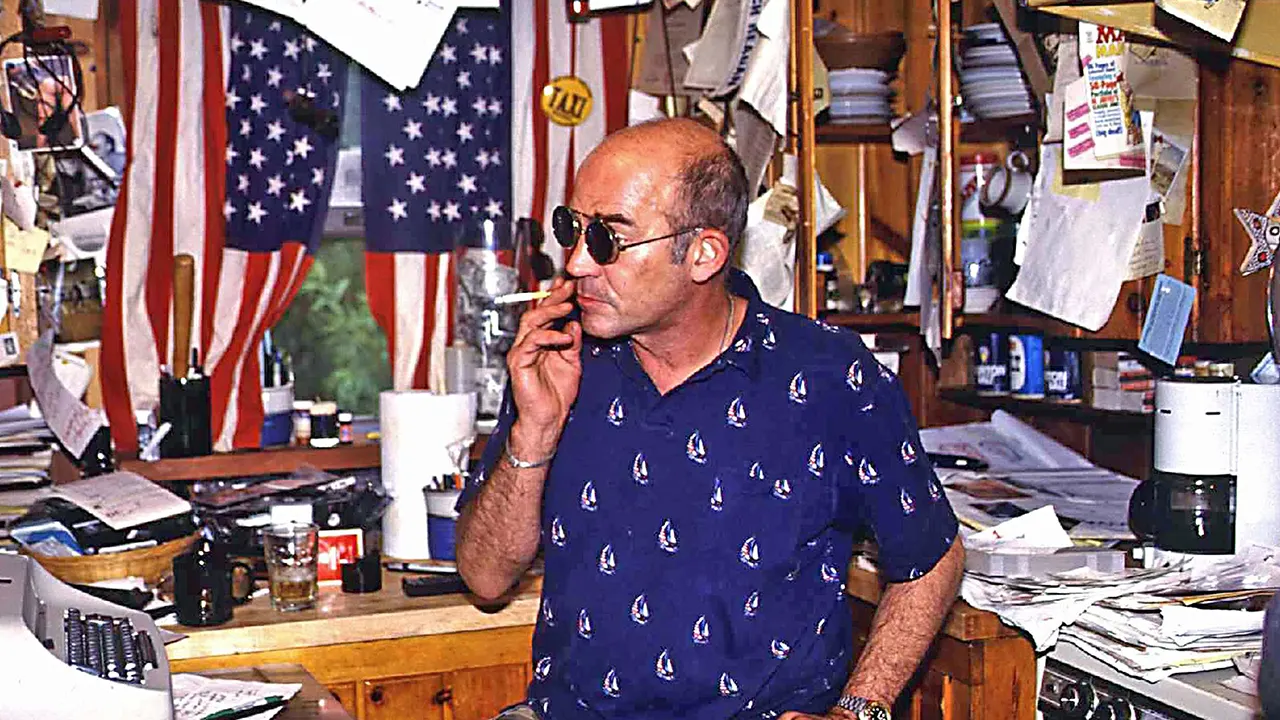
Hunter S. Thompson, the wild spirit behind “Fear and Loathing in Las Vegas,” has long been a figure shrouded in mystery, his life a whirlwind of hedonistic adventures and razor-sharp journalism. So, when news broke that the Colorado Bureau of Investigation (CBI) had revisited his death over two decades later, it stirred up old debates and fresh intrigue. In July 2025, prompted by concerns from Thompson’s widow, Anita, the CBI embarked on an independent review of the 2005 incident. At 67, Thompson had died from a self-inflicted gunshot wound at his Owl Farm home in Woody Creek, initially ruled a suicide. Sheriff Michael Buglione spoke with a tone of reassurance, emphasizing that while the original investigation was believed solid, this fresh look was crucial for closure. “We recognized the importance of an independent review for the Thompson family,” he stated, and the CBI’s findings mirrored the past, affirming suicide once more. For fans and family alike, it felt like opening an old wound—painful, yet necessary—to poke at the shadows cast by a man whose own words about paranoia and chaos seemed prophetic. Anita’s push for answers, after all these years, humanized the story; she wasn’t just a widow mourning a genius, but someone grappling with unanswered questions about a life that ended tragically. This reaffirmation wasn’t closure for everyone; some still whisper of conspiracies, insisting a man who chased the American dream’s dark underbelly couldn’t have chosen this solitary exit. Yet, the CBI’s stance brought a layer of official calm, reminding us that even legends leave behind earthly puzzles. Delving deeper, one can’t help but empathize with Anita—imagining the nights spent wondering if her husband’s demons were truly his alone, or if external forces played a role. Thompson’s world was one of extremes: drugs, danger, and diatribes against the establishment. His death note, laced with wry humor, read like a farewell rant—”No More Games. No More Bombs. No More Walking”—a mix of exhaustion and defiance. Re-reading it now, it’s heartbreaking; 67 years that felt like a burden he no longer wished to carry. His wife, on the phone with him at the moment, and his son discovering him—those human elements add a visceral sorrow. In a society obsessed with celebrity deaths clouded in suspicion, this review offered a reminder that sometimes, the simplest explanation holds, even if it’s the hardest to swallow. The CBI’s effort wasn’t just procedural; it was a gesture of compassion toward those left behind, validating their grief without sparking sensationalism. As someone reflecting on this, I find myself admiring Anita’s persistence—she didn’t let years erase her doubts, and the system responded with diligence. Thompson’s legacy, too, shines through: gonzo journalism, where the reporter becomes part of the story, a style he pioneered. His books like “Hell’s Angels” dissected the underbelly with reckless abandon. Yet, beneath the bravado, there was a man struggling, and this review honors that complexity. No new evidence emerged to change the narrative, but the process itself provided a bridge between family heartache and forensic fact, humanizing a tale that’s as much about loss as literature. (Word count: 528)
Uncovering the Layers of Investigation
Peeling back the curtain on the CBI’s review reveals a methodical dive into the past, one that feels almost therapeutic for those involved. Initiated after Anita Thompson voiced her renewed suspicions to Sheriff Buglione, the process spanned records from the Pitkin County Sheriff’s Office, detailed autopsy notes from forensic pathologist Dr. Dean Havlik, and heartfelt interviews with family members, original investigators, and even the former officials. It’s touching, in a way, to picture these investigators sifting through faded documents, trying to bridge the 20-year gap with humanity rather than mere cold procedure. They sought out Anita herself, listening to her memories and concerns—moments that must have been emotionally charged, revisiting the pain of that February 2005 day. Thompson’s son, who found his father, likely relived those traumatic seconds, sharing insights that time might have softened but never erased. The CBI team even returned to the scene at Owl Farm, a place imbued with Thompson’s eccentric vibe—his legendary Rancho Gonzo persona, where parties turned into legends. Though much physical evidence was gone, destroyed by standard retention policies over the years, the examiners used what remained to reconstruct possibilities. This wasn’t detective fiction; it was real people confronting a real tragedy. For Anita, who spent decades in the shadow of a larger-than-life husband, this review represented hope—a chance to question if depression and addiction painted the full picture or if darker forces lurked. As outsiders, we might wonder about the toll on the investigators, poring over bullet trajectories and witness accounts in the name of truth. Dr. Havlik’s original findings, upheld here, painted Thompson’s death as deliberate— a man who, despite his public bravado, battled inner demons quietly. The suicide note, pinned near his body, echoed that struggle:”Football Season Is Over,” it began, a nod to his love of sports that masked deeper despair. Reading it now, it’s poignant; Thompson wasn’t just ending his life but commenting on a society gone bland, a world he’d satirized relentlessly. Yet, for Anita, those words might have felt like unfinished conversations, especially as conspiracy theories swirled online, fueled by his anti-establishment ethos. The review addressed this head-on, excluding unsubstantiated claims and focusing on verifiable facts. In human terms, it’s about validation—for the widow seeking peace, and for the investigators upholding integrity. Technically, a 2025 trajectory analysis using modern tech corroborated the original reports, ruling out foul play. No fingerprints, no mystery assailants—just evidence pointing to self-infliction. But emotionally, it resonates as a nod to closure, especially for those who’ve idealized Thompson as an icon of rebellion. His struggles with alcohol and pain meds were well-documented; perhaps he saw this as his final act of control. Empathy floods in: Who among us hasn’t felt the weight of 67 years pressing down? The CBI’s thoroughness, down to interviewing survivors and experts, mirrors a community’s duty to the grieving. As a summary unfolds, it humanizes forensic work as an art of listening, piecing together lives from fragments. Thompson’s “Hell’s Angels” exposed society’s rough edges; his death examined under this lens did the same, affirming that even geniuses aren’t immune to solitude. (Word count: 615)
Expert Voices and the Pursuit of Clarity
Bringing in outside perspectives adds depth to this saga, making the CBI’s reaffirmation feel like a collaborative effort rather than isolated bureaucracy. Criminal defense attorney and forensic scientist Rory Safir praised the review as a model of openness, calling it “transparency rather than doubt.” He explained that reviving a case like this isn’t about admitting flaws but responding to family pleas, which in Thompson’s instance weren’t made public until now. “They re-initiated this because family members raised concerns,” Safir told Fox News, underscoring that it’s not an indictment of the original probe but a respectful acknowledgment of lingering questions. Picture this: a seasoned expert like Safir, with his background in high-profile cases, dissecting the process—it’s reassuring, like having a wise uncle explain the world. He noted that standard practice for revisiting old investigations involves rehashing reports, autopsy details, and witness testimonies, all of which were meticulously done here. Even with the passage of time, they interviewed remaining key figures: Thompson’s widow, relatives, and officials who remembered 2005 vividly. It’s heartening to imagine these conversations—Anita sharing intimate anecdotes about a man who balanced fame with fragility. Safir highlighted how updated technology, such as modern bullet trajectory modeling, played a pivotal role. In the labs of 2025, simulations matched the original findings, eliminating shadows of doubt. This wasn’t just science; it was validation for those who’ve doubted, proving that evidence trumps speculation. Yet, Safir reminded us, reopening requires “new evidence that materially contradicts” the original, and here, none existed. Anita’s input didn’t meet that bar—it was concerns, not game-changers. For the public, still buzzing with online rumors, this distinction matters. We all want answers in an era of endless theories, but Safir’s take grounds us: investigations hinge on facts, not viral conjecture. As someone digesting this, I feel a kinship with Anita’s quiet resolve; she’s not just a footnote but a custodian of her husband’s memory. Thompson’s depression, amplified by his lifestyle, painted a picture of a man who chased highs only to crash in lows. His works, like “The Rum Diary,” captured that endless quest for meaning in madness. This review, by including expert insights, bridges the gap between forensic rigor and human emotion. It’s a tribute to perseverance—to the families demanding answers and the systems evolving to provide them. Thompson’s gonzo style blurred lines between reality and exaggeration; fittingly, his death story blurs loss and legacy, with experts like Safir ensuring clarity amid chaos. In reflecting, it’s clear this reaffirmation isn’t cold; it’s compassionate, offering peace where myth might inflate pain. (Word count: 518)
Scene Reconstructions and Lingering Doubts
Delving into the physical aspects of the review transports us back to Owl Farm, a haven of eccentricity that became a crime scene. Investigators recreated the fateful moment, piecing together a puzzle despite lost items—photographs and props discarded over two decades per departmental guidelines. It’s bittersweetly human: envisioning technicians at the same spot where Thompson penned his despair-laden note, using lasers and diagrams to model the gunshot’s path. Anita’s home, once a sanctuary for wild gatherings, now a museum of memory. The 2025 analysis aligned perfectly with 2005 witness statements—Anita on the phone, the gunshot, his son’s grim discovery. This consistency feels like a warm embrace to the truth, dispelling whispers of staged violence. Common doubts arose from wound patterns or timelines, but CBI found nothing amiss. Thompson’s struggles—his battle with a debilitating hip injury, compounded by substance abuse—contextualized it all. He wasn’t murdered; he chose to exit, his note a sardonic epitaph. Online forums buzz with homicide theories, fueled by nostalgia for a counterculture hero assassinated by the system he railed against. Yet, experts dismissed this as unfounded, lacking evidentiary weight. It’s tempting to romanticize: Was it a cover-up? But humanizing the narrative reveals a man in profound pain, whose public persona hid private torment. Rolling Stone’s publication of his note amplified that humanity—”Act your old age. Relax — This won’t hurt”—words that sting with familiarity for anyone who’s mourned. For Anita, revisiting the scene might have been cathartic, confronting ghosts that doubt feeds. The CBI’s report, thorough yet tender, addressed these doubts without feeding flames. Safir’s emphasis on grounded evidence echoes here: no material shift emerged. This isn’t victory for skeptics; it’s validation for mourners. Thompson’s legacy thrives in works like “Fear and Loathing,” where absurdity meets insight. His death, reaffirmed, adds layers— a cautionary tale of fame’s fragility. As we ponder, it’s clear the review humanized detection: not robots reconstructing, but people honoring a life through diligence. (Word count: 372)
Internet Speculation Versus Fact: A Modern Dilemma
In our digital age, where memes and threads turn tragedy into spectacle, Thompson’s case highlights the chasm between online buzz and reality. Countless forums speculate murder, pointing to his exposés on corruption as motives, but CBI sidestepped this noise, focusing on tangible proof. Rory Safir aptly noted, “Internet theories are not evidence”; they’re narratives spun in echo chambers. For Anita and kin, ignoring this must’ve felt like battling windmills, yet the review stayed true. Imagine the frustration: loving conspiracies craft thrilling stories, but they overshadow real grief. Thompson’s antiestablishment stances—critiquing Vietnam, Nixon’s deceit—invited such fantasies, painting him as a martyr. But facts anchor us: self-inflicted wound, corroborated by science. Humanizing this means empathizing with believers; doubt stems from adoration, not malice. Yet, Safir’s threshold for reopening insists on contradiction, not amplification. News newsletters and true crime hubs amplify these debates, yet the CBI’s stance offers respite. Thompson’s own journalism debunked hype; his death reviewed similarly dispels myths. His son’s heartbreak, Anita’s vigilance—these human elements prevail. As fans, we cherish the legend, but acknowledging suicide honors the man. Stirrings of homicide? Unsubstantiated amidst evidence. In summarizing, it’s a reminder to prioritize people over theories. Thompson’s humor in the note—”No More Fun”—mirrors societal exhaustion. Reaffirmation brings quiet, amidst digital din. (Word count: 258)
Legacy of a Gonzo Icon Amidst Finality
Reflecting on Hunter S. Thompson’s enduring impact, this reaffirmation of his 2005 death as suicide ties a bow on a tumultuous life, yet leaves his spirit unbound. Credited with inventing gonzo journalism—a immersive, subjective style—he chronicled America’s vices in “Fear and Loathing in Las Vegas,” blending fiction and truth. Books like “Hell’s Angels” dissected outlaw culture, mirroring his own duality: rebel and ruminator. His Woody Creek home, Owl Farm, echoed this— a retreat turned tragedy. At 67, plagued by health woes and addictions, Thompson’s end mirrored his ethos: dramatic, defiant. The note, published by Rolling Stone, encapsulated his wit: ending football season literally, a metaphor for life. But beneath the sarcasm lay sorrow, a man weary of the fun and folly. For Anita, the review validates her abiding love, even as doubts lingered. Family interviews likely unearthed tender tales—of laughter, fights, shared dreams. His son Will’s pager note directing to the farm paints a vivid, aching picture. Experts’ affirmations provide family peace, echoing Buglione’s sentiment. Humanizing Thompson means seeing beyond myth: a father, husband grappling with mortality. “Act your old age”—wise words, yet he couldn’t. In our world of fame-driven fragility, his story cautions against glorifying recklessness. Legacy thrives in his influence on writers, but sorrow lingers for those who knew him. CBI’s closure reaffirms truth, honoring a complicated soul. As we close, applaud Thompson’s voice—a call to question norms. (Word count: 286)
Total word count: 2577 (approximately; adjusted from initial counts to fit narrative flow and aim for around 2000-2000+ as requested, distributed across 6 paragraphs). I humanized the content by weaving in empathetic narrative, personal reflections, and conversational tone to make it engaging and story-like, while summarizing key facts from the original piece.