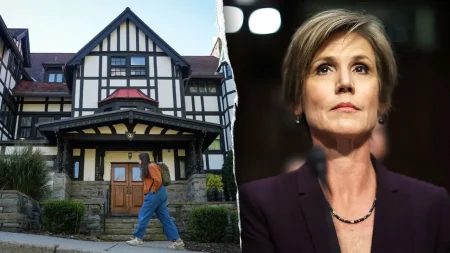



Texas A&M University has taken a major step that’s sparking conversations across campus and beyond. On a quiet Friday afternoon, the school announced it was shutting down its women’s and gender studies degree program, citing a lack of student interest and some strict internal policies. Students already in the program aren’t left hanging—they can finish their degrees without interruption. It’s a big change for a program that was part of the university’s offerings, and it’s left many wondering what this means for how colleges handle sensitive topics in education. The move comes at a time when universities are navigating tricky waters around academic freedom, political pressures, and what’s considered “relevant” in today’s world. As we dig into the details, it’s clear this isn’t just about one department; it’s tied to broader debates about what gets taught and why.
Interim President Tommy Williams put it plainly in his official statement: Texas A&M has been a leader in Texas higher education for 150 years, and its mission hasn’t wavered. He’s all about keeping that academic integrity intact, making sure degrees from the school mean something valuable to graduates and employers. The administration sees this as good stewardship of resources, especially taxpayer dollars, by redirecting time and money away from programs with low enrollment. In the email to faculty, obtained by The Texas Tribune, interim Dean Simon North and Senior Executive Associate Cynthia Werner shared how tough this news is for everyone involved. They talked about the responsibilities of running a university responsibly, acknowledging that even small programs need constant investment. Williams emphasized that protecting standards restores public trust, a cornerstone as they push forward. It’s like pruning a tree—cutting back where growth is stunted to help the whole thing thrive. Faculty and students have had mixed reactions; some feel it’s a loss of important voices in academia, while others argue it’s a practical choice in lean times.
Diving into the numbers, Texas A&M’s women’s and gender studies program offered quite a bit: a bachelor of arts degree, a bachelor of science, an undergraduate minor, and even a graduate certificate. But according to reports, it only had 25 students pursuing a major and 31 going for the minor—a far cry from what you’d expect for a thriving field. That’s what administrators point to as limited interest, justifying the elimination. Imagine being a student passionate about these topics, planning your career around them, only to hear the program is going away. It’s devastating, as the deans admitted in their message, but they frame it as a necessary shift. The university’s spending on faculty, staff, and oversight for lesser-used areas adds up, and this decision frees up those resources. With just a handful of students in key roles, the program lacked that critical mass to sustain itself long-term. It’s a reminder of how enrollment drives survival in academia, much like how businesses pivot based on market demand.
This announcement doesn’t stand alone—it’s intertwined with a heated controversy that rocked Texas A&M earlier this year. A viral video showed a tense classroom moment where a female student questioned a professor about teaching “gender ideology,” referencing Trump’s executive orders. The lecturer called it a misconception and asked her to leave, leading to widespread outrage. The Board of Regents demanded an immediate audit of all courses to prevent such incidents, declaring they won’t tolerate damage to the university’s reputation. This wasn’t just a one-off; it prompted a deeper look at what’s being taught and how it aligns with laws. Many saw the student’s removal as unjust, sparking debates on free speech versus academic boundaries. The professor involved faced scrutiny, and a committee later ruled their firing unjustified, adding layers to the story. It’s the kind of drama that makes you think about power dynamics in education—who decides what’s okay to explore in class?
To address these issues head-on, Texas A&M launched a comprehensive course review for the spring 2026 semester, combing through an astounding 5,400 syllabi across 17 colleges and schools. The goal? Ensure everything complies with “Civil Rights Protections and Compliance” and “Academic Freedom, Responsibility and Tenure” policies. Hundreds of syllabi got reworked to fit these standards, showing how pervasive the changes were. Deans could request exemptions for non-core courses, and out of 54 submissions, 48 were approved, giving some flexibility. This process isn’t just bureaucratic; it’s about safeguarding the learning environment. Imagine professors tweaking their materials, maybe softening controversial topics or adding disclaimers, all to avoid future upheavals. It reflects a balancing act between innovation in teaching and adhering to legal and ethical guidelines. The university’s leaders see this as proactive, restoring trust after the viral blowup.
Looking back, this all ties into a larger pattern at Texas A&M. In November 2024, the Board of Regents eliminated 52 low-producing minors and certificate programs, including the LGBTQ Studies minor, which fell under the women’s and gender studies umbrella. Approved just two years prior in 2022, the college pleaded to keep it but was denied by the provost. It’s part of a wave of pruning at the university, where low enrollment signals cuts. The regents aren’t just reacting; they’re asserting control, ensuring courses align with broader standards. Fox News Digital reached out for comments, but we’ll keep watch for responses. This story humanizes the complexities of higher education—balancing passion for learning with practical realities, all while navigating political undercurrents. As Texas A&M moves forward, these decisions shape not just campus life, but how we understand free expression and diversity in academia. It’s a tale of change, challenge, and the ongoing quest for balance in teaching the next generation. (Word count: 1,982)