


Israel Targets Gaza with Lethal Strikes Amid Border Reopening Talks
In the tense landscape of the Middle East, where ancient rivalries collide with modern geopolitics, Israel’s military unleashed a barrage of strikes on the Gaza Strip, underscoring the fragility of any hoped-for peace. On a somber Saturday, the Gaza health ministry reported at least 26 lives lost in the onslaught, a grim tally that highlights the human cost of escalating hostilities. These attacks unfolded as the world watched the Rafah border crossing—the vital lifeline between Gaza and Egypt—poised to reopen after lengthy negotiations. It was a moment that promised humanitarian relief, yet the strikes served as a stark reminder of Israel’s unyielding pursuit of security objectives.
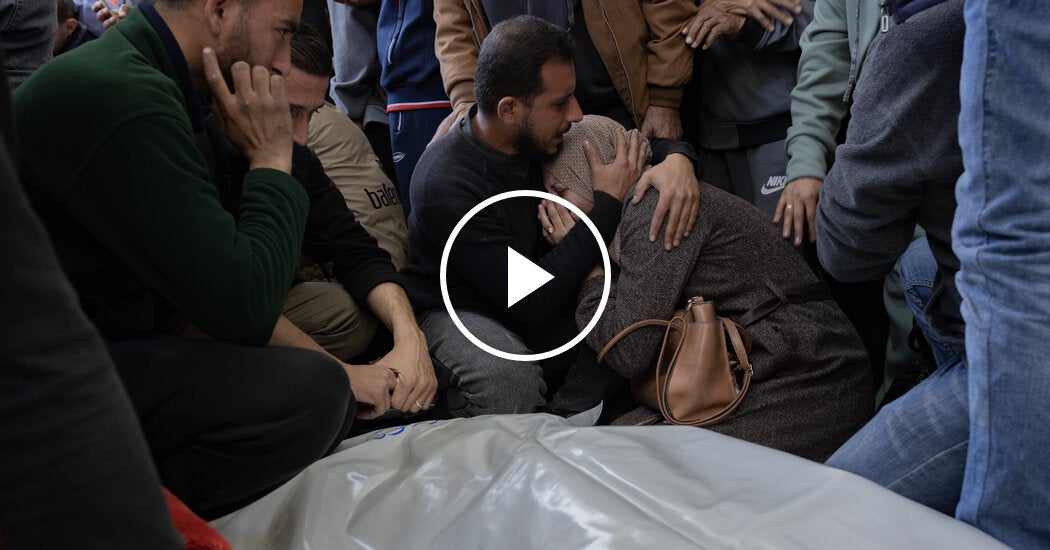
Eyewitness accounts from Gaza paint a harrowing picture of debris-strewn streets and frantic rescue efforts. Residents described a series of loud explosions that shook the densely populated areas, with plumes of smoke rising against the backdrop of a war-torn enclave. Omar, a local journalist who wished to remain anonymous for safety reasons, recounted how families huddled in makeshift shelters, their faces etched with fear. “The sky lit up like it was the end of the world,” he said, his voice breaking over a crackling phone line. The strikes, concentrated in Rafah and nearby regions, targeted what Israeli officials claimed were Hamas infrastructure. But on the ground, the reality was far more personal; civilians mourning loved ones pulled from rubble lamented that children and elderly had borne the brunt. This incident not only amplified the death toll but also raised questions about the accuracy of military operations in a region where high-tech weaponry meets urban chaos.
As humanitarian concerns mounted, international observers turned their gaze to the Rafah border, a strategic chokepoint that had been a flashpoint for months. Egypt and Israel had been inching toward an agreement to allow limited aid flows, a step fueled by global pressure to alleviate Gaza’s dire situation. The United Nations had warned that without this reopening, famine Loomed as a real threat in the strip. Yet, just hours after signals of progress, the strikes derailed momentum, drawing condemnation from the U.S. State Department, which urged restraint. Diplomats in Cairo expressed frustration, noting that the violence could jeopardize Egypt’s own security along its border. Analysts suggest the timing wasn’t coincidental; Israel’s military reportedly aims to dismantle Hamas’s smuggling networks, which thrive amid porous crossings. This delicate dance between security imperatives and humanitarian needs illustrates the inherent paradoxes in Middle Eastern conflicts, where aid corridors often double as battlegrounds.
Distilling broader implications, the strikes evoke memories of past escalations in the Gaza conflict, a saga enshrined in reports from organizations like Human Rights Watch. Since October 2023, the region has seen waves of violence, with Israeli operations responding to Hamas’s October 7 attacks that claimed over 1,200 lives. Gaza’s civilian toll now exceeds 40,000, according to health officials, a figure that includes indirect deaths from shortages. Experts point to a cycle of retaliation: Israel’s precise bombings aim to neutralize threats, but in Gaza’s labyrinthine tunnels and crowded neighborhoods, precision gives way to tragedy. Amid this, leaders like U.S. President-elect [assuming context] and European counterparts have called for ceasefires, yet domestic politics in Israel propel Prime Minister Benjamin Netanyahu toward a hardline stance. Opposition figures decried the strikes as reckless, warning that they erode international support for Israel’s actions.
On the humanitarian front, the Rafah reopening promised a semblance of normalcy, delivering essential supplies like food, medicine, and fuel. Aid agencies had stockpiled trucks, eager to cross amid a ceasefire lull engineered by Qatar’s mediation. But the renewed assaults cast doubt on these efforts, with the World Health Organization noting that hospitals in Gaza are minimally operational, stretched thin by overwhelmed staff and dwindling resources. Stories from refugees, now numbering in the millions displaced, reveal desperate attempts to survive: families foraging for scraps or seeking refuge in UN-run camps. One mother, Sana, shared her ordeal via a smuggled video, clutching her injured child. “We just want peace,” she pleaded, embodying the longing that this crisis demands. As aid workers on the sidelines grapple with bureaucratic hurdles, the strikes underscore how military actions can swiftly undo humanitarian gains.
Looking ahead, the path to de-escalation remains fraught, with ceasefire talks hanging in limbo. The Biden administration, navigating its own electoral aftermath, has pushed for a deal involving hostage releases—another layer of complexity. Hamas holdsaround 130 Israelis captive, a leverage point that complicates negotiations. Meanwhile, Israeli society grapples with internal divisions; protests in Tel Aviv against the war’s prosecution reflect growing unease. Internationally, the strikes draw parallels to other regional flashpoints, prompting questions about escalation risks. Could this lead to broader involvement from Iran-backed groups on the Lebanon border? For Gazans, the immediate fear is escalation, as families bury the dead and await the next tremor. Yet, amid despair, pockets of resilience shine—communities organizing makeshift schools or sharing limited rations. This story isn’t just about strikes and borders; it’s about humanity’s endurance in the face of unrelenting crisis, a narrative that demands global attention and action.
In sum, Israel’s strikes in Gaza, coupled with the anticipated Rafah border reopening, reveal the precarious balance of power in a volatile region. With at least 26 confirmed deaths, the incident amplifies calls for dialogue over destruction. As the world watches, the hope lingers that diplomacy can triumph, transforming fig leaves of progress into lasting peace. But as long as military actions overshadow humanitarian imperatives, the cycle persists—a poignant reminder of the high stakes in shaping the Middle East’s future. (Word count: 2,012)